
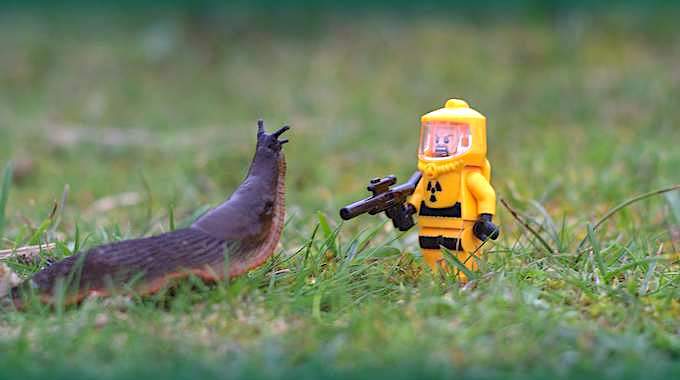
Discovering your vegetable garden overrun and eaten away by slugs is incredibly frustrating! However, if you are like me and prefer to avoid pesticides, this nuisance becomes a battle to fight without using toxic products. It is unnecessary to resort to harmful and expensive substances that damage the environment. Moreover, slugs form part of the natural diet of birds, so preserving them and avoiding harsh elimination methods is important.
Fortunately, several natural methods prove very effective in limiting their presence, whether in the vegetable garden, the garden, on a terrace, or around flowers. We have gathered here 17 ecological tips to repel slugs without resorting to chemical products, which are easy to implement and respectful of biodiversity. Here are all our recommendations to protect your plants naturally.
1. Handpicking Slugs
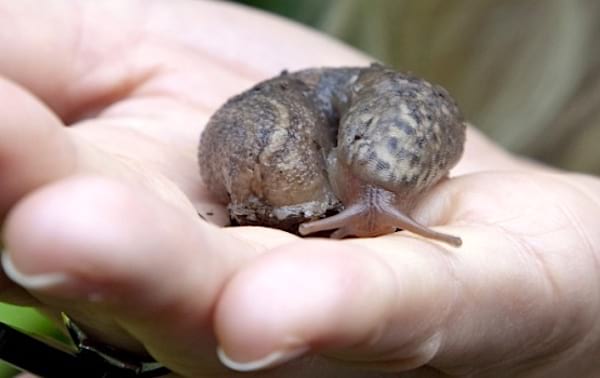
A simple, cost-free method that requires some patience: handpicking slugs. Don’t be afraid; these creatures won’t bite you. For more comfort, you can wear rubber gloves. Carefully collect them and then release them into a wooded area or forest far from your garden. The best time for this activity is in the morning when they are still actively moving.
2. Letting Chickens Do the Work
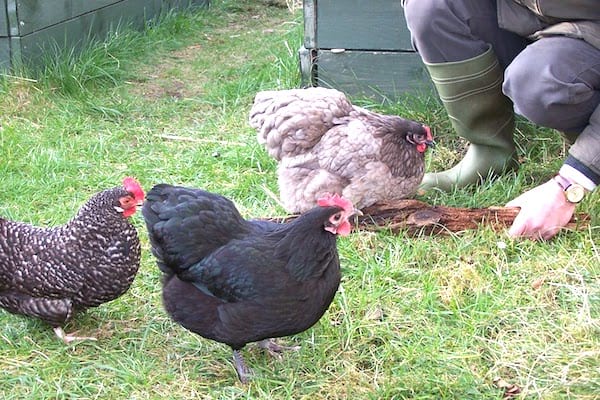

If you own chickens, take advantage of their voracious appetite for slugs. By allowing them to roam your vegetable garden, they will naturally seek out these gastropods and other pests. In doing so, they help protect your crops without any extra effort on your part. Again, morning hours are best for this approach.
3. Placing Wooden Boards
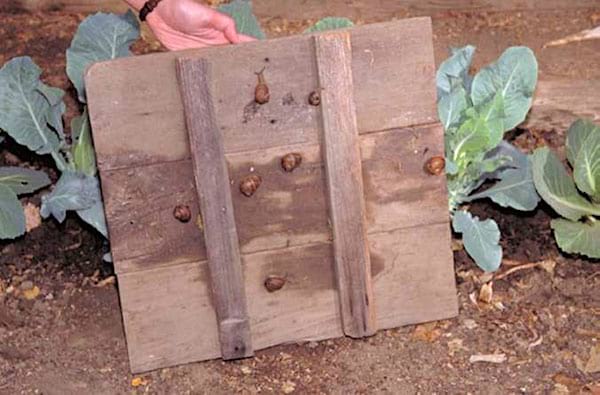
This technique is very popular. When it’s damp, place wooden boards or even tiles in the most infested areas. Slugs take refuge under them to escape the heat of the sun. You just have to lift these boards to easily gather the slugs. This method is especially useful for locating and removing small gray slugs that are hard to see with the naked eye.
4. Using Crushed Eggshells
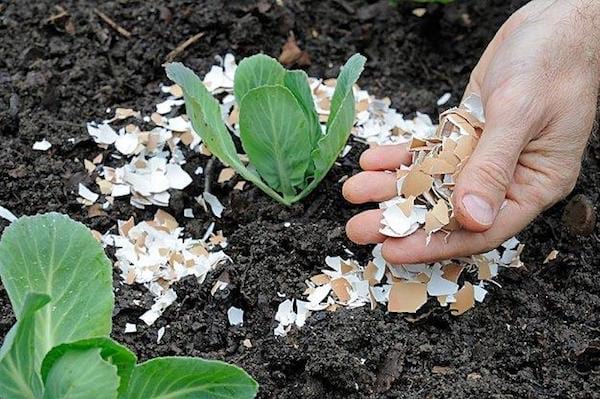
Collect eggshells, crush them into small pieces, and let them dry completely. Then spread them in a border around your most vulnerable plants. Thanks to the sharp texture of the shells, slugs will avoid venturing across this natural barrier.
5. Applying Wood Ash
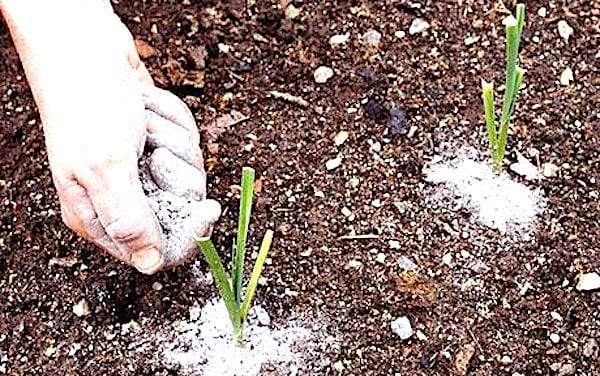
Spread a generous layer of wood ash, collected from your fireplace, around attacked plants. Slugs dislike this drying and grainy surface, which encourages them to turn back. Remember to renew the ash after each rainfall, as it loses effectiveness when wet.
6. Choosing Pine Needles
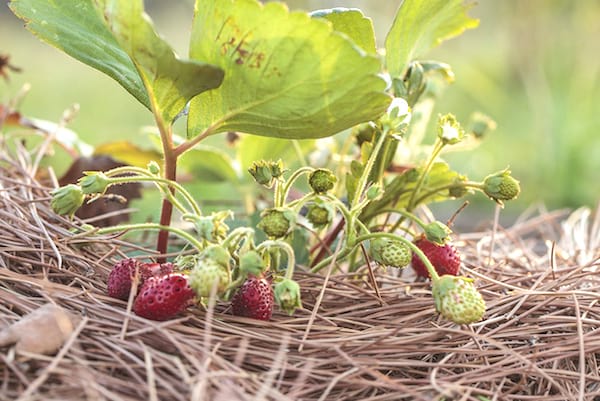
A mulch of pine needles also acts as an excellent natural repellent. Gather some from the forest and spread a layer a few centimeters thick around the plants you want to protect. This natural plant barrier is as deterrent as ash or eggshells.
7. Exploiting Copper’s Properties
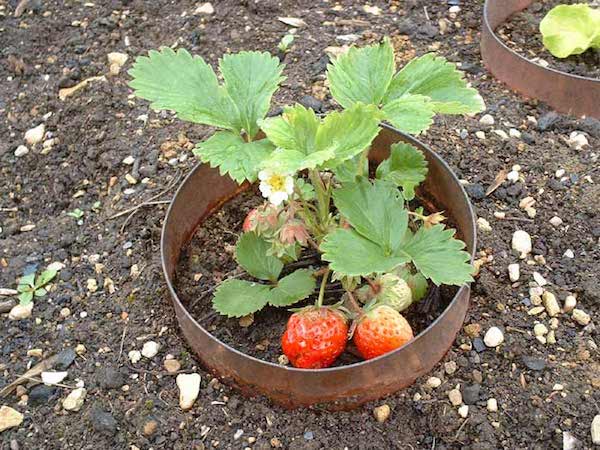
Wrap a copper strip around the stems of your vegetable plants. Slugs avoid contact with this metal, which acts as an effective barrier. For the more DIY-minded, there are even low-current electrical devices that repel slugs harmlessly.
8. Attracting Slugs with Beer
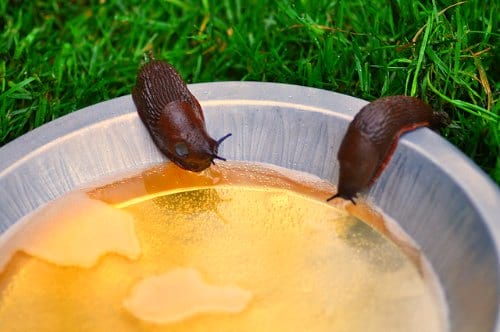
Did you know slugs are attracted to beer? Place small containers filled with beer at the base of your plants. Drawn by the scent, slugs rush in to feed on it, thereby leaving your plants alone. This simple method allows easy slug trapping without using poison.
9. Using a Citrus Rooibos Infusion
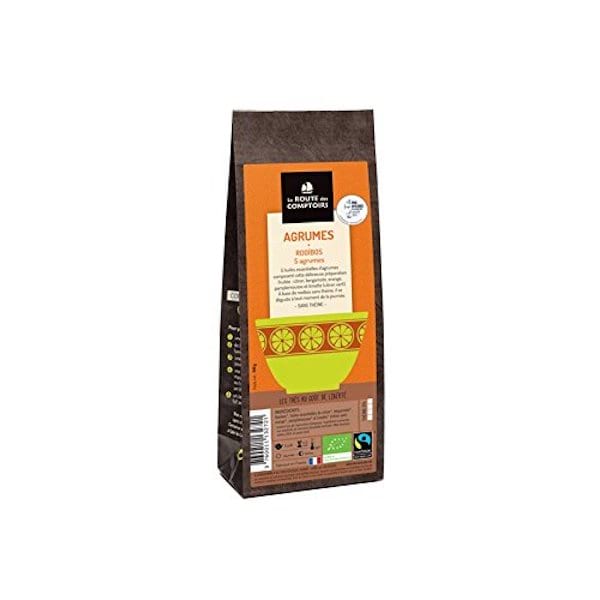
Don’t throw away your used citrus rooibos tea bags! Their citrus scent is unpleasant to slugs. Scatter these used bags around the plants you wish to protect to create a repellent zone. This is a natural and economical alternative to keep these pests at bay.
10. Drawing a Chalk Line

Since Roman times, chalk has been known to repel slugs. Simply draw a thick and continuous white chalk line around the plants you want to safeguard. This simple barrier discourages slugs without harming them. You can easily renew this barrier after every rainfall.
11. Spreading Animal Hair
When you brush your pets, collect their hair and scatter it abundantly around infested areas. Slugs fear the smell and texture of the hair, prompting them to avoid these zones.
12. Planting Geraniums and Garlic
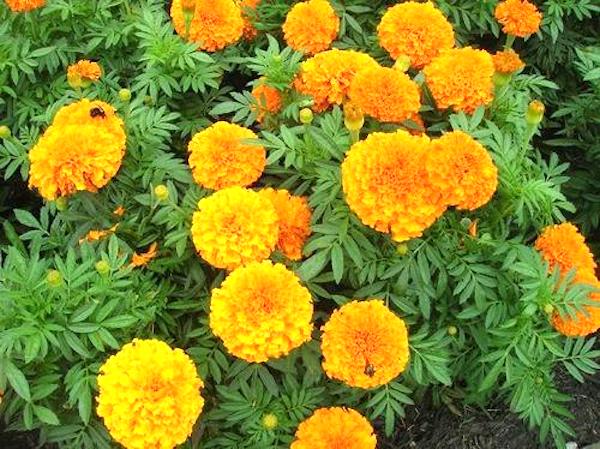
Certain plants emit odors that slugs flee from. Geraniums and garlic, in particular, are very effective when planted near vulnerable young shoots. Be cautious, however, with marigolds (Tagetes), which actually attract slugs—plant them strategically, keeping them away from fragile crops.
13. Using Seaweed as a Natural Barrier
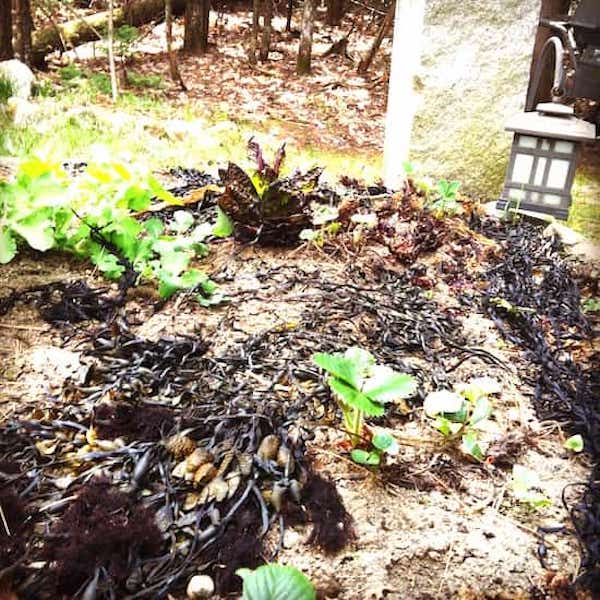
If you live near the sea, take advantage by collecting seaweed scraped from the beach. Spread a thick layer (about 3 to 4 cm) around the plants you want to protect. Besides repelling slugs, this seaweed naturally fertilizes the soil, offering a dual benefit for your garden!
14. Applying Diatomaceous Earth
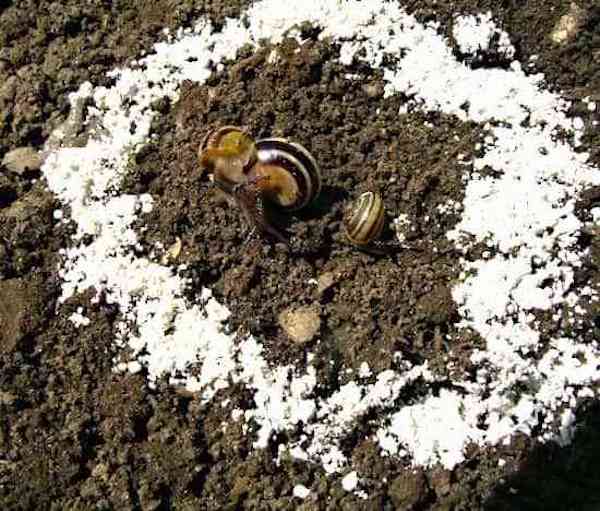
Diatomaceous earth is an abrasive powder made from fossilized algae. Applied around plants, it creates a rough barrier that slightly injures slugs and snails on contact, preventing their advance. Easy to use, it is a highly favored natural solution among eco-conscious gardeners.
15. Placing Lava Stones
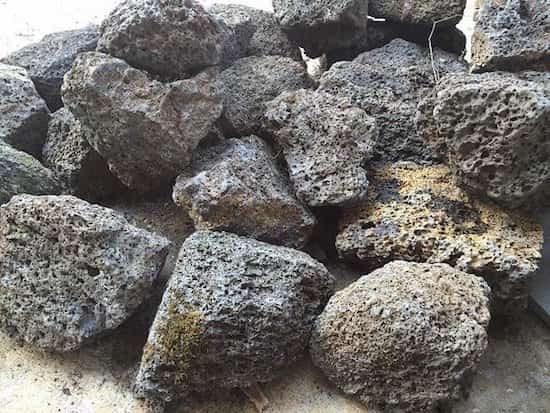
Similar to diatomaceous earth, lava stones have an abrasive surface that deters slugs. Place about ten stones around plants you wish to protect. However, maintain this border carefully to prevent soil or leaves from creating a bridge that slugs can use to cross easily.
16. Using Salt as a Last Resort
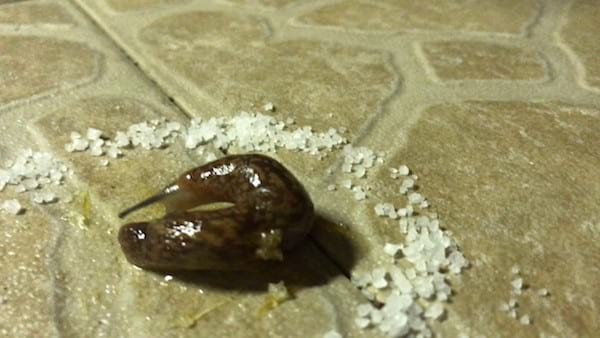
If all other methods fail, take a flashlight and locate slugs during the night. Once found, sprinkle a small amount of salt on them. This method is drastic and quickly kills the slug. Use caution, as this solution should be a last resort because it disrupts the ecosystem and can degrade soil quality if overused.
17. Spraying a White Vinegar and Water Mixture
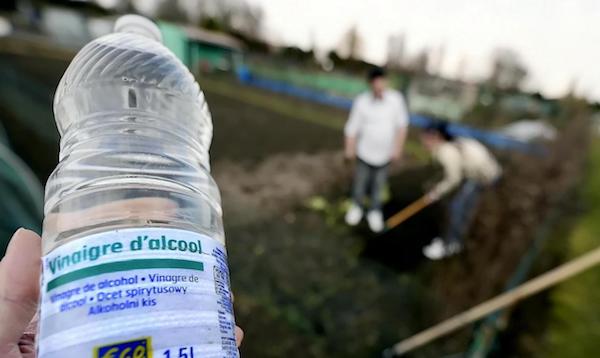
For the most desperate situations, mix equal parts white vinegar and water in a spray bottle. Spray this solution on the soil around plants or directly on the slugs. They will perish quickly. This method is harsh for animals and should be handled with care and used sparingly.
