
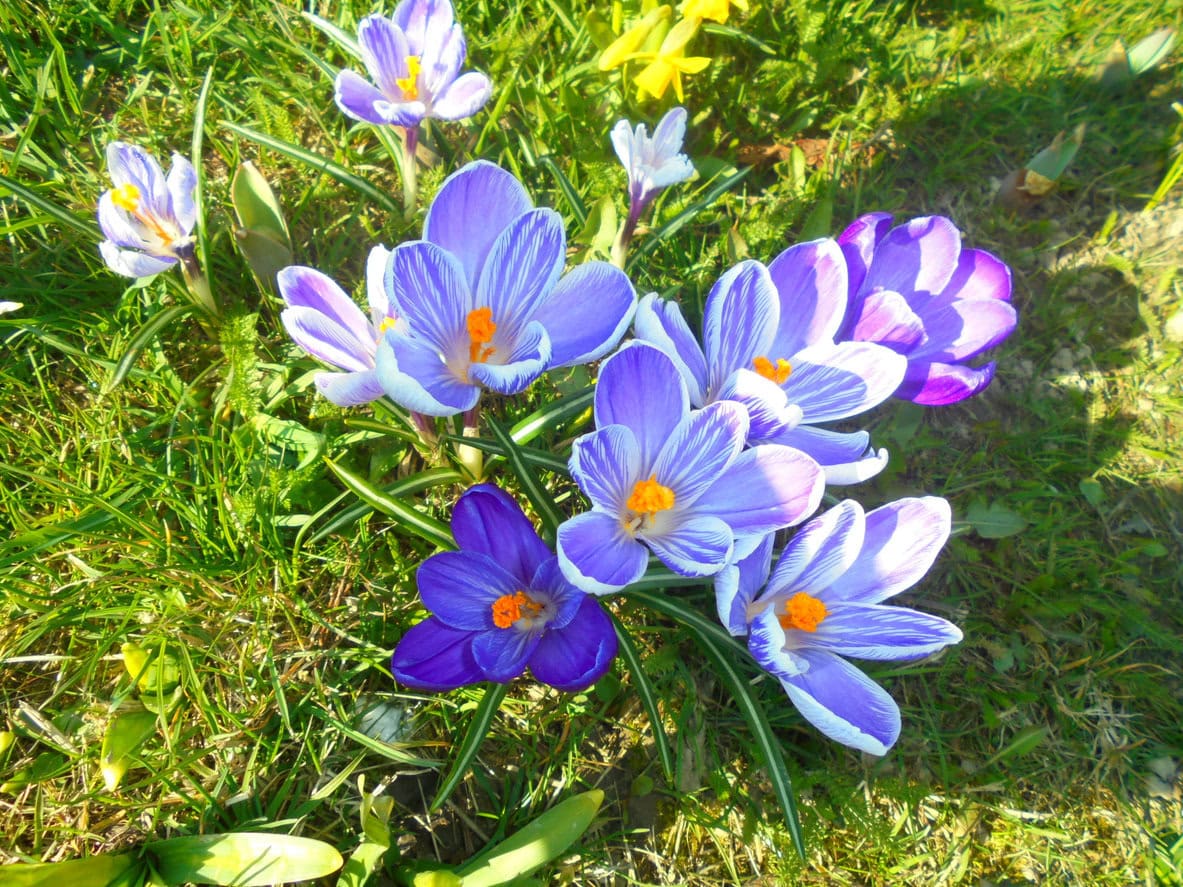
12 Winter-Defying Flowers You Can Plant in February
February can feel like winter’s encore—cold, gray, and stubbornly unimpressed by your desire for spring. But some plants are equally stubborn. They push through frost, shrug off bleak weather, and deliver the first real signs of life when the rest of the garden still looks asleep.
If you garden in a milder region where the soil is workable, February can be a perfectly sensible time to plant many early bloomers—especially dormant roots, bare-root plants, or nursery-grown perennials. Think of it as getting your flowerbed a head start while winter is still busy grandstanding.
Winter-Defying Flora for the Impatient Gardener
Staring at a frozen, brown yard doesn’t exactly inspire hope. That’s why early bloomers matter. They turn late winter into something you can actually look forward to—small, brave flowers that prove the season is shifting, even if the thermometer disagrees.
1. Hellebore (USDA Zones 6–9)
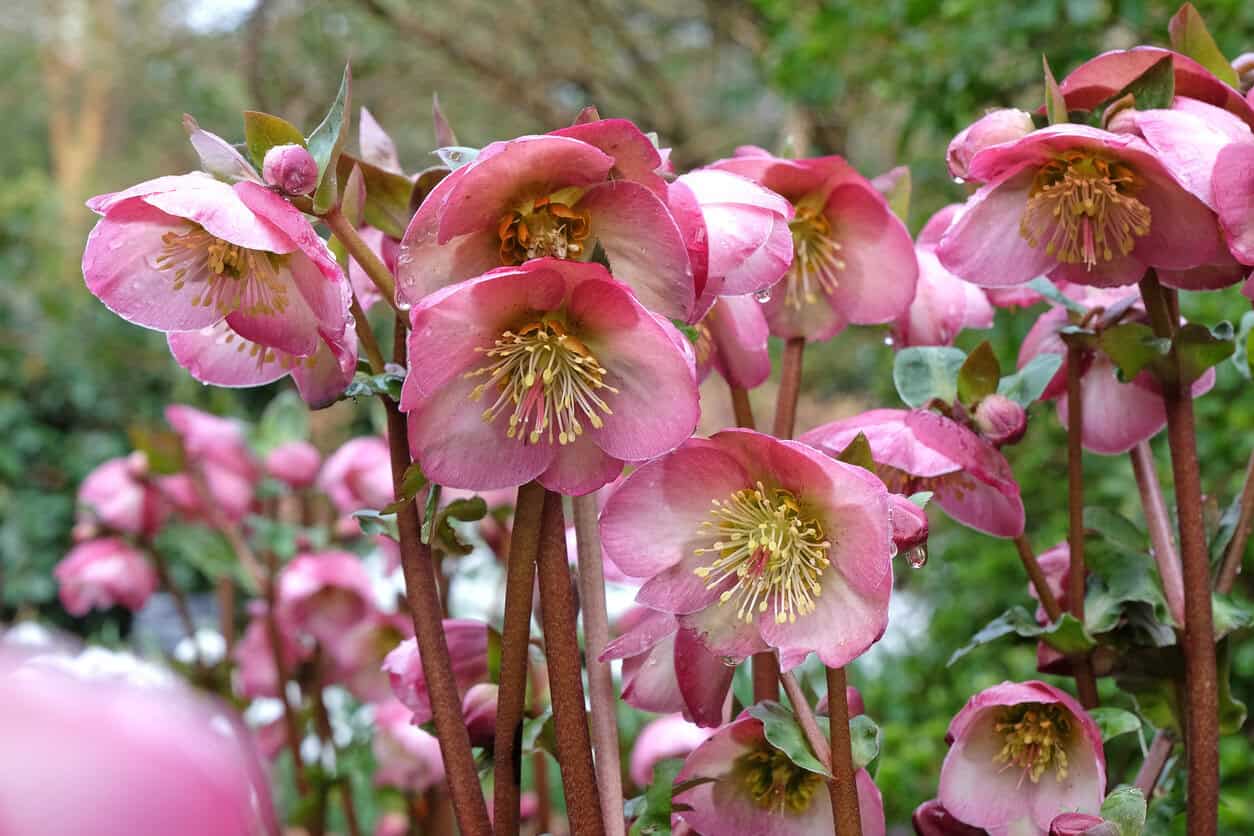

Hellebores are the quiet overachievers of late winter. Tuck them into shade—yes, even that gloomy corner where little else thrives—and they’ll reward you with elegant, nodding blooms that can last for weeks or even months.
They’re evergreen in many climates and generally unbothered by deer and rabbits, which makes them feel like they come with their own security system. Keep soil evenly moist, especially during establishment, and they’ll become a reliable winter-to-spring bridge.
Quick tip: Plant hellebores slightly high, leaving the crown just above soil level. Mulch around it rather than over it—winter wetness can cause crown rot if the plant sits too low.
2. Snowdrops (USDA Zones 6–9)
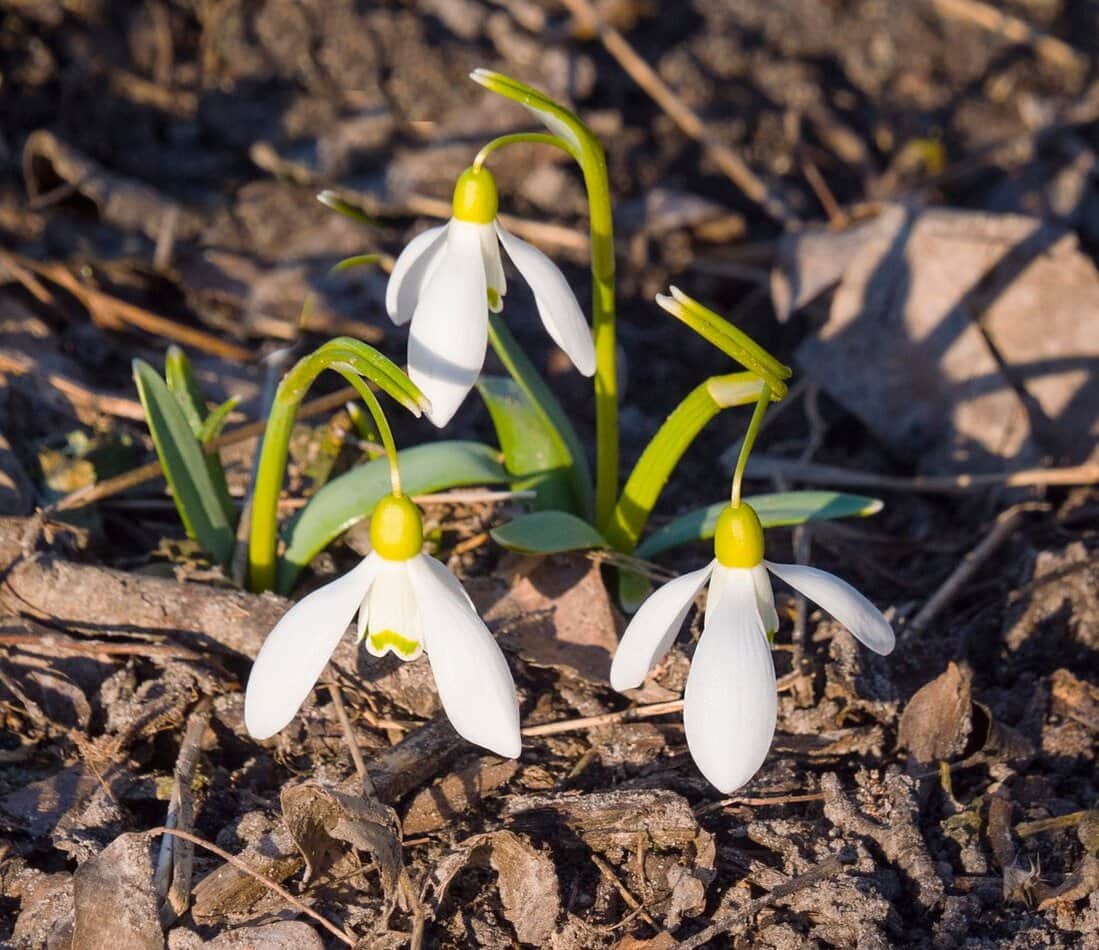
Snowdrops look delicate—tiny white bells nodding in the cold—but don’t be fooled. These bulbs are built to break through frozen ground and bloom while winter still thinks it’s in charge.
Plant them in generous drifts for the best effect, especially along pathways or under deciduous trees. Once established, they prefer not to be disturbed and will slowly multiply into cheerful late-winter carpets.
3. Winter Aconite (USDA Zones 6–9)
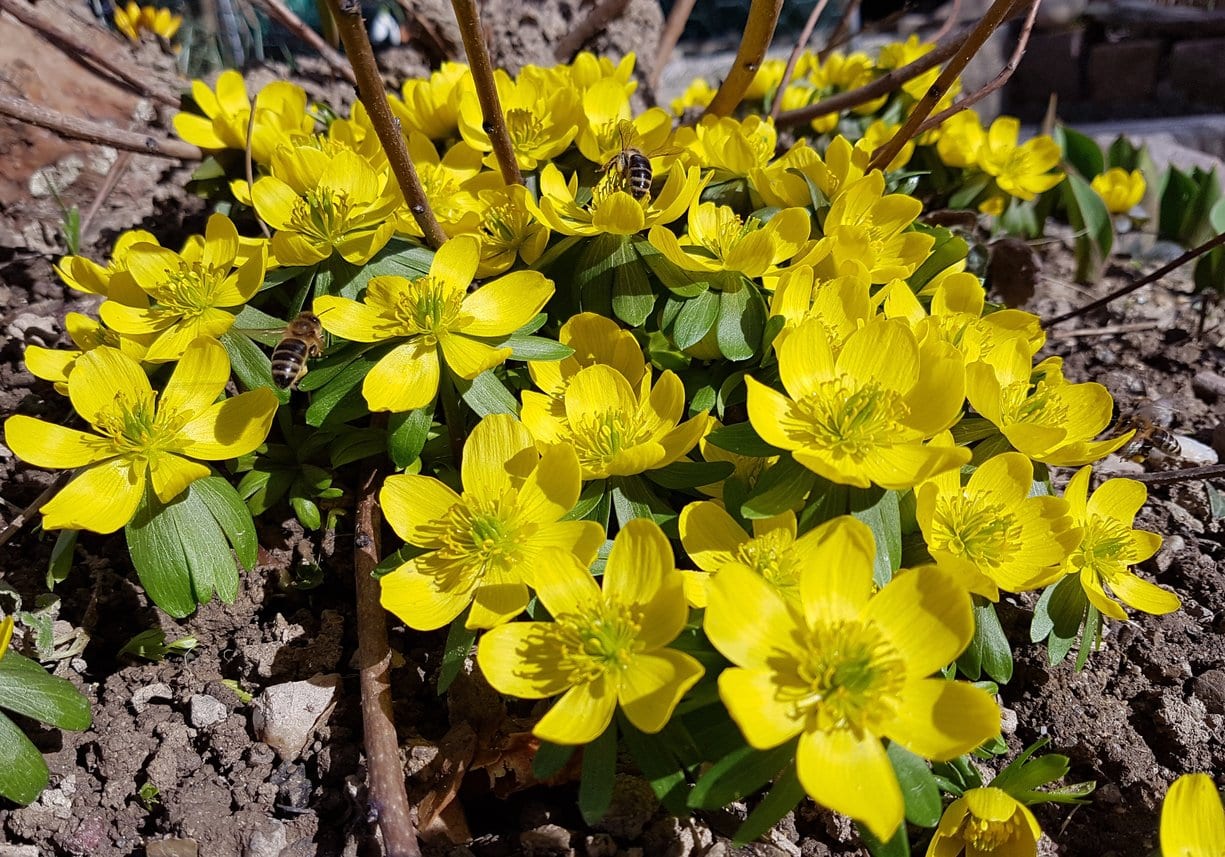
Winter aconite drops little yellow “sunbursts” onto the soil when everything else looks muddy and muted. It spreads when happy, forming bright colonies that shine under bare branches before trees leaf out.
It loves moist spring soil but goes dormant once summer arrives, at which point it prefers to be ignored. Let it naturalize under deciduous trees for a low-maintenance late-winter show.
4. Crocus (USDA Zones 6–9)
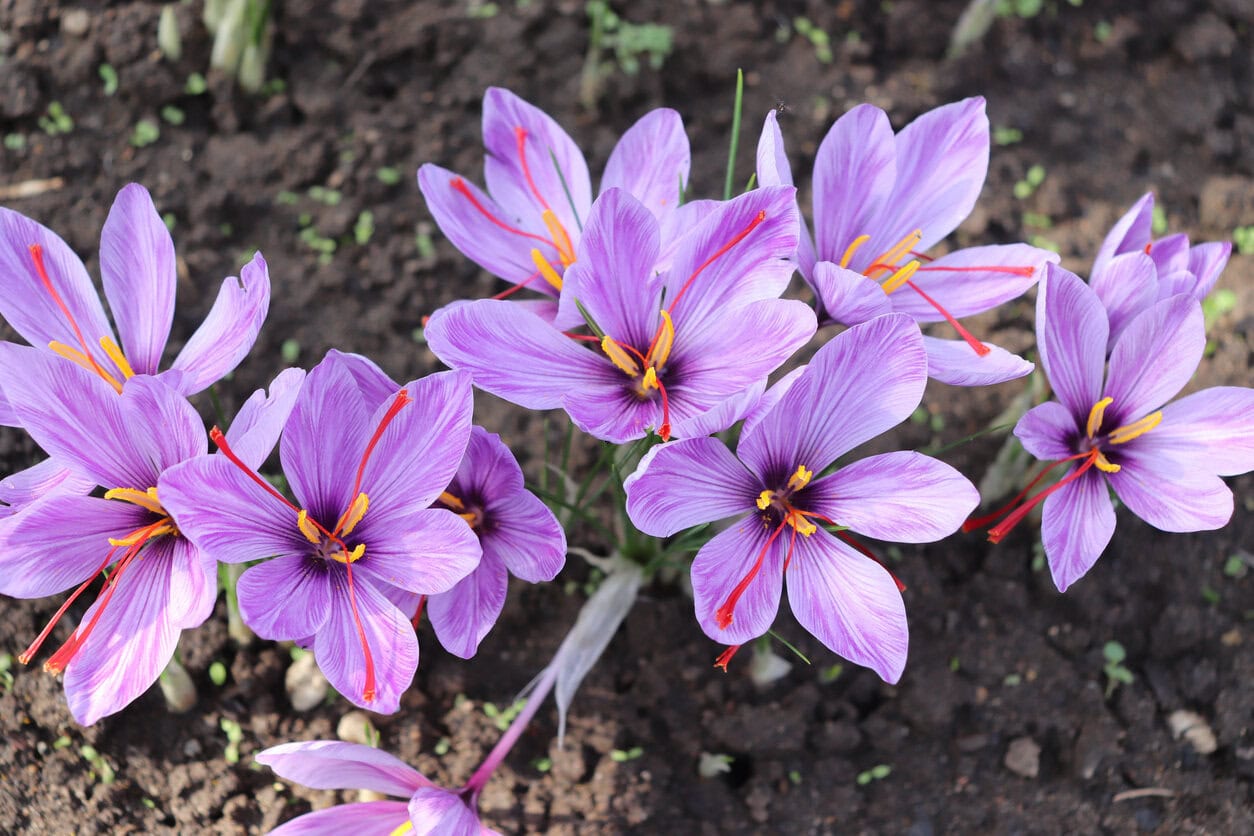
Crocus is a lifeline for early pollinators. When bees wake up to slim pickings, these purple, gold, and white cups provide a critical early-season buffet.
Scatter bulbs through lawns or borders for a naturalized look—just be prepared to delay mowing until the foliage yellows and fades. Those leaves recharge the bulb for next year’s blooms.
Quick tip: Don’t mow too early. Wait until the foliage turns completely yellow so the bulbs can store energy. It’s the difference between a few flowers and a full-on spring pop.
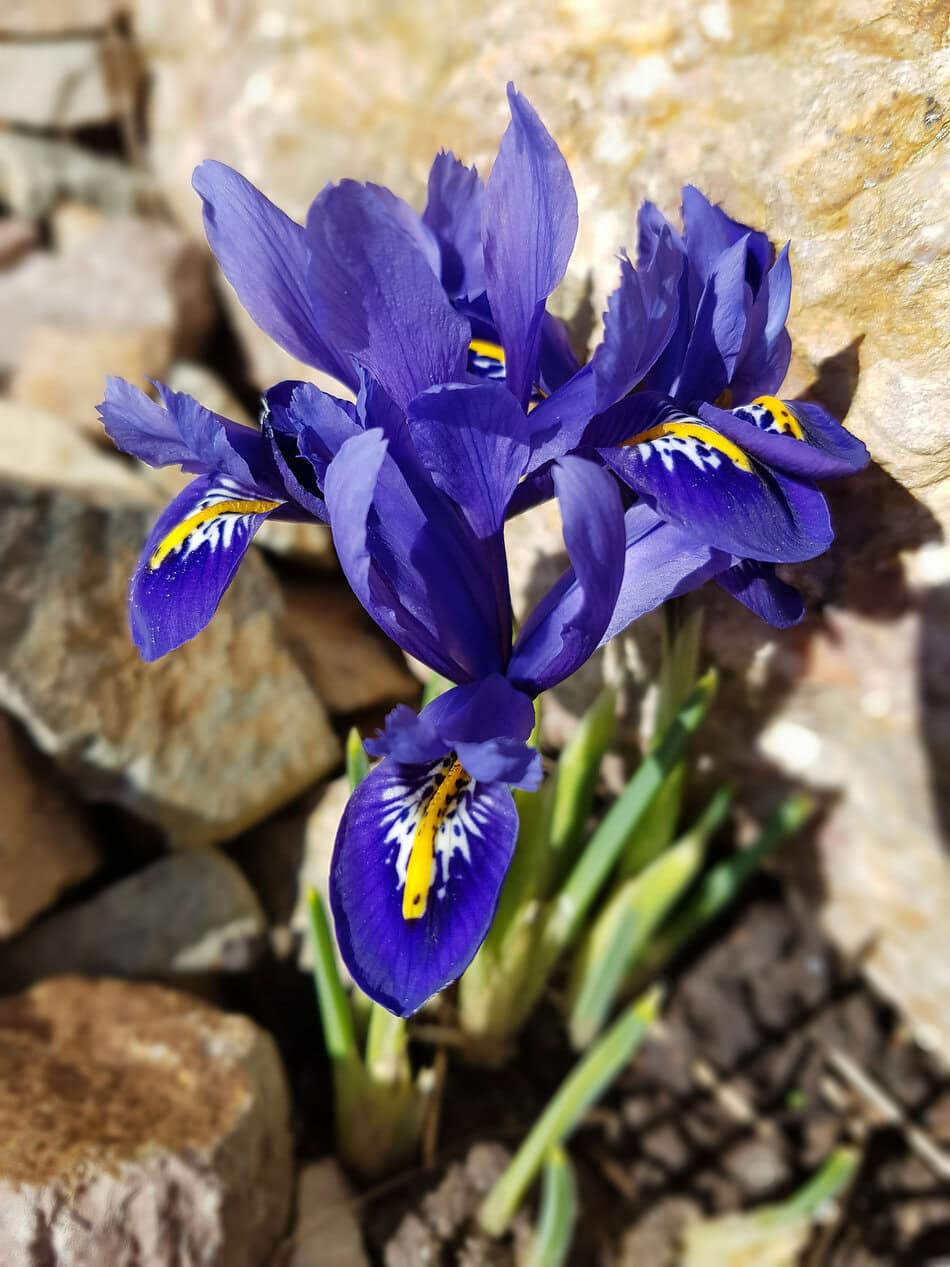
5. Iris reticulata (USDA Zones 6–9)
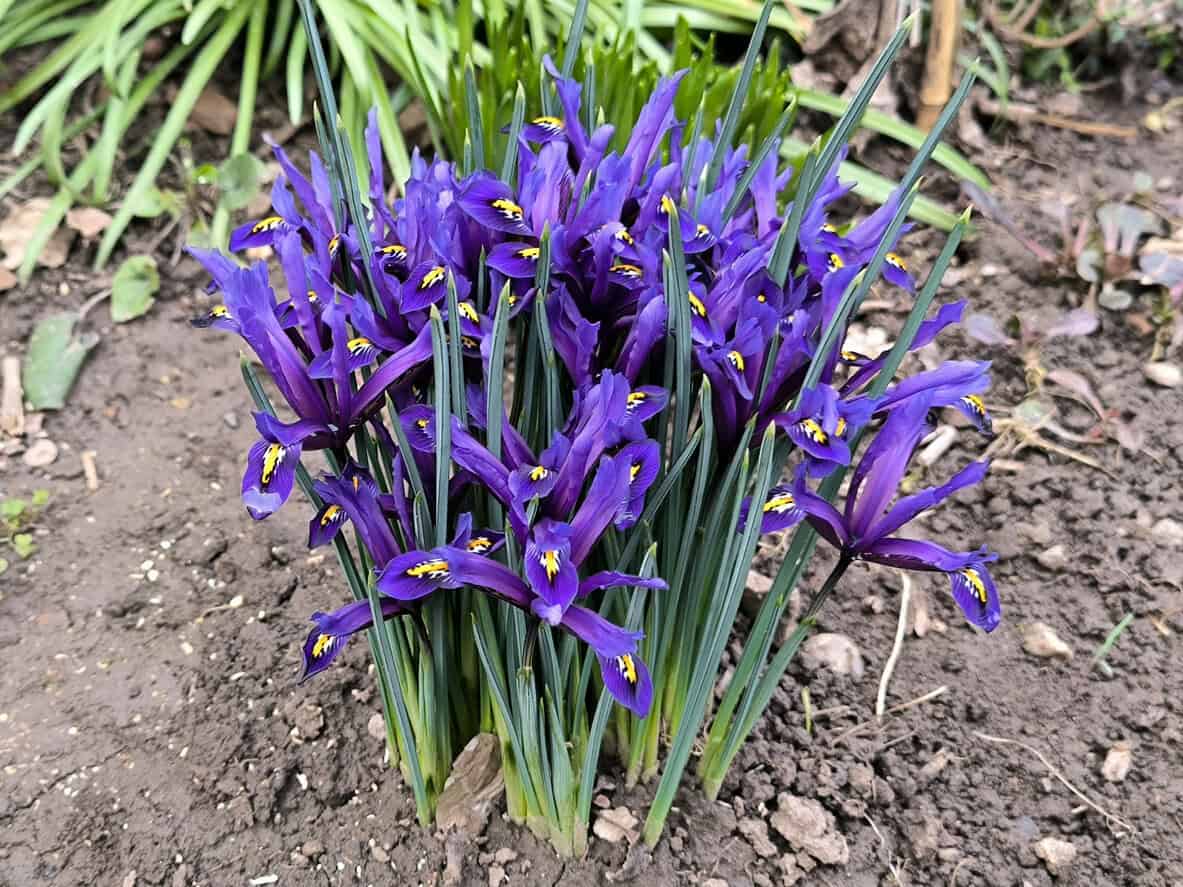
Iris reticulata may be small, but it shows up with serious style—velvety petals, rich color, and a confident presence that feels oversized for its height.
Its biggest demand is drainage. These bulbs want “dry feet,” especially in winter, so plant them in gritty soil, raised beds, or sloped areas where water won’t linger.
Quick tip: If your soil holds moisture, plant on a slight mound or slope. Even good soil can stay too wet in winter, and these bulbs can rot quickly if water pools.
6. Primrose (USDA Zones 7–9)
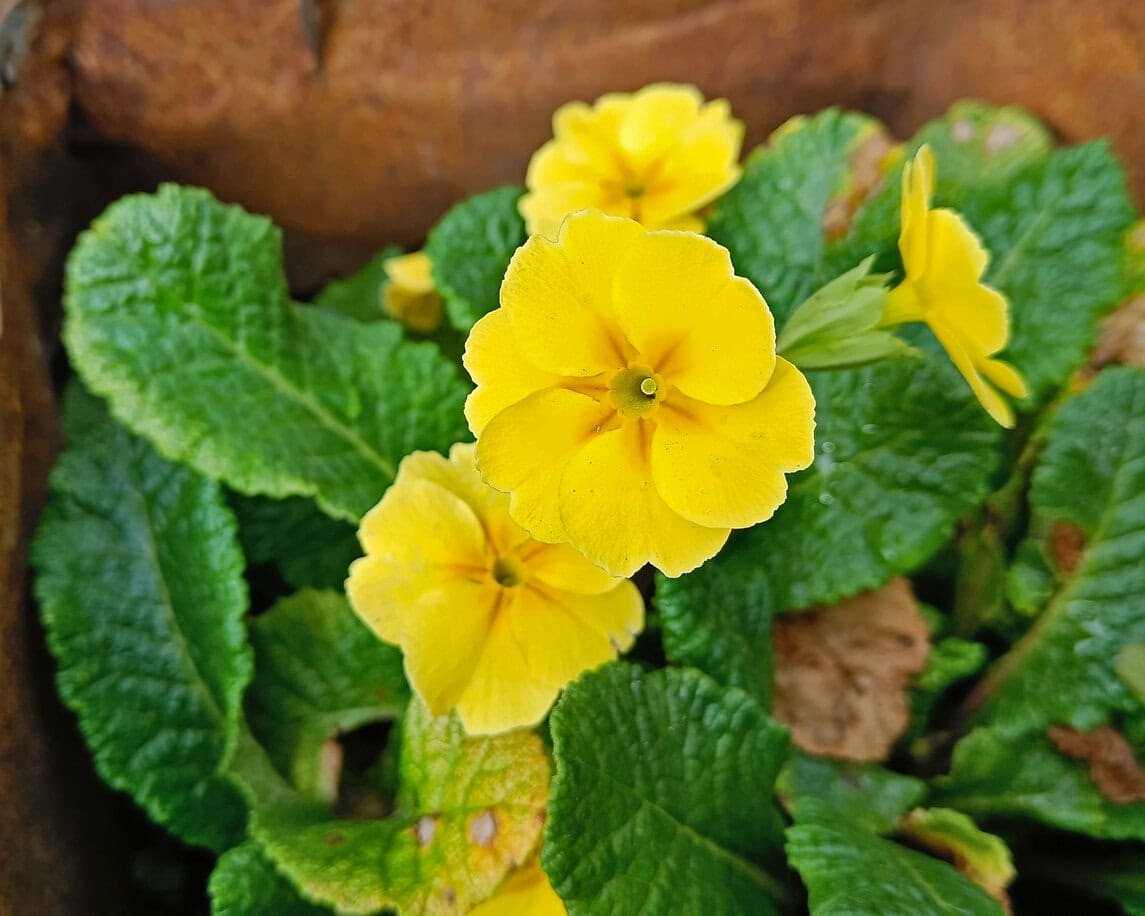
Primrose brings instant color to a bleak season—bold, saturated blooms that feel like flipping the garden’s lights back on. It thrives in cool, moist spring weather and looks fantastic at the front of borders or in containers.
Moist is great; soggy is not. Give it well-drained soil that stays lightly damp, and it will keep pumping out cheerful blooms.
Quick tip: Shield primrose from intense summer sun. Morning light and afternoon shade helps it stay happy longer.
7. Lungwort (USDA Zones 6–9)
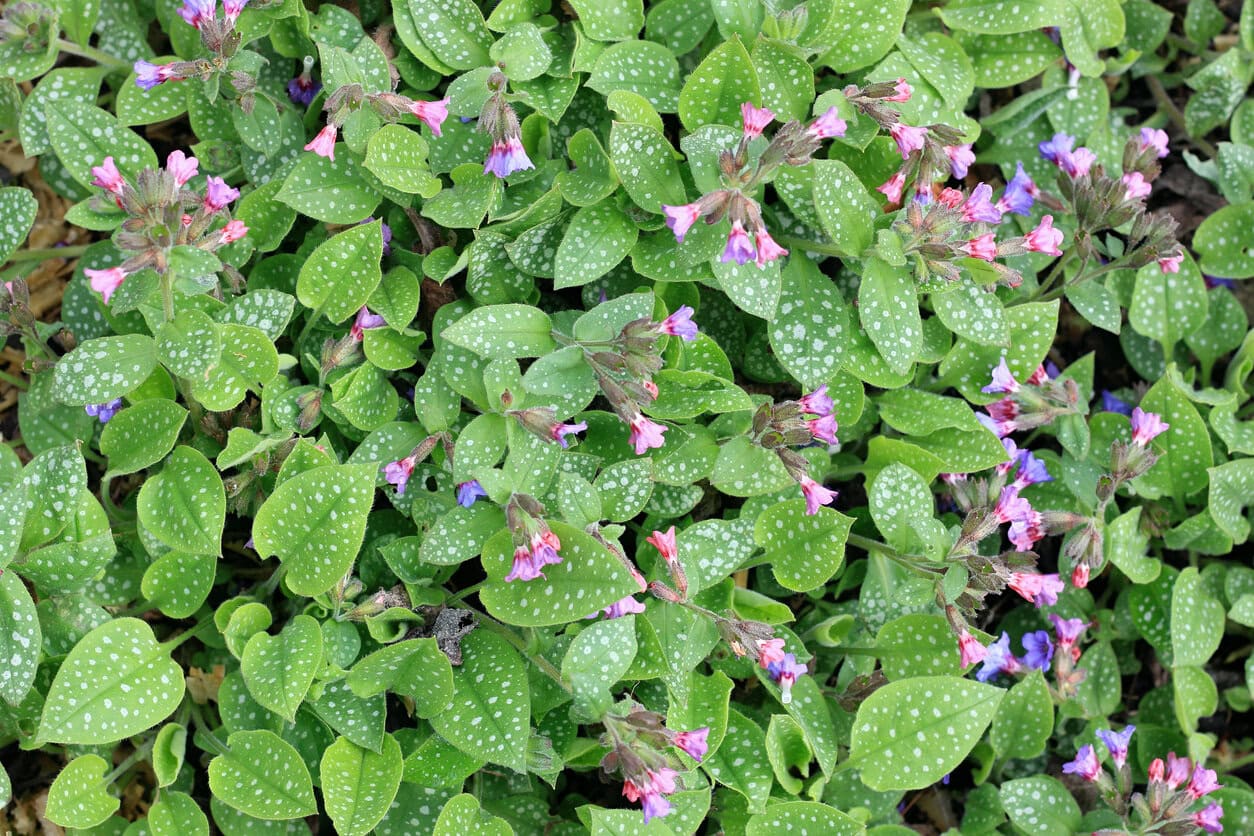
Lungwort earns its place in the early-bloomer lineup with both flowers and foliage. The blooms often shift from pink to blue as they mature—an eye-catching detail that also helps pollinators track which flowers are worth visiting.
It thrives in cool shade with lightly moist soil, and its fuzzy, textured leaves tend to discourage deer. If you have a shaded spot that feels tricky, lungwort is a smart, hardworking choice.
Fun fact: The spotted leaves inspired old folklore and its unfortunate name. Today it’s best appreciated as a resilient, early-season pollinator plant—leave the “medicine” to modern science.
8. Pasqueflower (USDA Zones 6–9)
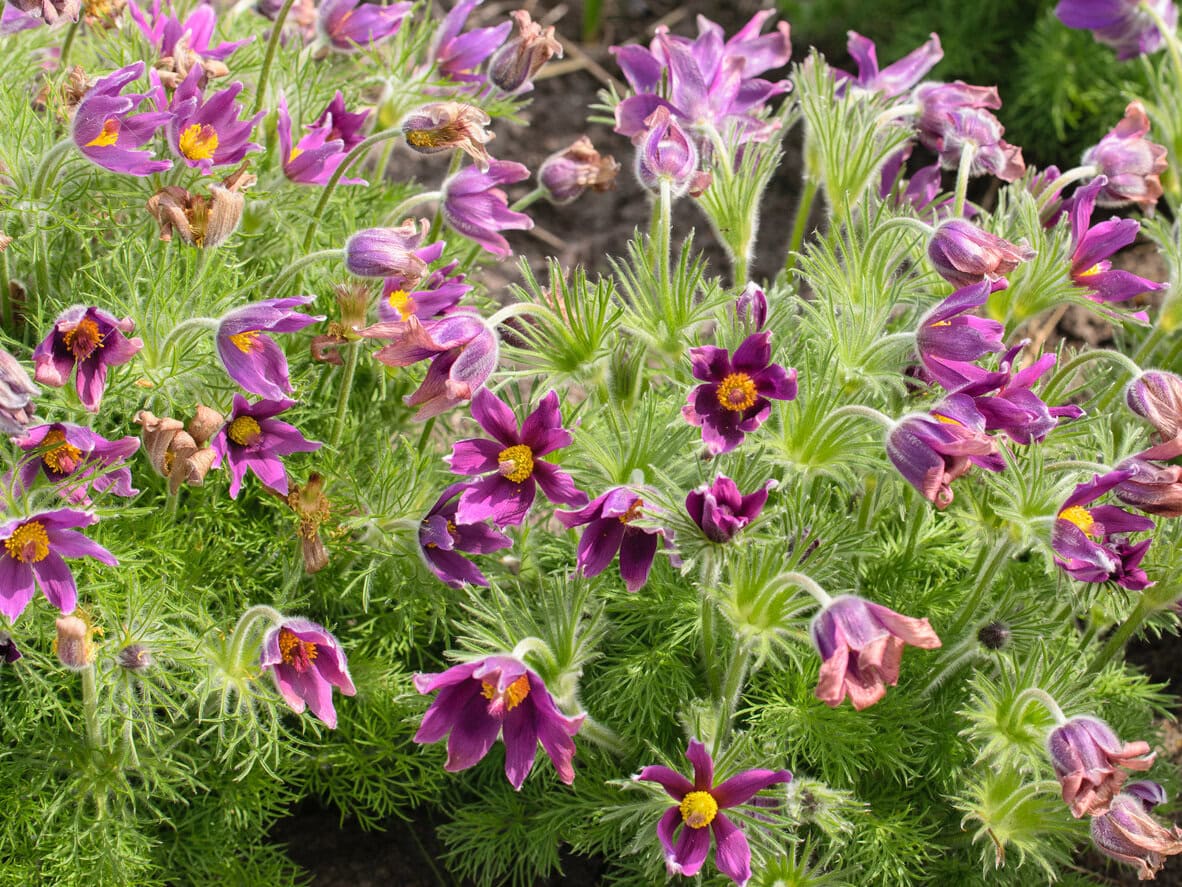
Pasqueflower looks like it’s wearing a winter coat: fuzzy stems, silky hairs, and a tough, wind-resistant build. It’s made for late frosts and cold snaps, blooming early and holding its ground.
Once established, deep roots help it tolerate summer drought. Choose a permanent sunny spot—this is not a plant that appreciates being moved.
9. Bergenia (USDA Zones 6–9)
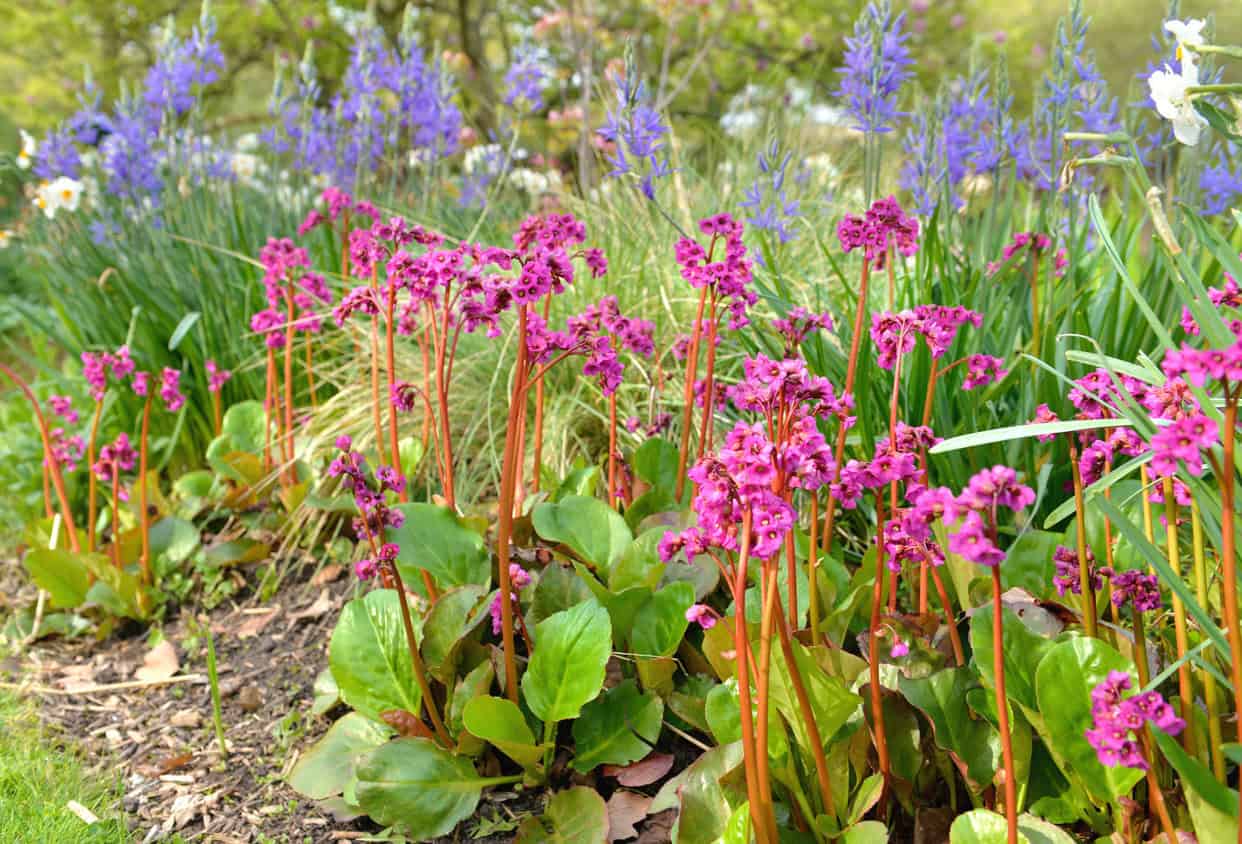
Bergenia is a dependable workhorse with thick, leathery leaves that handle cold weather with ease. In late winter or early spring, it sends up clusters of flowers while its foliage stays bold and sturdy.
It’s happiest in sun to partial shade with moderately moist, well-drained soil. If you want a plant that looks good even when the garden is half asleep, bergenia is a strong bet.
Quick tip: Use bergenia as a border problem-solver. It tolerates frost, shade, and a bit of neglect better than most perennials.
10. Wallflower (USDA Zones 7–9)
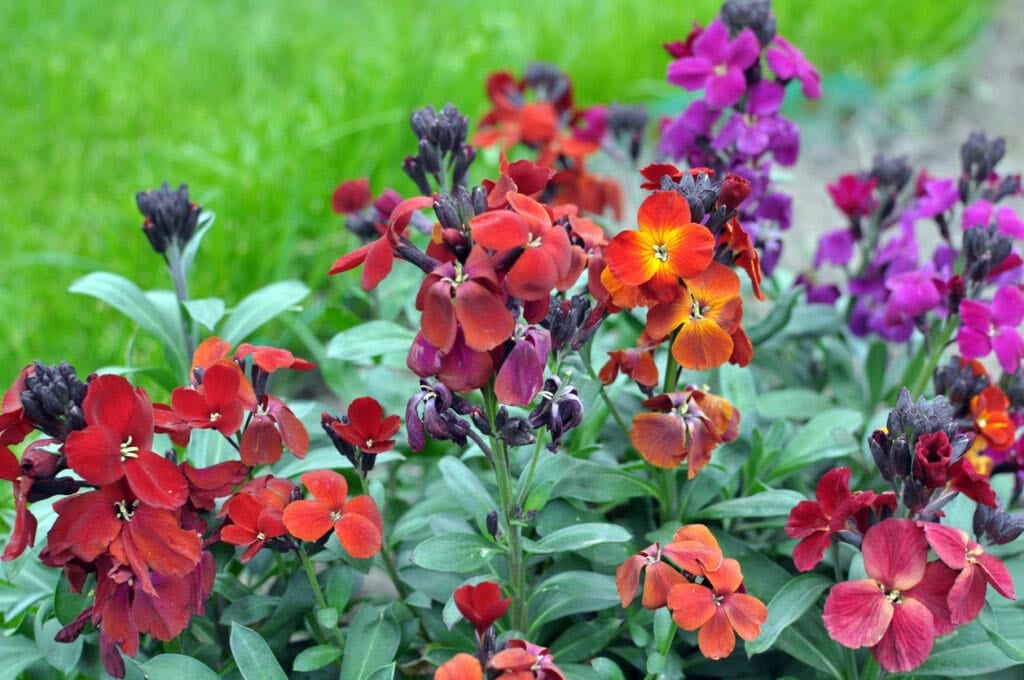
Wallflowers bring fragrance and color, often thriving in tough spots like rocky borders and cracks near paths or stonework. They prefer lean soil and sharp drainage over rich, pampered beds.
Many behave as short-lived perennials or biennials, but they often reseed themselves and return with quiet persistence. The scent alone can make them worth the space.
11. Bleeding Heart (USDA Zones 6–9)
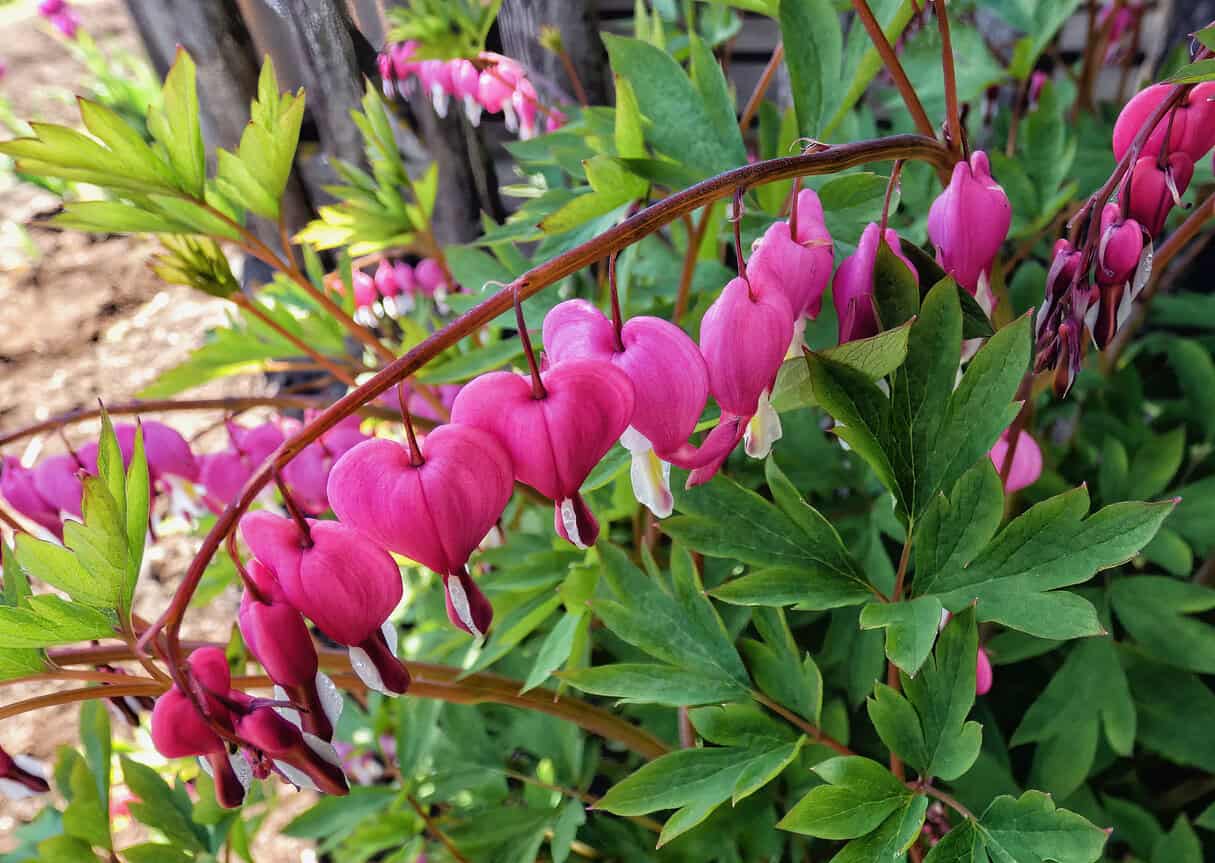
Bleeding heart is a spring showstopper—arching stems lined with heart-shaped blooms—but it comes with a plot twist. Once summer heat settles in, it often dies back and disappears, leaving a gap behind.
That brief, spectacular performance is still worth it, especially in shade or woodland-style gardens. Plan around its midsummer exit and it becomes a favorite rather than a frustration.
Quick tip: Plant bleeding hearts behind later-emerging perennials so something else fills in once they go dormant.
12. Violets (USDA Zones 6–9)
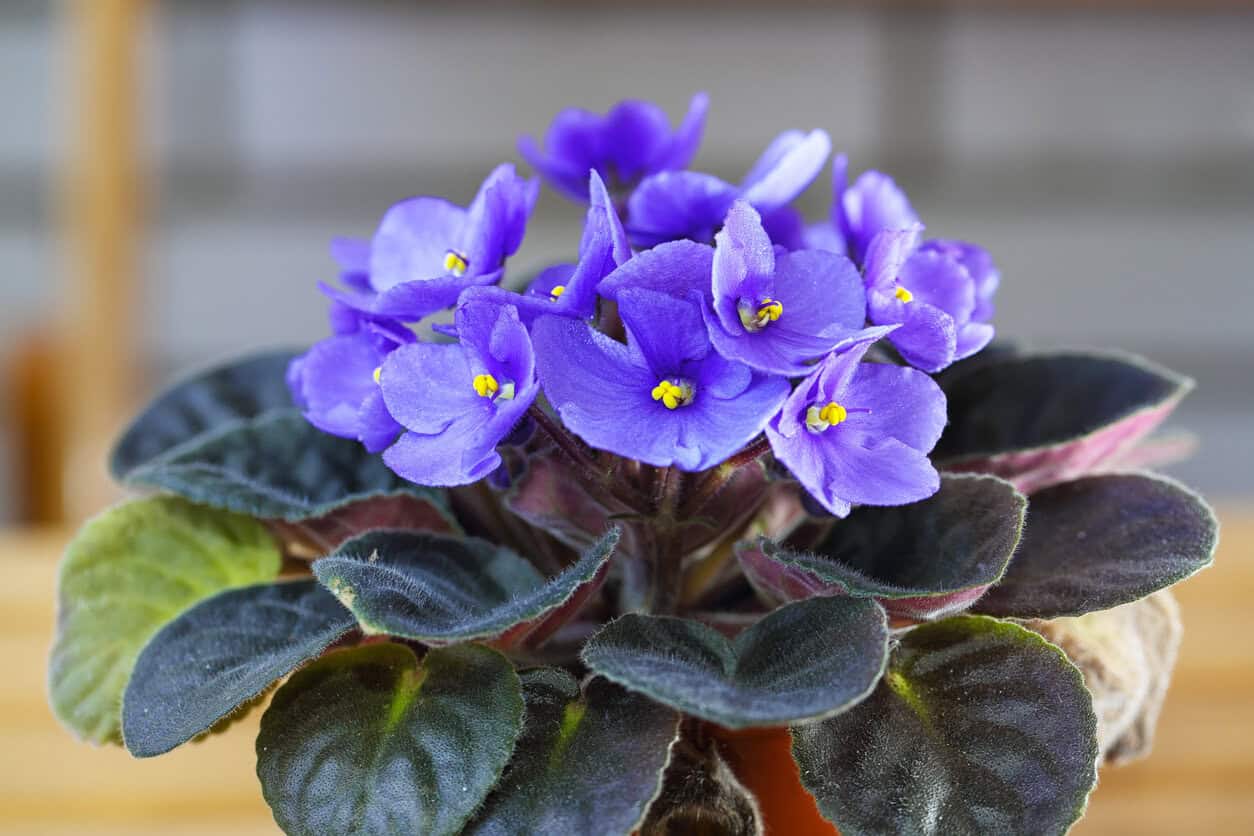
Violets are small, fragrant, and surprisingly tough. They often announce themselves with scent before you even spot the blooms, and they spread steadily once established.
They tolerate sun or partial shade and adapt to a wide range of conditions—from dry lawn edges to lightly moist borders. If you like low-maintenance charm (and don’t mind a bit of enthusiasm), violets deliver.
Rooted in February Reality
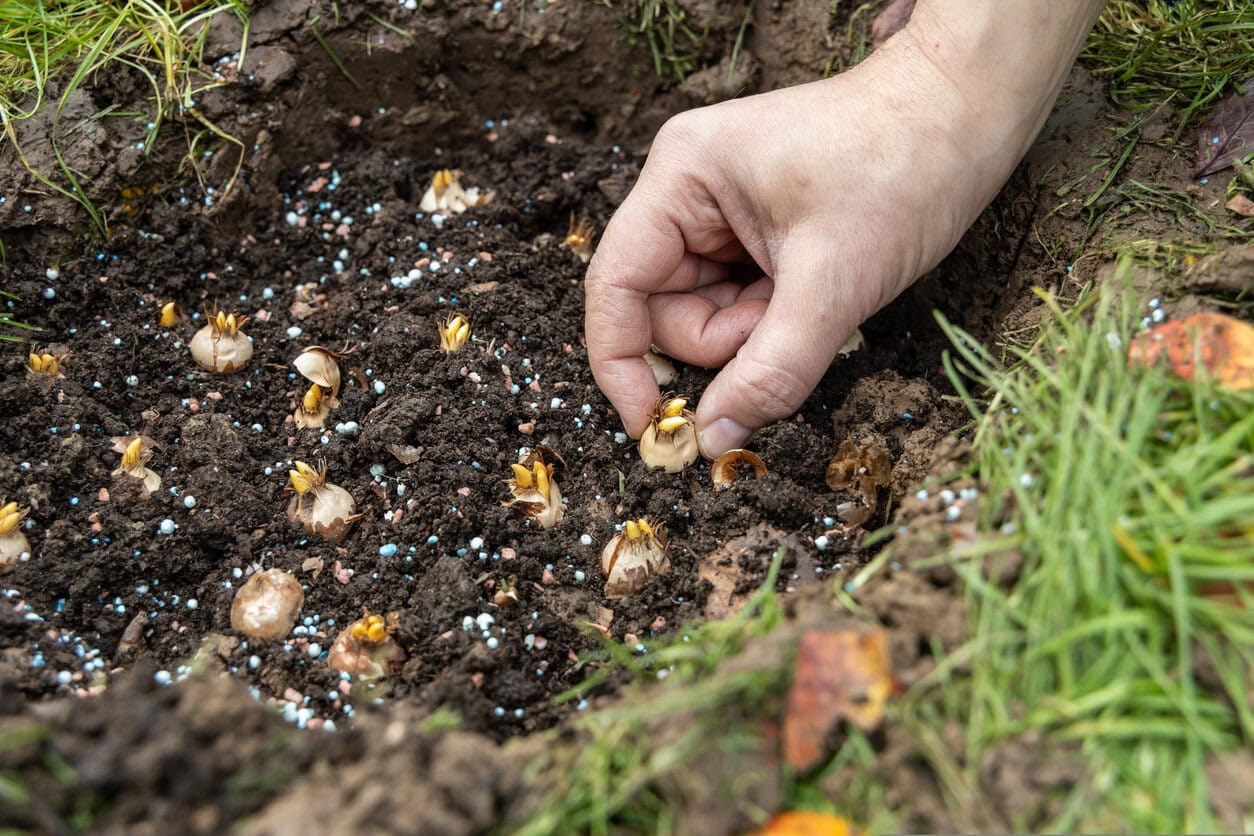
February doesn’t bend to your optimism—but these plants don’t bend to February, either. If your soil is workable, you can stack your garden with early bloomers that thrive on cold weather and reward you with the first real signs of spring.
Expect a little unpredictability, a few weather curveballs, and a lot of determined growth. In late winter, a garden that fights back is far more satisfying than one that waits politely.
