
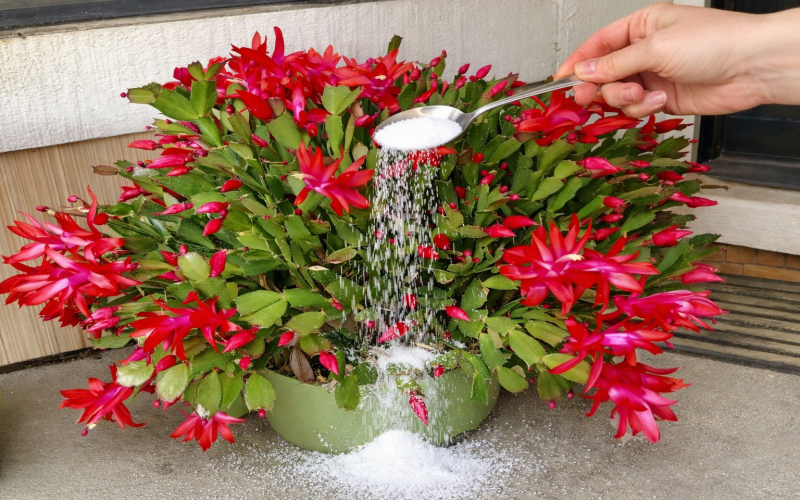
Epsom salt, scientifically known as magnesium sulfate (MgSO₄), is a naturally occurring mineral compound. It takes its name from the town of Epsom in Surrey, England, where it was first discovered in mineral springs. Composed of magnesium, sulfur, and oxygen, it has long been used in households—but in the garden, it truly shines.
Often overlooked as just a household staple, Epsom salt is a powerful ally for gardeners, offering a natural and affordable way to support plant health and encourage stronger growth.
Boosts Magnesium Levels
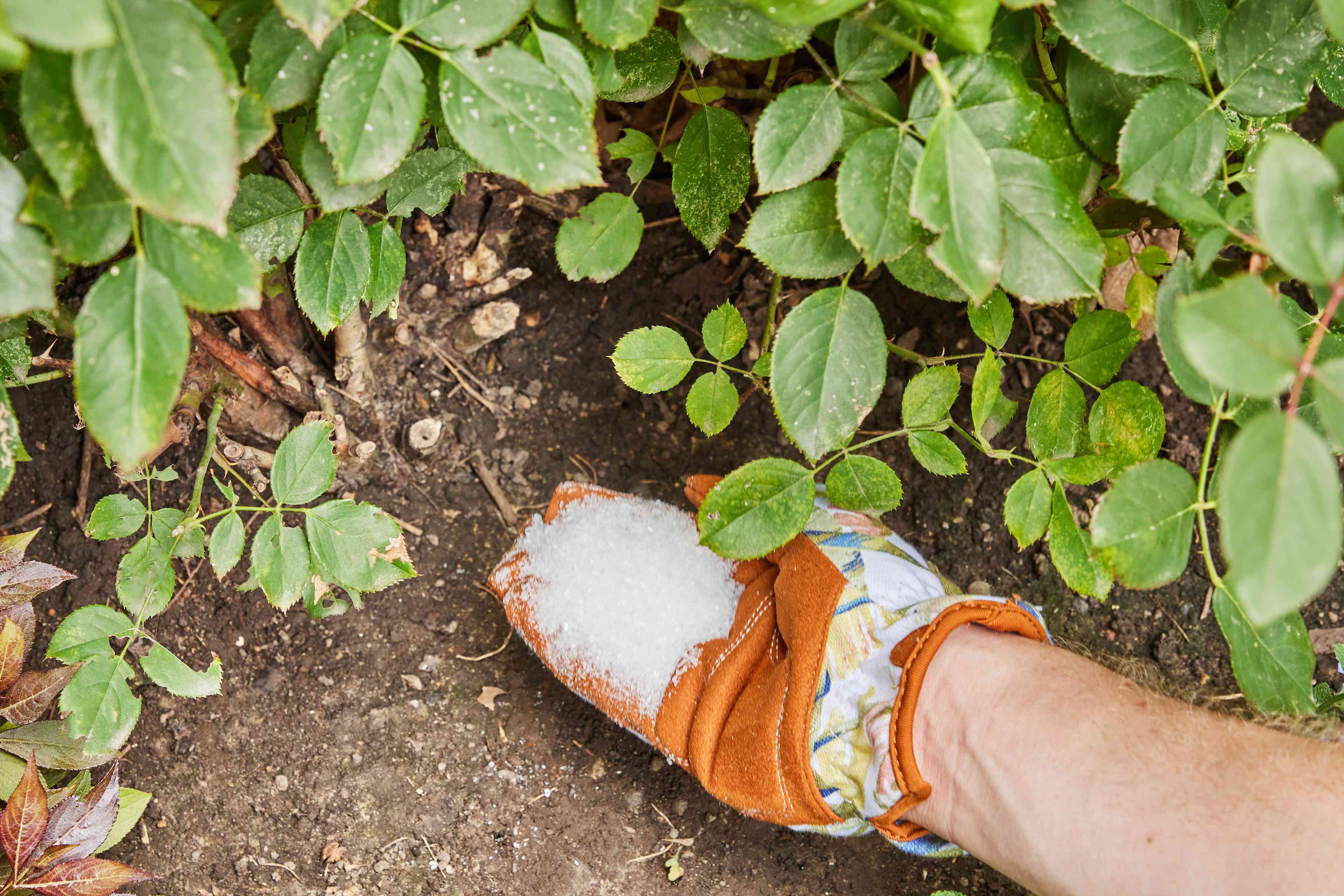
Magnesium plays a critical role in plant health because it is essential for producing chlorophyll, the pigment that gives leaves their green color and allows photosynthesis to occur.
When plants lack magnesium, they often develop interveinal chlorosis, where leaves turn yellow between the veins. Because Epsom salt is a direct source of magnesium sulfate, it offers a fast and effective solution.
Dissolving one tablespoon of Epsom salt in a gallon of warm water and spraying it onto the leaves can quickly restore vitality, often with visible results in just days.
Enhances Nutrient Absorption
Magnesium doesn’t just benefit plants on its own—it also helps them absorb other essential nutrients more efficiently, including nitrogen and phosphorus.
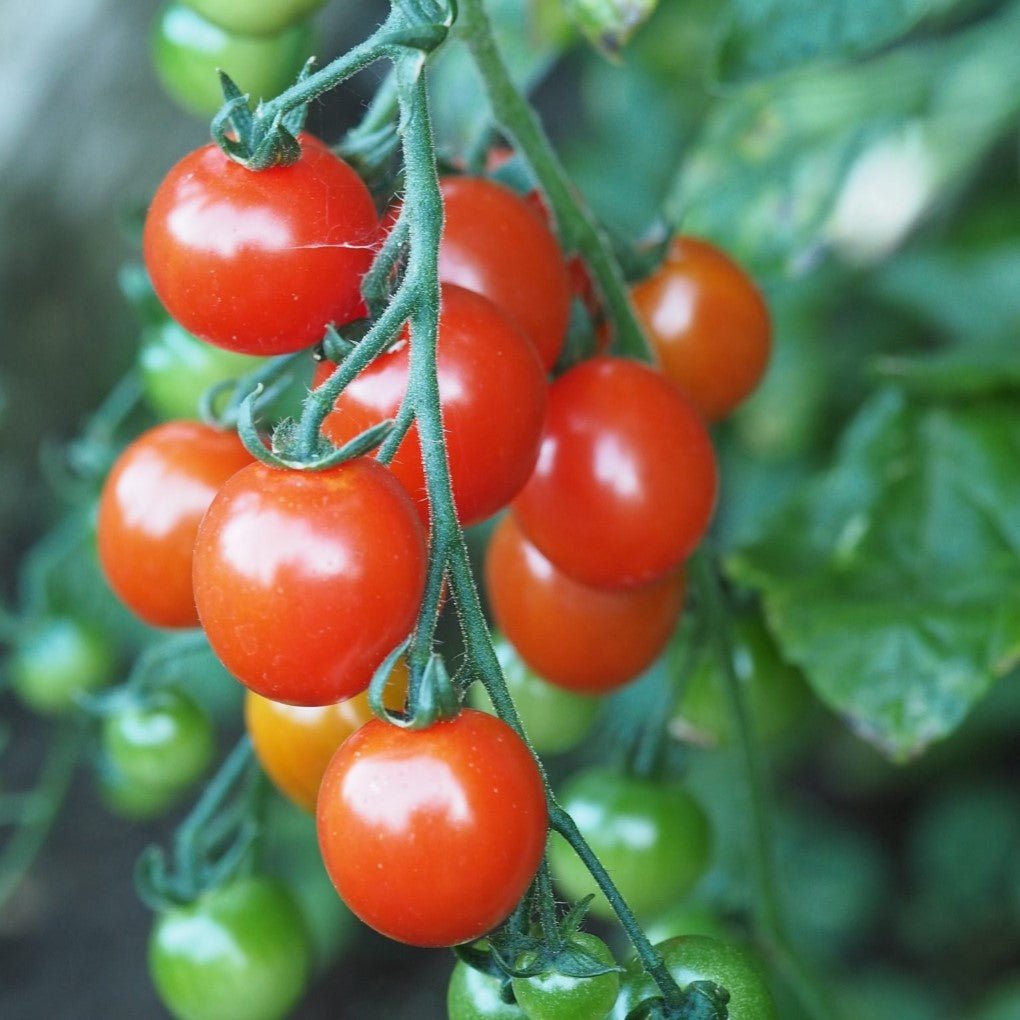
Many gardeners notice improved results after using Epsom salt. Healthier foliage, juicier tomatoes, and more abundant blooms are common signs that plants are making better use of the nutrients already present in the soil.
Improves Seed Germination
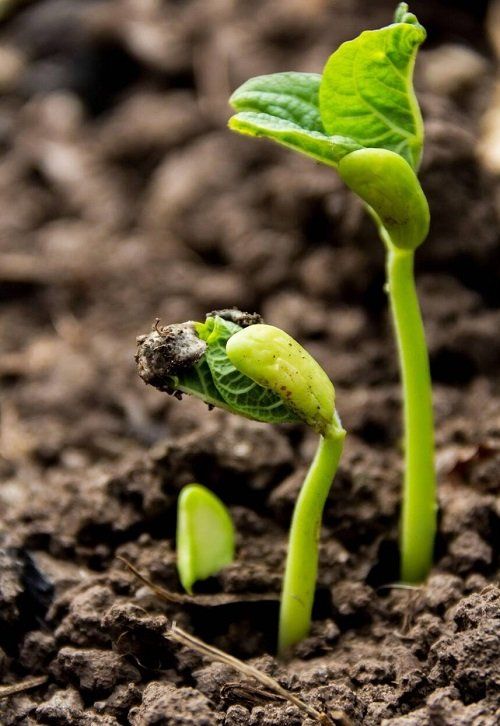
Magnesium supports early plant development by improving seed germination rates and strengthening young seedlings.
Epsom salt enhances photosynthesis, allowing seedlings to convert sunlight into energy more efficiently. Adding a small amount to the soil ensures seeds have access to magnesium from the very beginning, giving them a healthier start.
Promotes Flowering and Fruiting
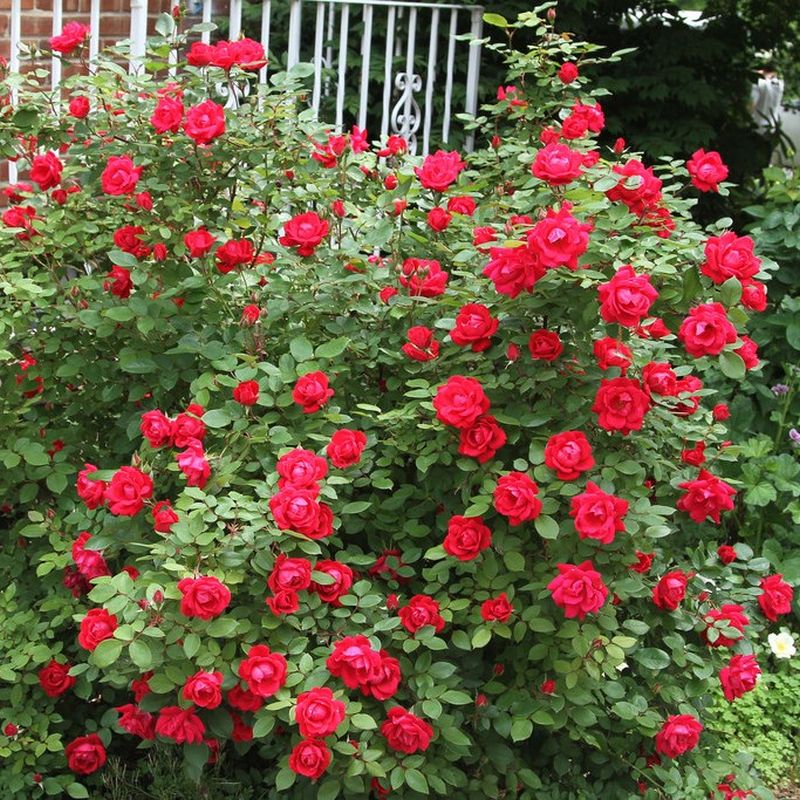
With improved nutrient uptake and energy production, plants are better equipped to produce flowers and fruit.
Magnesium helps plants generate more food internally, which translates into brighter blooms and more generous harvests throughout the growing season.
Improves Soil Nutrients
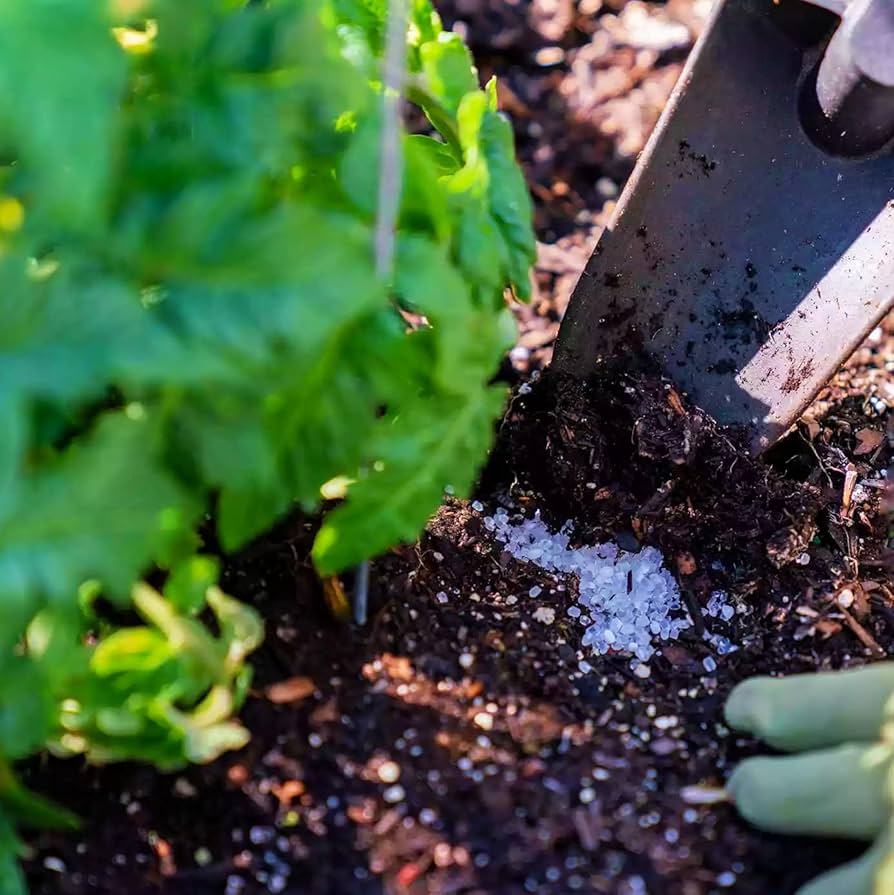
Epsom salt doesn’t just nourish plants directly—it also improves the soil environment.
By enhancing nutrient availability, it acts like a gateway that allows plants easier access to what the soil already contains. Healthier soil leads to stronger roots, more resilient plants, and better overall garden performance.
Reduces Transplant Shock
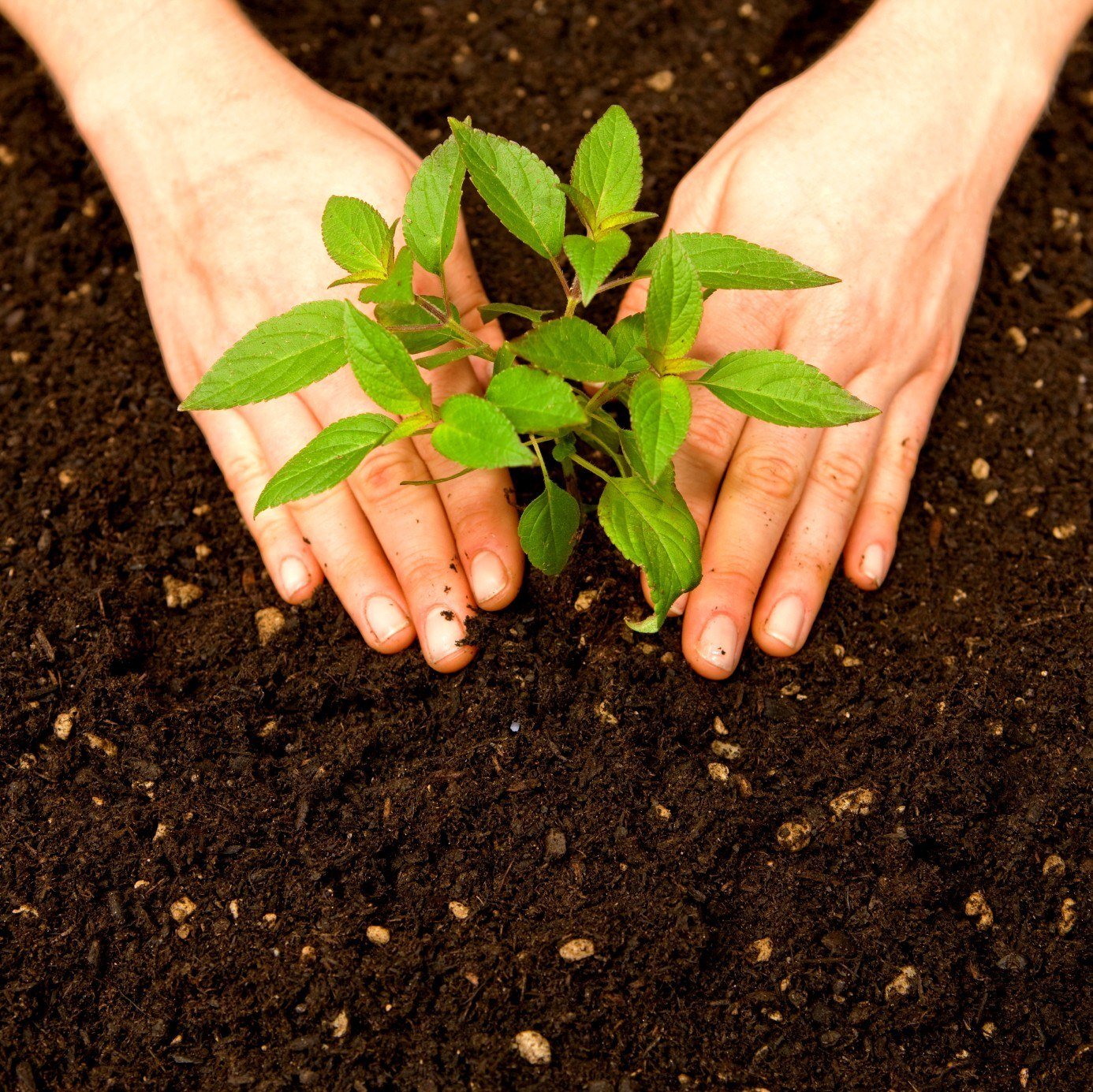
Transplanting can stress plants as they adjust to new surroundings. Epsom salt helps reduce this shock by supporting chlorophyll production and encouraging steady growth.
Adding a small amount to the soil or watering solution can help plants adapt more smoothly and recover faster after being moved.
Helps Repel Pests
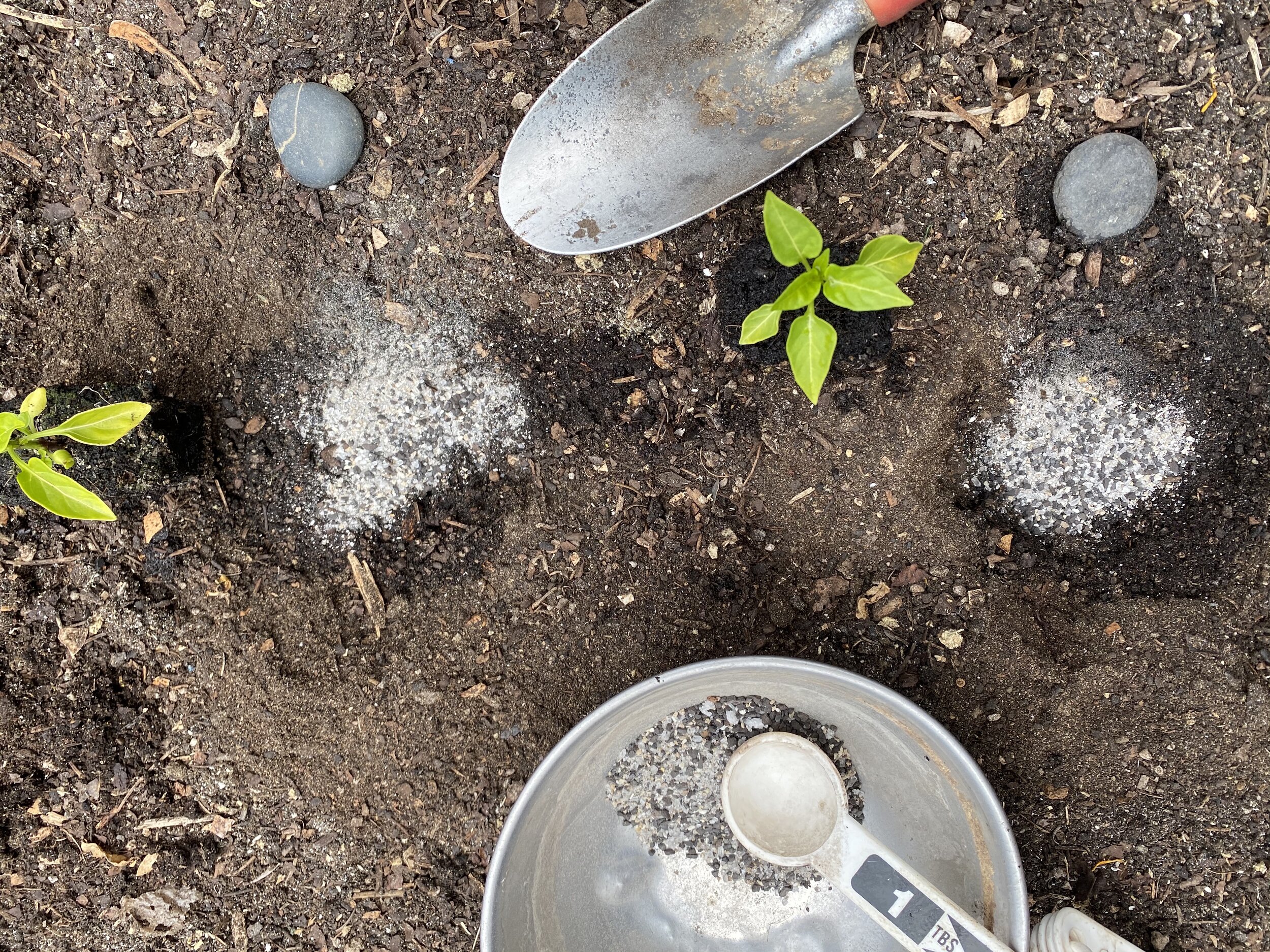
Magnesium sulfate is unpleasant to many common garden pests, including slugs and beetles.
Sprinkling Epsom salt around plants can discourage these insects. Larger pests such as deer and raccoons may also avoid treated areas due to the taste and smell.
Helps Keep Lawns Green

Lawns can benefit from magnesium just as much as garden plants. Epsom salt strengthens grass growth and improves nutrient absorption at the root level.
The result is a lawn that looks greener, denser, and healthier from the ground up.
How to Use Epsom Salt Correctly
Dissolve one tablespoon of Epsom salt in a gallon of water and apply it directly to the soil or use it as a foliar spray.
For best results, apply every four to six weeks during the growing season. Always begin with a soil test to confirm that magnesium is needed, and ensure proper drainage to prevent salt buildup.
Moderation is key. Overuse can cause nutrient imbalances, so follow recommended amounts and avoid excessive applications.
