
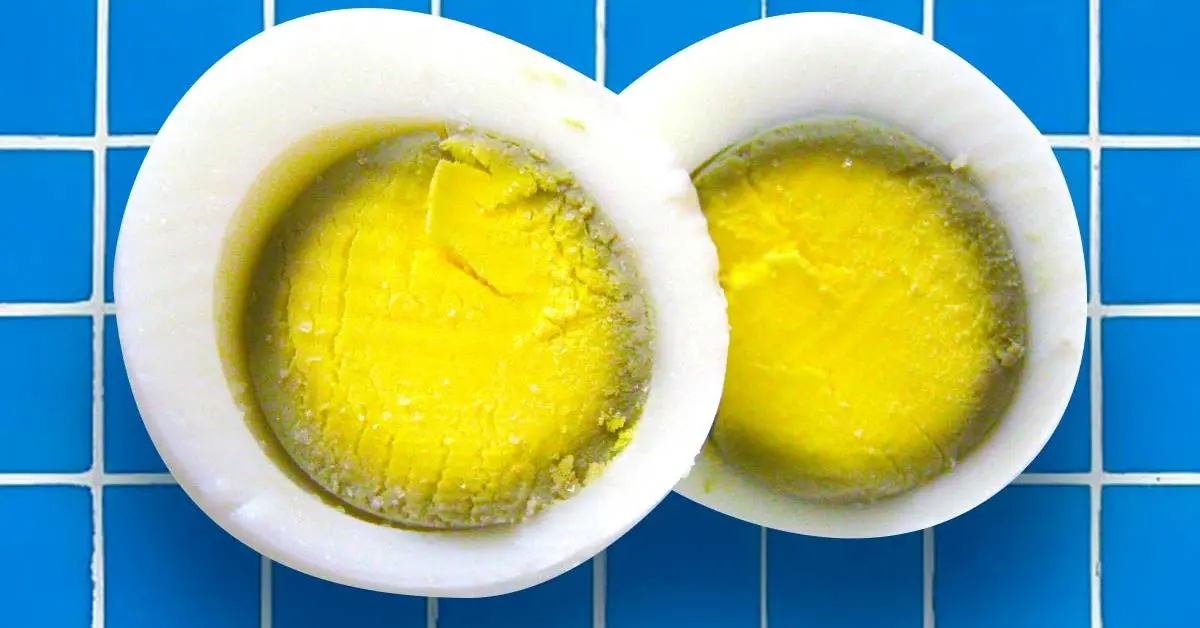
Whether in a sandwich, as an appetizer, or tossed into a salad, hard-boiled eggs are a versatile staple in everyday meals. But if you’re a fan of this cooking method, you’ve probably noticed a curious greenish ring around the yolk. What does it mean? Is it safe to eat? Here’s everything you need to know — plus extra tips to make your eggs even better.
Why Are Hard-Boiled Eggs a Great Option?
Hard-boiled eggs are a quick and nutritious alternative to frozen meals or heavily processed snacks that many turn to for convenience. Packed with nutrients and flavor, eggs offer numerous health benefits and can be enjoyed in various forms.

Nutritional Benefits of Eggs:
Brain Booster: Rich in B vitamins, especially B12 and choline, eggs help support cognitive function, enhance memory, and improve concentration.
Bone Health: They contain essential minerals such as zinc, iron, phosphorus, and magnesium, all crucial for maintaining strong bones and preventing deficiencies.
Weight Management: Eggs are high in protein and low in calories, making them excellent for promoting satiety and aiding in weight loss or weight control.
Eye Protection: Eggs are a great source of lutein and zeaxanthin, antioxidants that protect the eyes from age-related degeneration and harmful blue light.
Heart Health: While once controversial, recent research shows that moderate egg consumption can fit into a heart-healthy diet, especially when balanced with fruits, vegetables, and whole grains.
What Causes the Green Ring Around the Yolk?
The green (or sometimes grayish) ring you see around the yolk is harmless — it’s simply a sign the egg has been overcooked.

The Science Behind It:
This discoloration occurs due to a chemical reaction between the iron in the yolk and hydrogen sulfide in the white during prolonged cooking. The result? A layer of ferrous sulfide forms where the two parts meet.
Although it might not look appetizing, the egg is still perfectly safe to eat.
You may also notice this color change if the egg is peeled or cut long before being eaten — oxidation darkens the yolk slightly over time. To avoid this, peel the egg right before serving and keep it refrigerated if not eaten immediately.
How to Cook Perfect Hard-Boiled Eggs
Getting hard-boiled eggs just right can be tricky, but a few tips will help you avoid cracked shells, rubbery whites, or green yolks:
Before Cooking:
Room Temperature: Take eggs out of the fridge about an hour before boiling to reduce the risk of cracking.
Vinegar Trick: Add a few drops of white vinegar to the boiling water — it can help prevent the shell from cracking and makes peeling easier.
Cooking Instructions:
Place eggs in a pot of cold water — enough to fully cover them.
Bring the water to a gentle boil, then reduce the heat slightly.
Simmer:
9 to 10 minutes for fully cooked hard-boiled eggs.
8 minutes if you prefer a slightly softer center.
Avoid going over 11 minutes, as the yolk may become chalky and the white rubbery.
After Cooking:
Immediately transfer the eggs to a bowl of cold water or ice water to stop the cooking process and make peeling easier.
Pro Tip: Remember the “3-6-9 Rule”
3 minutes = Soft-boiled eggs (runny yolk)
6 minutes = Medium-boiled eggs (slightly soft yolk)
9 minutes = Hard-boiled eggs (fully cooked yolk)
Extra Tips for Egg Lovers
Use Older Eggs for Boiling: Slightly older eggs (7–10 days) peel more easily than very fresh ones.
Peeling Made Easy: Crack the shell all around and peel under running water to help loosen the membrane.
Store Properly: Keep peeled eggs in an airtight container in the fridge and consume within 3–5 days.
