
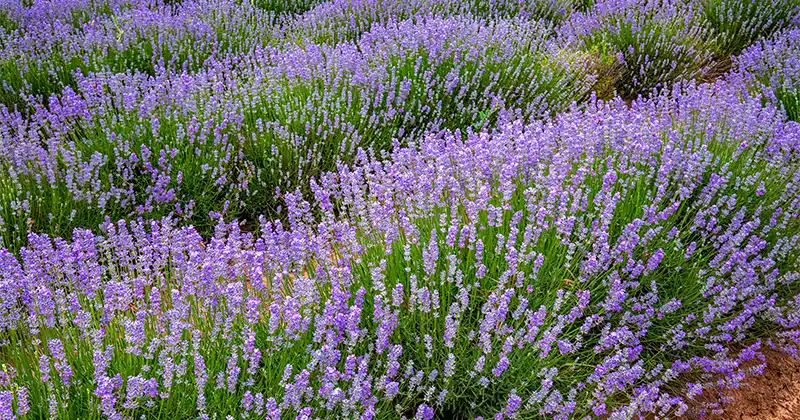
Lavender, cherished for its fragrant flowers and versatile uses, is a staple in many gardens. Pruning lavender is an essential part of its care regimen, ensuring the plant remains healthy, long-living, and produces abundant blossoms. However, knowing the right timing and proper method for pruning is crucial to maintain a thriving lavender plant.
The Basics of Lavender Pruning
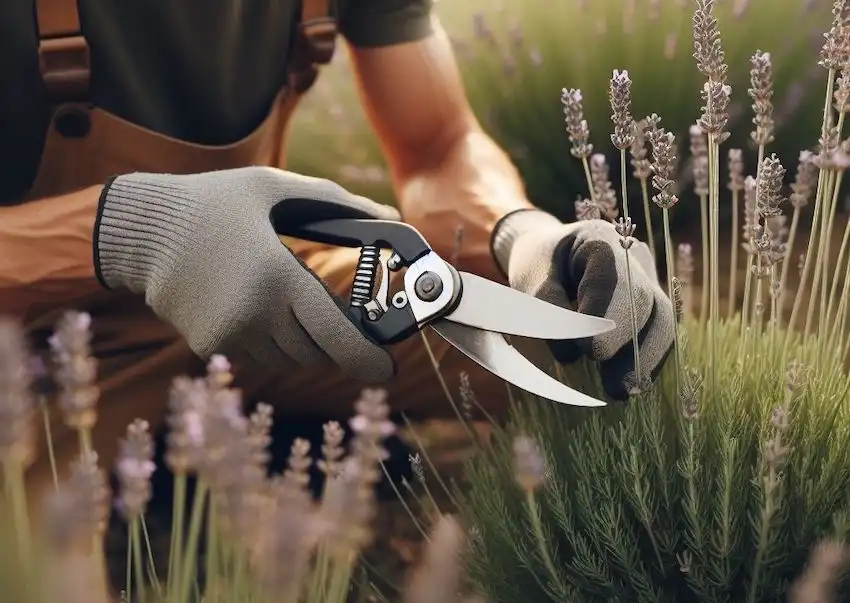
Before delving into precisely when and how to prune lavender, it’s important to understand why this process is necessary. Pruning lavender serves several key purposes:
Stimulating growth: Pruning encourages the emergence of new shoots, making the plant denser and fuller.
Promoting flowering: Regular pruning enables lavender to produce more flowers and extends the blooming season.

Preserving plant health: By removing dead or diseased parts, pruning prevents the development of fungi and other illnesses.
When Should You Prune Lavender?
The timing of pruning partly depends on the lavender variety and local climate. However, it is generally recommended to prune lavender twice a year: a light trimming in the spring followed by a more substantial cut after flowering.
Spring pruning: At the onset of spring, around March or April, a light pruning is done to remove branches that are dead or damaged from winter. Approximately one-third of the plant’s height is trimmed, taking care not to cut into the woody base.
Post-flowering pruning: Once the first flowering cycle concludes, usually between late spring and early summer, a more pronounced cut is made. This encourages a second bloom. During this pruning, about one-third of the plant is trimmed just above the green shoots, leaving a few centimeters of foliage intact.
How to Properly Prune Lavender?
Using the right pruning techniques is essential to promote healthy growth and avoid harming the plant.
Tools: It is advisable to use sharp, clean pruning shears to achieve clean cuts that do not tear the plant tissues.
Pruning method: Cuts should be made just above leafy, green parts while avoiding cutting into the woody stems at the plant’s base. This method encourages regeneration while maintaining a strong structure.
Maintaining a balanced shape: Lavender is often pruned into a rounded shape to create a compact and attractive silhouette. However, avoid pruning too much of the woody areas, as this can hinder regrowth.
Removing spent flowers: Regularly cleaning out faded flowers promotes new blooms and prevents the plant from diverting energy into seed production.

Additional Tips for Lavender Care
Soil and sunlight: Lavender thrives in well-drained soil under full sun exposure. Planting it in a bright location and avoiding overwatering is crucial, as lavender favors rather dry conditions.
Winter protection: In colder regions, it is recommended to protect lavender from frost by covering the base with mulch. Perform a light pruning in spring to remove shoots that were damaged by the cold.
Pruning lavender is a vital aspect of its maintenance. It directly contributes to the plant’s vigor, aesthetic appeal, and ability to bloom profusely. By mastering the timing and techniques of pruning, you can ensure your lavender plants flourish beautifully and scent your garden for many years.
Keep in mind that these tips generally apply to most lavender varieties, but some cultivars may have specific requirements. Always observe your plant carefully and adjust pruning practices according to how it reacts to achieve the best outcome.
