
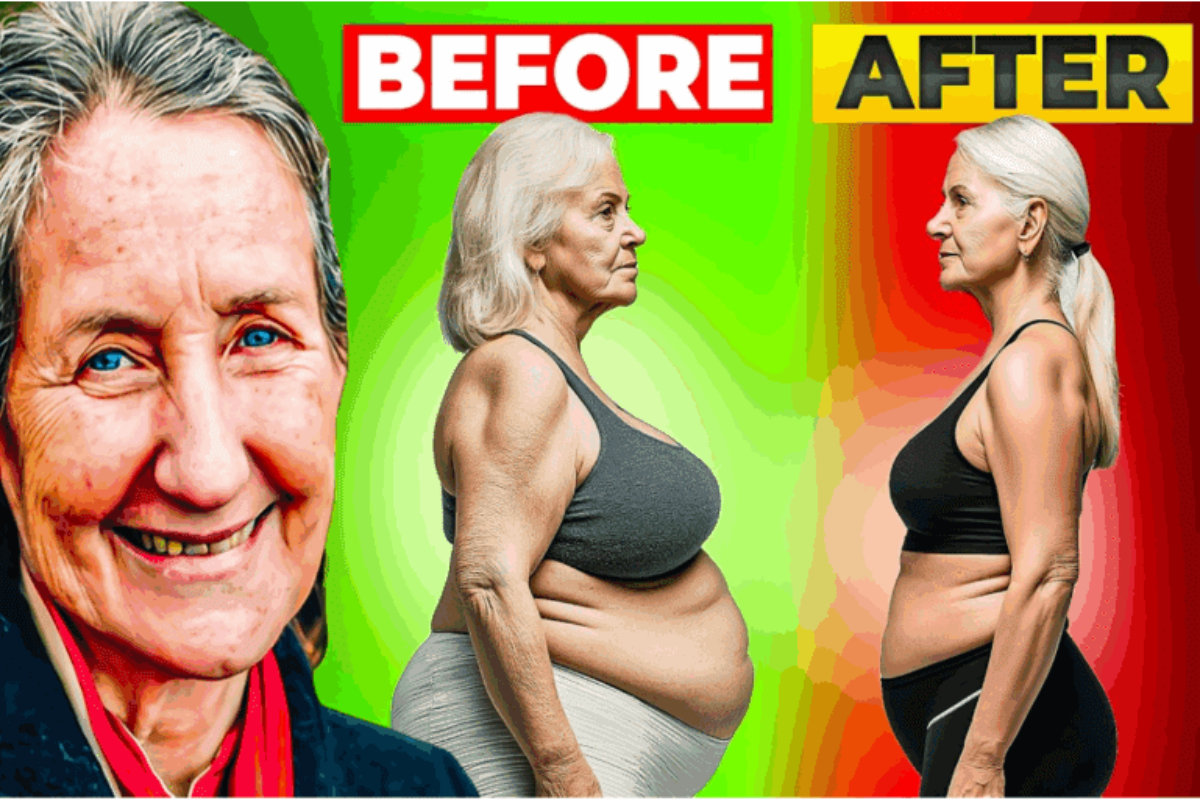
Many people believe longevity requires high-tech interventions, expensive supplements, or complex routines. But according to Barbara O’Neill, a widely respected natural health educator, one of the most transformative longevity tools is free, accessible to nearly everyone, and shockingly simple: walking.
In this expanded guide, we go beyond the basics of her philosophy to explore deeper scientific insights, practical lifestyle tips, and lesser-known strategies that make walking a cornerstone of lifelong vitality.
1. Why Walking Works: A Natural Antidote to Modern Living
Barbara O’Neill frequently underscores that our bodies are made for movement. Inactivity, she explains, creates internal stagnation—sluggish circulation, weakened muscles, toxic buildup, and mental fatigue.
Walking counters these effects by:
Improving oxygen delivery to every cell
Enhancing lymphatic drainage
Promoting digestive regularity
Reducing cortisol (the stress hormone)
Keeping the brain alert and moods stable
But more importantly, walking is sustainable. It doesn’t require gear, subscriptions, or athleticism. It’s a timeless human action that reconnects us with our biology and environment.

2. The Scientific Case for Walking and Longevity
Modern research supports many of Barbara’s claims. Here’s what leading studies say:
Cardiovascular Health: A Harvard study found that walking 30 minutes a day reduces the risk of heart disease by 19%.
Joint Longevity: A study published in Arthritis & Rheumatism showed that walking helps preserve cartilage in aging knees.
Cognitive Protection: According to the Journal of the American Geriatrics Society, older adults who walk regularly have a lower risk of developing dementia.
Cancer Risk Reduction: The American Cancer Society found that regular walking lowers the risk of breast and colon cancers.
Immune Support: A study in Medicine & Science in Sports & Exercise revealed that walking briskly for 20 minutes boosts immune function for hours afterward.
3. Barbara’s Tips—With Expanded Lifestyle Advice
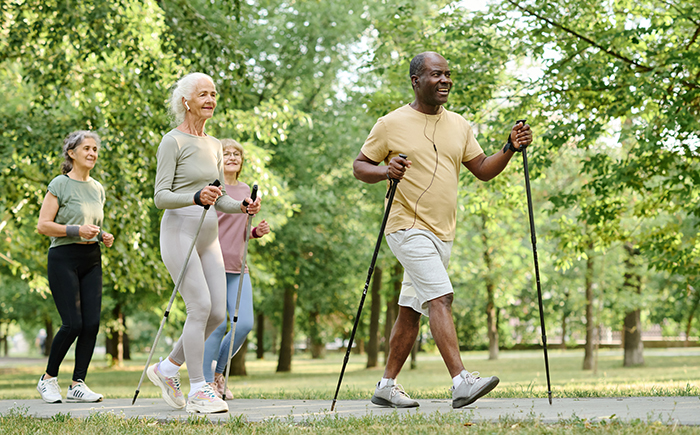
Barbara O’Neill encourages incorporating walking into daily rhythm. But to get the most out of the practice, here are ways to expand on her guidance:
Morning Sunlight + Walking
Combine walking with 10–20 minutes of early sun exposure to reset your circadian rhythm, improve vitamin D synthesis, and enhance sleep quality.
Grounding with Intent
Walking barefoot on grass, soil, or sand—especially after rain—can increase antioxidant activity, reduce inflammation, and improve heart rate variability.
Micro-Walks
If a full walk feels overwhelming, try “movement snacks.” A 3-minute brisk walk every hour helps regulate blood sugar and energizes the brain more than coffee.
Nature Walks = Mental Reset
Walking in green or forested environments (even urban parks) lowers blood pressure, enhances mood, and reduces rumination, per findings in Environmental Health Perspectives.
4. Enhance the Walking Experience with Natural Elements
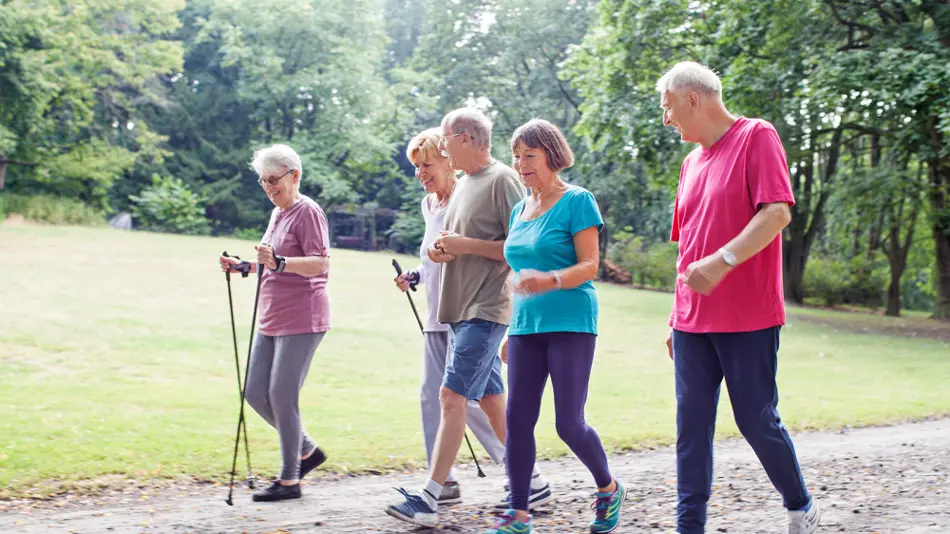
In her teachings, Barbara often connects health with the elements of nature. Here’s how to deepen that connection during walks:
Water Element: Walk near a stream, lake, or ocean to soothe the nervous system with natural white noise.
Earth Element: Garden paths or forest trails offer grounding energy and more varied terrain for muscle activation.
Air Element: Practice breathwork while walking. Inhale deeply for four steps, exhale for six—this calms the vagus nerve and supports digestion.
5. Boost Longevity by Pairing Walking with Other Simple Habits
Barbara O’Neill believes in synergy—small, natural habits working together. Combine walking with:
Hydration: Drink clean water before and after your walk to flush toxins.
Sunlight & Skin Health: Sun exposure during walks stimulates nitric oxide, which supports blood vessel function.
Stretching After Walks: Enhances flexibility and relieves muscle tension.
Proper Footwear or Barefoot Time: Support posture and activate foot reflex zones that relate to internal organs.
6. Emotional & Spiritual Well-Being Through Walking
Barbara encourages using walks as a form of quiet meditation:
Ask yourself grounding questions like: “What am I feeling?” or “What do I need right now?”
Observe and identify five things you can see, four you can hear, and three you can feel. This engages your senses and anchors you in the present.
Use affirmations or prayers with each step—many people find this deeply healing.
7. A More Advanced 5-Day Walking Reset Plan
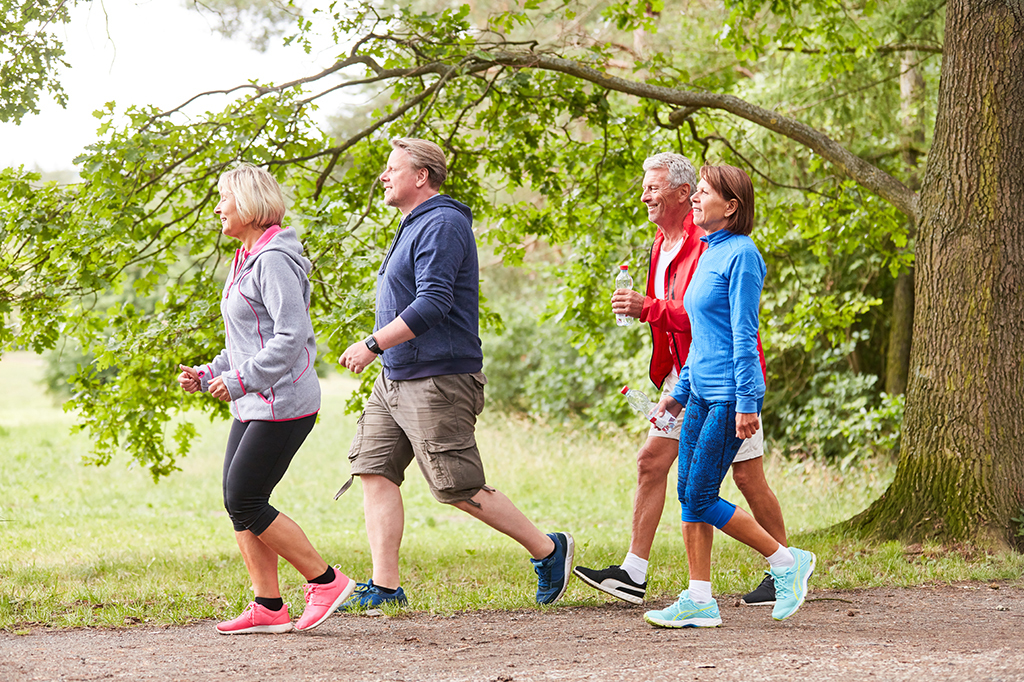
For those wanting to deepen their connection with walking, here’s a 5-day reset:
Day 1 – Reconnect
15-minute walk in silence
Focus on breath and posture
Notice three sensations under your feet
Day 2 – Ground
10 minutes barefoot on grass
10-minute stretch afterward
Hydrate with warm lemon water
Day 3 – Flow
20-minute walk with mindful breathing
Repeat “I am alive” silently with each step
Observe your thoughts without judgment
Day 4 – Integrate
Walk before your main meal
Focus on gratitude during the walk
Reflect with journaling for 5 minutes after
Day 5 – Expand
Try a new walking route or trail
Bring a friend or walk in nature
Set an intention: peace, clarity, energy
Final Thoughts: Small Steps, Lifelong Impact
Walking is more than just a means to get from point A to point B—it’s a healing ritual. As Barbara O’Neill reminds us, nature already provides many of the tools we need for health and longevity. The key is consistency, awareness, and a willingness to move with intention.
Let walking become your daily anchor—a quiet revolution for body, mind, and spirit.
Disclaimer: This article is for educational purposes only. Always consult your healthcare provider before starting a new health routine, especially if you have chronic conditions.
