
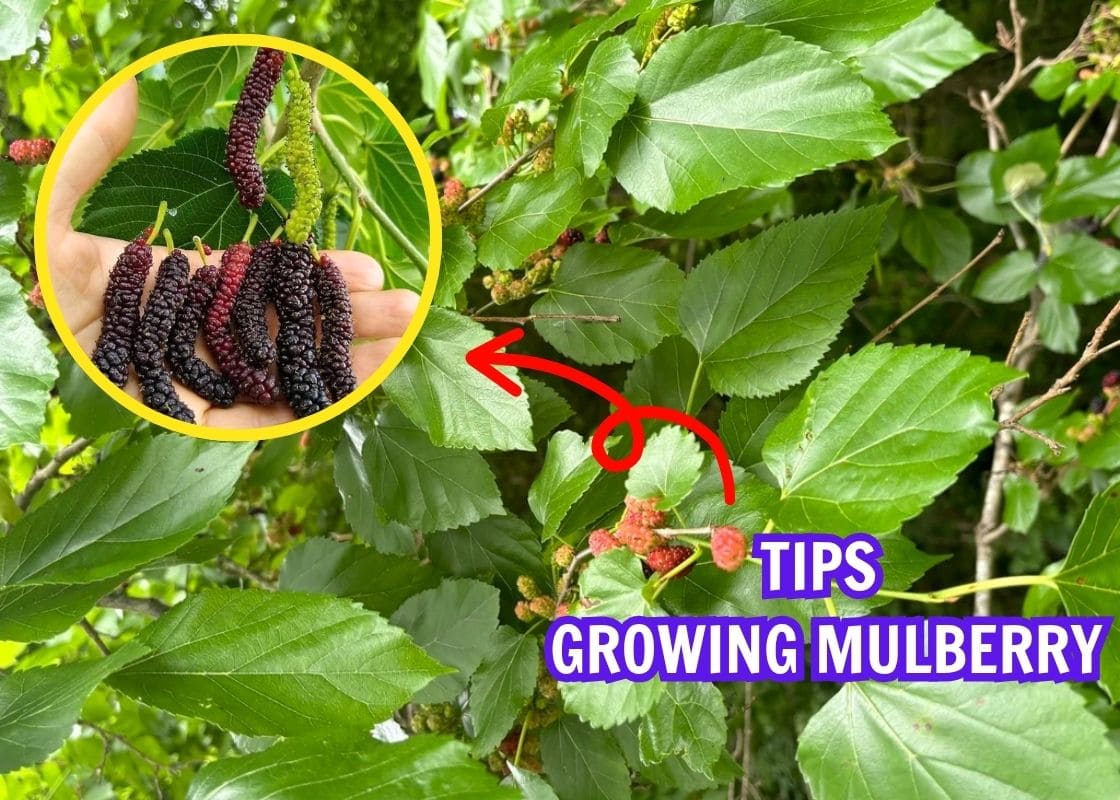
There’s nothing quite like plucking a sun-warmed mulberry straight from the branch and letting it melt on your tongue — syrupy, bold, and impossibly sweet. If you’ve tasted a mulberry at its peak, you know it’s worth every purple stain on your hands.
But here’s the truth: not all mulberries are created equal. And if you want berries that rival the best summer fruit stands — big, bursting with flavor, and too good to make it inside — it takes more than just planting a tree and waiting.
After years of growing and harvesting mulberries, I’ve learned that the key to better berries lies in early planning, attentive care, and a few well-timed tricks. If you’re aiming for fruit that turns heads (and turns into jam, pie, or backyard bragging rights), here’s your essential guide.
1. Start Strong by Choosing the Right Variety
Your mulberry journey begins with selection. Think of it like choosing between different grapes or apples — the variety defines everything from flavor to fruit size and growth habit.
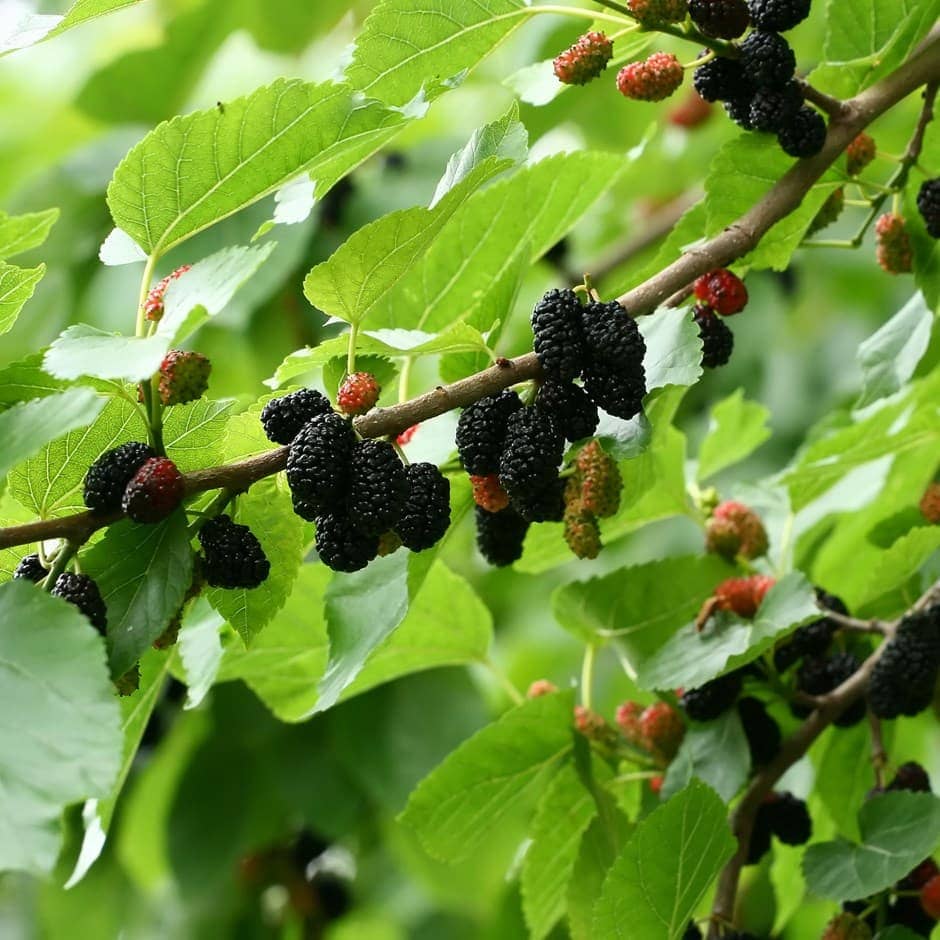

Black Mulberry (Morus nigra): The gold standard for sweetness. These grow slower and prefer warmer climates (USDA zones 6–9), but reward your patience with rich, juicy, almost wine-like fruit. Perfect for fresh eating or preserves.
Red Mulberry (Morus rubra): Native to North America and more tolerant of cold and variable conditions. The fruit is flavorful, though generally smaller.
White Mulberry (Morus alba): Fast-growing and widely adaptable. Their berries can range from honey-sweet to disappointingly bland, depending on the cultivar. Look for named varieties like ‘Pakistan’ or ‘Shangri-La’ for consistent results.

🌿 Pro tip: Buy from a reputable nursery that specializes in fruit trees — and ask if the variety is grafted. Grafted mulberries fruit earlier and more reliably than seed-grown ones.
2. Full Sun Is Non-Negotiable
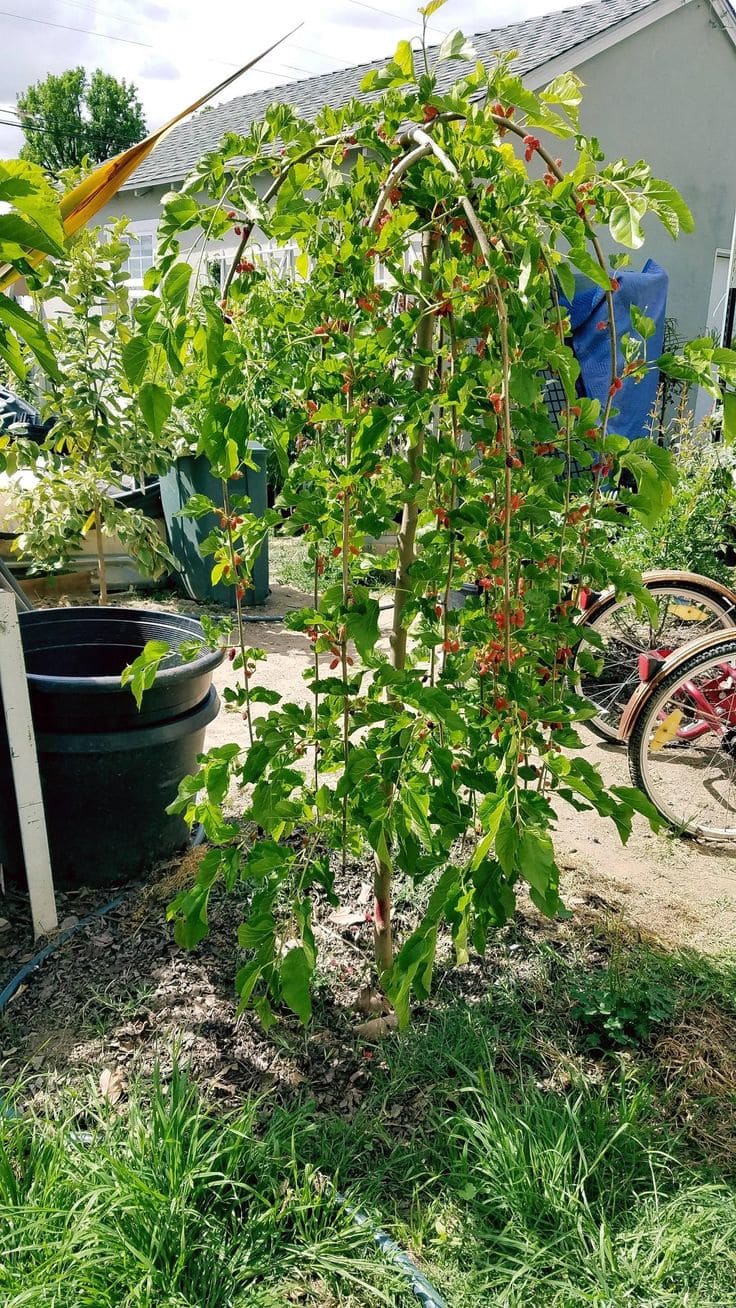
Sunlight doesn’t just grow more fruit — it supercharges sweetness. Mulberries are sun-lovers that need a minimum of 6–8 hours of direct sunlight daily to build natural sugars.
Plant your tree in a spot that catches morning sun, especially in damp climates. This helps dry off dew, reducing the risk of powdery mildew and fungal infections.
🌞 Bonus tip: If you’re short on sunny space, opt for dwarf or patio-friendly mulberry cultivars in containers that you can move to chase the sun.
3. Soil: Feed the Roots, Fuel the Fruit
Mulberries are forgiving, but their fruit quality is directly tied to root health. They do best in loamy, well-draining soil with a pH between 5.5 and 7.0.
If your soil is heavy clay, mix in compost, aged manure, and coarse sand.
For sandy soils, add organic matter like coco coir or peat moss to retain moisture.
Avoid wet, compacted areas — poor drainage can lead to root rot and small fruit.
🧪 Soil test tip: Use a simple pH test kit to gauge your soil. If it’s too acidic or alkaline, amend accordingly with lime or sulfur.
4. Feed for Fruit, Not Foliage
Mulberries don’t need much fertilizer — but the right type at the right time makes all the difference.
In early spring, use a slow-release, balanced fertilizer (e.g., 5-5-5 or 6-3-3).
Supplement with compost or worm castings around the root zone.
Reapply a light feeding mid-season if growth stalls or berries are undersized.
Avoid excess nitrogen — it leads to lush leaves but little fruit.
🌱 Natural boost: A compost tea or seaweed extract every few weeks during fruiting can enhance flavor and improve resilience to stress.
5. Prune With a Berry-First Mindset
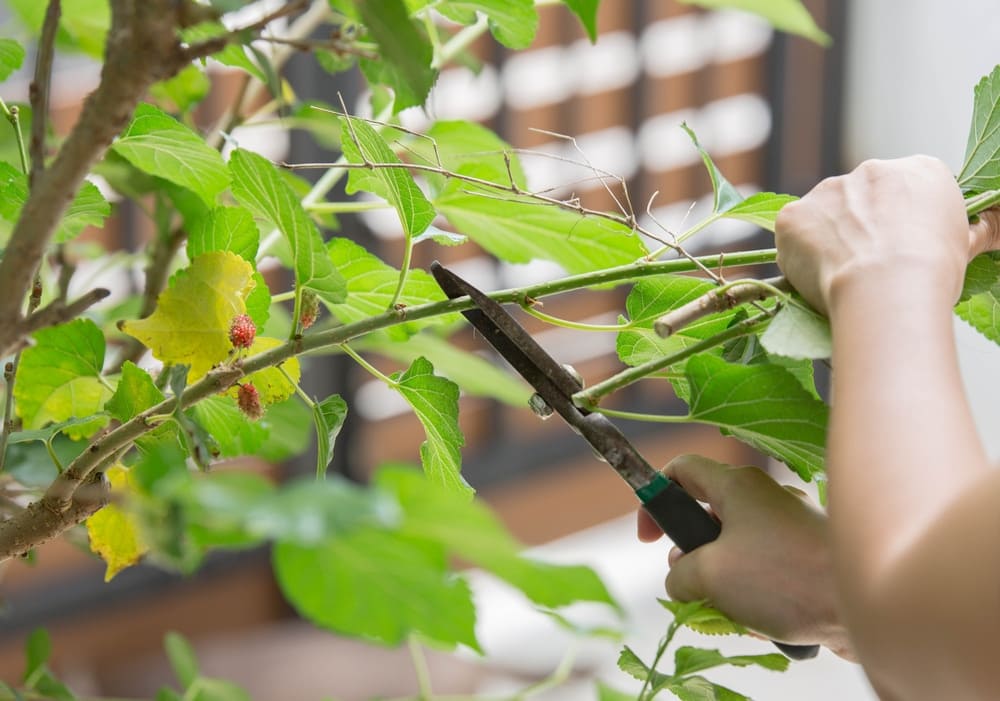
Annual pruning is about shaping for sunlight, removing dead or diseased wood, and directing energy into fruit, not foliage.
Prune in late winter or early spring before bud break.
Open up the center of the tree to increase airflow and sun exposure.
Shorten long branches slightly to encourage more lateral (fruit-bearing) growth.
✂️ Don’t fear a hard cutback — mulberries bounce back vigorously and often fruit on new growth.
6. Master the Art of Watering
Inconsistent watering is one of the main reasons mulberries fall short in flavor or size. They like steady moisture, especially when setting and ripening fruit.
Water deeply once or twice a week, allowing the top 1–2 inches of soil to dry out between waterings.
Avoid soggy soil, which can cause root problems and bland berries.
In dry spells, increase watering frequency slightly — mulberries can be thirsty during fruiting.
💧 Smart move: Install a drip irrigation system or a deep-soak hose with a timer to keep things steady.
7. Mulch Is Mulberry Magic
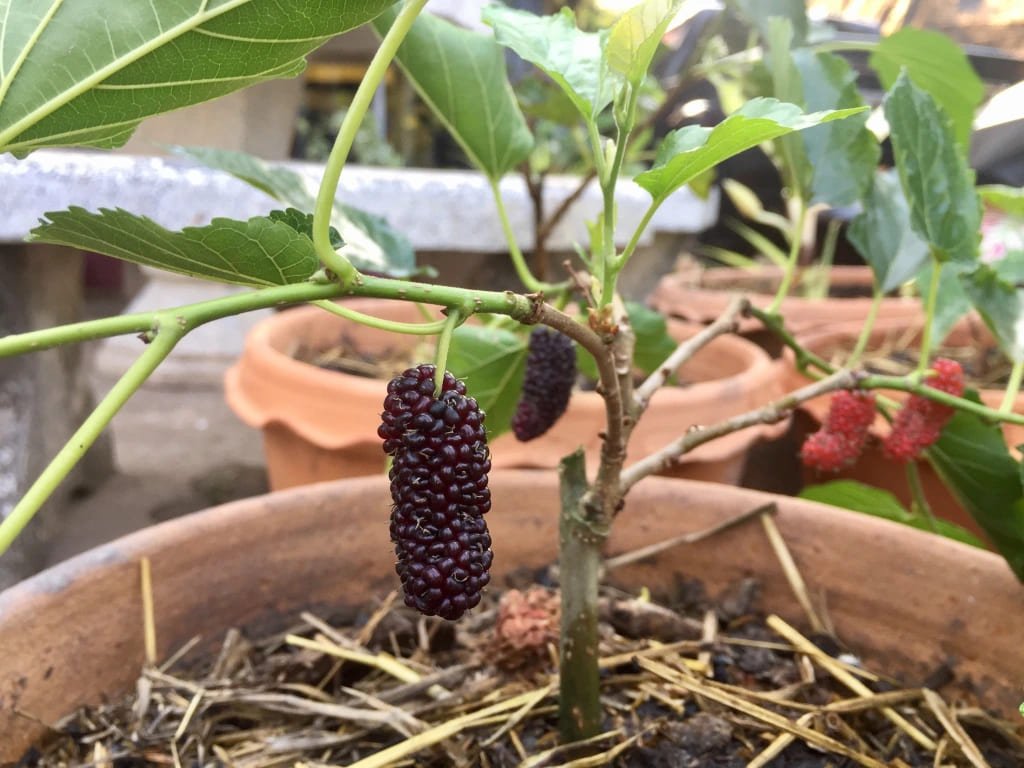
A 2–4 inch layer of organic mulch does more than just conserve moisture:
It suppresses weeds, protects roots, and enriches the soil.
It creates a buffer against extreme temperatures.
It fosters healthy microbial life that boosts nutrient absorption.
Use shredded leaves, straw, or wood chips, but keep mulch a few inches away from the trunk to prevent rot.
8. Harvest Only When Truly Ripe
Mulberries won’t ripen off the tree. Harvest only when:
The fruit is fully colored — deep black, red, or purple depending on variety.
It gives with a gentle tug or falls easily into your palm.
It smells sweet and feels tender to the touch.
⛺ Pro trick: Lay a clean sheet under the tree and give the branches a soft shake. The ripest berries will drop, saving you time (and a ladder).
9. Outsmart the Birds (and Squirrels)
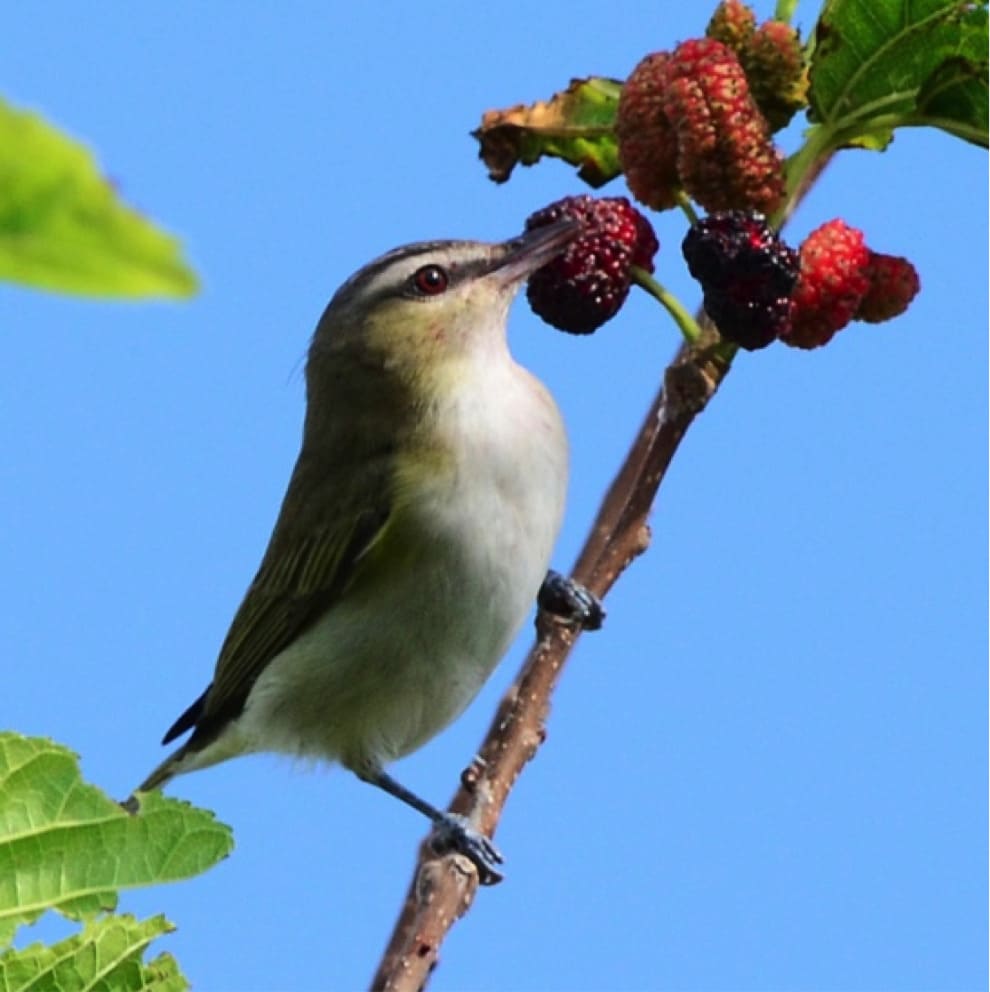
You’re not the only one watching those berries ripen. Birds, squirrels, and other critters will beat you to harvest if you don’t take precautions.
Drape fine netting over small or dwarf trees.
Use shiny deterrents like hanging CDs, reflective tape, or wind chimes.
Rotate deterrents every few weeks — wildlife catches on quickly.
🐦 Pro gardener hack: Plant a decoy mulberry nearby (a fast-fruiting white mulberry works well) to distract birds from your prized black mulberry.
10. Maintain a Clear Root Zone
The area around your tree’s trunk is sacred. Avoid letting grass, aggressive weeds, or invasive groundcovers compete for nutrients.
Keep a 2–3 foot mulch ring weed-free around the base.
Avoid planting anything with deep roots nearby.
Companion plants like strawberries, chives, or low herbs work if you want visual interest without competition.
🌸 Bonus benefit: A clear base also discourages pests and diseases that thrive in dense undergrowth.
Final Thoughts
Growing extraordinary mulberries isn’t about luck — it’s about knowing what your tree needs and giving it the attention it deserves. With the right variety, care, and a few smart strategies, your harvest can go from average to absolutely unforgettable.
And once you taste a sun-warmed berry at peak ripeness? You’ll never settle for store-bought fruit again.
