
Have you ever walked into your garden, expecting to enjoy the beauty of your plants, only to find them under siege by tiny invaders? I know that heartbreak. Years ago, I lost an entire batch of cucumbers to aphids because I acted too late. Since then, I’ve made it my mission to learn how to fight pests naturally — without resorting to harsh chemicals.
Today, I’ll share with you eight effective homemade insecticides that I rely on, along with extra insights into how they work and how to use them wisely. These natural remedies are safe for your plants, your soil, and the beneficial insects that make your garden thrive. 🌸🐞
1. Garlic Insecticide – Nature’s Pest Repellent
Garlic’s pungent aroma isn’t just for warding off vampires — it repels a wide range of garden pests too. The secret lies in allicin, a sulfur compound that confuses and repels insects while also providing antibacterial and antifungal support.
Ingredients:
3–4 garlic cloves
1 liter of water
1 teaspoon of neutral liquid soap (like Castile soap)
Instructions:
Crush the garlic and steep it in water overnight to allow the sulfur compounds to infuse the liquid.
Strain the mixture through cheesecloth or a fine sieve.
Add the liquid soap to help the solution stick to plant surfaces.
Pro Tip:
Spray early in the morning or evening to avoid sunburn. Focus on the underside of leaves, where pests like to hide. This mix is especially effective against aphids, whiteflies, and beetles.

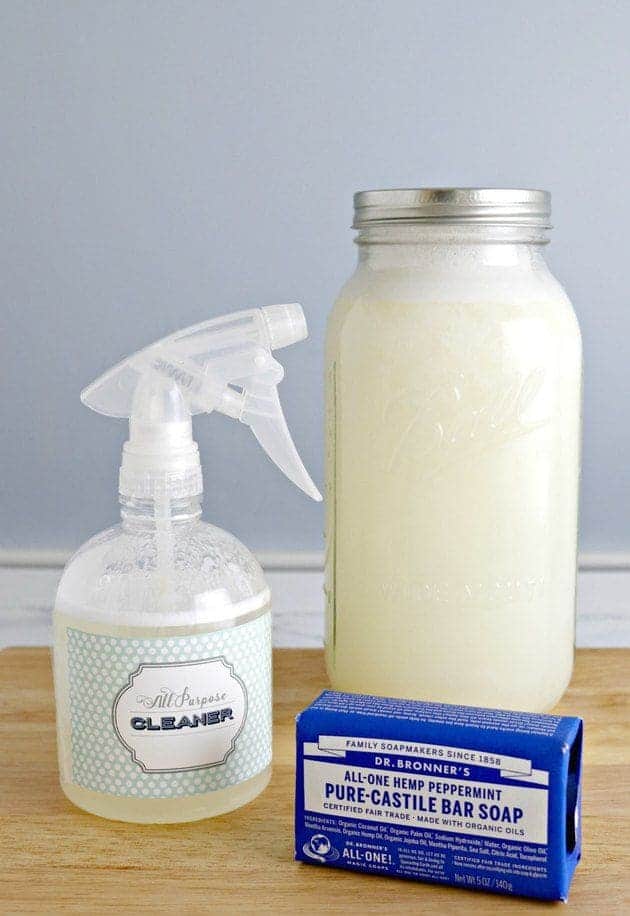
2. Castile Soap Spray – Gentle But Lethal
Perfect for indoor or delicate plants, Castile soap spray works by breaking down the outer protective layer of soft-bodied pests, causing dehydration.
Ingredients:
1 tablespoon liquid Castile soap
1 liter of lukewarm water
Instructions:
Mix the ingredients in a spray bottle and shake gently.
Spray on affected leaves, stems, and pests.
Bonus Tip:
This method is bee-safe when applied early or late in the day. Reapply every 5–7 days until the infestation clears.
3. Chili Pepper Spray – A Spicy Defense
Capsaicin, the fiery compound in chili peppers, acts as a powerful deterrent for chewing pests like caterpillars, grasshoppers, and beetles.
Ingredients:
1 tablespoon red chili powder (or chopped fresh chili)
1 liter hot water
1 teaspoon of soap
Instructions:
Combine chili and hot water; steep for 3–6 hours.
Strain, then mix in the soap.
Spray thoroughly on leaves and stems.
Caution:
Wear gloves and avoid contact with eyes. Avoid using during flowering stages to prevent harming pollinators.

4. Neem Oil Spray – The Organic All-Rounder
Neem oil is a gardener’s best friend. It disrupts pest hormones, making it difficult for them to feed, reproduce, or even survive. It’s also effective against fungal diseases.
Ingredients:
2 teaspoons cold-pressed neem oil
1 liter of lukewarm water
1 teaspoon mild soap
Instructions:
Mix all ingredients thoroughly.
Spray on all parts of the plant, especially the undersides of leaves.
Extra Value:
Neem oil is systemic in some plants, meaning it can be absorbed and provide long-lasting protection. Just don’t apply it in full sun — it may burn leaves.

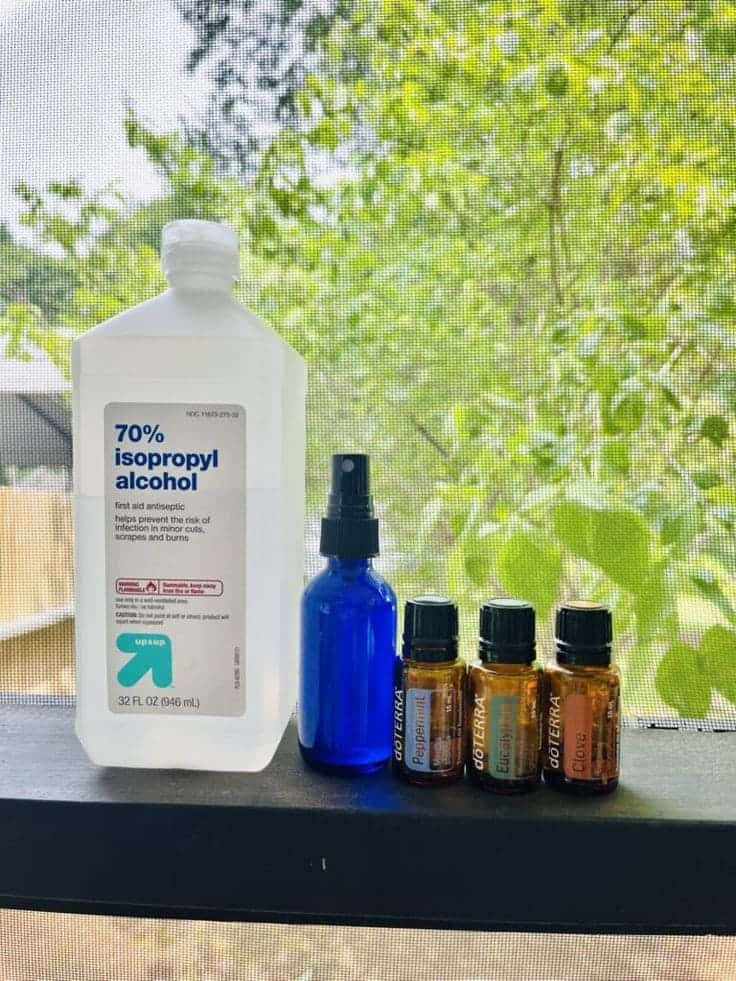
5. Alcohol Spray – Precision Targeting for Scale and Mealybugs
Rubbing alcohol is useful for spot treatments of stubborn pests like scale insects, mealybugs, and spider mites.
Ingredients:
1 part isopropyl alcohol (70%)
1 part water
Instructions:
Mix in a spray bottle.
Spray directly onto pests, or dab with a cotton swab for precise treatment.
Tip:
Always test a small area first to check for leaf sensitivity, especially on succulents or young plants.
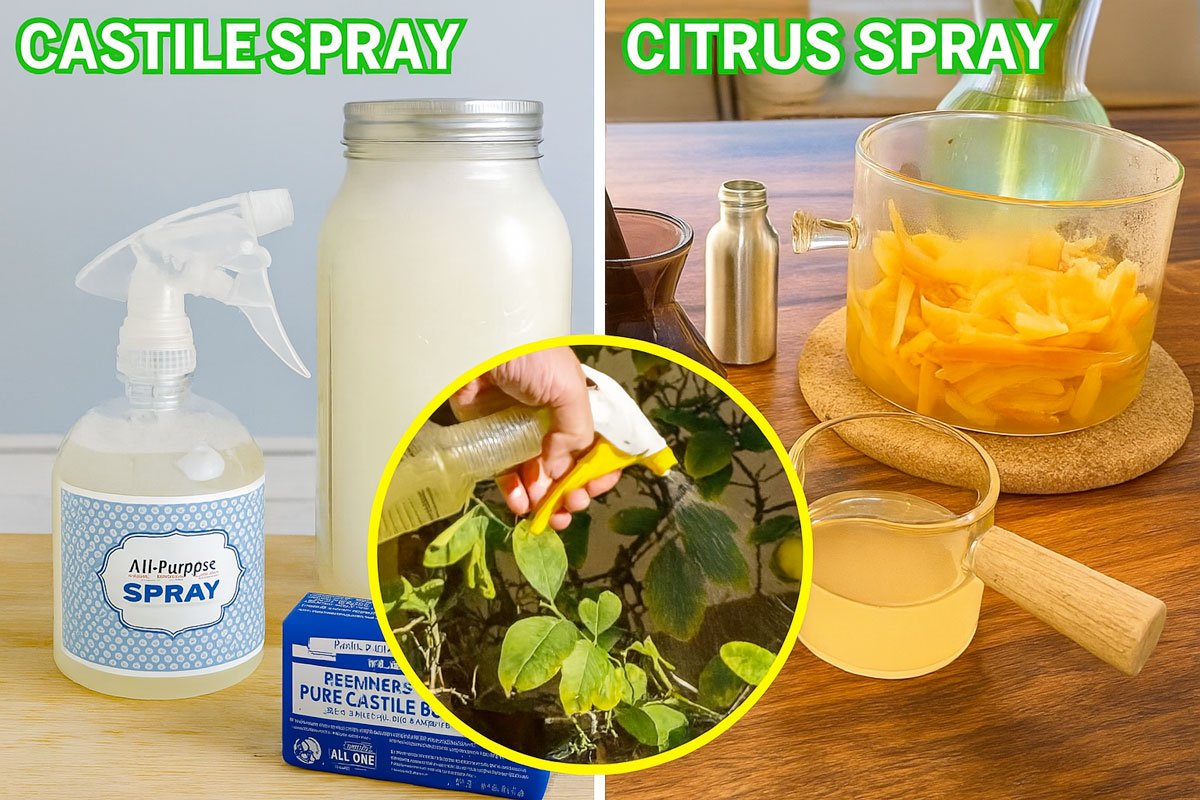
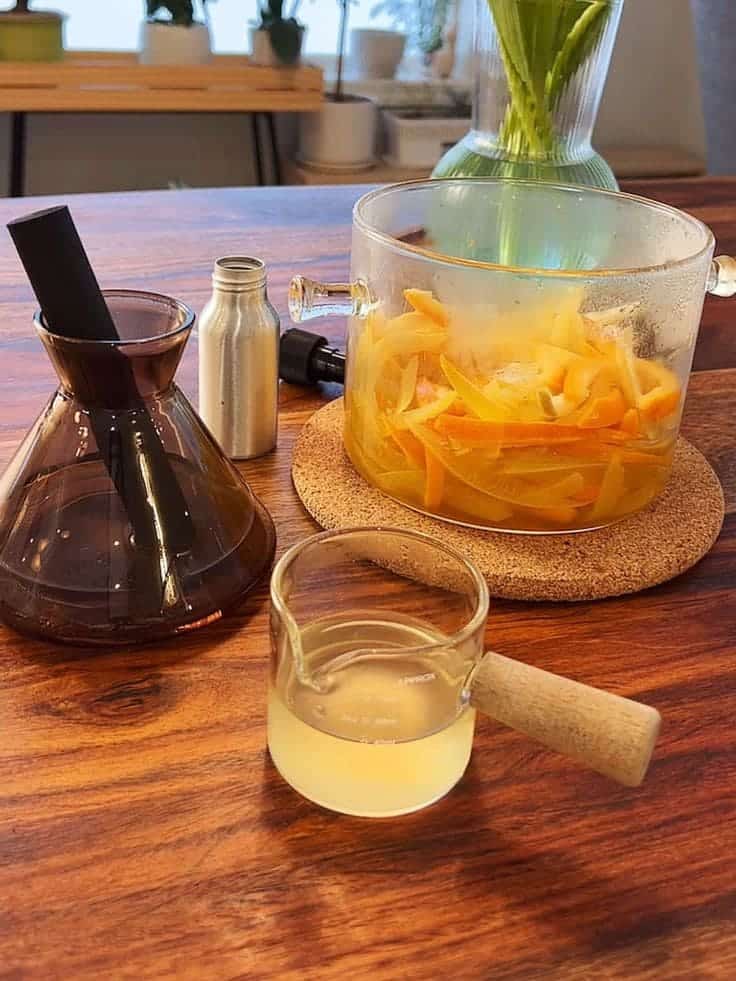
6. Citrus Peel Spray – Sweet-Smelling Shield
Citrus peels contain limonene, a compound that deters many common garden pests. It also gives your garden a lovely citrusy fragrance!
Ingredients:
Peels of 4–5 oranges or lemons
1 liter of hot water
Instructions:
Steep the peels in hot water for 24 hours.
Strain and transfer the solution into a spray bottle.
When to Use:
Ideal as a preventive spray for soft-bodied pests like aphids, thrips, and whiteflies. Also effective around fruiting plants where synthetic sprays are unwelcome.
7. Mint and Rosemary Spray – Aromatic Defense
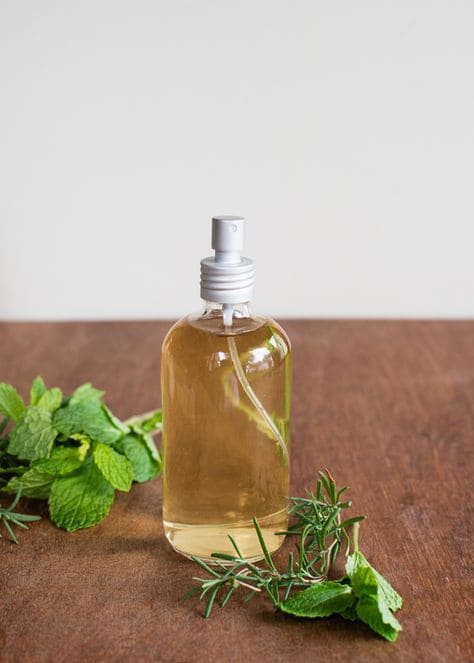
Both mint and rosemary are rich in essential oils like menthol and camphor. These oils mask the scent of host plants and repel many pests, especially in enclosed environments like greenhouses.
Ingredients:
1 handful each of fresh mint and rosemary
1 liter of water
Instructions:
Boil the herbs for 10–15 minutes.
Let cool, strain, and spray liberally.
Added Benefit:
It also discourages mosquitoes, so it’s perfect for patio or balcony gardens.
8. Vinegar Spray – The Acidic Antagonist
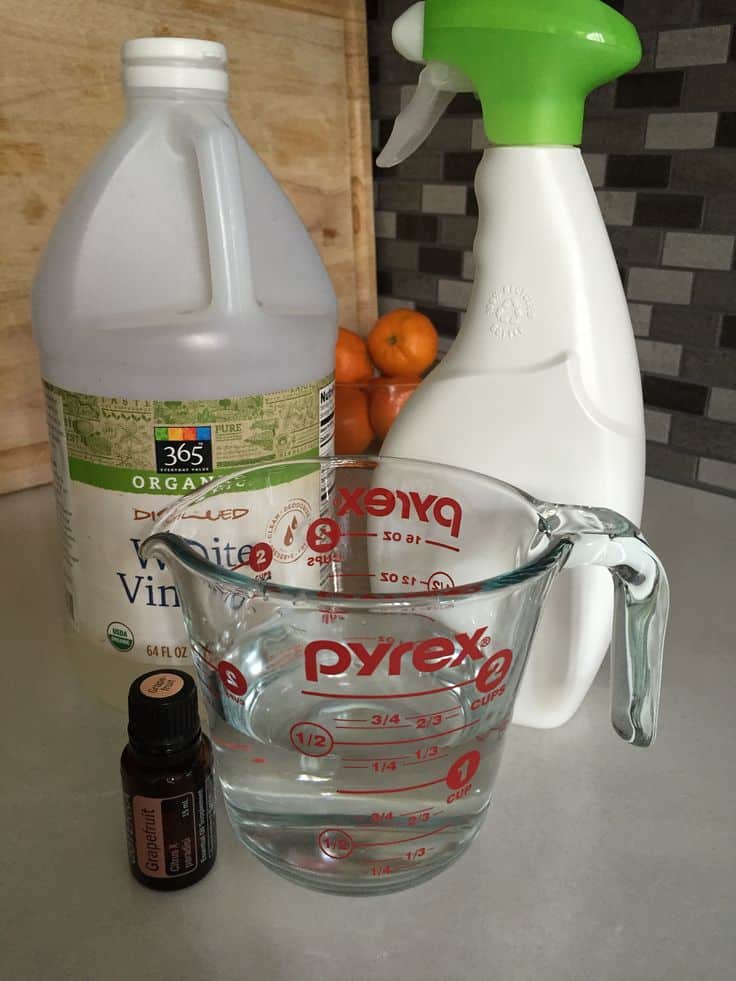
White vinegar can be a powerful natural insecticide due to its acetic acid, which damages the outer layer of insects.
Ingredients:
1 part white vinegar
3 parts water
Instructions:
Mix in a spray bottle.
Spray directly on pests or ant trails.
Use With Care:
Don’t apply near roots or too often on delicate leaves — vinegar can lower soil pH or burn foliage. It’s best as a spot treatment, especially for ants, fungus gnats, and mildew.
Final Thoughts: Combine and Conquer
Every garden is different. What works in my Mediterranean climate might need tweaking in yours. The key is to observe, test, and apply thoughtfully. I’ve often combined garlic and neem oil for stubborn infestations or alternated between citrus and mint sprays for weekly prevention.
🌱 Natural pest control isn’t just about fighting bugs — it’s about working with your garden’s ecosystem, not against it. These homemade insecticides help you protect your plants, keep pollinators safe, and avoid introducing toxic chemicals into your soil and water systems.
