
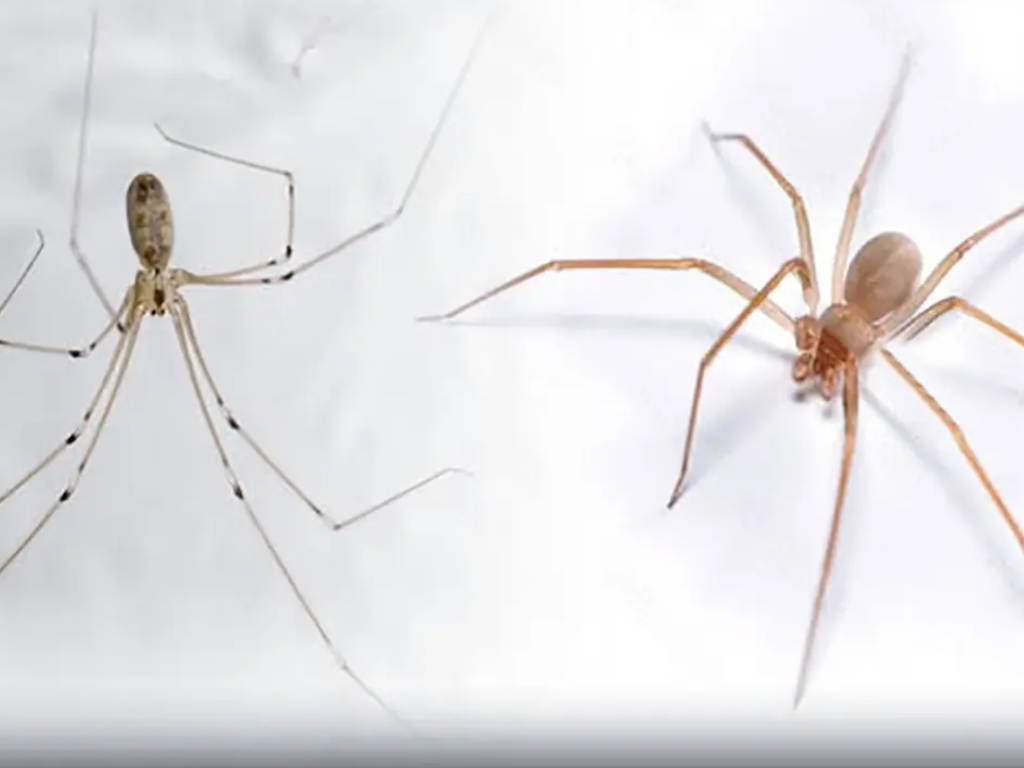
Violin Spider: An Unwelcome Visitor to Avoid in Your Home
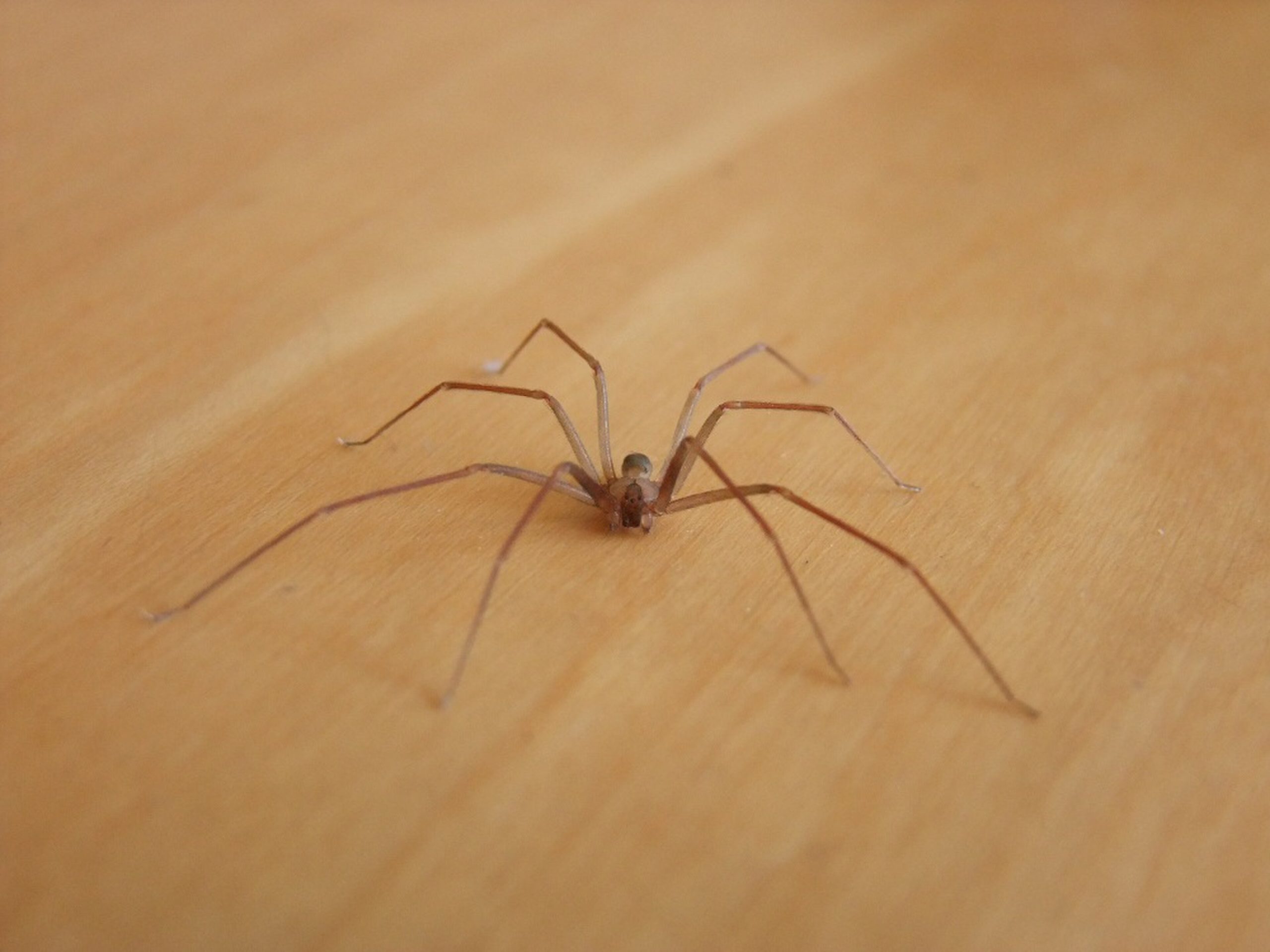
At first glance, the violin spider—also known as the brown recluse—may appear harmless, yet it conceals a troubling potential. Originating from South America, this spider has cleverly exploited international transportation networks to quietly establish itself across various regions around the world. Today, it primarily settles in our homes, where warmth and dark corners create the perfect environment for its survival.
What makes this spider particularly notable is the distinct violin-shaped mark on its back, but even more concerning is the composition of its venom, which is capable of causing significant skin lesions in some individuals. Although it only bites when it feels threatened, it’s best to avoid any direct contact with this spider.
Recognizing the Early Signs of a Bite
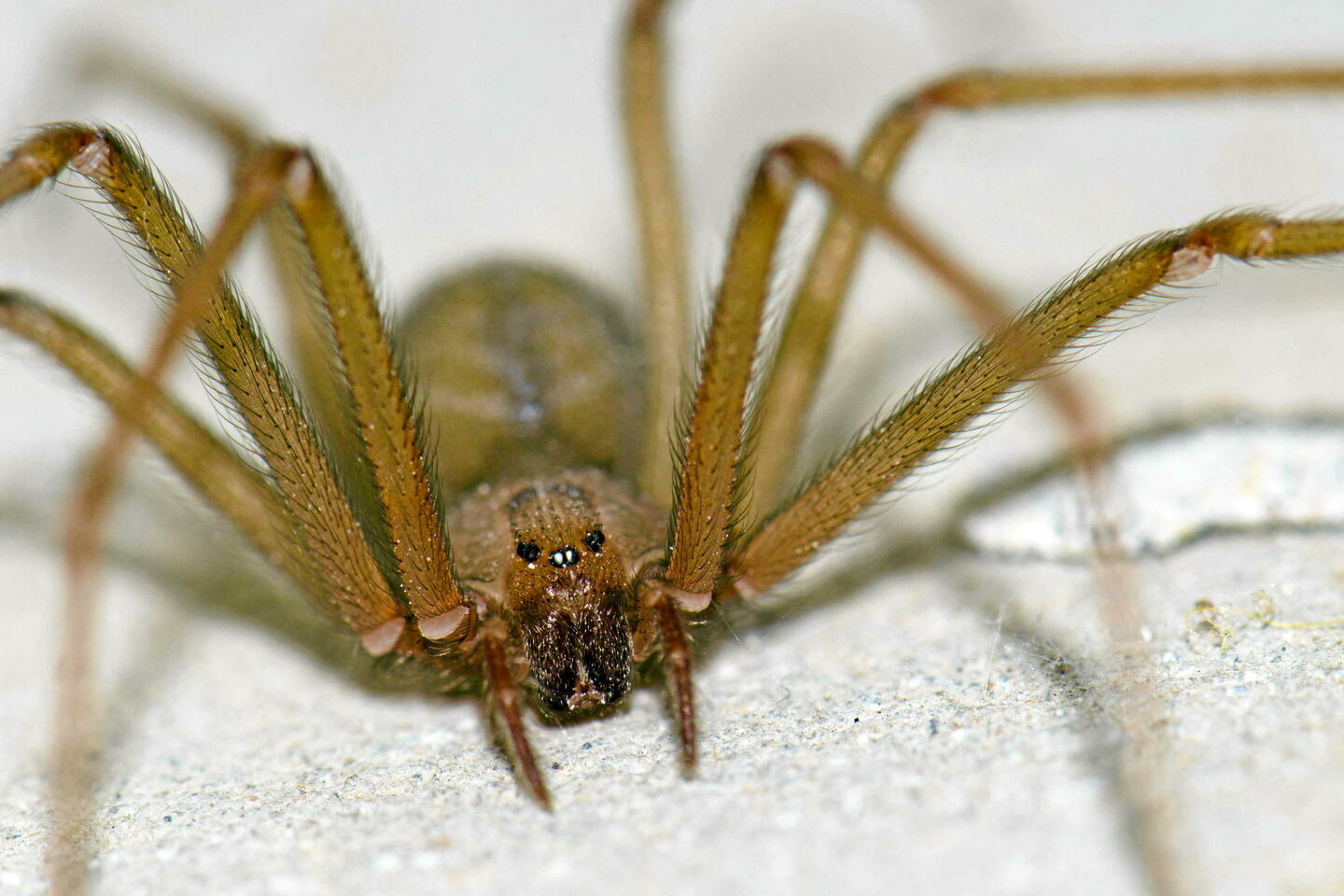
The challenge with the violin spider’s bite is that it often goes unnoticed initially. Only after several hours do symptoms such as pain, redness, and swelling begin to appear. In severe cases, the venom can cause localized skin necrosis, leading to extensive tissue damage.

In very rare instances, the reaction may extend beyond the bite site and become systemic: symptoms like fever, extreme fatigue, and even kidney complications must be closely monitored. These exceptional situations demand immediate medical attention as soon as worrying signs emerge.
How to Effectively Protect Your Home
Fortunately, there are simple measures you can take to keep the violin spider away from your living space:
Regularly vacuum dark corners, behind furniture, and inside closets.
Always shake out clothes, bedding, or textiles that have been stored for a long time in wardrobes.
Avoid clutter: stacks of boxes, old clothing, or papers are favorite hiding places for these spiders.
Carefully seal cracks and crevices that could serve as shelters for them.
Lastly, minimize the presence of insects in your home as they are the primary food source for the violin spider.
A Surprising Ally: The Daddy Longlegs Spider to the Rescue of Your Home
In the battle against the violin spider, an unlikely heroine plays a crucial role: the cellar spider. Also called the long-legged house spider, this species draws attention with its slender silhouette but is completely harmless to humans. Even better, it regularly preys on violin spiders, acting as a natural regulator within our homes.
Swift and discreet, this spider deliberately avoids any human contact. If you spot one in a dark corner, there is no cause for concern. It performs a valuable service by limiting the proliferation of unwanted insects such as harmful spiders, cockroaches, and flies.
The Tiger Spider: A Hunter Serving the Household
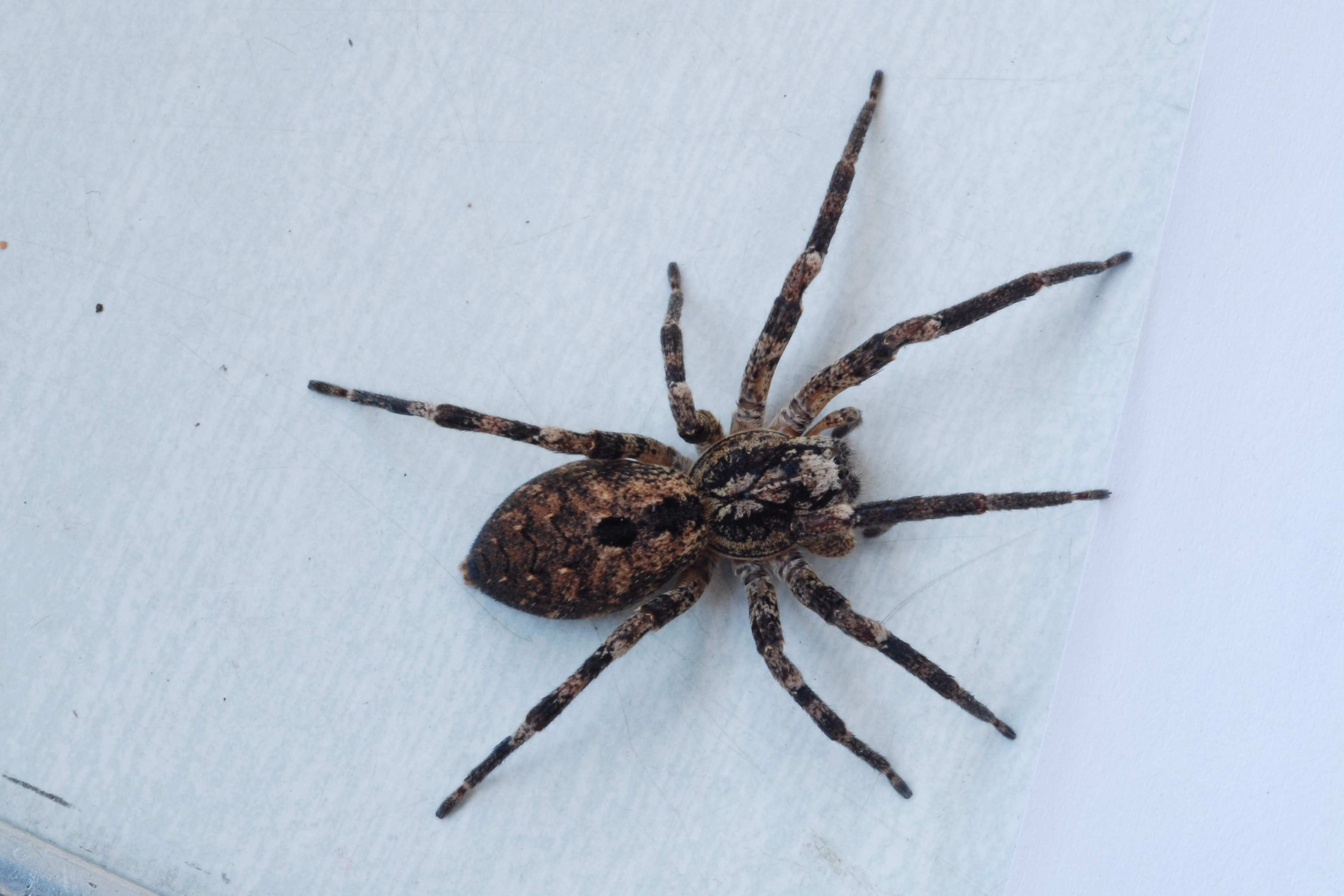
The tiger spider, often mistaken for other long-legged species, distinguishes itself by its remarkable agility and ability to hunt other spiders in hidden corners of the home. Quiet and non-aggressive toward humans, it also feeds on flies, mosquitoes, and other pests, thereby actively contributing to the natural balance inside our living spaces. Despite its fierce name, this spider poses no danger to residents. On the contrary, its presence is beneficial because it naturally reduces infestations without relying on pesticides.
Learning to Coexist with These Spiders
Gaining a better understanding of these small creatures greatly eases their management within our living areas. While caution is advisable regarding the violin spider, there is no need to succumb to fear. A clean, well-organized home and careful attention to dark spaces often suffice to limit their presence. And if a cellar spider or a tiger spider takes up residence in your house, let them be: their role as natural cleaners effectively helps control populations of unwanted insects.
