
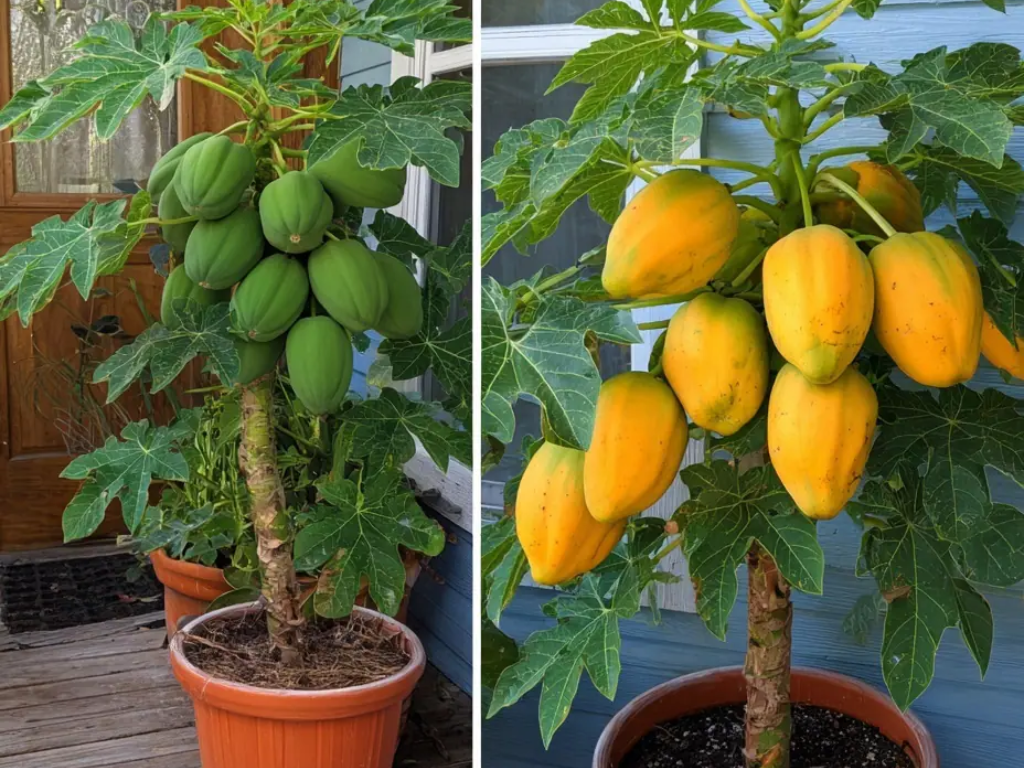
Essential Equipment for a Thriving Papaya Tree
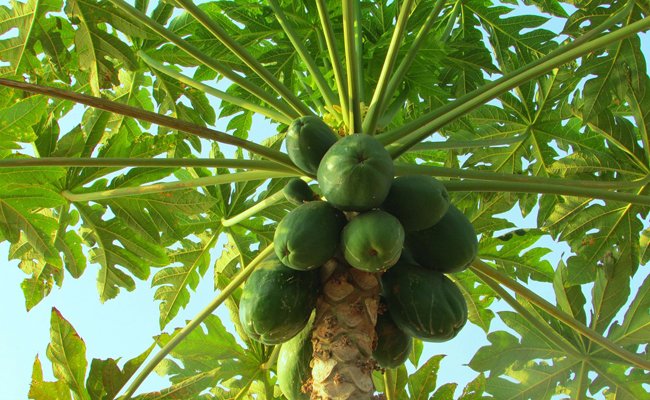
Before embarking on growing a papaya tree, thorough preparation is crucial. This tropical plant requires ample space and a warm environment to thrive. Choose a pot with a minimum diameter of 45 cm, deep enough to accommodate its roots without restriction. The ideal soil mix should be rich, light, and well-draining, combining potting soil, compost, and sand. This blend ensures a well-aerated substrate that promotes healthy growth.
Papaya trees are highly sensitive to cold and particularly favor warmth and sunlight. If you live in a cooler climate, position your pot indoors near a well-exposed window or in a bright conservatory. Maintaining an ambient temperature of at least 20 °C will create a comfortable setting for your tree.
Why Growing a Papaya Tree in a Pot Is an Excellent Idea
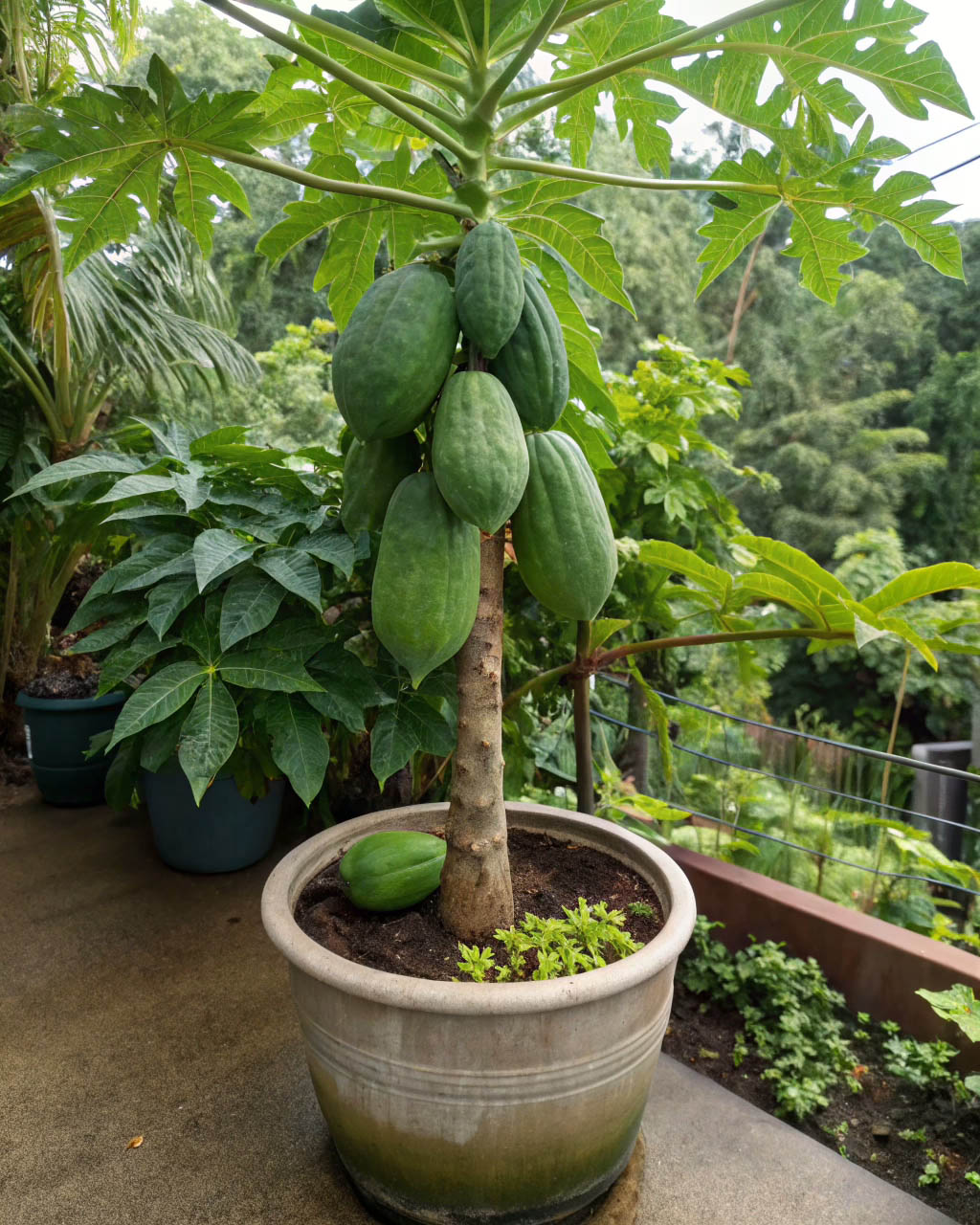
Although papaya trees are traditionally linked to tropical climates, they adapt remarkably well to container cultivation. Here are several benefits that might convince you to choose this method:

Enhanced Mobility: In the event of strong winds or sudden drops in temperature, simply move your pot to a sheltered location.
Space Optimization: Ideal for balconies, terraces, or small gardens where ground space is limited.
Soil Control: You have complete control over watering and nutrient supply, which minimizes unpleasant surprises.
Natural Decoration: With its lush foliage and exotic appearance, the papaya tree instantly adds a sense of escape and freshness to your outdoor space.
First Step: Expertly Sowing the Seeds
The easiest way to start is by using seeds from a ripe papaya. Carefully clean them to remove the surrounding gelatinous coating, then let them air dry for two to three days. Next, plant a few seeds about 1 cm deep in a small pot filled with moist potting mix. Cover the pot with a transparent plastic film to create a mini greenhouse—an ideal environment to encourage germination.
Second Step: Caring for the Young Seedlings
Two to three weeks after sowing, the first leaves will emerge, a true little miracle from the tropics! When the leaves reach approximately ten centimeters in length, transplant each seedling into a larger pot. Papaya trees do not like having their roots cramped, so ensure they have enough space to grow fully.
Water regularly, taking care never to oversaturate the soil; it should remain moist but not waterlogged. During the summer season, feeding the plant with liquid fertilizer every two weeks will enhance its growth and well-being.
Third Step: Observe and Cherish Your Tree
The potted papaya grows quickly, potentially reaching up to 1.5 meters within the first year. To maintain its vitality, place it in a bright, sunny spot while protecting it from strong winds. Also, remember to rotate the pot regularly so that sunlight is evenly distributed on all sides of the tree.
A gardener’s tip: if the leaves yellow, it often indicates overwatering or a lack of nutrients. Adjust the watering frequency and amount accordingly, and enrich the soil with a bit of compost to nourish the tree.
The Long-Awaited Moment: Harvesting Your Papayas
With patience and attentive care, your papaya tree will blossom and then produce green fruits that gradually change to golden hues, characteristic of each variety. Although papayas grown in pots tend to be smaller than commercially sold fruits, they offer a sweet, fragrant flavor that rivals market varieties.
Admit it: tasting a papaya you’ve nurtured yourself on your balcony delivers a unique satisfaction, unmatched by any other culinary experience.
