
Why Whitewash Your Fruit Trees in Spring?
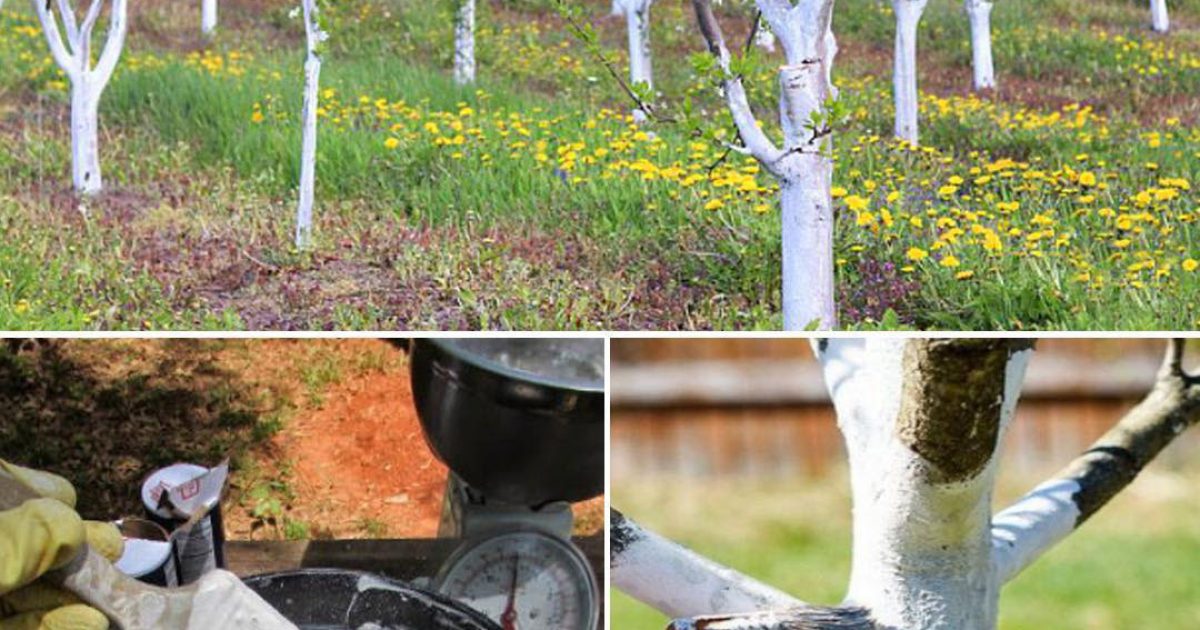
One might think that this is an old-fashioned trick long outdated. However, whitewashing remains a highly effective method to guide your fruit trees toward a season that is both rich and fruitful.
A Natural Barrier Against Unwanted Pests
At the end of winter, certain insects seek to climb the trunk to settle in the branches, where they can cause damage. By applying a layer of lime to the bark, you create a natural protection that limits their progress.
The result is clear: the tree endures less stress during the crucial period of flowering and fruit formation. This natural treatment acts as a simple yet highly strategic protective filter.
Protection Against Temperature Fluctuations
Spring is a deceptive season. Sunny days warm the bark quickly, while nights remain cool and damp. These sudden temperature shifts can cause cracks, severely weakening the trunk.

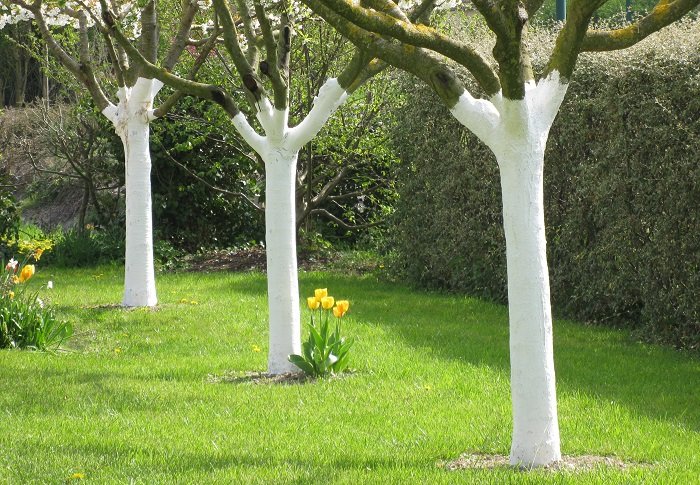
The lime, thanks to its light color, reflects sunlight and softens these thermal variations. This keeps the bark more stable and less prone to cracking, providing a genuine luminous shield for your tree.
A Boost for the Overall Health of the Tree
Hydrated lime has significant sanitizing properties. When applied properly, it helps maintain healthy bark and reduces imbalances caused by excessive moisture.
While it does not promise miracles, this preventive measure helps the tree start the season under optimal conditions, especially if it has already shown signs of weakness in previous years.
How to Properly Whitewash Your Fruit Trees
Good news: you don’t need to be a gardening expert to carry out this task.
The Necessary Equipment
Here is what you will need:
– Hydrated lime (slaked lime, never quicklime)
– Water
– A bucket
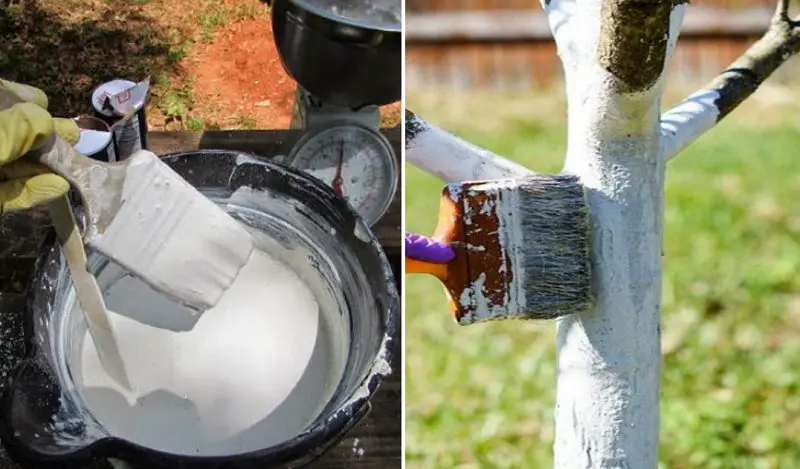
– A wide brush or a suitable sprayer
The Steps to Follow
1. Start by selecting a dry day with no rain forecasted within the next 24 hours, preferably early in spring.
2. Mix the lime with water until you achieve a texture similar to a thick cream, easy to spread and sufficiently covering.
3. Gently clean the trunk with a soft brush to remove loose bark pieces and any moss. The surface must be clean and dry.
4. Next, apply the mixture from the base of the trunk up to the first main branches in an even and carefully comprehensive layer.
5. Allow it to dry naturally, without rushing.
This trunk protection acts preventively throughout spring, helping your tree better resist external aggressions.
Crucial Mistakes to Avoid
Certain careless actions can undermine the effectiveness of whitewashing.
Never apply lime to moist bark or just before rain, as this reduces its protective power.
Also avoid quicklime, which is far too aggressive for tree health.
Don’t apply a layer that is too thin: it must be thick and covering enough to fully perform its protective role.
Good whitewashing requires anticipation, care, and methodical application.
By integrating this simple gesture into your spring routine, you provide your fruit trees with a genuine boost to sail through the season calmly, and later enjoy generous fruits that reflect your care and attention.
