
18 Genius Free Garden Hacks for a Smarter, Greener Backyard
A beautiful garden does not need a big budget. With a little creativity, everyday items headed for the trash can become plant protectors, trellises, watering systems, seedling shelters, and clever pest barriers.
These 18 free garden hacks will help you save money, reuse materials, protect young plants, and make your garden easier to manage.
1. Temporary Vegetable Protection
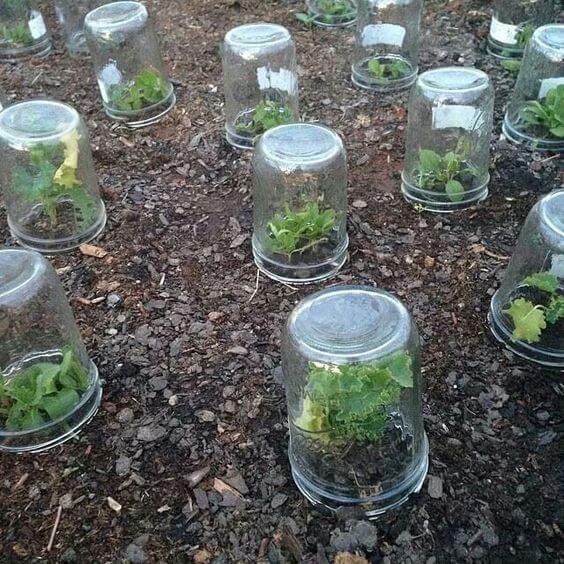
Use mason jars as mini cloches to protect small vegetables from cold nights, light frost, wind, and pests. Place a jar over each plant and press it gently into the soil to create a light seal.
Remove the jars in the morning when temperatures rise so the plants do not overheat.
2. Zero-Dollar Trellis
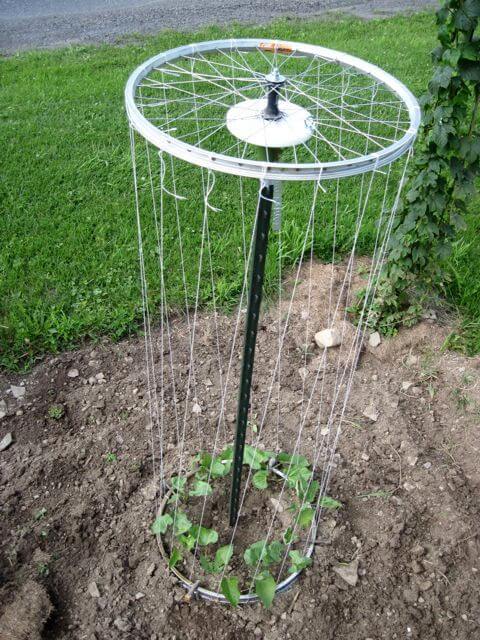
Old bicycle wheels can become a charming trellis for climbing plants. Mount them to a fence, wall, or sturdy post, then guide vines with twine or wire.
This idea adds height, structure, and personality to the garden without costing anything.
3. Gravity-Fed Drip Irrigation
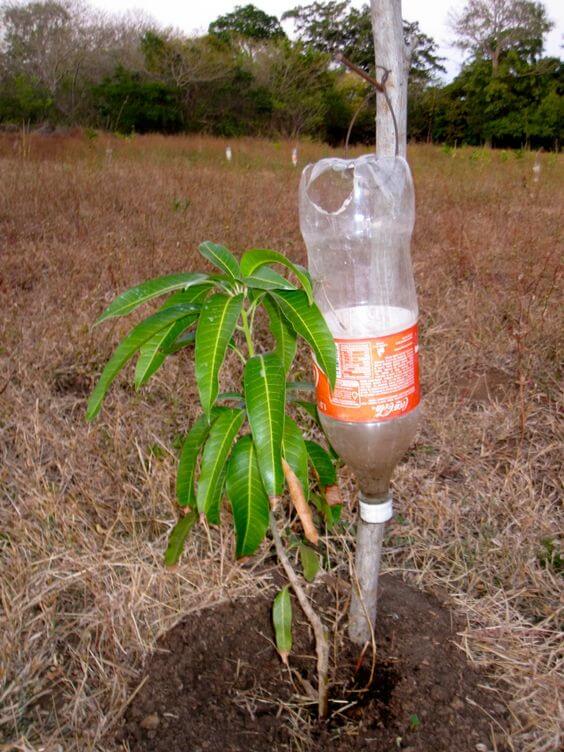
Plastic bottles can be turned into a simple drip irrigation system. Make small holes in the base, hang the bottles above your plants, and allow water to drip slowly toward the roots.
This is especially useful for hot days, dry areas, or gardens without easy access to a hose.
4. Plastic Bottle Fruit Picker
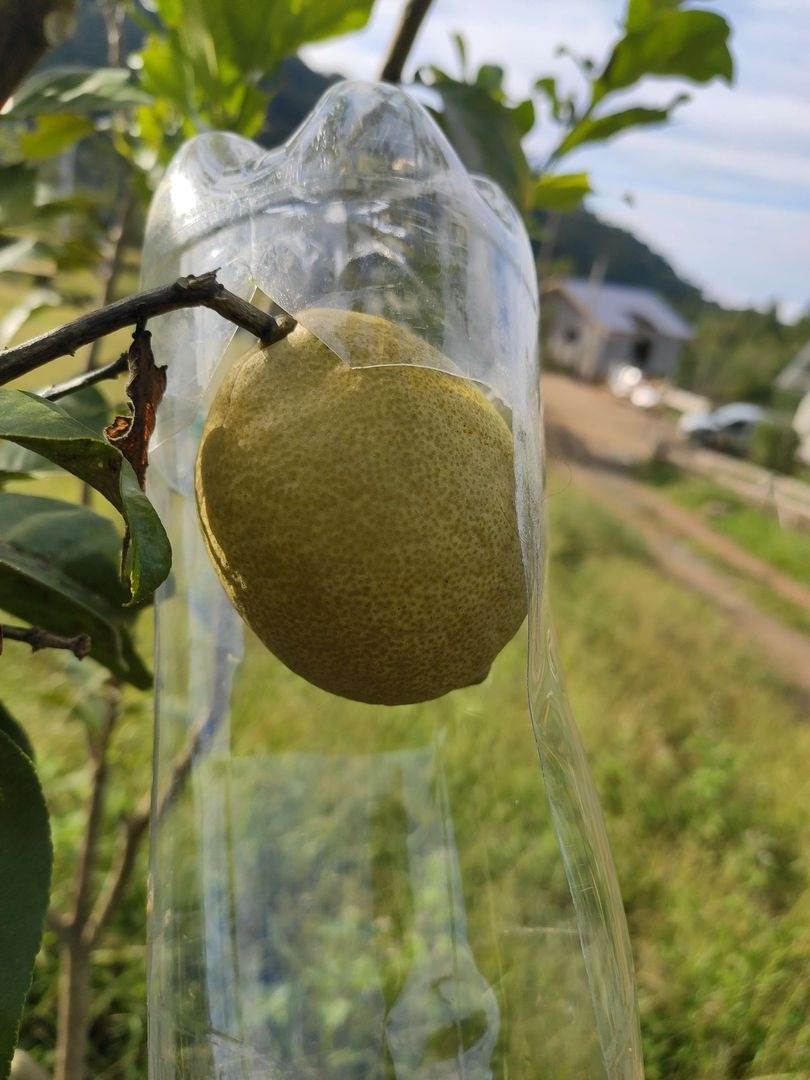
A plastic bottle attached to a long pole makes a handy fruit picker for reaching high branches. Cut an opening near the top of the bottle, secure it to a pole, and use it to gently catch fruit as it drops.
This reduces the need for ladders and helps prevent bruised fruit.
5. Seed Starting in Mini Greenhouses
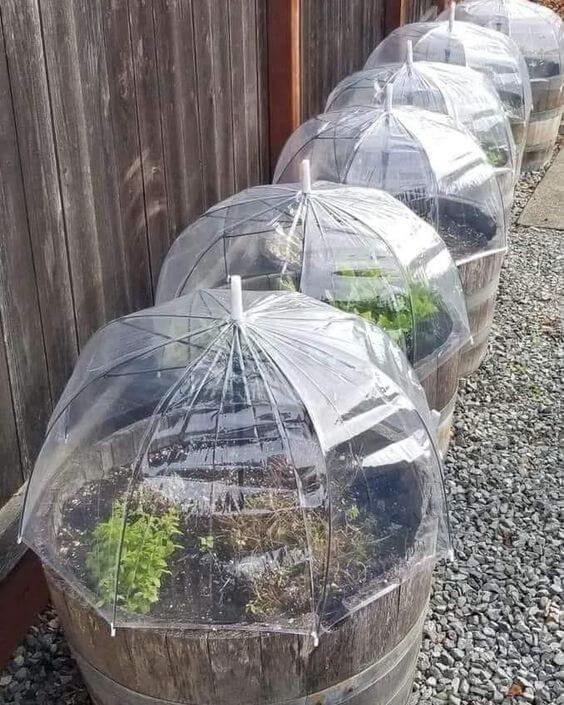
Clear plastic sheeting, old frames, or lightweight covers can create mini greenhouses for young seedlings. These shelters protect tender plants from wind, rain, and chilly weather.
Open the covers during warm parts of the day to improve airflow and prevent overheating.
6. Natural Garden Pest Control
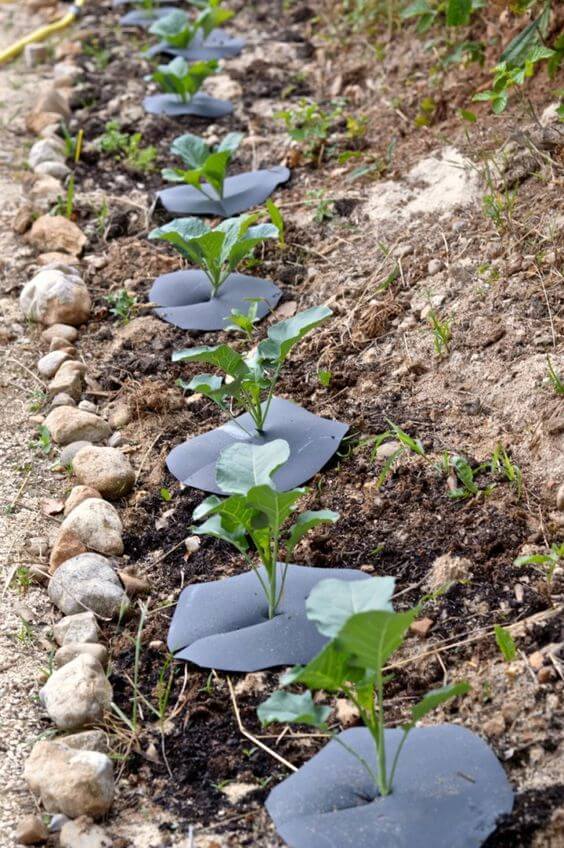
Protect cabbage and similar crops with homemade collars around the stems. Use thick plastic, cardboard, or another sturdy recycled material to block flies from laying eggs near the plant base.
Press each collar firmly against the soil so pests cannot slip underneath.
7. Cutworm Stem Protection
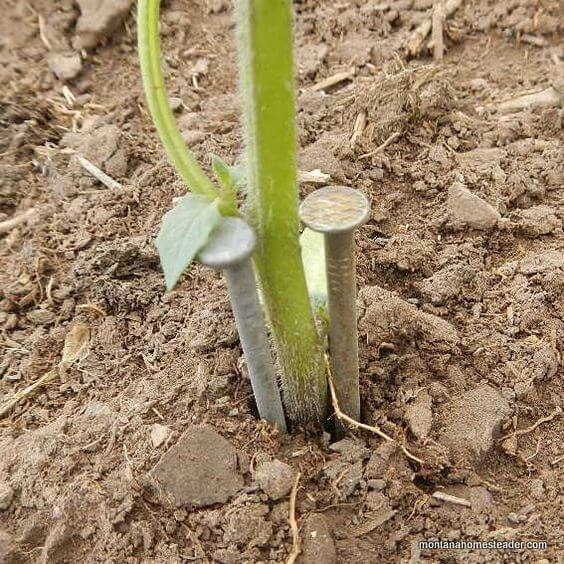
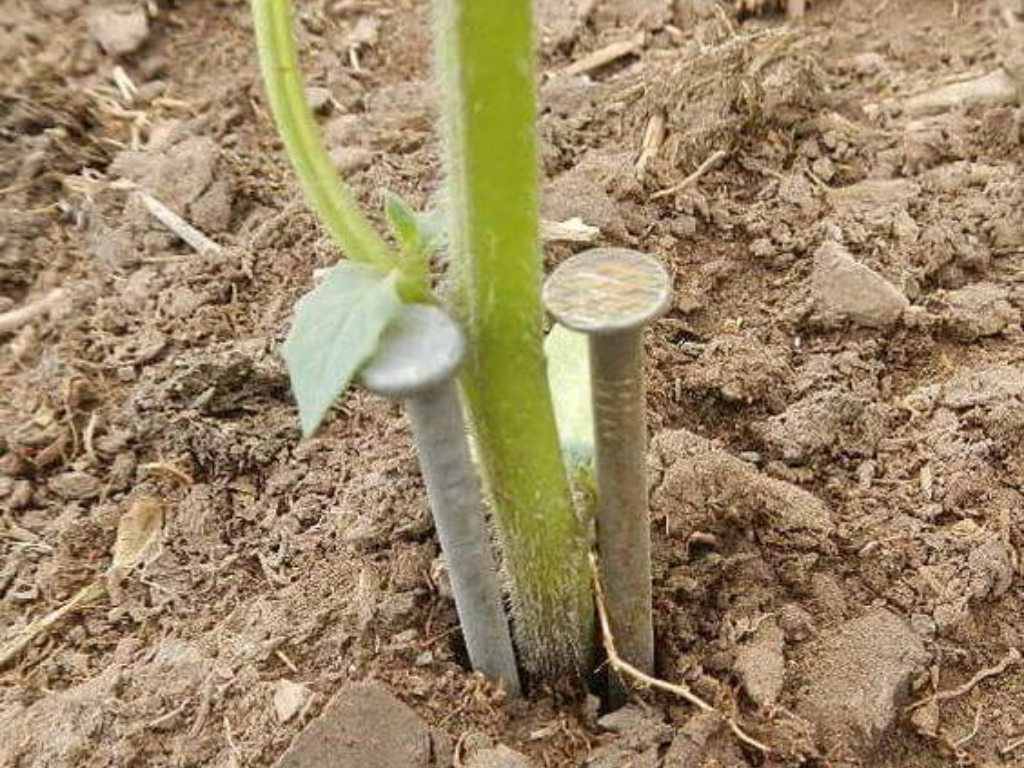
Cutworms damage seedlings by wrapping around the stem and chewing through it. Prevent this by placing toothpicks, short straws, or small sticks beside the stem.
The barrier stops cutworms from curling around the plant and cutting it down.
8. DIY Slug Collars
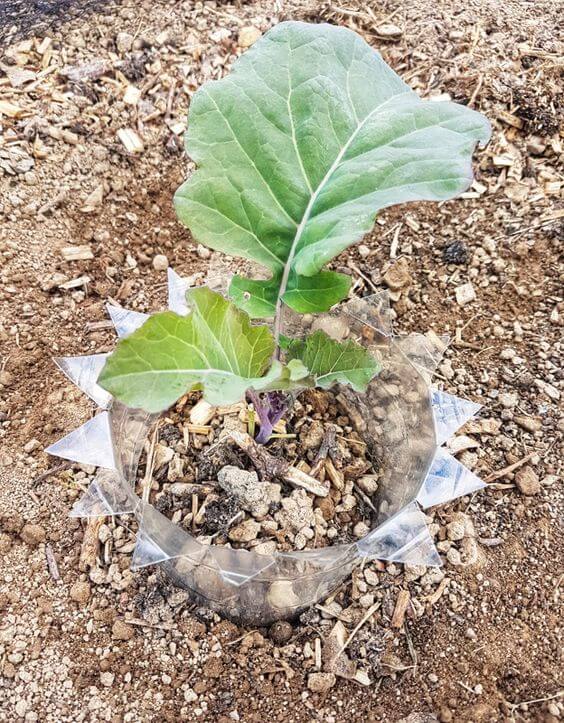
Turn plastic bottles into slug collars by cutting them into rings and shaping one edge into outward-facing spikes. Place a collar around each seedling and push it slightly into the soil.
This creates a simple physical barrier that makes it harder for slugs to reach your plants.
9. Cardboard Barriers for Young Plants
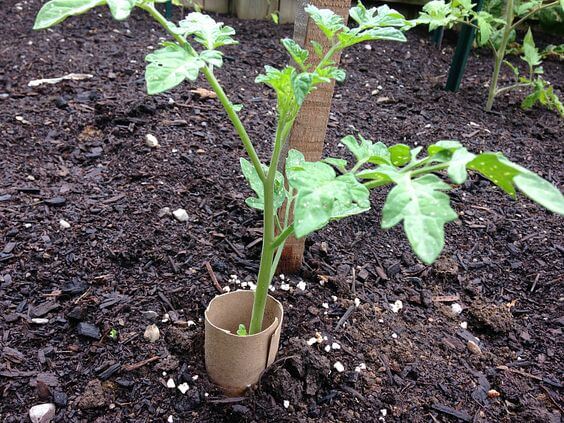
Toilet paper rolls and paper towel tubes make excellent protective collars. Cut them into short sections, split them lengthwise, and wrap them around young tomatoes, peppers, sunflowers, or other seedlings.
Push the bottom of each tube about an inch into the soil to block cutworms moving near the surface.
10. Newspaper Weed Barrier
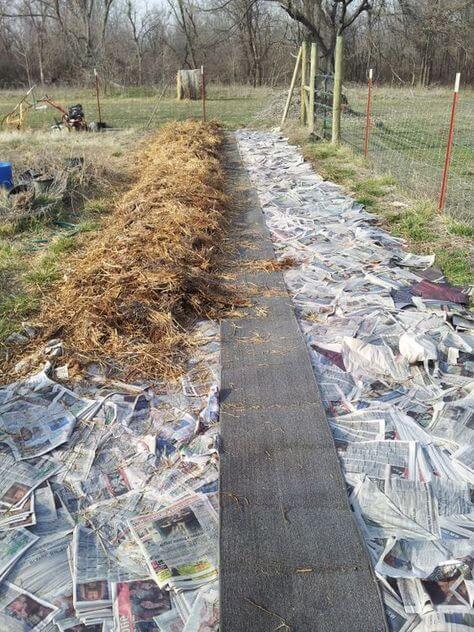
Old newspapers can suppress weeds and help the soil hold moisture. Lay two or three sheets around plants, overlap the edges, dampen them with water, and cover with mulch if available.
Use plain black-and-white pages and avoid glossy or heavily colored paper.
11. Easy Lawn Edging
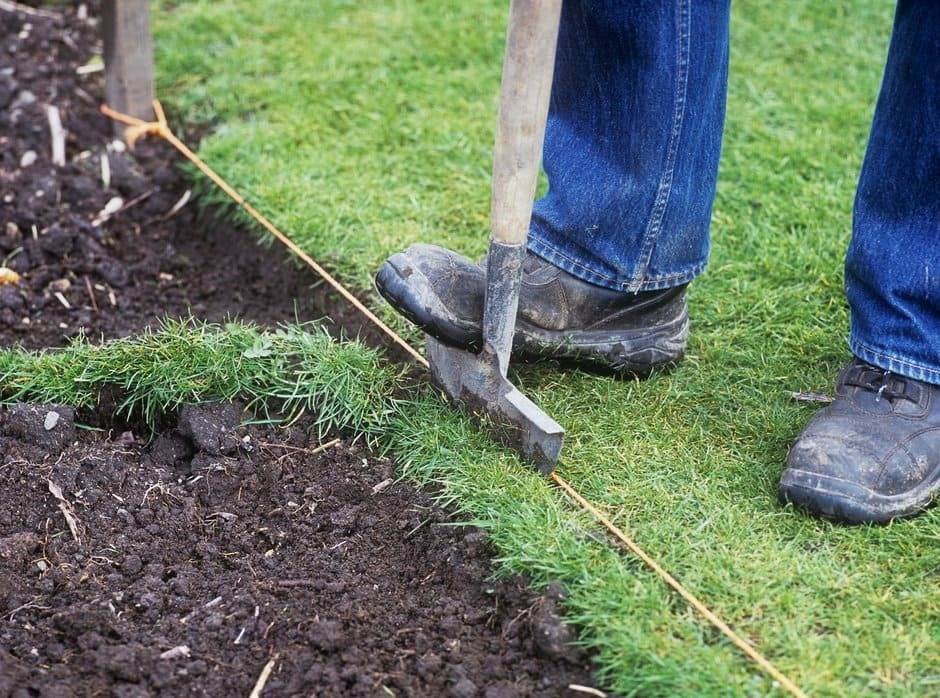
A clean lawn edge instantly makes a garden look neater. Use a sharp spade or edging tool to define borders between grass, beds, and paths.
Regular edging keeps grass from creeping into planting areas and gives the garden a tidy, maintained finish.
12. Simple Pea Trellis
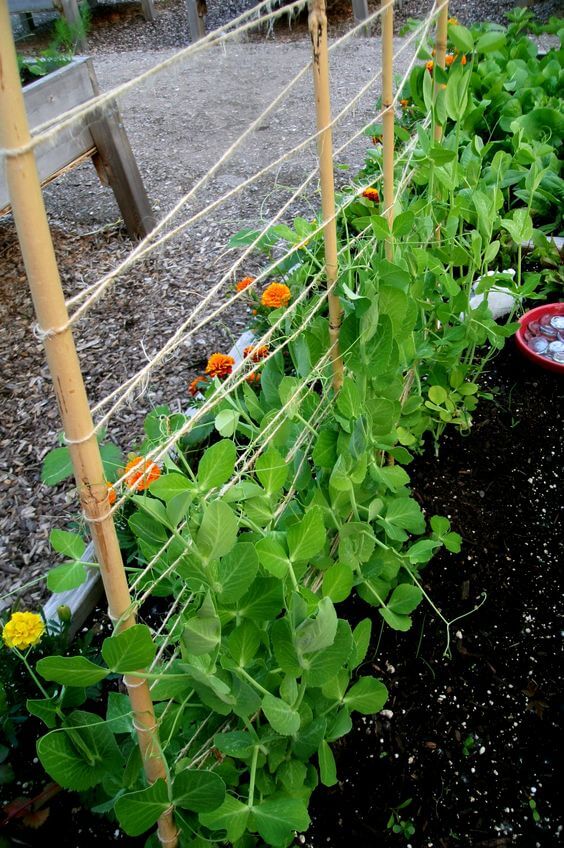
Long, straight branches can become a rustic trellis for peas and beans. Push the branches into the soil, tie the tops together, and add horizontal twine as the plants grow.
This keeps vines off the ground, saves space, and makes harvesting easier.
13. Blanching Leeks with Toilet Rolls
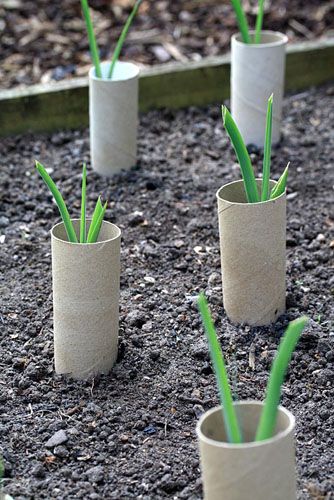
Empty toilet paper rolls can help blanch leeks by blocking sunlight from the lower stems. Slide a roll around each leek and press it gently into the soil.
As the leek grows, add more cardboard tubing to encourage longer, paler, more tender stems.
14. Plant Markers from Broken Pots
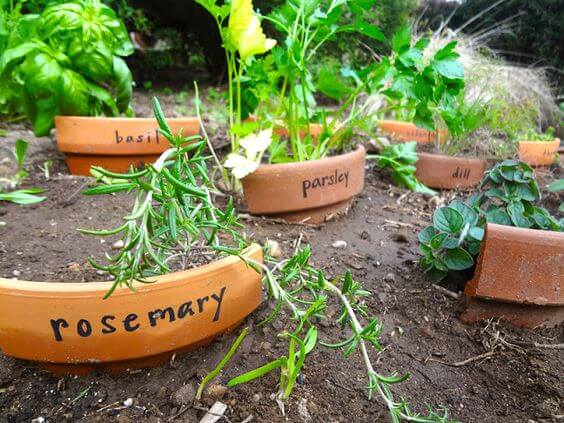
Broken terracotta pots can be reused as plant markers. Write the plant name on each shard and place it near the correct seedling or row.
This reduces waste while adding a rustic, handmade touch to your garden beds.
15. Fast Garden Tool Cleaning
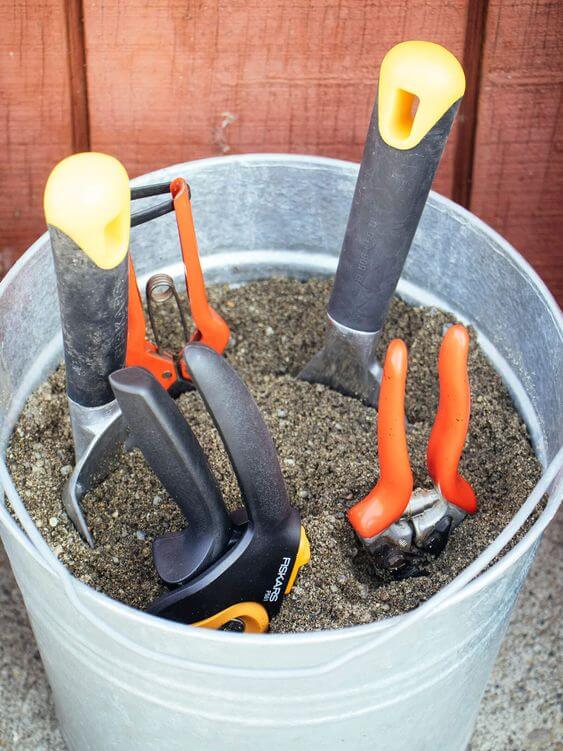
Clean garden tools after use to prevent rust, extend their life, and reduce the spread of plant disease. Brush off soil, wipe the metal parts, and let the tools dry before storing.
For regular maintenance, a quick cleaning routine is often enough to keep tools working well.
16. Lettuce in Cloches
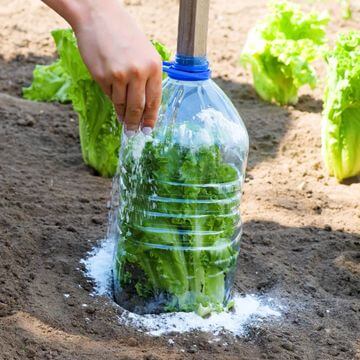
Cloches help lettuce grow in cooler weather by creating a warmer, protected microclimate. They also shield plants from pests, wind, and heavy rain.
Ventilate the cloches on sunny days to prevent heat buildup.
17. Recycled Garden Edging
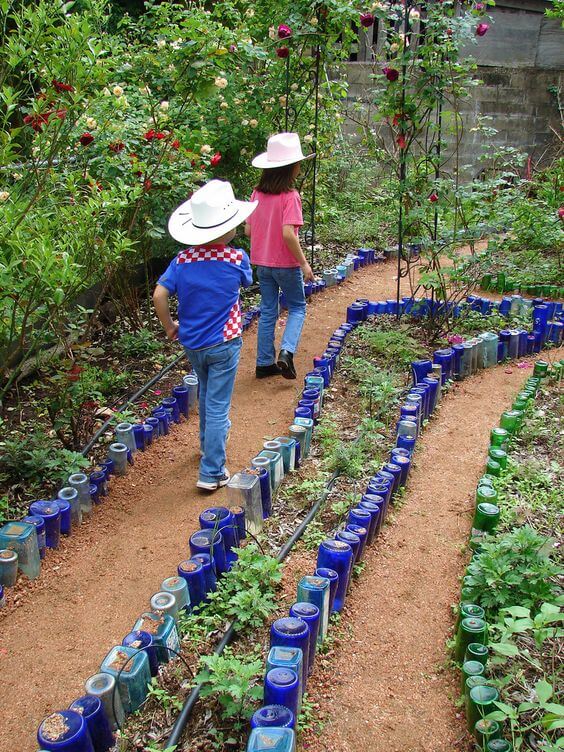
Use recycled materials such as bottles, bricks, stones, wood scraps, or broken tiles to edge garden beds and paths. Dig a shallow trench, set the materials in place, and press soil around them for stability.
This gives your garden definition while keeping useful materials out of the trash.
18. Protect Green Bean Seedlings
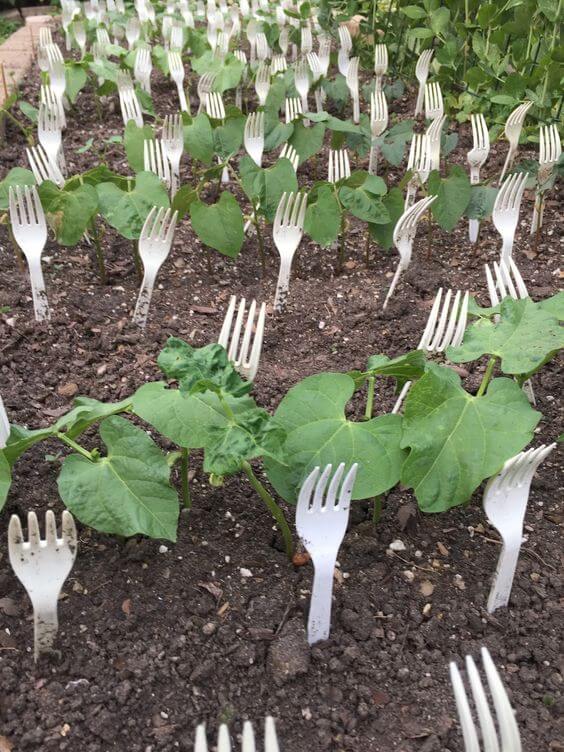
Plastic forks can protect young seedlings from small animals that dig in garden beds. Push the forks into the soil around the plants with the prongs facing upward.
The forks create a discreet barrier while still leaving room for seedlings to grow.
Final Thoughts
These free garden hacks prove that resourcefulness can be just as valuable as expensive supplies. By reusing bottles, jars, cardboard, branches, newspapers, and broken pots, you can protect plants, reduce waste, and grow a healthier garden.
Try a few of these ideas this season and turn everyday items into practical garden tools.
