
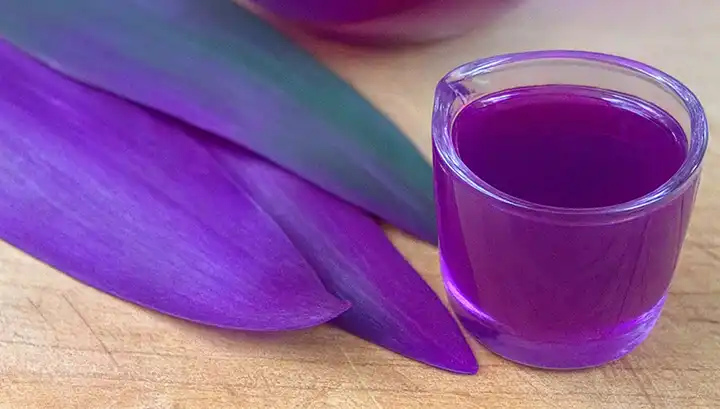
The Purple Maguey (Agave atrovirens or some regional variants of Agave americana) is a remarkable succulent plant native to Mexico and Central America. Renowned for its deep purple or purplish tinted leaves as well as its thick rosette, this plant has been valued for centuries not only for its aesthetic qualities and its use in producing pulque and mezcal, but also for its powerful medicinal virtues.
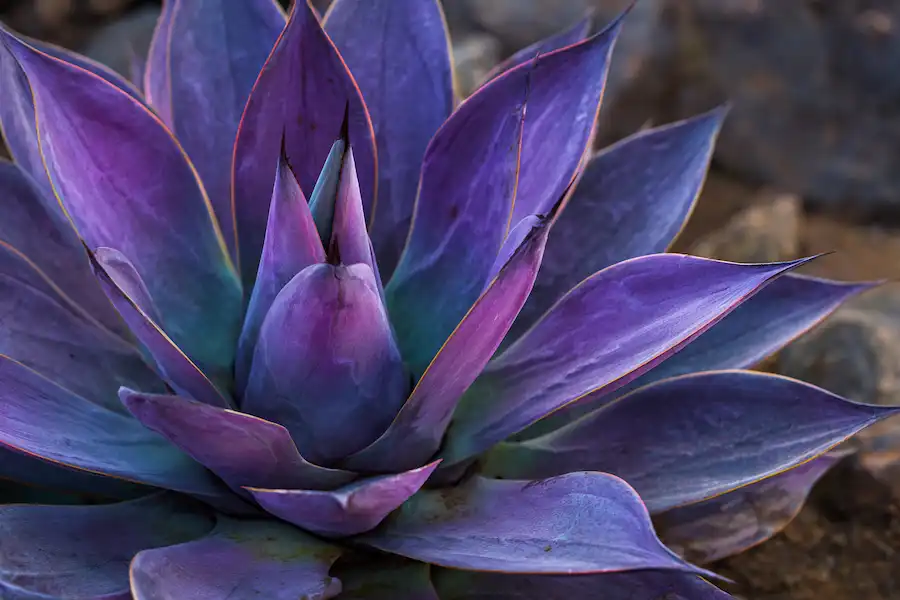
From traditional Aztec medicine to modern herbalism, the purple maguey is recognized as a natural healer. Here is a detailed analysis of the health benefits, traditional uses, and scientific knowledge surrounding this exceptional plant.
1. Impressive Anti-Inflammatory Properties
Indications: joint pain, swelling, arthritis, injuries
Traditional healers have long applied crushed leaves or maguey sap directly to inflamed joints and swollen areas. This natural remedy is reputed to reduce inflammatory cytokines, thanks to the presence of saponins and flavonoids found in the leaves.
How to use: application as poultices with fresh leaves or topical application of the juice
Modern approach: studies confirm that agave sap contains anti-inflammatory compounds capable of reducing local inflammation when applied to the skin.
2. Acceleration of Wound Healing and Skin Regeneration
Indications: burns, cuts, ulcers, skin infections
The gel contained in the purple maguey leaves acts similarly to aloe vera. It promotes faster healing by keeping wounds moist, supplying antimicrobial compounds, and stimulating tissue regeneration.
Traditional use: an opened leaf applied directly on wounds, especially in rural areas lacking modern medical care
Scientific note: agave sap contains fructans and steroidal compounds that encourage cell repair and combat bacterial proliferation.
3. Detoxification and Liver Support
Indications: hepatic stagnation, poor digestion, toxin accumulation
In traditional Mexican medicine, an infusion made from maguey leaves or roots was used to “purify the blood” or cleanse the liver. Although the mechanism was not understood at the time, current research confirms that certain agave species can stimulate bile secretion and detoxifying enzymes in the liver.
Consumption: light decoction of dried or fresh leaves
Precaution: moderate use recommended; excessive consumption can irritate the digestive system.
4. Antimicrobial and Antifungal Effects
Indications: skin infections, fungal infections, athlete’s foot
Purple maguey is used locally to treat infections caused by bacteria or fungi. The juice and leaf extracts possess natural antiseptic and antifungal properties useful for disinfecting wounds and preventing complications.
Main compounds: saponins, inulin, polyphenols
Traditional method: direct application of sap on infected areas or rinsing wounds
5. Regulation of Blood Sugar
Indications: type 2 diabetes, insulin resistance
Although it does not replace medical treatment, purple maguey is sometimes used to help moderate blood sugar. Its natural content of inulin — a prebiotic fiber — can slow glucose absorption and improve gut flora, indirectly contributing to better glucose metabolism management.
Scientific perspective: inulin promotes slowing of carbohydrate absorption and enhances insulin sensitivity according to some studies.
Caution: use strictly controlled or as a dietary supplement, without claiming a unique curative effect.
6. Digestive Stimulant and Prebiotic Source
Indications: constipation, imbalance of gut flora, bloating
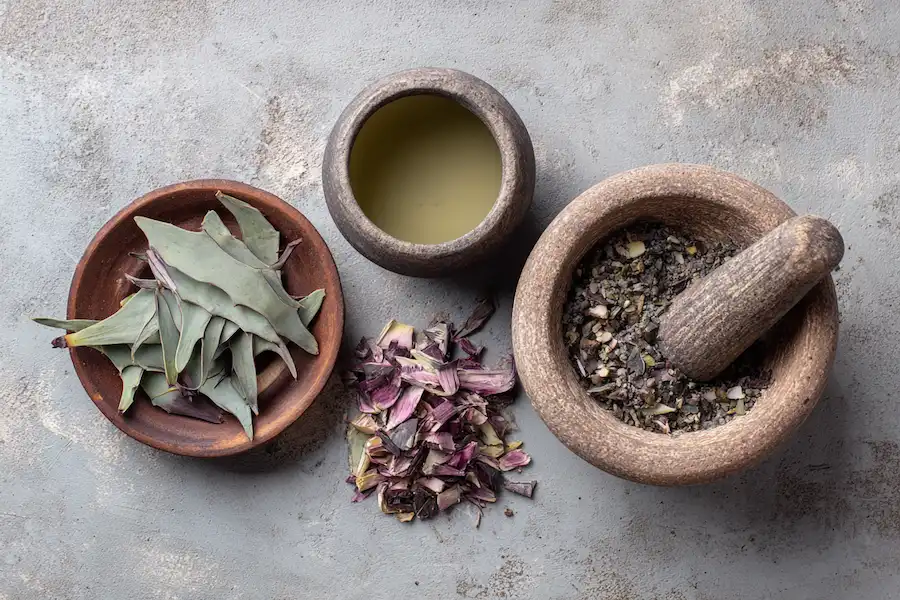
The natural fibers and inulin contained in purple maguey stimulate intestinal transit and nourish the beneficial bacteria of the microbiota. Traditionally, it has been consumed as a mild laxative or digestive tonic, especially after heavy meals.
Preparation method: decoction of the internal parts of the leaf or fermentation of the sap to obtain a light beverage
Contemporary use: prebiotic supplements are now extracted from agave for intestinal health.
7. Immune System Strengthening
Indications: weakened immunity, recurring infections
The active compounds of purple maguey, such as saponins and flavonoids, are recognized for stimulating the immune system. Traditionally, it was administered during seasonal changes or after illness to aid recovery.
Common preparation: leaf extract added to herbal tonics
Scientific approach: early studies show that agave extracts can activate certain immune pathways and reduce oxidative stress.
8. Support for Urinary Health
Indications: urinary infections, water retention
Purple maguey acts as a natural diuretic, helping the body eliminate excess fluids and clear bacteria from the urinary tract.
Traditional treatment: leaf infusion taken over several days to support kidney and bladder health
Benefits: promotes urination and reduces edema caused by water retention
Precautions and Warnings
Despite its many benefits, purple maguey should be used carefully:
Raw sap can irritate sensitive skin.
Excessive consumption can cause digestive issues due to the saponin content.
Always consult an herbalist or healthcare professional before using maguey for therapeutic purposes, especially for internal use.
Traditional Preparation Methods
External use: application of pulp or sap on burns, wounds, and painful joints.
Internal use: light decoction made from small pieces of leaves, rarely consumed raw.
Fermented forms: pulque, a traditional Mexican beverage made by fermenting maguey sap, was prized for its beneficial probiotic effects.
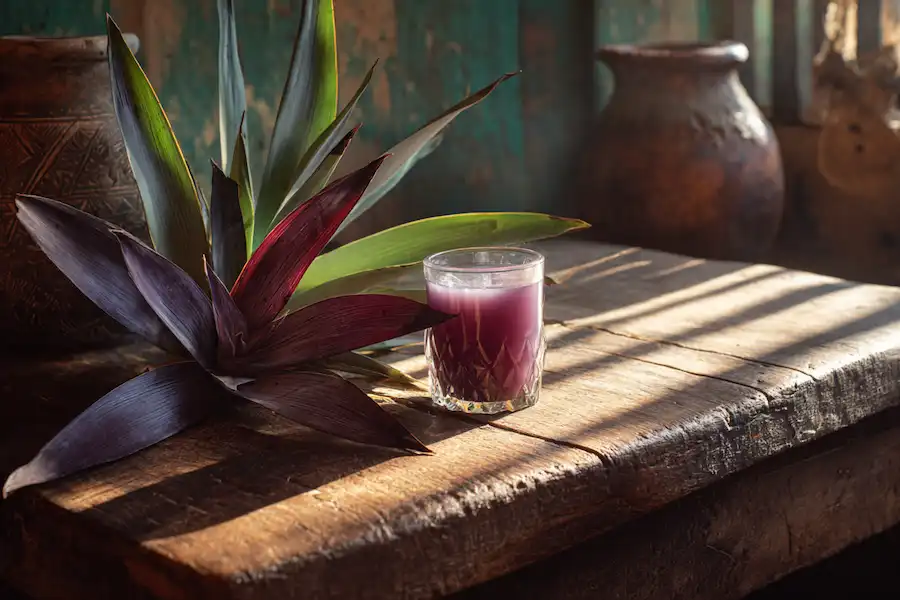
Purple maguey is much more than a decorative succulent plant: it is a symbol of ancient knowledge in traditional medicine. From fighting inflammation and infections to supporting blood sugar and liver health, this vibrantly colored plant remains a precious natural ally. As scientific research continues to explore its full potential, the millennia-old use of purple maguey reminds us that some of the most effective remedies from nature quietly grow in our everyday environment.
