

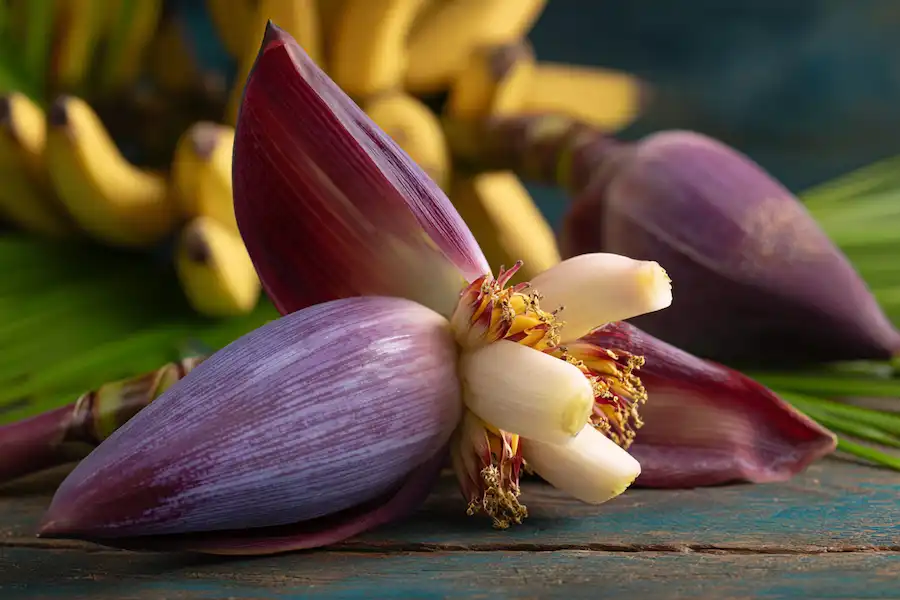
Although often overlooked in Western cooking, the banana flower—also known as the banana blossom or heart of banana—holds significant importance in many Asian cuisines. This violet, teardrop-shaped inflorescence at the end of a banana cluster is more than just an exotic appearance: it is an exceptional nutritional source and a natural remedy used for centuries to support women’s health, digestion, the immune system, and even diabetes control.
Let’s explore together the scientific basis of its benefits, traditional uses, and delicious recipes to prepare banana flower at home.
What is the Banana Flower?
The banana flower consists of layers of bracts resembling petals, which enclose clusters of small edible flowers. When cooked, it has a tender texture and a slightly bitter, nutty flavor reminiscent of artichoke or jackfruit.
It is available fresh or canned in many Southeast Asian markets and is gaining global popularity thanks to its culinary versatility and therapeutic properties.
Health Benefits of Banana Flower
1. Hormonal Balance and Menstrual Cycle Support
Why it matters: In Ayurvedic medicine and Asian traditions, banana flower is recognized for regulating menstrual cycles and reducing symptoms such as heavy bleeding, cramps, or hormonal acne.
How it works: Rich in phytoestrogens and flavonoids, it naturally helps balance progesterone and estrogen levels. Additionally, its iron content compensates for blood loss during menstruation.
2. Enhances Lactation in Nursing Mothers
Why it matters: Many new mothers struggle to produce enough breast milk.
How it works: Considered a galactagogue, banana flower stimulates breast milk production. Its abundance in calcium, magnesium, and fiber nourishes both mother and baby.
In Sri Lanka and southern India, banana flower curry is a traditional dish served to breastfeeding women to boost lactation.
3. Supports Weight Loss and Appetite Control
Why it matters: As a low-calorie, fiber-rich food, banana flower prolongs satiety and curbs overeating.
How it works: The fibers slow digestion and stabilize blood sugar levels. Furthermore, the flower’s mildly bitter compounds can naturally reduce sugar cravings.
4. Natural Diabetes Management
Why it matters: Diabetes, a chronic condition affecting millions, requires strict dietary control.
How it works: Studies show banana flower has a low glycemic index and improves insulin sensitivity. It regulates blood sugar by slowing carbohydrate absorption.
5. Promotes Digestive Health
Why it matters: A sluggish digestive system can cause bloating, constipation, and intestinal inflammation.
How it works: Its rich insoluble fiber content enhances bowel movement and supports healthy gut flora. Moreover, its antioxidants help reduce intestinal inflammation.
6. Strengthens the Immune System and Fights Infections
Why it matters: A strong immune system is essential to fend off viruses, bacteria, and other pathogens.
How it works: Banana flower is packed with vitamin C, tannins, flavonoids, and antimicrobial compounds that boost immunity and lower the risk of infections, including urinary and skin infections.
7. Lowers Bad Cholesterol (LDL)
Why it matters: High LDL cholesterol is a major risk factor for heart disease and stroke.
How it works: Banana flower contains phytosterols which compete with cholesterol during intestinal absorption, helping to decrease LDL while maintaining healthy HDL levels.
8. Rich in Antioxidants – Slows Aging
Why it matters: Oxidative stress is a leading cause of premature aging and chronic diseases.
How it works: Banana flower is a notable source of antioxidants such as catechins and quercetin, which protect cells from free radical damage and slow cellular aging.
9. Improves Kidney Health
Why it matters: Healthy kidneys are essential for detoxification and electrolyte balance.
How it works: The potassium and magnesium in banana flower help regulate blood pressure and ease kidney workload. Its diuretic properties also aid in toxin elimination.
How to Cook Banana Flower
Banana flower can be eaten raw, steamed, boiled, or stir-fried. However, it is especially valued as a plant-based substitute for fish due to its layered, fleshy texture when cooked.
Preparing Fresh Banana Flower
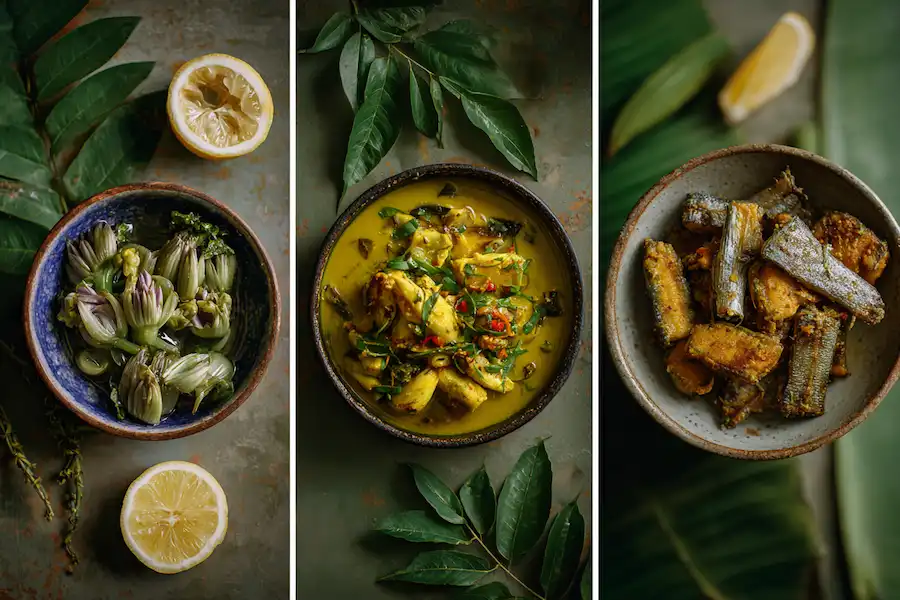
Remove the tough violet outer layers.
Cut the pale inner petals and small flowers.
Soak them in lemon or vinegar water to reduce bitterness and prevent discoloration.
Popular Banana Flower Recipes
1. Vegan “Fish” Banana Flower
Ingredients: banana flower, nori seaweed, lemon juice, flour, garlic, spices.
Coated in batter and pan-fried to mimic fried fish.
This recipe offers a rich texture perfect for plant-based diets.
2. Banana Flower Curry
A traditional dish in India and Sri Lanka.
Prepared with coconut milk, turmeric, mustard seeds, and chili.
It offers a balanced contrast between the flower’s bitterness and creamy, spicy flavors.
3. Thai Banana Flower Salad (Yum Hua Plee)
A refreshing and tangy salad made with lime juice, roasted peanuts, and aromatic herbs.
Often served as an appetizer or side dish in Thai cuisine.
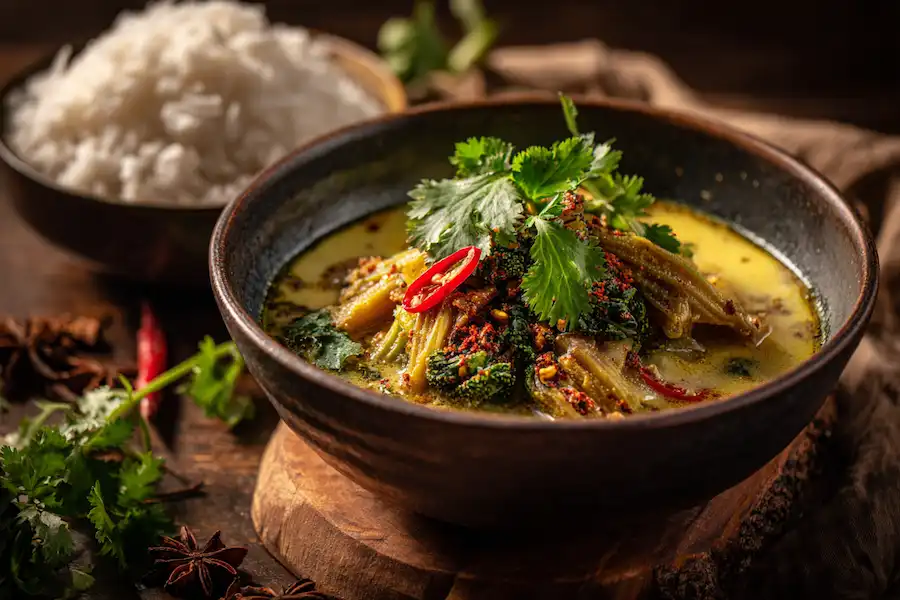
4. Banana Flower Soup (Puso ng Saging – Filipino)
A restorative broth with ginger, banana flower, garlic, and sometimes fish or tofu.
Where to Find It
Fresh: available in Asian or Indian grocery stores.
Canned: found online or in specialty aisles, often preserved in brine.
Dried or powdered: used for medicinal teas or health supplements.
Precautions and Tips
Avoid raw consumption if you have a sensitive stomach: cooking reduces bitterness and softens the fibers.
Pregnant women should consult a healthcare provider before medicinal use.
Check for any allergies, especially if you are sensitive to banana latex.
The banana flower is not just a culinary treasure: it is a true nutritional and medicinal ally. Whether to balance hormones, lose weight, strengthen your immune defenses, or better manage diabetes, this powerful flower deserves a place in your kitchen and wellness routine.
In curry, salad, or soup, adding banana flower to your diet is a flavorful way to reconnect with the healing potential of nature.
