
An Ancient Symbol Often Misunderstood
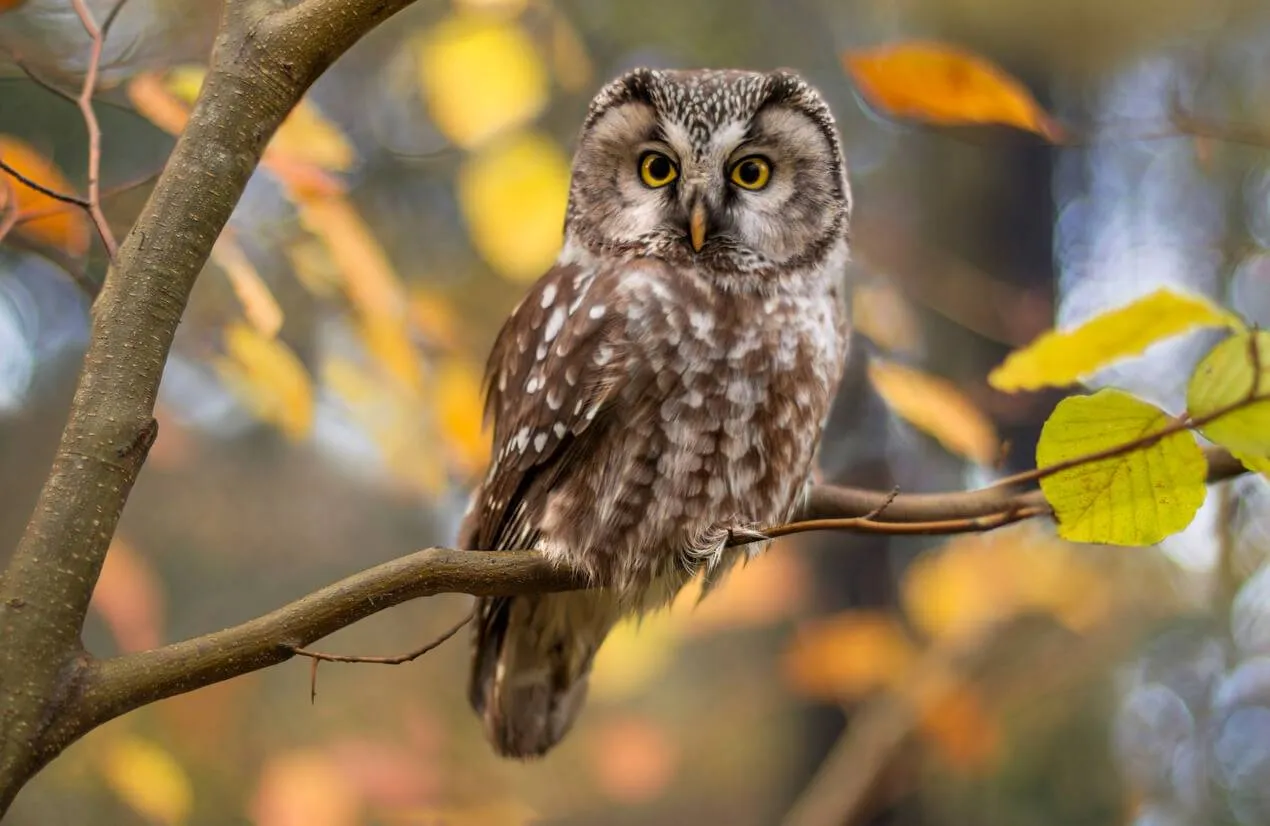
Since time immemorial, the owl has inspired curiosity and mystery. In many cultures, it symbolizes wisdom, deep contemplation, and the ability to perceive what escapes others, even in total darkness. This symbolic image largely stems from its behavior: a calm, watchful, and discreet bird. However, conversely, in certain popular beliefs, the owl is seen as a troubling omen because it is nocturnal and silent. These portrayals often descend into folklore and are not based on any concrete evidence.
A Predator Perfectly Equipped for the Night
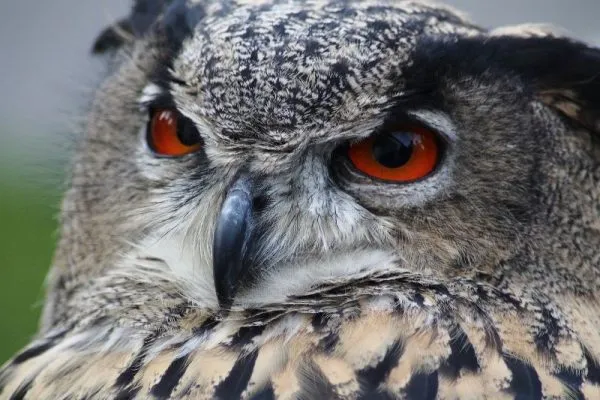
The owl is a true master of the night. Adapted to a nocturnal lifestyle, its sharp eyesight allows it to detect the slightest movements in low light conditions. Its hearing is remarkably fine, capable of locating prey solely by sound. Additionally, its flight is nearly silent thanks to a unique feather structure. These abilities make it an exceptionally efficient hunter. If it comes prowling near your home, it simply means it has found an environment that meets its needs.
Why Does Your Neighborhood Attract an Owl?
The presence of an owl is generally no coincidence. Gardens, dense hedges, surrounding fields, and even certain buildings can serve as excellent observation and resting spots. If your garden or its surroundings shelter small mammals, insects, or other prey, they provide an ideal food source. Furthermore, owls prefer quiet places to perch or rest, away from the hustle and bustle of human activities.

A Discreet Ally in Maintaining Natural Balance
Contrary to some common misconceptions, having an owl nearby is actually beneficial. By feeding on rodents and insects, it helps naturally regulate these populations. This control helps prevent pest invasions without resorting to artificial or chemical methods. In this way, the owl acts as an invisible guardian of ecological balance, living in harmony with its environment.
A Revealing Sign of a Healthy Environment
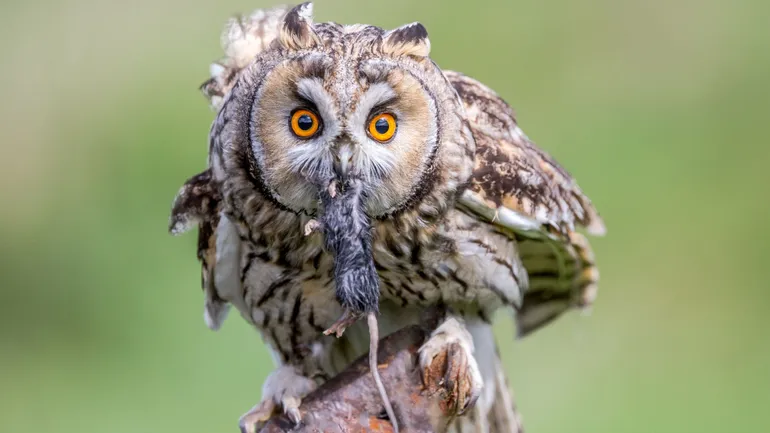
Owls do not settle just anywhere. Their presence often signals a relatively preserved habitat, capable of supporting sufficient biodiversity to sustain them. Therefore, if an owl frequents your neighborhood, it likely indicates that your living environment is more favorable to local wildlife than you might have imagined. This is a positive sign revealing the quality and vitality of the ecosystem.
Living in Harmony with an Owl
The key to peaceful coexistence lies in respecting this wild bird. It is not a domesticated animal, so it is important to avoid approaching it or disturbing its natural habitat. Limiting the use of pesticides and other chemicals in your garden, along with preserving nearby green spaces, greatly supports its well-being. By demonstrating discretion and avoiding sudden or intrusive actions, coexistence becomes simple and natural.
Encouraging Its Presence Without Disrupting Its Balance
Some people choose to install nest boxes specifically designed for owls or to create quiet zones within their gardens. Such initiatives should always be undertaken with respect and caution, never forcing nature’s hand. Creating a calm environment and avoiding excessive nighttime lighting is often enough to provide a secure refuge for this discreet bird of prey.
Changing Our Perspective on the Owl
Rather than seeing an owl as a worrying omen, its arrival can be interpreted as an invitation to slow down, observe, and reconnect with the nature that surrounds us. It reminds us that wildlife continues its course even when everything seems asleep. Welcoming the fleeting presence of this nocturnal visitor means embracing a bit of mystery and opening ourselves to a form of essential natural harmony.
