
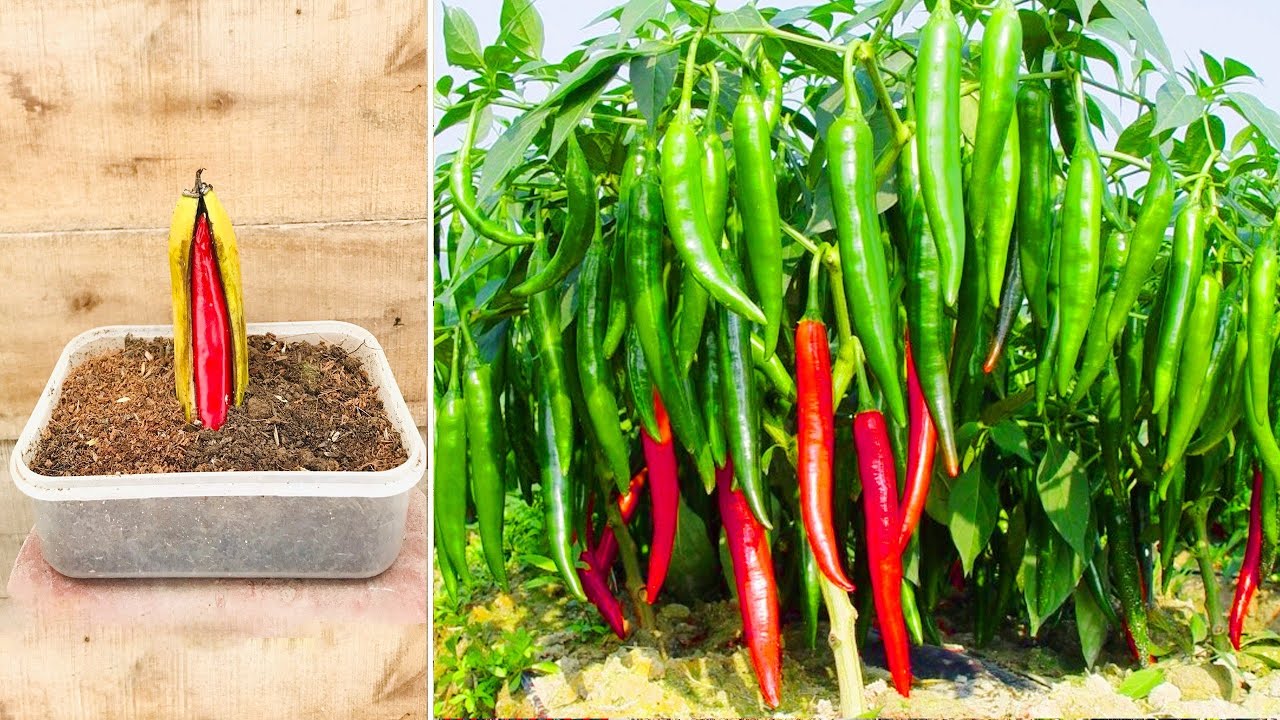
Growing Chillies in Your Climate: A Comprehensive Guide
Believe it or not, growing chillies in a variety of climates is very achievable! This detailed guide offers valuable insights into how to successfully cultivate and care for chillies in your environment.
Optimal Conditions for Growing Chillies
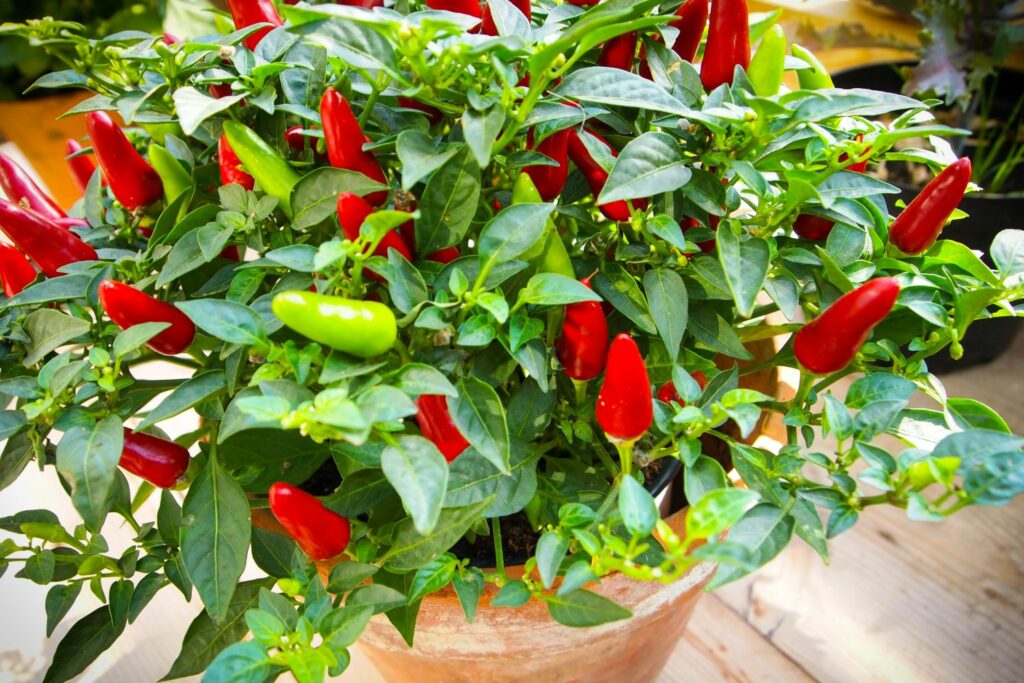
Understanding the native habitat of the chilli plant is crucial for providing the best care. Originating from the warm, sunny regions of Mexico, the Capsicum genus, which includes modern chilli peppers, thrives under similar conditions. Chillies require a bright, sunny location with good air circulation to prosper. They can be grown successfully in pots or garden beds, ideally situated in a sunny corner of a greenhouse or in a garden spot protected by a wall to provide additional warmth and light.
Chilli plants prefer soil that is moist, loose, and nutrient-rich. When planting outdoors, aim for soil with a neutral to slightly acidic pH. Adding compost before planting supplies the essential nutrients needed by these nutrient-demanding plants to grow healthily.
Ideal Locations for Chilli Plants
- Sunny and warm spots
- Good air circulation
- Moist, nutrient-dense soil with a neutral to slightly acidic pH
- Enrich soil with compost and slow-release fertilizer at planting time
Timing for Planting Chillies
Because chillies have a slow maturation process, it’s best to start sowing as early as January. Plan to transplant your plants outdoors by mid-May. Before moving them permanently outside, acclimate the plants by placing them outdoors during the daytime and bringing them indoors at night. This “hardening off” process prepares them for outdoor conditions and exposure to sunlight.
Cultivating Chillies from Seeds
For gardeners with some experience, growing chillies from seed—particularly exotic varieties—is an exciting challenge. Success hinges on starting early, as many chilli varieties require over 100 days from sowing to harvest. For best results, sow seeds between mid-January and early March.
Before sowing, soak the seeds in lukewarm water for a few hours to “wake” them, dissolving germination inhibitors and readying the seeds for growth.
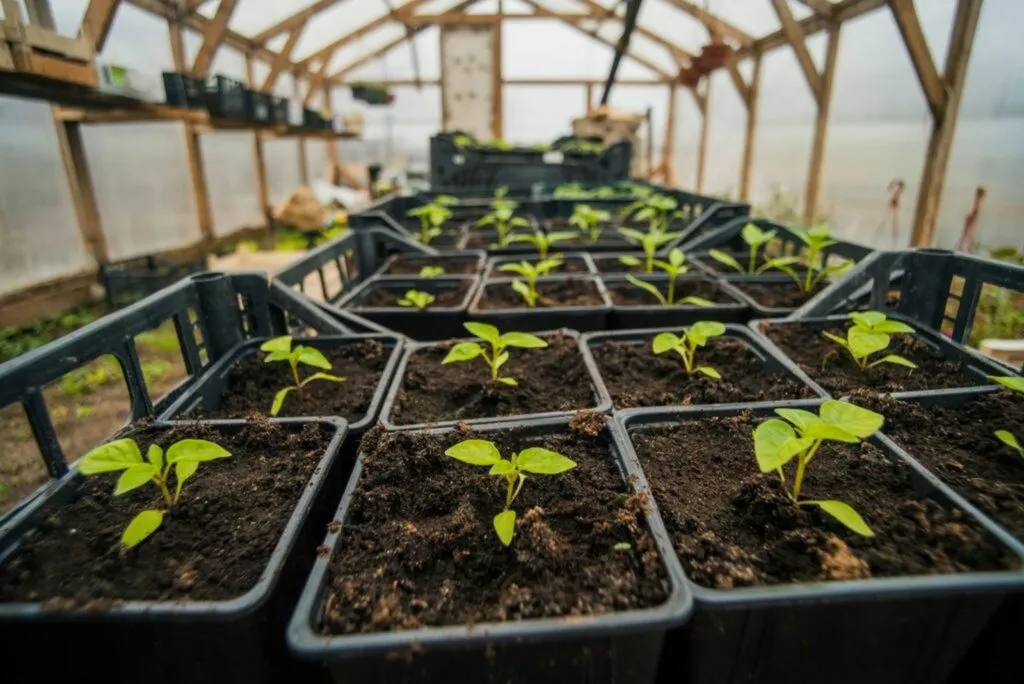
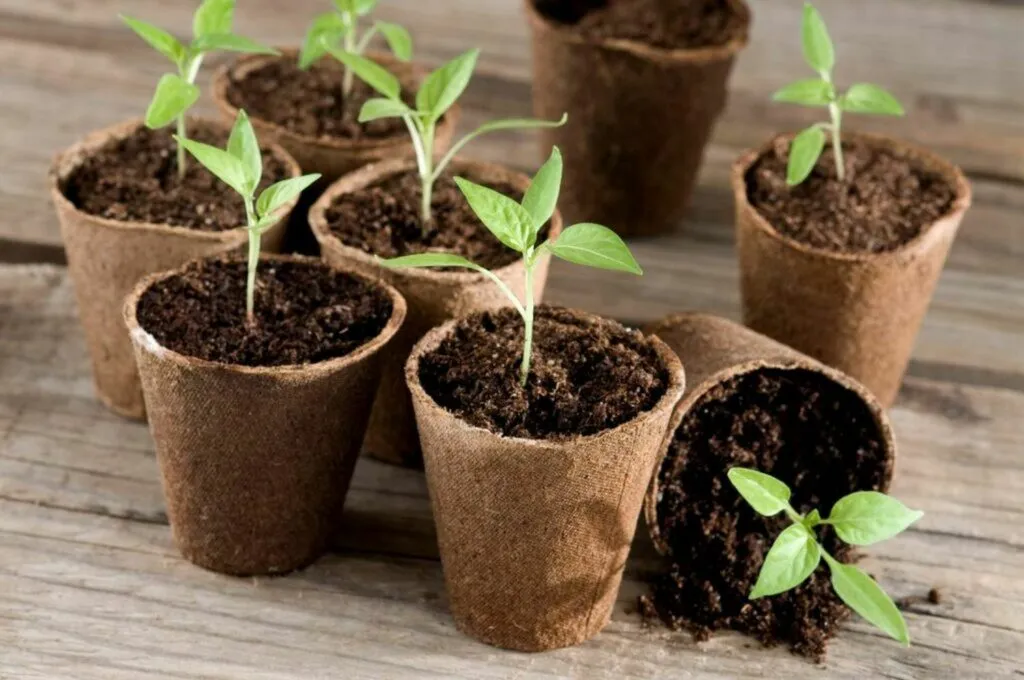
After soaking, plant 3 to 4 seeds per pot in soil, covering the seeds fully, as chillies require darkness to germinate. Keep the soil moist and place the pots in a warm environment of at least 20°C with plenty of light. A mini-greenhouse or propagator is ideal, though ensure frequent ventilation to prevent mold and overheating.
When the seedlings develop their second set of leaves, transplant them into nutrient-rich soil. At this stage, it is vital to keep the soil moist but not soggy.
Steps for Growing Chillies
- Sow seeds indoors between January and March
- Pre-soak seeds in warm water before planting
- Plant 3-4 seeds per pot in soil, ensuring coverage for darkness
- Keep pots in a warm (20°C), well-lit spot
- Maintain moist soil conditions and provide good ventilation
- Transplant seedlings after the second set of leaves has developed
Planting Out Your Chillies
When the weather outside is consistently warm and you have selected a perfect location, it is time to move your chilli plants outdoors. Prepare the soil by loosening it thoroughly and enriching it with compost and slow-release fertilizer.
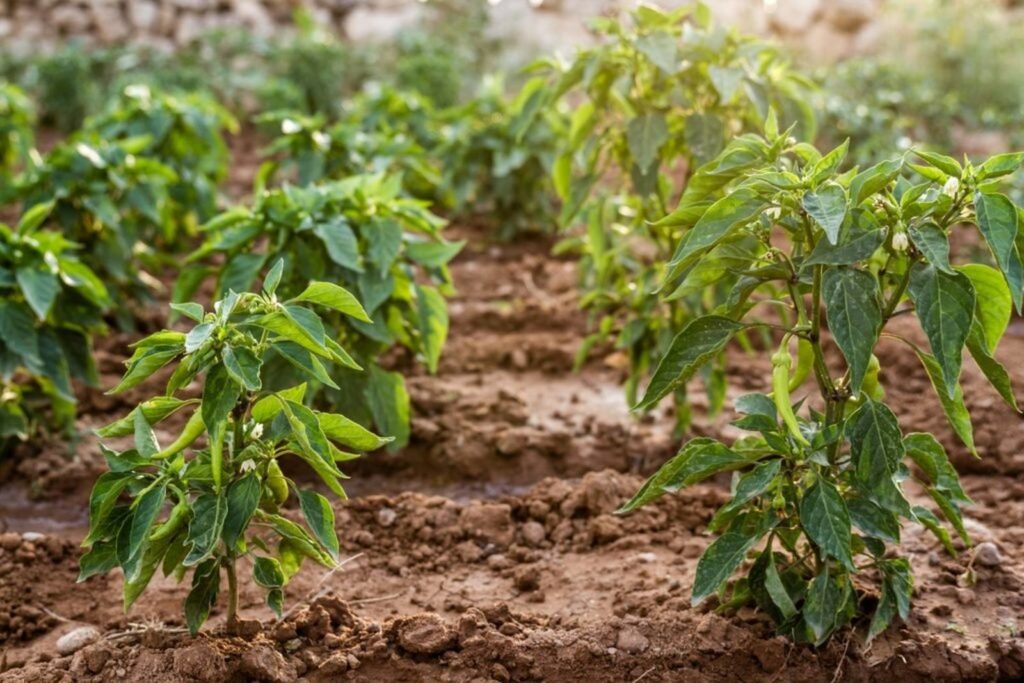
Space the plants at least 40cm apart, making sure the entire root ball is planted below the soil surface. Support each plant with a stick or cane, and water them generously after planting.
Steps for Planting Out Chillies
- Loosen the soil and add compost or fertilizer
- Maintain a plant spacing of at least 40cm
- Support plants with stakes or canes
- Water thoroughly after transplanting
Additional Tip: When growing chillies in garden beds, consider covering the soil with a plastic mulch sheet to suppress weeds, reduce water evaporation, and warm the soil. Cut slits in the sheet to plant your chillies through.
By following these comprehensive steps, you can nurture a flourishing garden of vibrant, flavorful chillies right in your home or garden space.
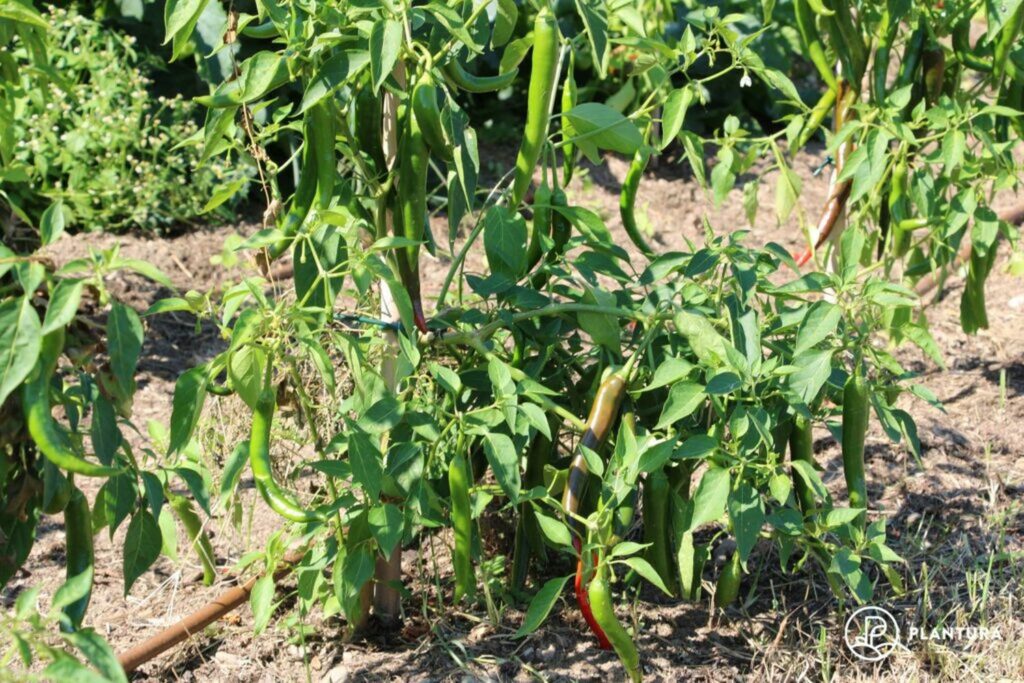
Cultivating Chillies in Various Environments: A Comprehensive Guide
You might be surprised, but chillies can thrive in a wide array of climates! This in-depth guide covers the best environments and techniques for successful chilli cultivation.
Growing Chillies: Choosing the Right Environment
The chilli plant, part of the Capsicum genus and native to the hot, sunny climes of Mexico, grows best under similar warm and bright conditions. Choose a location that offers plenty of sunlight and good ventilation; chillies do well both in pots and garden beds when exposed to ample heat and air flow.
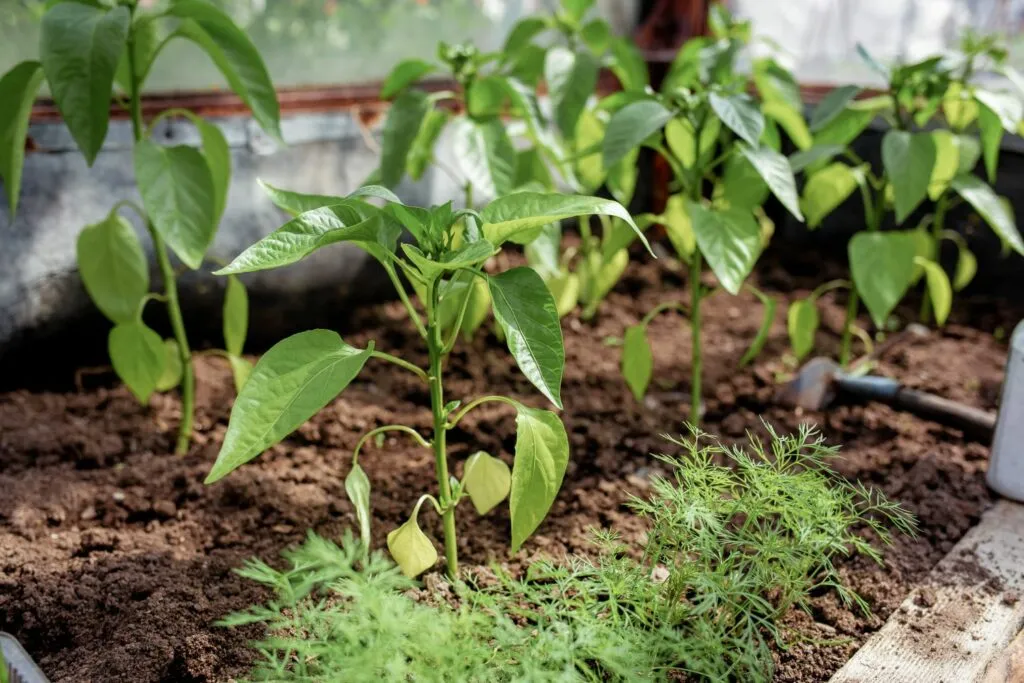
Chilli plants favor soil that is loose, moist, and rich in nutrients. When planting in the garden, aim for a soil pH that is neutral to slightly acidic, and enrich the soil with compost to provide the nutrients required for healthy growth.
Key Conditions for Chilli Plants
- Sunny, warm locations with good air circulation
- Moist, nutrient-rich soil with a slightly acidic pH
- Enhance soil with compost and bone meal or slow-release fertilizers when planting
Timing for Planting Chillies
Because of chillies’ slow growth cycle, start sowing seeds as early as January, with the goal to transplant outdoors by mid-May.
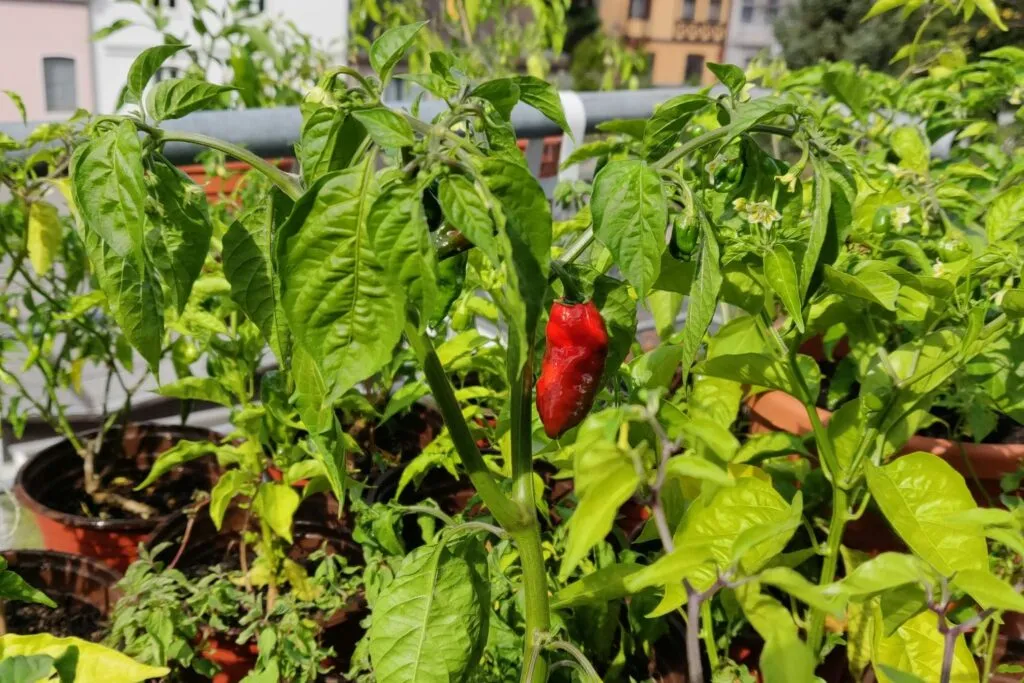
Harden off your plants by exposing them to outdoor conditions during the day and bringing them indoors at night to prepare them for permanent outdoor planting.
Growing Chillies in Greenhouses
Chillies’ preference for warmth makes greenhouses an excellent growing environment, especially heated ones, where the risk of early or late frost is minimized. Even an unheated greenhouse offers a degree of protection from cold weather. Starting chillies early in a greenhouse benefits their long growing season, boosting the likelihood of fruit ripening before colder months arrive.
Ventilation within the greenhouse is critical to aid pollination and to reduce the risk of fungal diseases caused by high humidity. During summer, keeping the greenhouse open throughout the day promotes healthy airflow.
Tips for Growing Chillies in Greenhouses
- Utilize greenhouses to maximize heat exposure, encouraging fruit ripening
- Ensure frequent ventilation to enable pollination and prevent fungal infections
Cultivating Chillies in Pots
Growing chillies in pots allows for easy relocation if cold weather threatens. Although growth may be more limited compared to garden beds, large pots (at least 6 liters) with drainage holes and proper layering provide suitable growing conditions. During summer, place potted chillies in sunny, protected areas with soil that is slightly acidic.
Growing Chillies on Balconies
Many chilli varieties flourish in pots on balconies. The direction your balcony faces greatly impacts growth; south-facing balconies receive the most sun and are ideal, while east or west-facing balconies are workable with at least five hours of sunlight daily. North-facing balconies generally provide insufficient light for optimal chilli growth. Choose smaller-growing chilli varieties for compact balconies, while hardier, fast-growing types perform well in spots with partial shade.
Tips for Balcony Chilli Plants
- South-facing balconies are ideal, but east and west-facing can also work well
- Opt for smaller-growing varieties to maximize limited space
- Choose robust, fast-growing varieties for locations with partial shade
Indoor Cultivation of Chillies
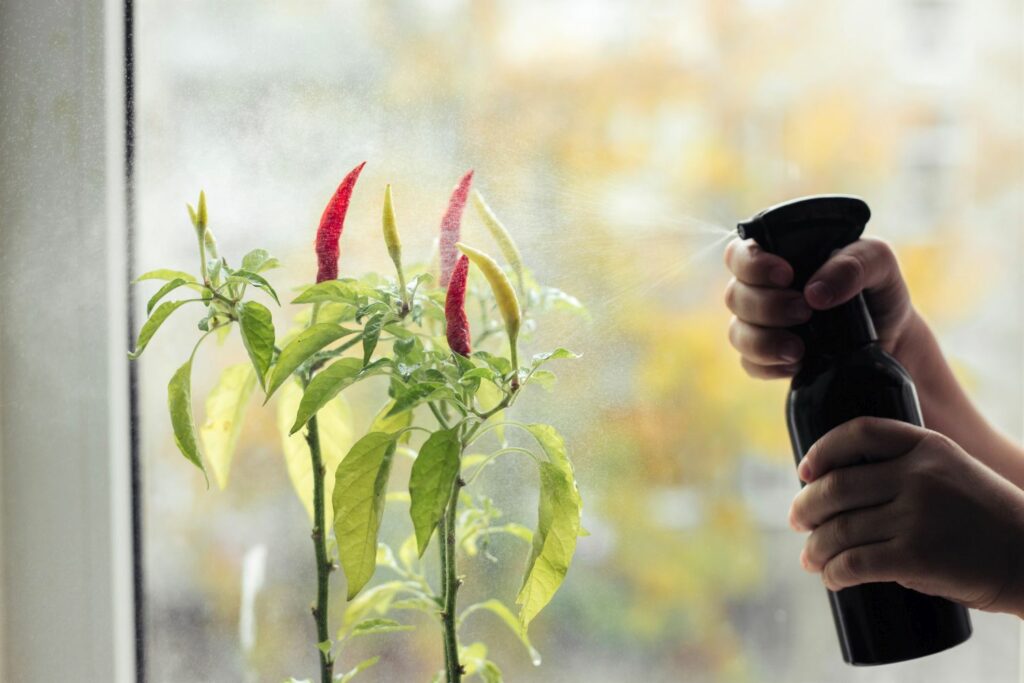
Chillies can also be successfully grown indoors as houseplants. Smaller varieties are often best suited for indoor spaces to conserve room. While indoor cultivation benefits from consistent warmth, it is essential to provide enough light exposure, using grow lights if natural sunlight is insufficient. Maintain a humidity level of approximately 50%, achievable with regular misting or placing a bowl of water near a radiator. To encourage fruiting indoors, hand-pollination of the flowers may be necessary.
Tips for Growing Chillies Indoors
- Choose smaller varieties suitable for indoor environments
- Provide bright, sunny locations or supplemental grow lights
- Maintain humidity levels around 50%
- Hand-pollinate flowers to promote fruit production
Planting Capsicum pubescens (Rocoto Tree Chillies)
The steps for planting Capsicum pubescens, commonly known as Rocoto tree chillies, are similar to other chillies whether grown in pots or garden beds. These tree-like chillies prefer partial shade and shelter from the wind. Support each plant with a stake or cane to keep them upright as they grow.
Chilli Plant Care Post-Planting
Proper care during the fruiting stage is crucial. Chillies require frequent and thorough watering. Using homemade nettle tea, rich in nitrogen and potassium, can supplement standard fertilizers but should not replace them entirely. Keeping the growing bed free from weeds and maintaining a greenhouse humidity level of around 75% helps prevent fungal diseases and supports healthy flowering.
Tip for Abundant Harvest
To encourage your chilli plants to branch out and produce more flowers and fruit, remove the first flower buds when they appear.
Unlock the secrets to growing extremely hot chillies and elevate your gardening skills to a new level!
