
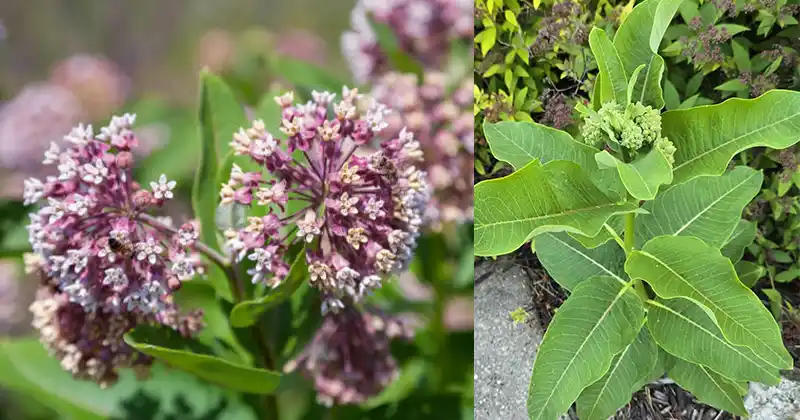
Common milkweed (Asclepias syriaca) is more than just a wild plant or monarch butterfly magnet—it’s a traditional medicinal powerhouse with a surprising range of health applications. While often overlooked as a weed, this native North American plant has been used for centuries by Indigenous cultures for its healing properties. Today, herbalists are revisiting milkweed for its potential benefits, though it must be used with care and knowledge due to its natural toxicity in high doses.
1. Respiratory Support and Expectorant Qualities
Milkweed has long been used to treat lung conditions such as bronchitis, asthma, and chronic coughs. Its natural expectorant action helps loosen and expel mucus from the lungs, making breathing easier. Herbalists sometimes refer to it as “wild ipecac” due to its stimulating effect on the respiratory system.
2. Digestive Aid and Bloating Relief
Traditionally, milkweed roots and shoots were consumed in small quantities to stimulate digestion. The plant can help relieve gas, bloating, and indigestion. It also has a mild laxative effect, promoting gentle bowel movements and intestinal cleansing.
3. Diuretic Properties for Detoxification
Milkweed acts as a natural diuretic, promoting urine production and helping the body eliminate excess fluids and toxins. This makes it useful for treating water retention and mild urinary tract issues, when used appropriately.
4. Antiparasitic and Antimicrobial Actions
Native American tribes used milkweed to eliminate intestinal parasites. The plant contains compounds believed to have antiparasitic and antimicrobial effects, making it potentially useful in cleansing the body of internal pathogens.

5. Wound Healing and Skin Care
The latex or milky sap of the milkweed plant was historically applied to warts, ringworm, and skin irritations. It contains proteolytic enzymes that may assist in dissolving abnormal tissue. However, caution is necessary, as the sap can be irritating and toxic in large amounts.
6. Pain and Inflammation Relief
Poultices made from boiled leaves or mashed roots were used to ease swelling, joint pain, and minor injuries. Some believe it has mild analgesic and anti-inflammatory effects, though scientific validation is still limited.
7. Immune System Support
Although studies are limited, milkweed’s bitter principles and alkaloids may stimulate immune function when taken in appropriate doses. Traditional use suggests its value in helping the body recover from infections.
8. Menstrual and Reproductive Support
In certain Indigenous practices, milkweed root tea was used to promote menstruation and relieve menstrual cramps. It was also believed to have effects on hormonal balance and female reproductive health.
9. Appetite Stimulant and Energy Booster
Some traditional uses of milkweed included addressing fatigue and lack of appetite. Its bitter taste may stimulate digestive secretions, indirectly boosting metabolism and energy levels.
10. Cautions and Safe Usage
Despite its many benefits, common milkweed contains toxic cardiac glycosides similar to those found in foxglove. Overconsumption or incorrect preparation can be dangerous. Only young shoots, buds, and immature pods (properly boiled) are safe for food use. Always consult an experienced herbalist or medical professional before using milkweed internally or externally.
How to Use Milkweed Safely
Young shoots and buds: Can be boiled (at least twice) and eaten like asparagus.
Milkweed root tea: Should be used sparingly and under guidance for respiratory or digestive issues.
Poultices or sap: Applied topically, but never to open wounds, and always diluted.
Drying the root or leaves: Reduces toxicity slightly, but dosage must be strictly controlled.
Final Thoughts
Common milkweed is a fascinating example of a plant that bridges the world of food, medicine, and ecology. Its potential benefits are impressive, but they come with serious safety considerations. With proper knowledge and respect, milkweed can be a useful ally in natural healing traditions—just as it has been for generations.
