
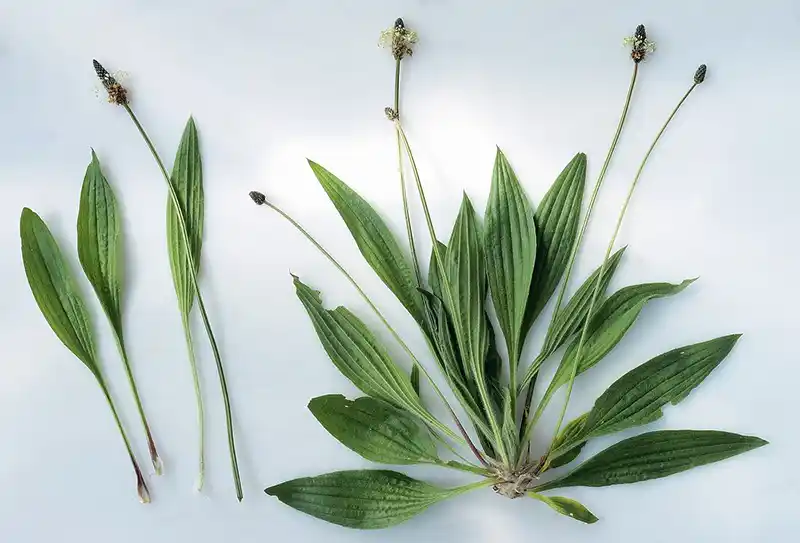
Plantago lanceolata, commonly known as ribwort plantain, narrowleaf plantain, or English plantain, is a wild medicinal plant found across Europe, Asia, and North America. Often dismissed as a weed, this humble plant has a long history of use in traditional herbal medicine thanks to its potent healing compounds and wide range of applications.
Below, we explore the incredible benefits of Plantago lanceolata, supported by scientific insights and traditional practices, and offer practical tips on how to use it safely at home.
1. Soothes Coughs and Respiratory Infections
Ribwort plantain contains mucilage, aucubin, and tannins that help soothe irritated mucous membranes. Its expectorant and anti-inflammatory properties make it ideal for:
Dry or wet coughs
Sore throats
Bronchitis and mild asthma symptoms
How to use:
Prepare an herbal tea with dried leaves or take as a syrup for throat and chest relief.
2. Promotes Wound Healing and Skin Repair
Its leaves have antimicrobial and anti-inflammatory effects, making it perfect for skin conditions like:
Cuts and scrapes
Bug bites and stings
Minor burns and rashes
Eczema or dermatitis
How to use:
Apply fresh, crushed leaves directly to the skin or create an infused oil or salve.
3. Anti-Inflammatory and Pain Relief
Thanks to its flavonoids and iridoids, Plantago lanceolata reduces inflammation in both external and internal conditions, such as:
Joint pain
Gum inflammation
Swollen tissues from infection or injury
How to use:
Use as a tea internally or compress externally to reduce swelling and discomfort.
4. A Natural Antibacterial and Antiviral Agent
Modern studies support ribwort plantain’s antimicrobial properties against certain bacteria and viruses, including:
Staphylococcus aureus
Herpes simplex virus
Candida albicans
This makes it a valuable addition to natural immunity support.
5. Supports Digestive Health
The astringent and soothing effects can help with:
Diarrhea
Gastritis
Stomach ulcers
Leaky gut syndrome
How to use:
Drink tea before or after meals to calm the digestive tract.
6. Allergy and Sinus Support
The anti-allergenic compounds help reduce histamine response, making it useful in:
Seasonal allergies
Sinus congestion
Rhinitis
How to use:
Use as a nasal rinse or drink as tea during allergy season.
7. Supports Urinary and Kidney Function
Plantago lanceolata acts as a mild diuretic, helping flush out toxins and reduce urinary inflammation.
How to use:
Drink 2–3 cups of infusion per day to support urinary tract health.
8. Rich in Nutrients
It is a source of:
Vitamin C
Vitamin A
Calcium
Potassium
Silica
Making it not only medicinal but also nutritive.
9. Safe for Children and Pets
Because of its gentle properties, it’s often used in natural remedies for:
Diaper rash
Teething gum inflammation
Minor pet wounds or irritations
Always consult a pediatrician or vet before use.
How to Harvest and Prepare Ribwort Plantain
Identification: Look for long, lance-shaped leaves with 3–5 parallel veins. Avoid roadsides due to pollution.
Harvest: Pick young, healthy leaves in spring or summer.
Drying: Lay flat in a dry, ventilated area away from sun to preserve nutrients.
Storage: Keep dried leaves in an airtight jar for up to one year.
Precautions and Interactions
Generally safe, but avoid high doses during pregnancy without medical supervision.
May interact with blood thinners or diuretics.
Always start with small amounts if using it for the first time.
Conclusion
Plantago lanceolata is a powerhouse herbal ally with benefits spanning skin, digestion, respiratory health, and more. Whether used as a tea, poultice, or infused oil, this “weed” proves its value time and again in natural wellness practices. With proper identification and preparation, it’s a free, accessible remedy that belongs in every home herbalist’s toolkit.
