
Warning: This article is for informational purposes only. For a diagnosis or medical advice, please consult a healthcare professional.
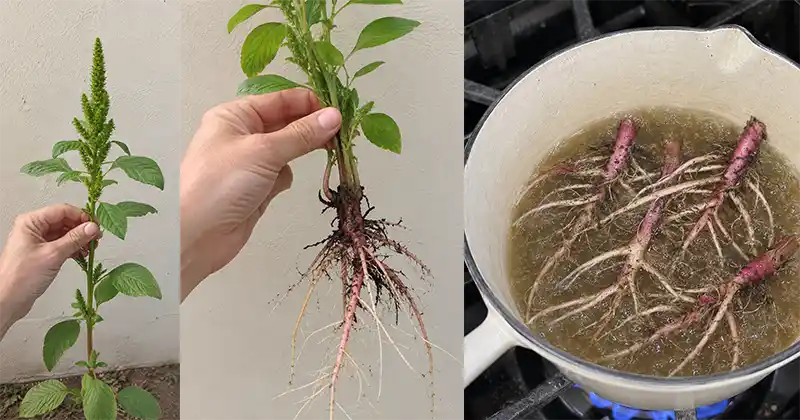
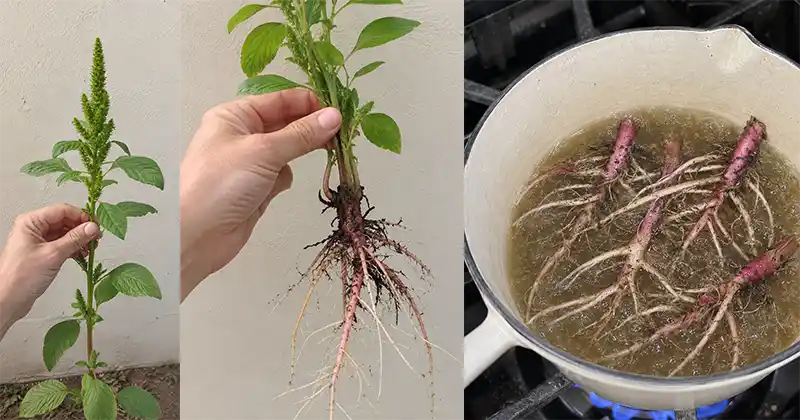
The redroot amaranth (Amaranthus retroflexus), commonly known as redroot pigweed, is a wild plant frequently found in gardens, fields, and vacant lots worldwide. While most consider it a stubborn weed to be uprooted and discarded, traditional herbalists and foragers hold it in deep respect. Beneath its rough green stem lies a strikingly red taproot, rich in remarkable bioactive compounds and carrying centuries of history in traditional herbal medicine.
Understanding the redroot amaranth’s root reveals how ancient societies transformed common wild plants into everyday remedies. When properly prepared, this vibrant root offers targeted health benefits, a natural astringent action, and soothing properties.
The Natural Strength and Active Compounds of the Root
The redroot amaranth’s root has an excellent reputation in popular medicine, especially due to its rich chemical profile. It serves as a true reservoir of protective compounds designed to strengthen the plant itself.
High tannin content: These natural molecules cause contraction and tightening of organic tissues. Their astringent effect tones moist and inflamed membranes, stops minor discharges, and dries up excess fluids.
Betalain pigments: These pigments give the root its distinctive red color. They are powerful antioxidants that protect cells against oxidative stress and internal damage.
Natural saponins: These substances aid in breaking down cellular debris and support the body’s natural purification processes, though they should be used in moderation to avoid digestive upset.
Plant sterols and minerals: The root concentrates essential minerals from the soil along with plant sterols that promote tissue regeneration and reduce localized inflammation.
Traditional Uses and Health Benefits
For generations, rural healers have used the redroot amaranth root as a simple and effective natural remedy for various ailments.
Digestive balance: Due to its astringent nature, the root is traditionally employed to soothe digestive disorders. A mild decoction helps firm loose stools, reduce intestinal spasms, and calm irritated stomach mucous membranes.
Oral and throat health: Used as a gargle with a cooled infusion of the root, it reduces swelling of sensitive gums, soothes sore throats, and accelerates healing of minor mouth ulcers.
Skin irritations and wound care: Applied topically, redroot amaranth extract helps tighten skin tissues, dry oozing eruptions, calm insect bites, and soothe superficial scratches.
Managing excessive bleeding: In folk herbalism, carefully dosed root remedies are used to regulate heavy menstrual bleeding or light internal hemorrhages.
Anti-inflammatory relief: Active compounds in the root alleviate local pain and swelling when applied as poultices or warm compresses.
How to Identify and Harvest the Root Safely
Harvesting wild roots requires careful attention to their environment since roots absorb everything around them.
Recognize the correct plant: Look for an upright wild plant with oval leaves, a rough stem, and dense green flower clusters. When uprooting, a thick taproot dyed a vivid red near the base should be evident.
Choose a clean location: Only collect roots from areas far from treated lawns, busy roads, industrial zones, or farmland, as amaranth quickly absorbs chemicals present in the soil.
Optimal harvest time: The best times to dig up the root are late summer or early autumn before seed drop, or early spring when the root holds maximum energy.
Cleaning the root: Immediately rinse freshly dug roots under cold running water using a stiff brush. Remove all dirt, surface fibers, and damaged skin residues.
Drying for storage: Slice the cleaned root into thin rounds. Spread them on a tray in a warm, shaded, well-ventilated room. Allow the slices to dry completely over 5 to 7 days until they snap easily.
Simple Recipes and Home Uses
Once dried, the redroot amaranth root can be prepared into several practical remedies using common kitchen tools.
Traditional strong root decoction
Since the roots are dense, a simple boiling water rinse is insufficient. Slow simmering is necessary to extract active compounds.
Ingredients: 1 tablespoon of dried, chopped root; 2 cups of clean water.
Preparation: Place the water and root pieces in a small stainless steel saucepan. Bring to a boil, cover, then reduce heat. Simmer gently over very low heat for 15 to 20 minutes. Strain through a fine sieve to remove the root fragments.
Use: Drink up to half a cup twice daily for occasional digestive relief, or use the cooled decoction as a mouthwash.
Herbal root powder
Ground dried root powder keeps for up to one year in a dark glass jar.
Preparation: Place dried slices in a clean spice grinder and grind to a fine reddish powder.
Use: Add a small pinch (about 1/8 teaspoon) to warm water or an infusion, or mix with a little water to form a smooth paste for skin application.
Cooling compresses for skin
Preparation: Prepare a fresh root decoction and allow it to cool to room temperature.
Use: Soak a clean cloth in the cooled decoction, then gently apply to irritated areas, insect bites, or minor burns for 10 to 15 minutes.
Soothing foot bath
Preparation: Pour 3 cups of warm decoction into a basin filled with warm water.
Use: Soak tired or swollen feet for 15 minutes to reduce discomfort and soothe the skin.
Essential Precautions and Chemical Risks
The redroot amaranth root is a powerful wild plant that should be handled with caution and respect.
Nitrate accumulation: Amaranthus retroflexus is known to store significant amounts of nitrates. When grown in artificially fertilized soils or exposed to livestock waste, its root may contain high levels of these compounds, which can be potentially harmful to blood health. Always harvest from a clean natural environment.
High oxalate content: The root contains oxalic acid, which can bind minerals in the body. Individuals suffering from kidney stones, gout, or kidney disorders should strictly avoid internal consumption.
Pregnancy and breastfeeding: Use of the root is not recommended for pregnant or breastfeeding women due to insufficient data on its potential effects on fetal development.
Limited duration of use: This plant is intended for short-term herbal use. Do not consume root infusions or preparations for more than 7 consecutive days.
Skin test prior to use: Before any topical application, apply a drop of the preparation to the inside of the wrist and wait 24 hours to check for allergic reactions or redness.
Important Health Disclaimer
This content is strictly informational and educational. It cannot replace professional medical advice, diagnosis, or treatment under any circumstances. We disclaim all responsibility for actions, health consequences, or adverse reactions related to the use of the information provided here. Always consult a qualified physician, licensed healthcare professional, or certified herbalist before harvesting, preparing, or consuming any wild plant or artisanal remedy.
