
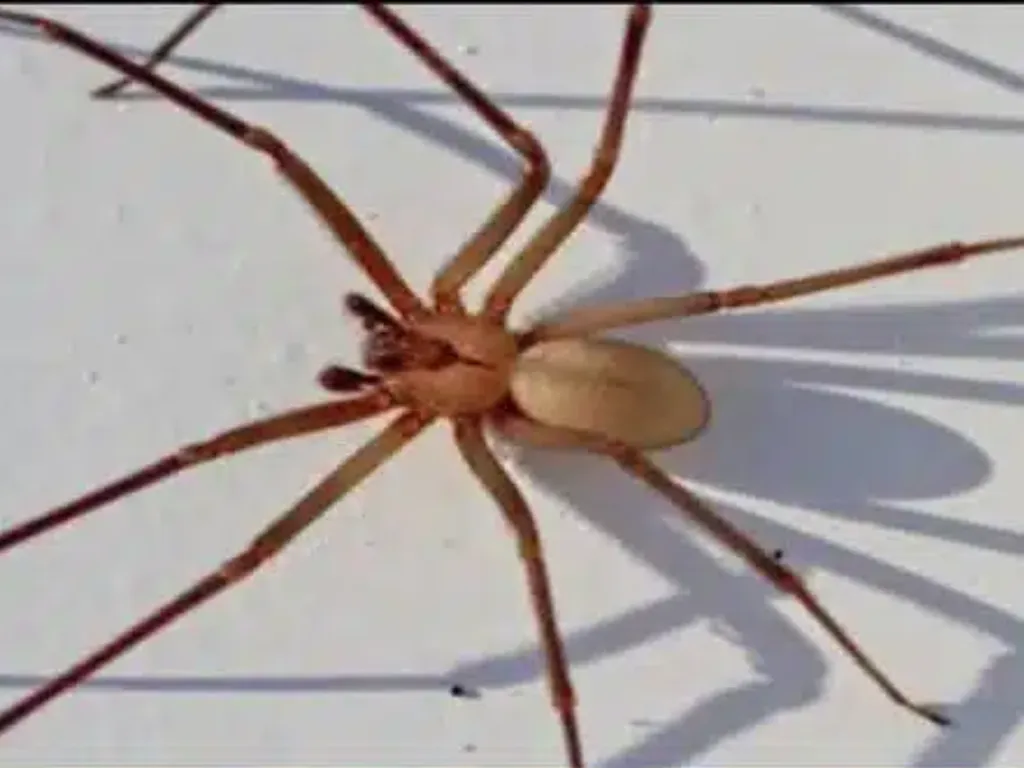
The Brown Recluse Spider: A Small Spider Marked by a Violin-Shaped Pattern

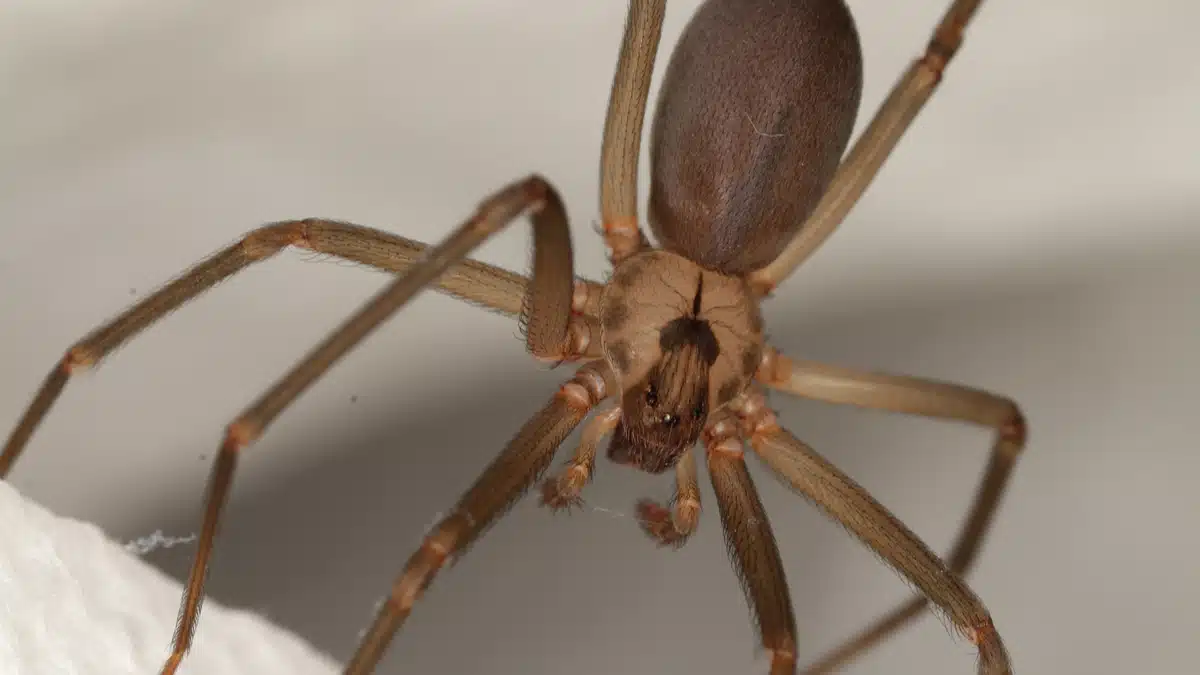
Imagine a tiny spider, modestly brown in color, no larger than a 10-cent coin, hiding away in some dark corner. What makes it unique? A distinctive violin-shaped mark adorning its back, which is why it earns the nickname “violin spider.” This natural signature makes it an easily identifiable specimen for arachnid enthusiasts.
Typically measuring between 8 mm and 1.5 cm, this spider belongs to the genus Loxosceles. One notable feature sets it apart: it has only six eyes, while most spiders have eight. Its velvety light brown body blends seamlessly with its surroundings, and it primarily moves about at night, stealthily like a fleeting shadow.
A Rare Bite But Potentially Serious
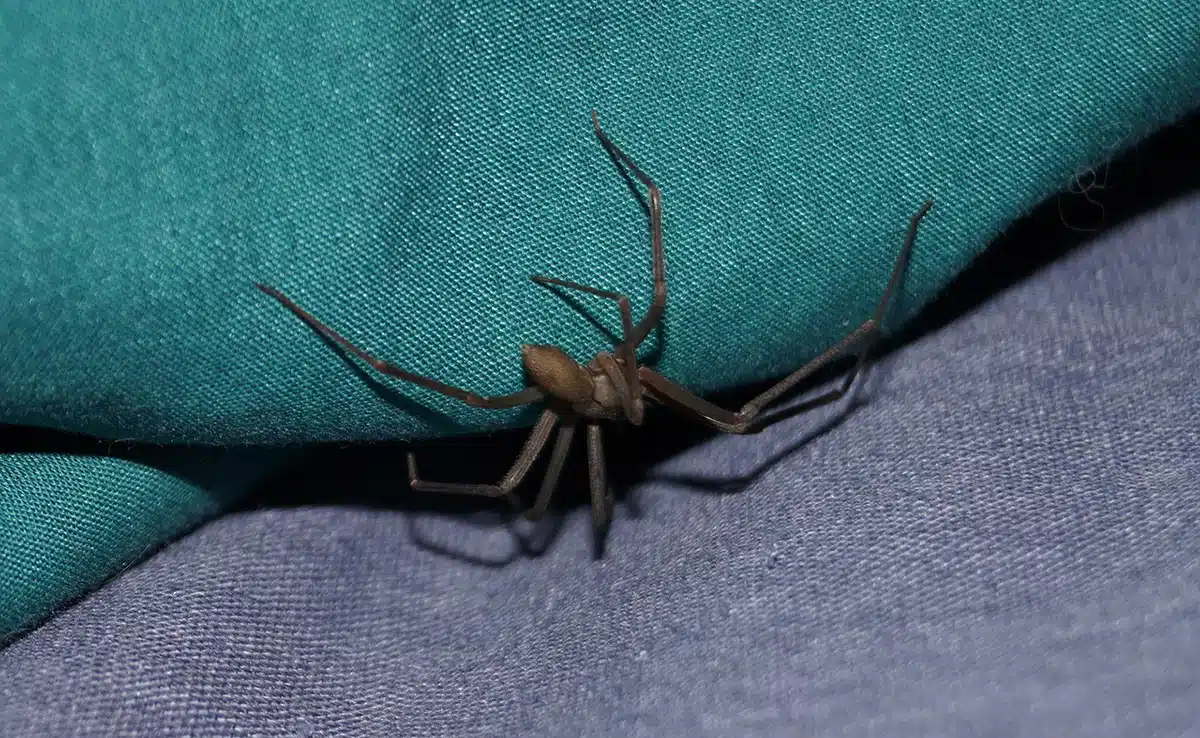
The brown recluse spider is not naturally aggressive. It prefers to flee or hide rather than attack. However, if it is surprised, trapped, or crushed, it will not hesitate to bite. This is when complications can arise.

Its venom is cytotoxic, meaning it destroys the cells around the bite area. This can result in a severe skin lesion, sometimes accompanied by symptoms such as fever, vomiting, and in very rare cases, more serious complications. The wound can take several weeks to heal and may occasionally leave permanent marks. Fortunately, such cases remain exceptional, especially when quick medical treatment is provided.
Its Presence in France: Myth or Reality?
Officially, the brown recluse is most prevalent in the United States, especially in the Midwest and southern regions, with populations also reported in Mexico and Canada. However, globalization and the extensive international shipments can occasionally allow it to travel unnoticed all the way to France.
In recent years, several reports of suspicious bites have been documented in certain French departments, such as Hérault or Meurthe-et-Moselle. Yet, according to experts, these bites are more likely attributed to a local cousin: Loxosceles rufescens, another violin spider that is already well established in French territory.
Its Favorite Hiding Spots: Where to Find It?
The brown recluse lives up to its name: it seeks out dark, dry, and seldom-disturbed places. Outdoors, it can be found beneath stones, in piles of wood, or among stacked dead leaves. Inside homes, it prefers quiet corners such as attics, garages, or stored cardboard boxes.
It is a rather solitary and discreet spider. Its web is irregular and not used for hunting: it lurks in the shadows, waiting for nightfall to emerge quietly.
A Simple, Opportunistic Carnivorous Diet
The brown recluse is not picky when it comes to feeding: it mainly hunts insects like crickets, cockroaches, mosquitoes, and it will not hesitate to feed on insect carcasses it finds already dead. Exhibiting great resilience, it can survive several months without food or water, especially during winter when prey is scarce.
Discreet but Abundant Reproduction
The mating season begins in spring. The female can lay eggs up to five times a year, depositing around forty eggs each time inside a silky cocoon. After about a month, the young hatch and molt several times before reaching their adult size. A brown recluse spider can live up to two years, well hidden from view and away from light.
What To Do If You Suspect a Bite?
If you believe you have been bitten by a spider and the wound does not heal or worsens, it is crucial to consult a healthcare professional promptly. In the case of a brown recluse bite (or a related species), quick medical intervention can significantly reduce the venom’s effects. Additionally, it is essential to remain calm: seriously dangerous bites remain very rare.
The brown recluse does not pose a direct threat to humans, but it is wise not to disturb it. Invisible during the day and active at night, this spider evokes both fascination and apprehension. In France, its presence remains possible but very uncommon, underscoring the need for utmost vigilance. After all, even the most discreet creatures can sometimes make a big impact…
