
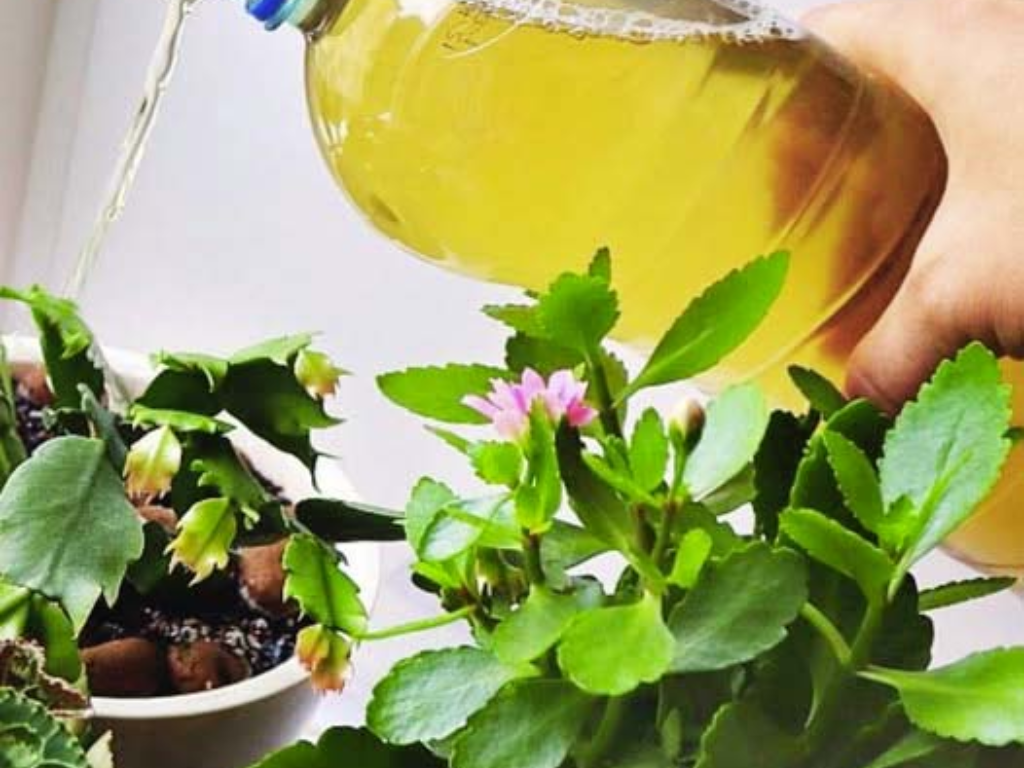
Why Iodine Is an Advantage for Your Indoor Plants
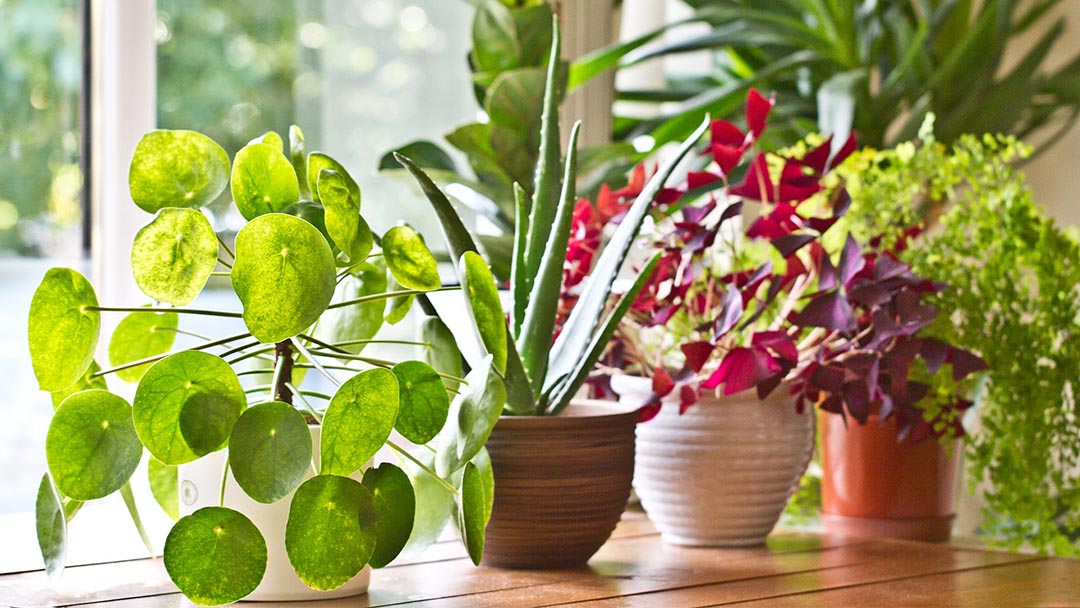
At first glance, iodine tincture appears to be exclusively intended for human medical care, but it reveals a surprising beneficial potential for your plants. Indeed, this trace element plays an essential, albeit subtle, role in their development and overall well-being.
A Natural Growth Booster
Just as an athlete relies on a balanced diet to optimize performance, your plants benefit from iodine to energize their metabolism. Thanks to its ability to stimulate cell division, it promotes solid and harmonious growth while also strengthening the plants’ innate immune defenses.
Abundant and Lasting Blossoms
Imagine your indoor plants adorned with vibrant flowers blooming throughout the year. Iodine acts directly on plant hormones, encouraging richer and longer-lasting blossoming, creating a floral display that extends far beyond the usual seasonal periods.
Natural Protection Against Diseases
Fungi, molds, and other pathogens have reason to be wary: iodine functions as a natural disinfectant. It effectively limits fungal infections while broadly enhancing the plants’ resistance to external assaults.
How to Prepare and Apply an Iodine Solution for Your Plants
While iodine is a powerful ally, its use requires precision and caution, because excessive application can harm rather than benefit your plants.
Essential Ingredients:
1 liter of water, preferably rested or boiled and cooled
2 to 3 drops of pharmaceutical-grade iodine tincture (antiseptic type)
Preparation Method:
1. Gently pour 2 to 3 drops of iodine into one liter of water.
2. Mix well to achieve a perfectly homogeneous solution.
Usage Tips:
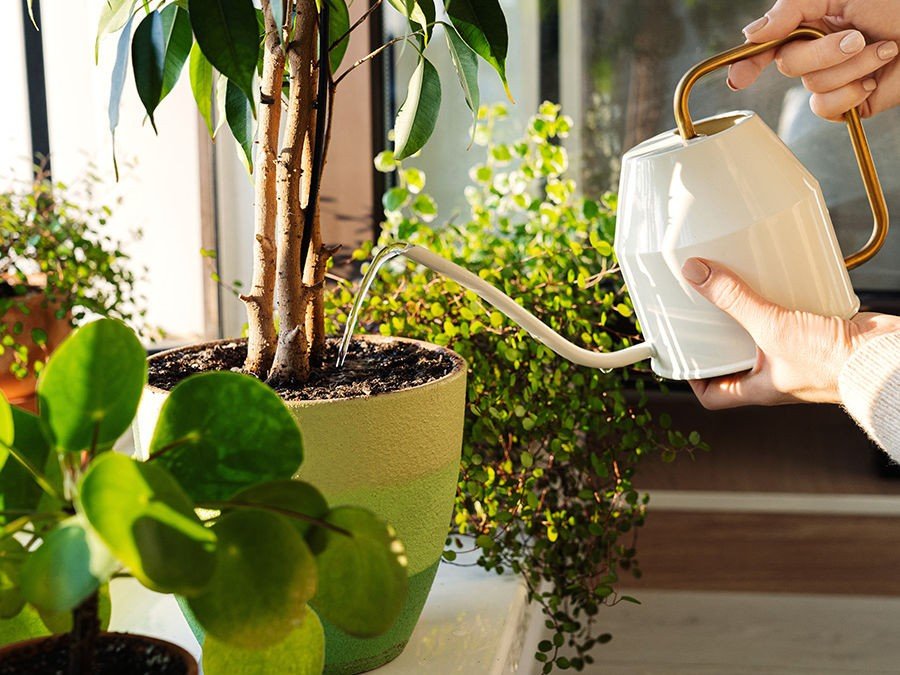
Water your plants by pouring the solution directly at the base, taking care to avoid any contact with leaves to prevent burning. Apply this solution only once per month to avoid weakening your plants.
Essential Precautions to Respect When Using Iodine
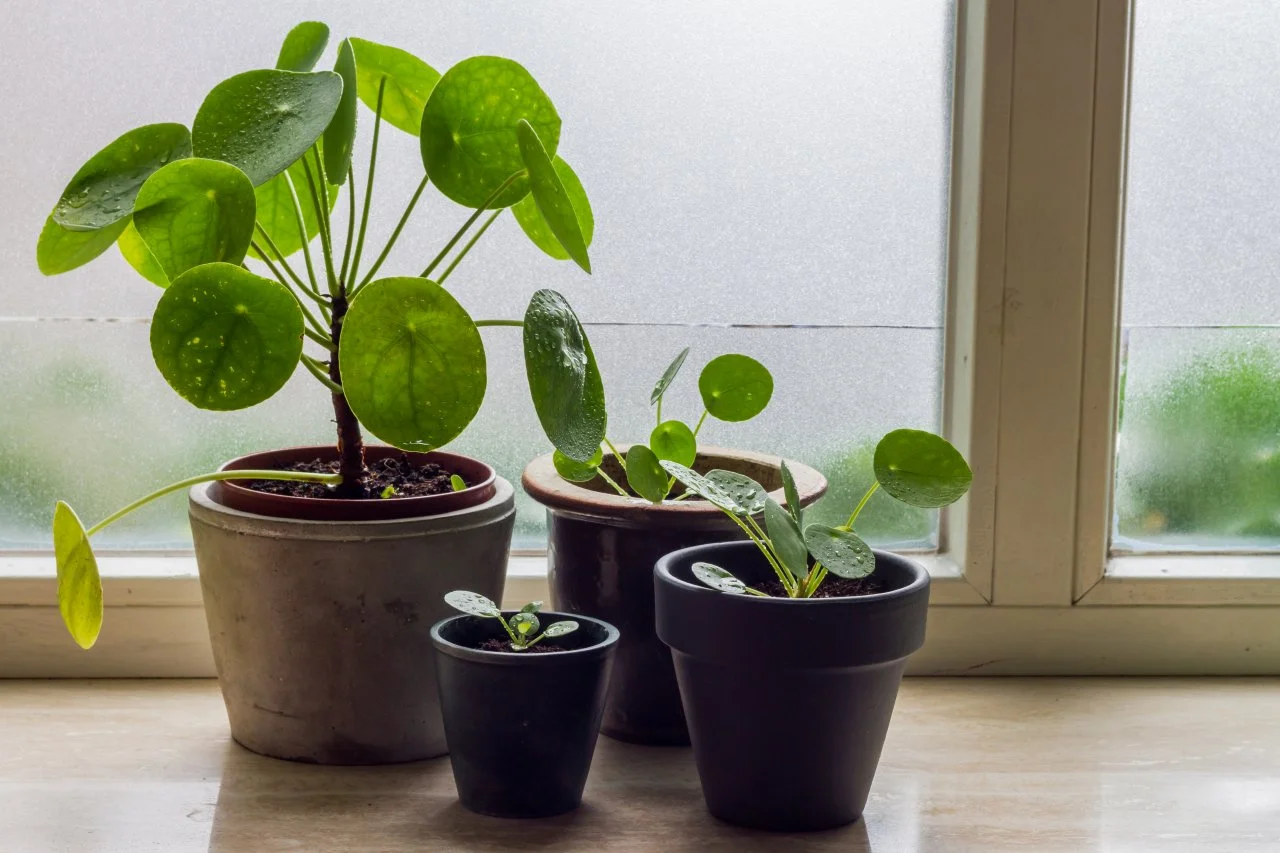
Although simple to use, iodine treatment requires certain crucial precautions to avoid any harmful side effects.
Strictly Monitor the Dosage
An iodine excess can quickly become toxic to plants. Never exceed 3 drops per liter of water or risk causing root burns or even death. The golden rule: it’s always better to underdose than overdose.
Some Plants Are Sensitive to Iodine
Certain species, especially those with fine and delicate roots like orchids, may react negatively. Before treating the entire plant, always test the solution on a small area to check for tolerance.
Do Not Substitute Traditional Fertilizer with Iodine
Iodine should be considered a supplement, not a replacement. Continue using your regular fertilizers to provide your plants with the full range of nutrients essential for their growth and flourishing.
Why Include Iodine in Your Indoor Plant Care Routine?
A Simple and Accessible Method
Iodine tincture, available at pharmacies, is easy to prepare without requiring special tools. It is a practical solution that revitalizes your plants effortlessly.
Moderate Cost for Tangible Effects
Just a few drops suffice to sustainably improve your plants’ health without impacting your gardening budget.
Fast and Visible Results
Greener leaves, more abundant blossoms, stronger plants: the benefits quickly become apparent, provided you follow the recommended application practices.
Iodine tincture proves to be a reliable and natural ally to boost the vitality and beauty of your indoor plants. By strictly respecting doses and instructions, this little apothecary secret reveals an effective method to unlock their full potential. So, are you ready to transform your home into a true haven of radiant greenery?
