
The Amazing Benefits of Sumac and How to Use It
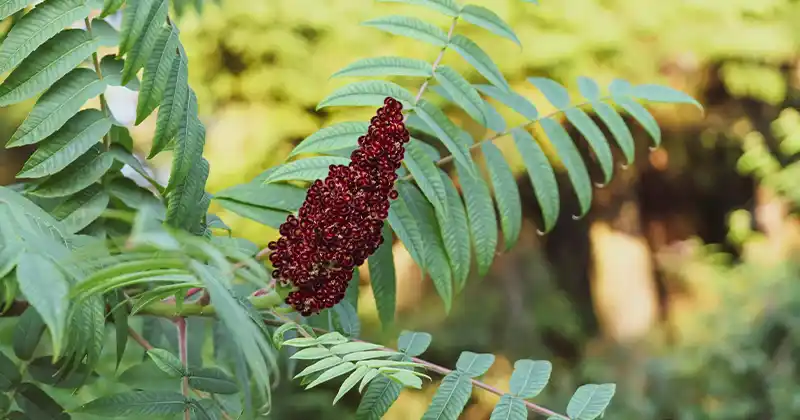
Sumac is far more than just a flavorful spice—it serves as a potent natural remedy cherished for centuries across Middle Eastern, Mediterranean, and North African cultures. Recognizable for its striking deep red hue and tangy, lemony flavor, sumac is derived from the dried and ground berries of the Rhus plant. Beyond its delightful culinary qualities, sumac offers remarkable health benefits and versatile uses, making it a treasured ingredient not only in kitchens but also in traditional herbal medicine collections.
Let’s delve into the incredible benefits of sumac and discover easy ways to integrate it into your everyday life.
1. Rich in Antioxidants
One of the most compelling health advantages of sumac stems from its exceptionally high antioxidant content. Antioxidants are vital compounds that counteract free radicals within the body, thereby protecting cells from damage and slowing the aging process. Remarkably, sumac ranks among the spices with the highest antioxidant levels, surpassing even renowned superfoods such as blueberries and green tea.
Consistently enjoying antioxidant-rich foods like sumac can support a robust immune system, help guard against chronic illnesses, and contribute to healthier aging.
2. Strong Anti-Inflammatory Effects
Sumac exhibits potent anti-inflammatory properties. While inflammation is a natural and necessary response by the body, chronic inflammation can lead to a variety of health issues including arthritis, cardiovascular disease, and diabetes.

By helping to reduce inflammation, sumac can alleviate symptoms like pain and swelling, fostering overall wellness. It proves to be particularly beneficial for individuals managing joint discomfort or autoimmune disorders.
3. Support for Blood Sugar Control
Early research indicates that sumac may aid in stabilizing blood sugar levels. This quality makes it an intriguing natural supplement for those with insulin resistance or type 2 diabetes. By enhancing insulin sensitivity and mitigating sudden rises in blood glucose, sumac promotes metabolic health.
Incorporating a modest amount of sumac into your meals might help prevent spikes and drops in blood sugar after eating, maintaining consistent energy levels throughout the day.
4. Cardiovascular Health Benefits
Owing to its combined anti-inflammatory and antioxidant capabilities, sumac may offer valuable support for heart health. Some scientific studies suggest that sumac can contribute to lowering bad cholesterol (LDL) levels while boosting good cholesterol (HDL), thereby improving the overall lipid profile in the bloodstream.
Its potential to reduce blood pressure and protect the lining of blood vessels positions sumac as a heart-friendly spice worthy of inclusion in your diet.
5. Antimicrobial and Antifungal Qualities
Traditionally, sumac has been employed to combat infections and to preserve food. Contemporary research validates that sumac extract possesses antimicrobial and antifungal properties, capable of inhibiting harmful bacteria such as Escherichia coli and Staphylococcus aureus.
This reveals sumac not only as a flavorful seasoning but also as a natural preservative and a potential support for managing minor infections.
How to Use Sumac in Everyday Life
Culinary Applications:
Sprinkle on dishes: Sumac is a staple in Middle Eastern cooking, frequently used to season grilled meats, vegetables, rice, and salads. A dash of sumac over hummus, kebabs, or roasted chicken adds a delightful tangy twist.
Add to dressings and marinades: Combine sumac with olive oil, lemon juice, and garlic to create a vibrant and flavorful vinaigrette that can elevate any salad or dish.
Season dips and yogurt: Stirring sumac into plain yogurt or labneh mixed with herbs creates a refreshing dip or sauce perfect for snacks or appetizers.
Zaatar spice blend: Mix sumac with thyme, sesame seeds, and salt to make zaatar, a famed Middle Eastern spice blend cherished for its unique aroma and taste.
Natural Remedy Uses:
Tea infusion: Steeping a teaspoon of sumac powder in hot water for 10 to 15 minutes produces a tangy tea known to aid digestion, boost the immune system, and enhance hydration.
Topical poultice: Traditional medicine practices have used crushed sumac as a poultice to treat wounds or skin rashes. However, modern application should be approached with caution, always conducting a sensitivity test to avoid skin reactions.
Final Thoughts
Sumac may well be one of the most underrated spices lurking in your pantry. Its vibrant flavor combined with profound health benefits—ranging from antioxidant protection to blood sugar regulation—make this ancient spice deserving of a renewed contemporary appreciation. Whether you want to uplift your culinary creations or explore natural health remedies, sumac presents a simple, flavorful, and efficacious addition to your daily life.
