
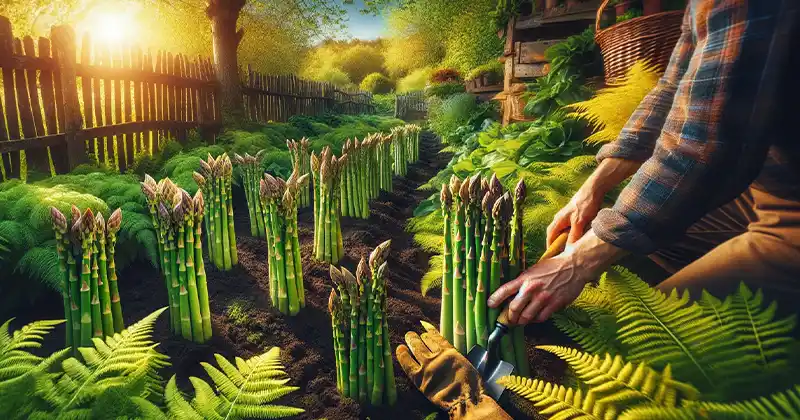
Asparagus, a perennial plant highly valued by gardeners, can provide a generous harvest for nearly twenty years when cultivated correctly. However, several common mistakes can hinder its growth and productivity. Here are essential tips to ensure a flourishing and productive asparagus garden.
1. Patience Before the First Harvest
The foundation of a robust asparagus bed lies in patience during its early years. For the first two years, it is crucial not to harvest any spears to allow the roots to establish deeply and strengthen. Beginning in the third year, you may start harvesting gradually, extending the duration: around four weeks in the third year, then up to eight weeks in successive years.
2. Preserve the Crown During Harvest
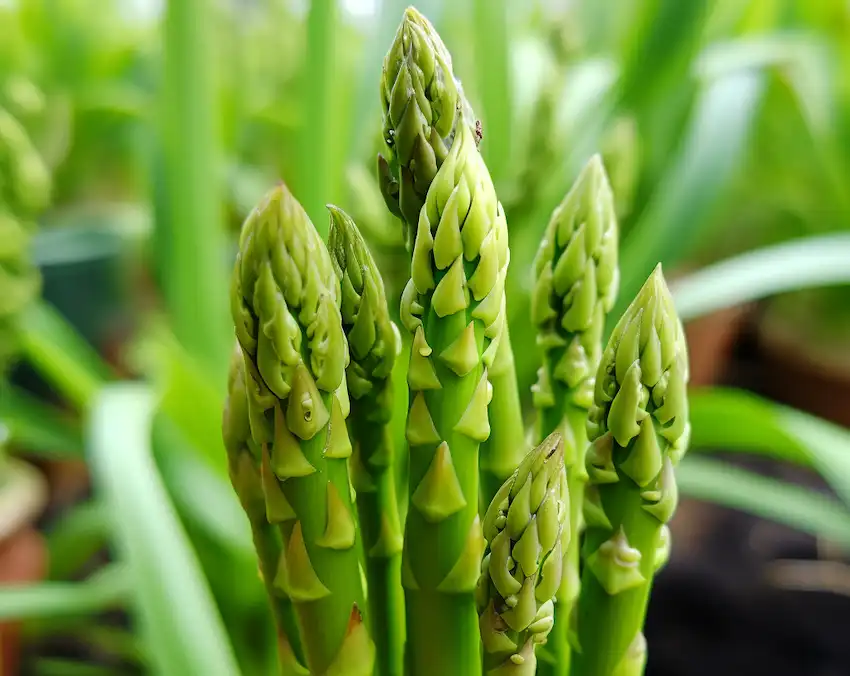
The asparagus crown is the vital component of the plant, as it serves as the base from which the spears emerge. During harvesting, avoid using knives or pruners beneath the soil surface, as this can damage this essential part. Instead, favor a manual technique: snap the spears by hand at ground level or just below the surface.
3. Managing Soil Depth Through the Seasons
Over time, the asparagus crowns tend to rise gradually toward the surface, which can result in thinner and tougher spears. To counteract this, it is recommended to add approximately fifteen centimeters of soil to your mounds each spring. This additional layer creates a more favorable environment, ensuring the production of thicker, more tender spears.

4. Identifying Female Plants and Managing Berry Production
Female asparagus plants produce berries that contain seeds. Allowing these berries to develop diverts the plant’s energy away from strengthening roots. To promote healthier root growth and improve spear quality, it is advisable to remove the spears from female plants once berries start to appear.
5. Choosing the Right Time to Cut Back Ferns
The ferns that develop from asparagus play a critical role in photosynthesis and energy accumulation for the plant. Cutting back these ferns too early in the season can slow down root development. It is best to wait until the ferns have fully faded in autumn or winter before removing them. This patience ensures the optimal transfer of energy to the roots.
6. Proper Planting Techniques
When establishing a new asparagus bed, the depth at which you plant the crowns is crucial. Plant one-year-old crowns in a trench approximately 15 to 20 centimeters deep, covering them initially with about 5 centimeters of soil. Gradually, as the spears grow, fill in the trench until the soil level is slightly above the original ground level. This method encourages the development of larger, juicier spears.
7. Understanding the Asparagus Life Cycle for Greater Appreciation
Knowing the full lifecycle of asparagus—from spear to fern—enhances the experience of cultivating this exceptional plant. It is fascinating to observe how quickly asparagus can grow: up to 25 centimeters in just 24 hours! Additionally, keep in mind that freshly harvested asparagus is often very juicy and tender, making it ideal for eating raw.
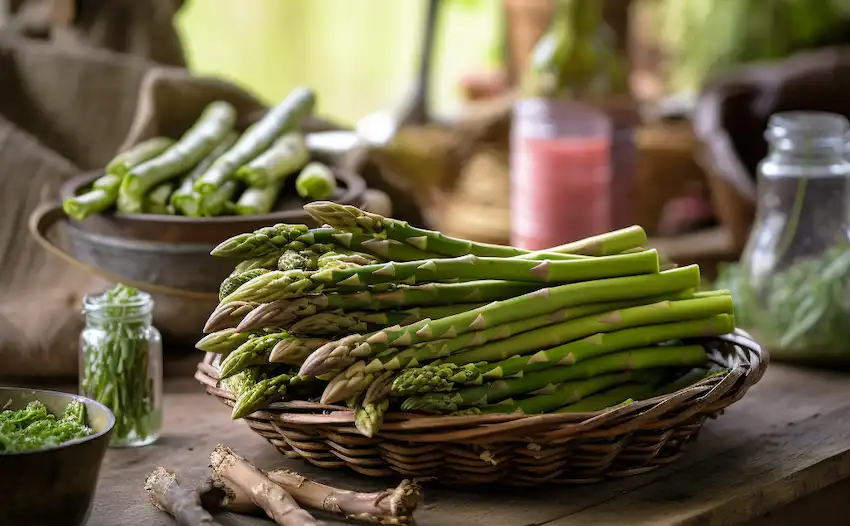
Cultivating asparagus therefore requires patience, careful attention, and a solid understanding of the plant’s unique characteristics. By avoiding common mistakes, you can enjoy a healthy and bountiful asparagus bed for many years. The success of your cultivation depends on a deep comprehension of the needs of this ancient and remarkable vegetable.
