
Facing increasing pressure from water scarcity and the urgent need to adopt sustainable agricultural practices, it is often valuable to turn to ancestral knowledge, which is full of ingenious solutions. Among these, the indigenous irrigation system known as the olla (pronounced “oh-yah”) stands out for its elegant simplicity and remarkable efficiency in saving water. Used for centuries by various communities, from indigenous peoples of the Americas to civilizations in the Middle East, ollas remain highly appreciated today. This article invites you to explore this ancient art and learn how to adopt ollas for effective irrigation of your garden.
What Is an Olla?
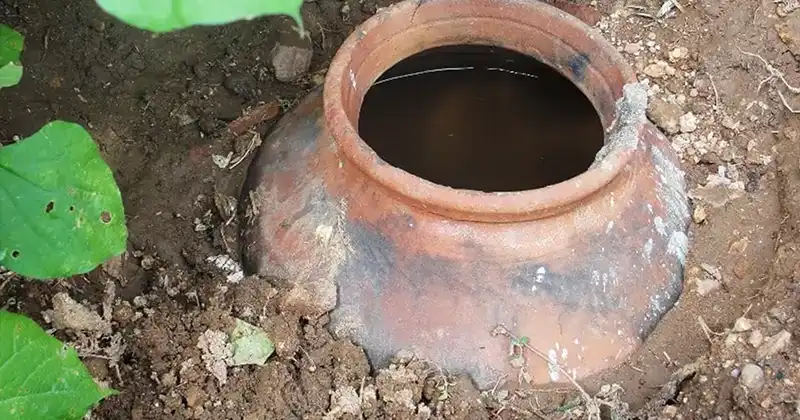
The olla is a porous clay jar, traditionally handcrafted and unglazed, designed specifically to optimize watering. The word “olla” comes from Spanish and simply means “pot.” These containers have long been used by indigenous peoples as a clever method to save water while sustainably nourishing plants.
How Ollas Work
Ollas rely on the principle of irrigation through infiltration, a highly effective technique that minimizes water waste. Here is how the process unfolds in a few simple steps:
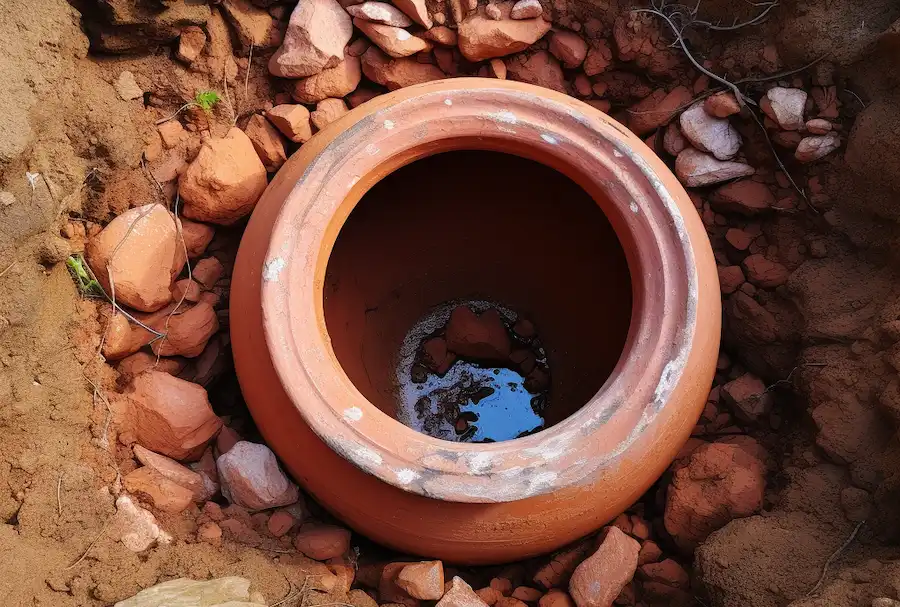
Burying the Olla: Dig a hole in the soil where you want to water your plants. The hole should be deep enough to insert the olla, leaving its neck slightly exposed for easy filling.
Filling the Olla: Fill your pot with water, then cover it with a lid or flat stone to prevent evaporation and keep debris out. The porosity of the clay allows water to seep gradually into the surrounding soil.
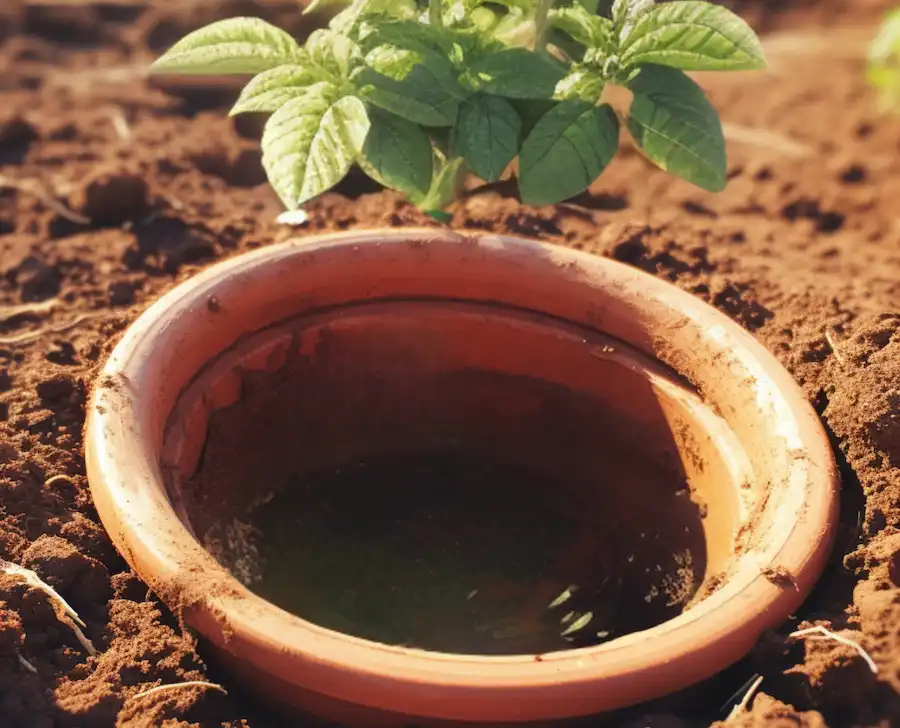
Planting Around: Arrange your crops or flowers around the buried olla, ensuring that the roots stay within the irrigation zone provided by the pot. Ollas are especially suited for small garden plots or planter boxes.
Water Infiltration: When the soil around the olla becomes dry, the water inside the pot slowly infiltrates toward the nearby roots. This steady flow ensures constant and adequate watering while greatly reducing evaporation.
The Advantages of Ollas
Optimized Water Consumption: Ollas limit waste by using water in an extremely efficient manner, unlike traditional surface or sprinkler irrigation methods.
Consistent Moisture: They guarantee a continuous supply of water directly to the roots, thereby promoting healthy and vigorous plant growth.
Weed Reduction: By targeting the roots directly, ollas limit the spread of weeds around the plants.
Soil Improvement: Over time, using ollas helps to even out soil moisture and prevent the accumulation of harmful salts in the root zone.
Minimal Maintenance: Once buried and filled, ollas require little upkeep besides periodic refilling.
Versatility: They are suitable for a wide range of plants, including vegetables, herbs, and flowers.
Environmental Friendliness: Made from natural and biodegradable materials, ollas represent an eco-friendly and sustainable option for gardeners mindful of their environmental impact.
Tips for Optimal Use of Ollas
To get the most out of your ollas, here are some recommendations:
Assess the Number of Ollas Needed: The ideal number depends on your garden’s area and your plants’ water requirements. Feel free to experiment to find the most efficient setup.
Monitor Water Levels: Regularly check that your pots remain sufficiently filled. The filling frequency varies depending on local climate and types of crops.
Protect Your Ollas in Winter: In regions where temperatures can drop below freezing, consider excavating and storing ollas in a sheltered place to prevent cracking caused by frost.
Ollas represent an ancient yet remarkably clever irrigation system that can profoundly transform your gardening practices in a sustainable way. By employing infiltration irrigation, they provide a water-saving solution, foster healthier plants, and reduce maintenance needs. With a bit of experimentation and care, integrating ollas into your garden is an excellent way to adopt a more environmentally friendly and sustainable approach. By relying on this ancestral knowledge, modern gardeners hold a powerful tool to move toward more rational and responsible water usage.
