
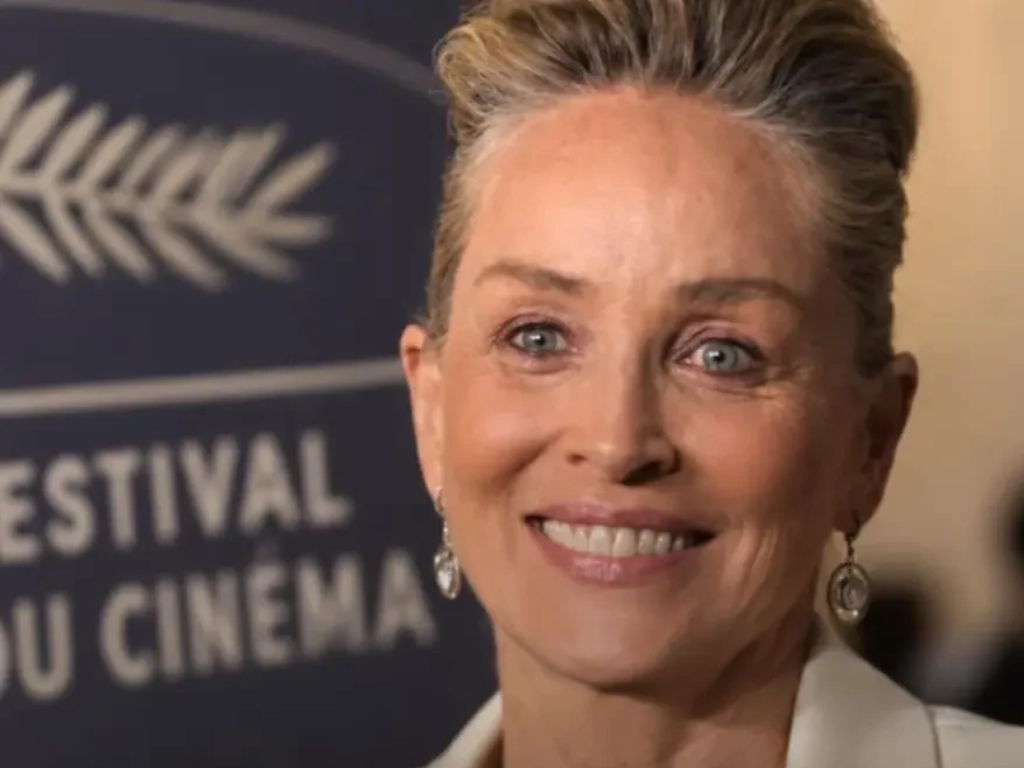
“I Could Neither Walk nor Speak”: Sharon Stone’s Powerful Testimony After Her Stroke
At just 43 years old, Sharon Stone faced a severe brain hemorrhage. The bleeding lasted nine days, during which she remained unconscious. Upon awakening, she found herself having to start her life all over again from scratch.
“I couldn’t walk, speak, or read. I couldn’t even write my own name, and I was stuttering,” she recalls with deep emotion. It was a true nightmare that completely disrupted her daily life.
The consequences did not stop there. Stripped of her abilities, Hollywood gradually closed its doors to her. No more acting roles or projects came her way. Even worse, she lost custody of her son Roan. “I lost everything: my money, my career, and even the custody of my child,” she states plainly, words heavy with sadness.
Her rehabilitation and recovery lasted nearly seven years. Seven years during which she fought relentlessly, although some after-effects still linger today, particularly an increased risk of epilepsy requiring ongoing treatment.


Why Can Recovery After a Stroke Take So Long?
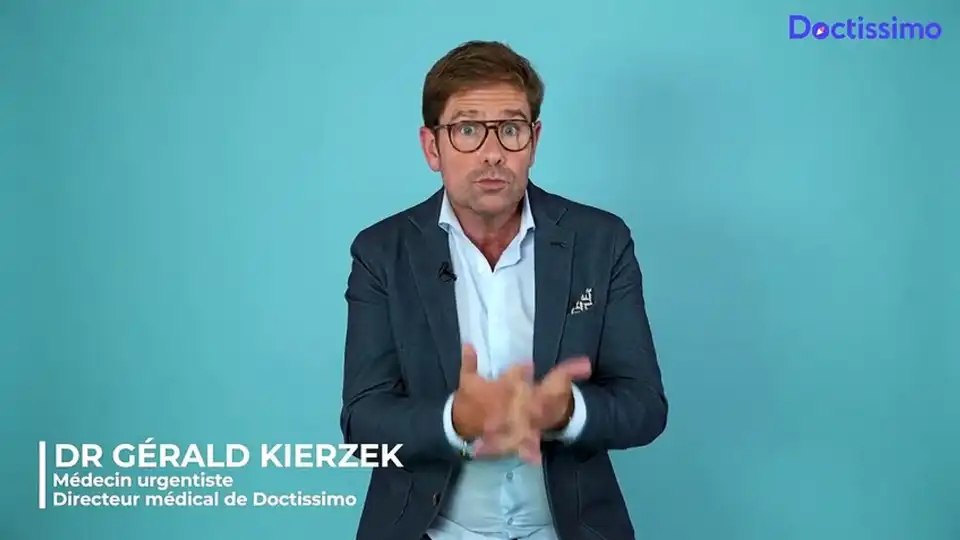
Dr. Gérald Kierzek, an emergency physician and medical director at Doctissimo, explains that the length of recovery primarily depends on the initial severity of the stroke. “The greater the initial disability, the more limited the recovery potential,” he clarifies.
The type of stroke also plays a crucial role. Hemorrhagic strokes—such as the one Sharon Stone experienced—are often more difficult to treat than ischemic strokes. Age, overall health, and any chronic illnesses also significantly influence the prognosis.
The months following a stroke are critical. “Most improvements occur within the first 6 to 12 months,” emphasizes Dr. Kierzek. After this period, the impairments tend to become more permanent and entrenched.
Sharon Stone does not claim to have regained her former life. Instead, she describes having rebuilt herself in a different way. She returned to acting, took up painting, and raised two more children. It is a rebirth in a new form rather than a simple return to her old life.
Stroke: Essential Actions to Prevent an Accident, Even Among Younger People
Good news: “The vast majority of strokes can be prevented,” assures Dr. Kierzek. Contrary to common belief, strokes no longer affect only seniors; young adults are increasingly at risk as well.
Several simple but effective habits can truly reduce this risk:
Monitor your blood pressure. This is the main risk factor. It is recommended to maintain blood pressure below 130/80 mm Hg for everyone, regardless of age.
Adopt a healthy diet. A Mediterranean-inspired diet—rich in fruits, vegetables, legumes, fish, and healthy fats—can reduce stroke risk by about 35%.
Engage in regular physical activity. Exercise should not be limited to a few sporadic minutes. The goal is at least 30 minutes of sustained daily activity.
Undergo frequent medical check-ups. Monitoring blood pressure, blood sugar, cholesterol, and having an electrocardiogram can help detect warning signs early before they become emergencies.
If a stroke is suspected—if the face droops, one arm suddenly weakens, or speech is slurred—there is only one instruction: call emergency services immediately at 15, because every minute truly counts.
Taking care of your heart and brain ultimately means taking care of your entire life.
