
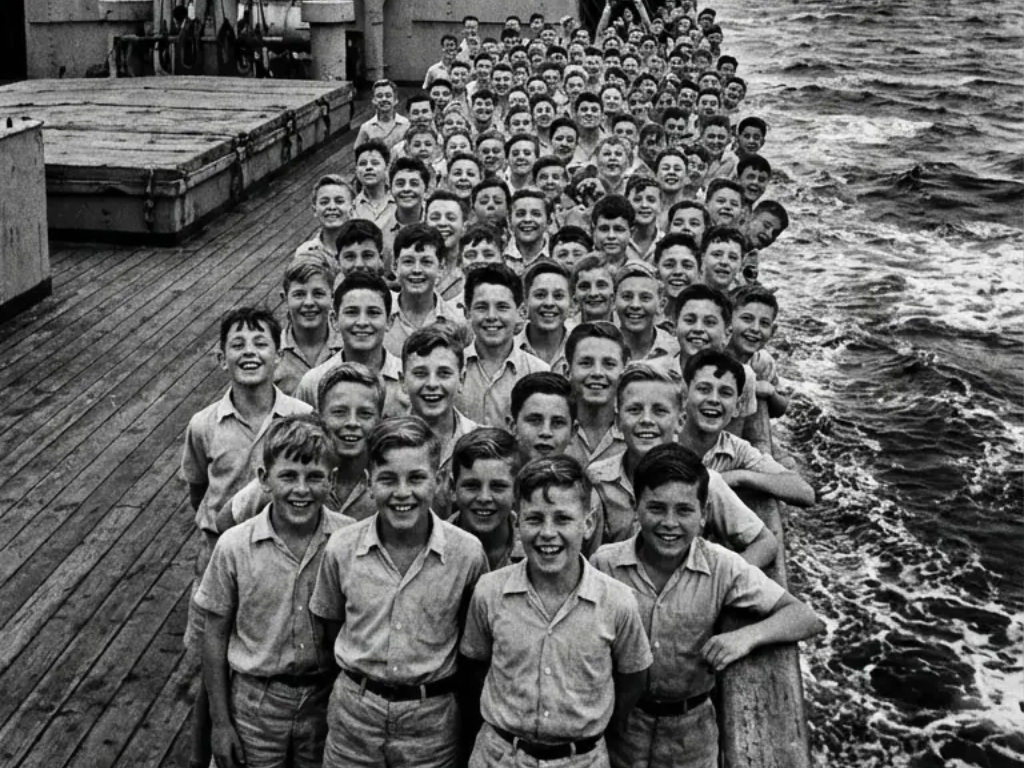
They were 740 Polish children, torn away from their parents far too soon and faced with unimaginable hardships for their young age. After a long and arduous journey, they had finally arrived in Iran, hoping at last to find a haven of peace and safety. Yet, the reality was starkly different. No country was willing to open its doors to them. Port after port, refusals kept coming, bringing exhaustion, doubt, and the fear of being abandoned once again.
When All Doors Close
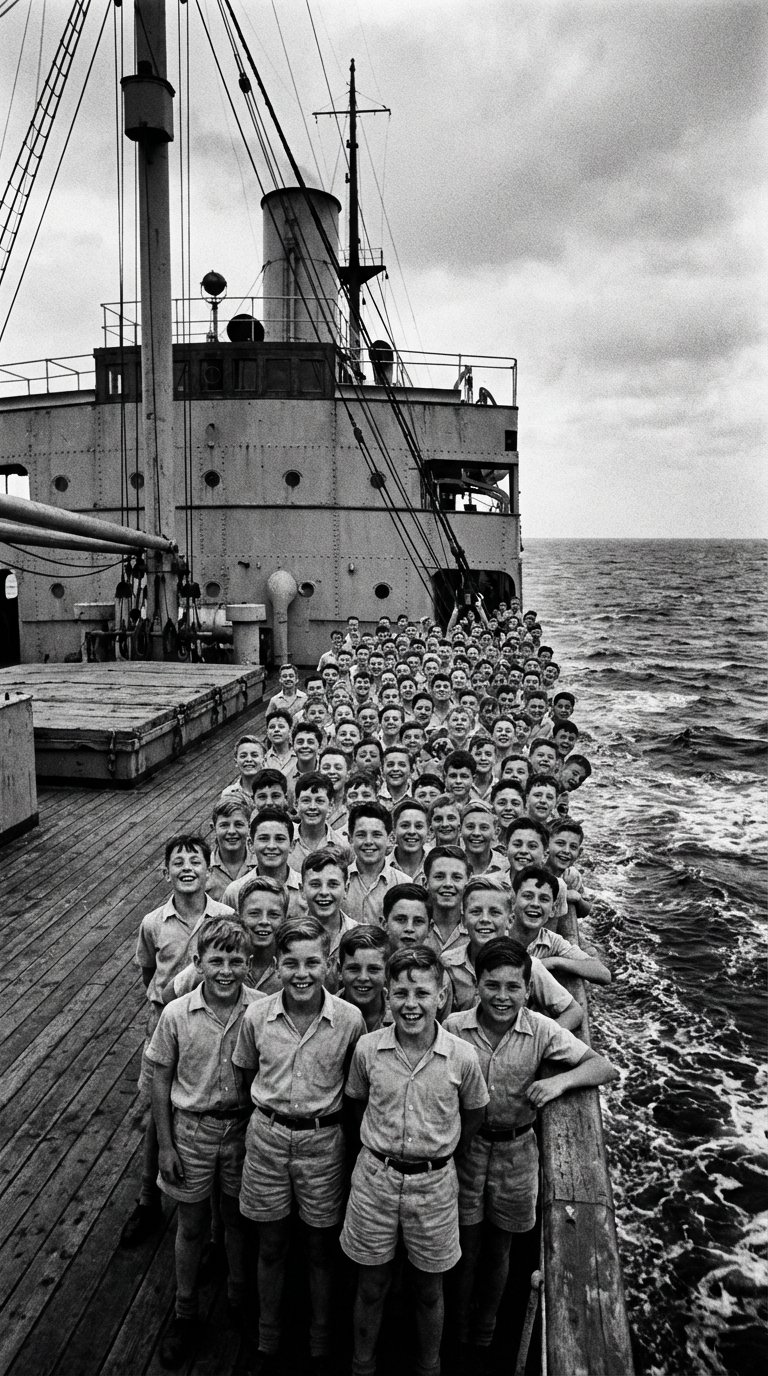
At that time, decisions were made far away from the eyes and emotions of the world. These children were no longer seen as individuals but reduced to mere files, numbers, “problems to be solved.” Supplies dwindled, and so did hope. Yet despite all of this, they clung tenaciously to life. An older sister holding tightly to her little brother’s hand, a whispered promise, a silent bond of solidarity woven between them.
Then, as if carried by a quiet breeze, their story reached India, in the region of Gujarat. There lived a humble yet deeply compassionate man: Jam Sahib Digvijay Singhji, the ruler of Nawanagar. Nothing obligated him to act; no directive compelled him. And yet, when presented with their plight, he asked one simple, undeniable question: “How many children?”
The answer was clear. His decision was just as resolute.

A “Yes” Stronger Than Fear
Despite pressures and warnings, he opened his lands to these children. He declared they would be welcomed, cared for, and protected. Not as strangers, but as his very own children. When they finally arrived, gaunt and wary, he was there to meet them. At their level, without extravagance or grand speeches, he spoke to them with a gentleness they had not felt in a long time.
That day, something changed. Not only for these children, but for all who realized that courage could be shown quietly and that kindness could transform lives without fanfare or noise.
Balachadi, an Extraordinary Refuge
The children were welcomed into Balachadi, a peaceful estate nestled in the heart of nature. It was not a place of isolation, but a space dedicated to rebuilding. Their bodies were tended to with patience, and their souls with respect. Gradually, familiar markers reappeared: shared meals, school notebooks, games, and the first shy laughter that slowly resurfaced.
They learned, sang in their own language, and most importantly, they regained the right to simply be children. The older ones looked after the younger ones, as in a family reshaped by fate. No one was hurried to forget; everyone moved at their own pace.
A Lesson in Enduring Humanity
Over the months, some children were relocated to other countries, other horizons. These departures, although emotional, finally opened the door to a future. Before every separation, the Jam Sahib reminded them of an essential truth: their lives mattered, regardless of their past.
Years later, these children, now adults, would always remember that unique moment when, in a world filled with rejection, one man chose to say yes. Many rebuilt their lives, started families, and passed down this story as an invisible but powerful legacy.
Because, at its core, this story is not just about war or exile but about an act of compassion powerful enough to breathe new hope into an entire life.
