

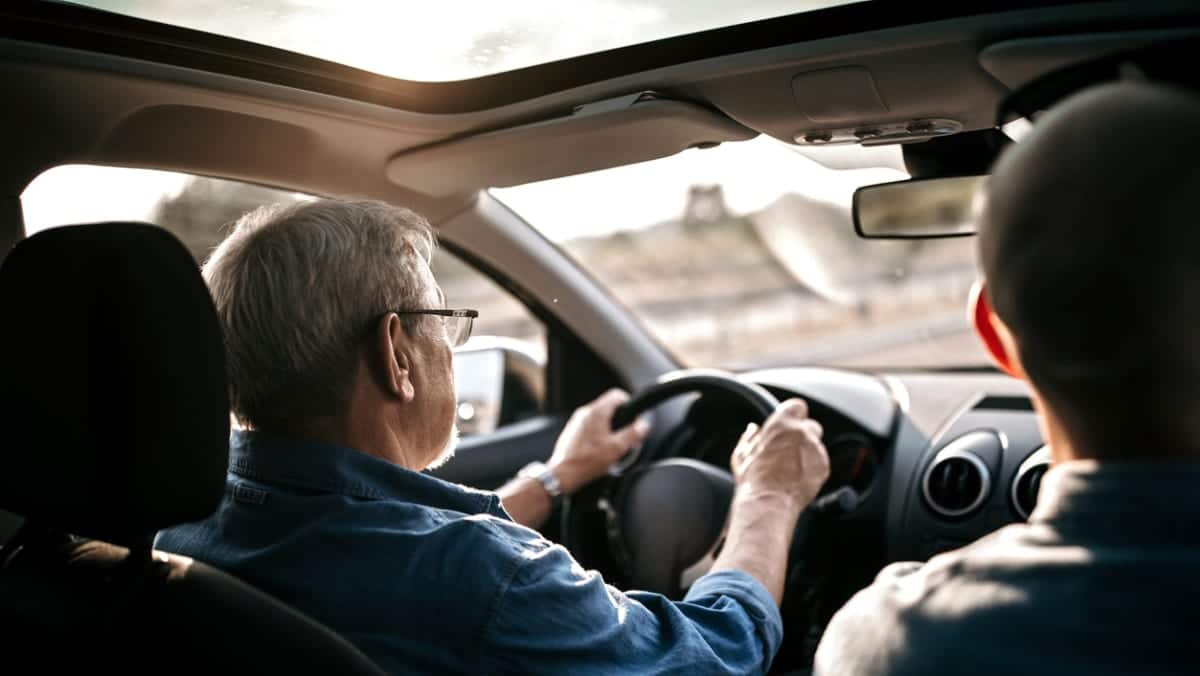
It is often assumed that elderly drivers pose a risk to road safety. However, the statistics tell a very different story. It is primarily young drivers, aged 18 to 24, who are most frequently involved in road accidents. In contrast, motorists over the age of 75 are statistically less likely to cause accidents. Their fragility, however, manifests differently: in the event of a collision, their bodies absorb trauma far less effectively. With age, loss of bone density, slowed reflexes, and diminished visual acuity can turn a minor crash into a severe, even fatal incident. Cognitive impairments linked to aging further complicate the situation. Even the most cautious drivers see their alertness and capabilities decline over time. Faced with this reality, the question arises: should we implement fitness-to-drive tests for these older drivers to ensure everyone’s safety on the road?

Senior Drivers: Valuable Experience but Increased Risks
In France, a driving license is valid for life for private individuals. Only professional drivers, such as bus and heavy goods vehicle operators, are required to undergo regular medical examinations. Yet several European countries have already introduced mandatory periodic checks. In Italy, for instance, a medical exam is required every five years from age 50, every three years after 70, and every two years after 80. Spain, the Czech Republic, and Greece require medical assessments starting at 65. Denmark and Finland set the limit at 70, while the Netherlands mandate medical visits every five years beginning at age 75. From this perspective, France stands out by not enforcing compulsory medical checks for seniors. But is this exception truly an advantage?
Mandatory Medical Checkups: A Practical Solution or an Unfair Measure?
The Benefits of Regular Medical Monitoring
Introducing mandatory fitness-to-drive tests for elderly drivers offers several tangible advantages. First, it would allow early identification of health deficits that could impair driving ability before these issues result in accidents. Second, this approach would promote prevention by fostering dialogue between healthcare professionals and drivers, enabling tailored advice such as the use of specific glasses, limiting night driving, or restricting driving under certain conditions. Finally, it would provide peace of mind both for the drivers and their families, who often feel anxious about their continued presence behind the wheel.

Limitations and Concerns Surrounding This Measure
However, this proposal also raises concerns. For many, it may appear stigmatizing or even discriminatory against older individuals. Revoking an elderly person’s license often means severing their social ties, especially in rural areas where a car remains essential for accessing vital services such as grocery shopping or medical appointments. Additionally, implementing widespread medical evaluations would entail significant logistical and financial burdens on the healthcare system. Organizing medical visits for millions of motorists represents an enormous challenge.

Towards a Softer, More Nuanced Approach
Does this mean we should abandon all forms of regulation? Not necessarily. A more balanced middle ground could emerge. Rather than imposing systematic medical exams, encouraging voluntary participation and prevention might be preferable. Refresher courses could help seniors update their knowledge of traffic laws and adapt their driving habits to changes in their abilities. Furthermore, health assessments offered on a voluntary basis would encourage drivers to consult professionals without pressure. Lastly, simple infrastructure adjustments—such as more visible signage, redesigned intersections, or longer pedestrian crossing times—would help enhance safety for all road users. Ultimately, aging should not mean giving up one’s driver’s license but learning to drive differently: with caution, clarity, and renewed attentiveness.
