
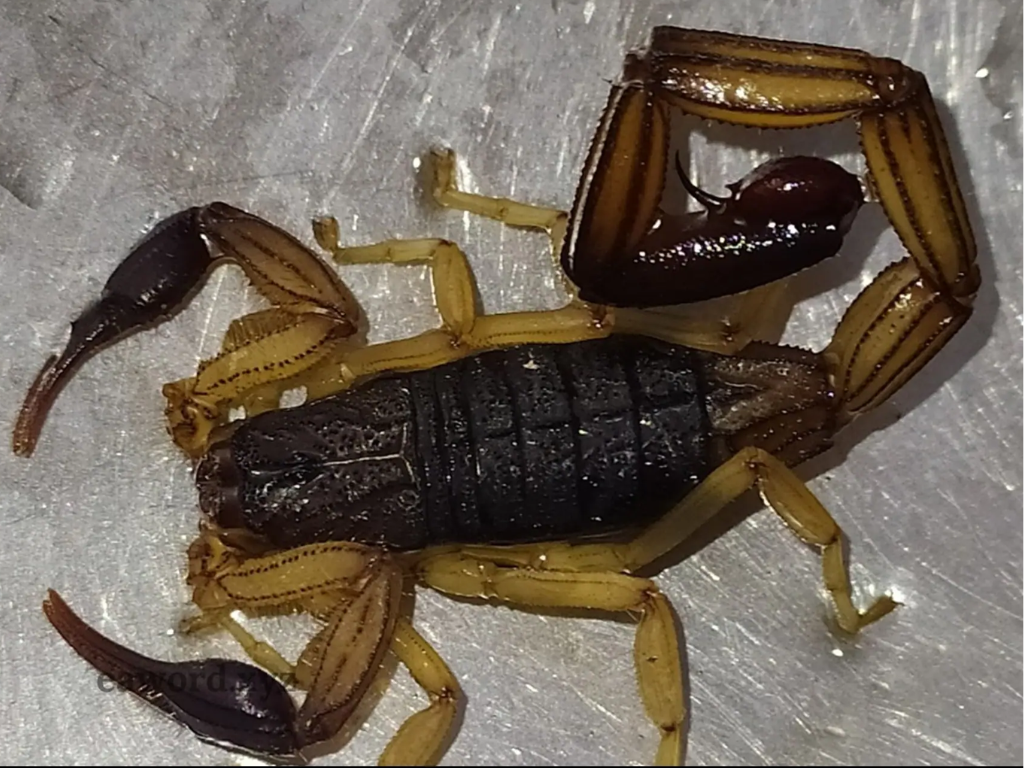
Why Might a Scorpion Enter Your Home?

Contrary to certain popular beliefs, the arrival of a scorpion in your home is never accidental nor meant to convey any mystical message. In most cases, there are very concrete reasons related to your domestic environment that explain their presence.
First and foremost, a scorpion seeks suitable shelter. These creatures prefer cool, quiet, and slightly humid places. A poorly ventilated basement, a bathroom with limited airflow, a crack in the wall, or a stack of forgotten cardboard boxes on the floor can offer an ideal refuge for them.
Another common reason for their presence is food availability: scorpions primarily feed on insects, which explains their nocturnal activity. If your home houses cockroaches, crickets, or spiders, it is no surprise that a scorpion might follow them, attracted by this easy source of food.
Finally, hidden or poorly sealed access points play a significant role. A misaligned door, an old window, a deteriorated seal, or an unprotected pipe can provide a scorpion with a discreet entryway, especially during the summer months when the heat drives these insects to seek shelter indoors.

Is the Presence of a Scorpion Truly Dangerous?
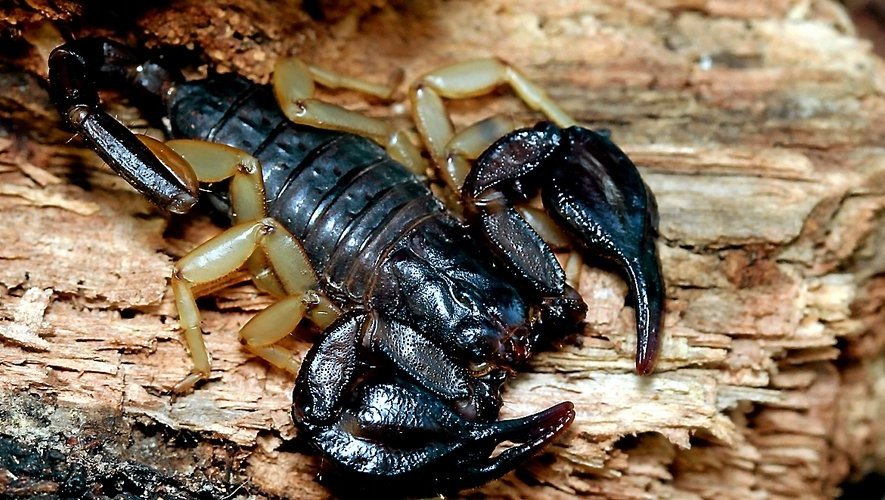
Seeing a scorpion can be unsettling and may cause some concern, but it is important to put this encounter into perspective. These animals are naturally shy and systematically avoid any contact with humans. They only sting if they feel directly threatened, especially if touched accidentally.
A sting can cause sharp pain, but it generally remains mild in healthy adults. However, caution is necessary for young children, the elderly, or those with medical vulnerabilities. In any case, it is best not to attempt to handle a scorpion to avoid any risk.
Beyond the physical risk, the presence of a scorpion is primarily an important warning signal. It often indicates an imbalance within your living space: excessive humidity, insufficient maintenance, or coexistence with other insect populations.
How to Effectively Prevent Scorpion Intrusion Long-Term?
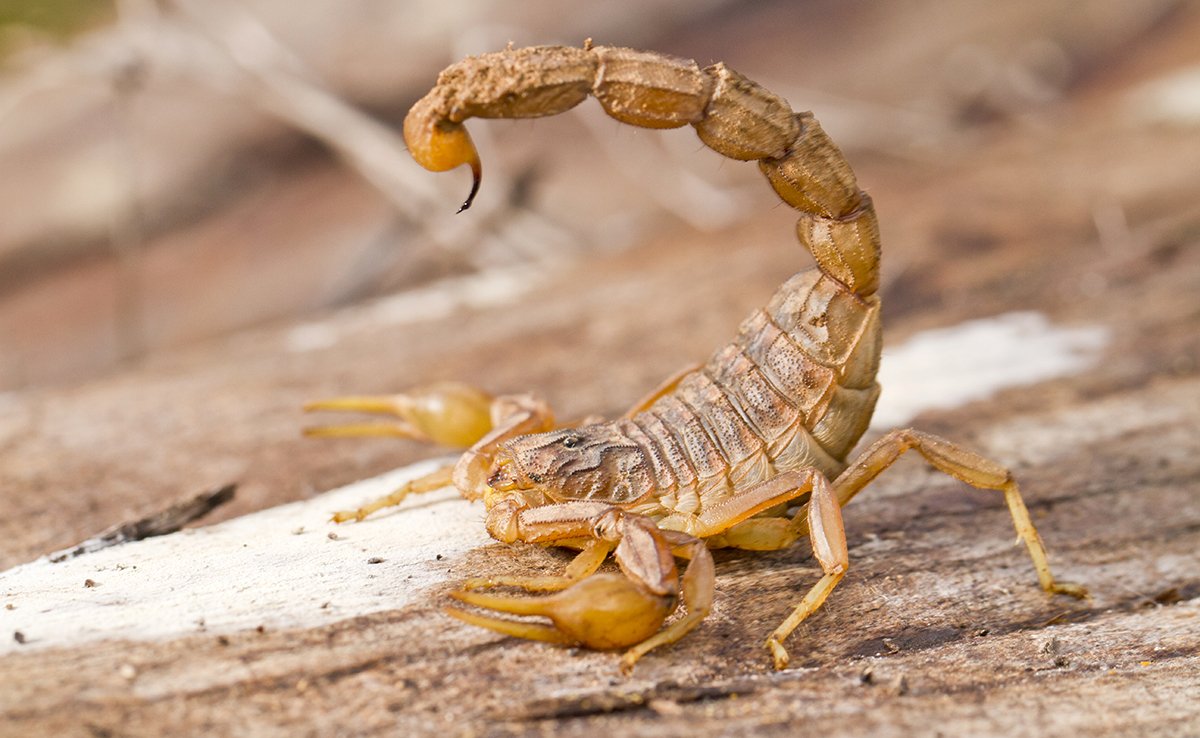
Good news: a few simple actions are enough to significantly reduce the risk of intrusion. Begin by sealing all visible cracks around doors, windows, and walls. This habit also helps improve your home’s thermal insulation.
Next, ensure the interior remains dry, well-ventilated, and tidy. Promptly repair any water leaks, air out humid rooms daily, and avoid accumulating objects on the floor. Indeed, piles of clothes, boxes, or shoes become favored hiding spots for these small creatures.
Outside, make sure to regularly maintain the areas around your home: firewood stacks, stone piles, dead leaves, or tall grass inevitably attract nocturnal scorpions. Keeping the environment clear around your property acts as an effective natural barrier.
Lastly, controlling other insect populations is essential. The fewer potential prey there are, the less reason scorpions have to settle in your home long-term. Reducing the population of harmful insects is therefore a critical additional step in preventing scorpion presence.
What Should You Do If You Discover a Scorpion Inside Your Home?
Stay calm and avoid panicking. Never attempt to grab a scorpion with your bare hands. Instead, use a rigid object or a container to safely capture and isolate it without danger. Additionally, make it a habit to check your shoes and clothing laid on the floor, especially in warm regions where scorpions are more common.
If you observe repeated appearances, it may be helpful to call a professional pest control specialist. This solution ensures effective and lasting treatment, providing valuable peace of mind.
Ultimately, the presence of a scorpion is neither a bad omen nor an inevitability. It is above all an invitation to look more closely at your home and restore a balanced environment conducive to your well-being and safety.
