
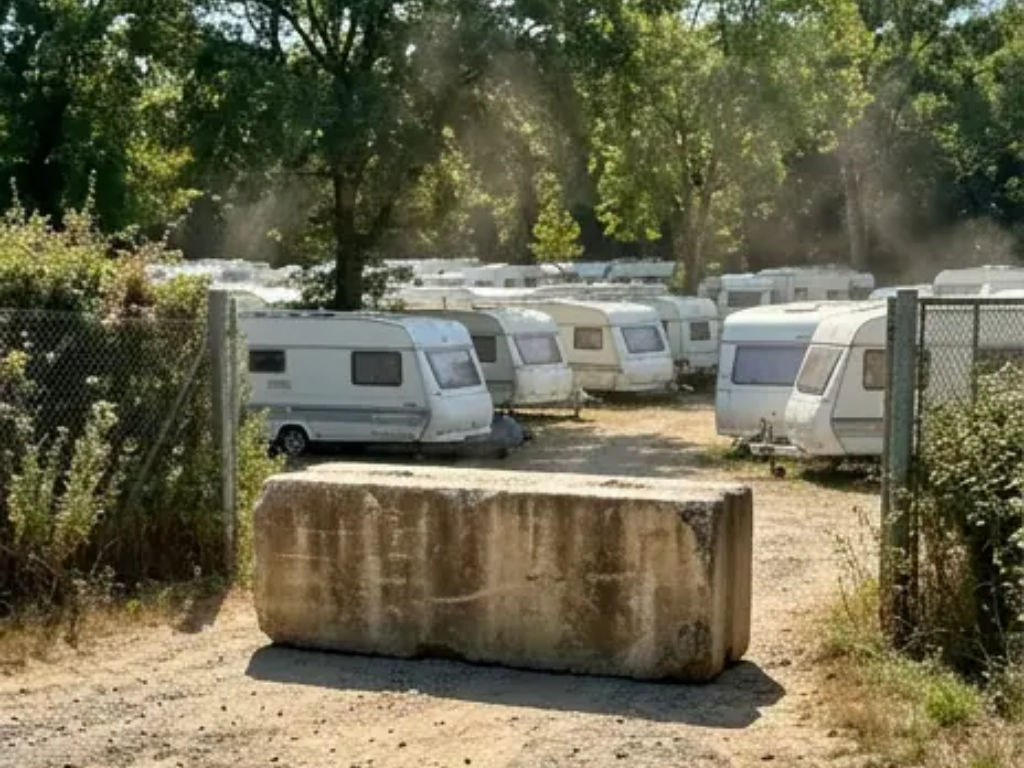
Some disputes between neighbors sometimes take unexpected turns, quickly sparking heated debates on social media and within local discussions. In Portet-sur-Garonne, a conflict surrounding the occupation of a private plot of land recently triggered a wave of passionate reactions. Amid misunderstanding, irritation, and legal questions, this case raises important issues regarding the limits of the means available to individuals to defend their rights. Beneath this news story lies a sensitive challenge: managing private land and the access points that lead to it.
The Context of the Dispute and Issues Surrounding Private Access
Located on the outskirts of Toulouse, this private land has been the subject of recurring tensions due to temporary occupations and access problems. The owner recounts facing several similar situations previously and expresses growing exasperation at the repeated intrusions. The occupants often justify their presence by a temporary need for settlement linked to their movements. This confrontation highlights a frequent dilemma: how to reconcile respect for property rights with the realities of temporary parking or dwelling? In cases like these, misunderstandings often take root, especially when administrative procedures seem lengthy or complicated. This plot, positioned strategically near major roadways, has thus become a frequent point of conflict. Local residents who witness these events frequently feel weary but primarily call for better-regulated and more proactive solutions to prevent recurring disputes.
A Dramatic Action That Sparks Controversy
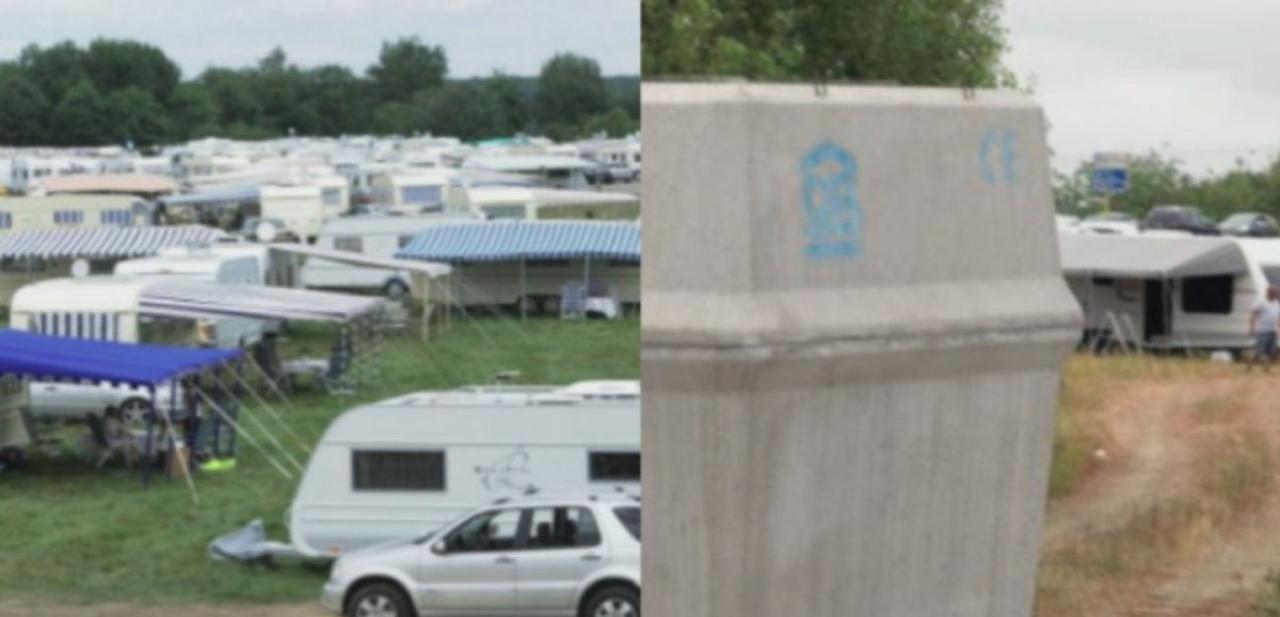
Reports indicate that a massive concrete block was placed at the entrance of the path leading to the land to prevent any unauthorized exit. This measure, seen as a reaction to a situation perceived as deadlocked, raises numerous practical and legal questions. While the owner insists on upholding his rights against what he considers a protracted occupation, such an initiative remains very contentious and can create further complications. In such contexts, tensions can escalate when usual legal remedies are considered too slow or ineffective. The reactions observed on site also reflect the delicate nature of the issues related to access and movement on private properties. Legal experts remind us that any physical obstruction must be analyzed in terms of legality, carefully weighing the risks for all parties involved.
Legal Solutions to This Type of Conflict
In France, disputes related to the occupation of private land are governed by clearly defined legal procedures. The property owner can bring the matter before the courts or request the intervention of competent authorities, although these processes can sometimes be long and frustrating. Alternatives such as mediation or police involvement may also be considered depending on the circumstances. These options help avoid unilateral actions likely to worsen the situation. Furthermore, local authorities, especially town halls and prefectural services, often act as mediators to foster dialogue between the parties involved. A progressive and regulated approach generally promotes de-escalation and leads to lasting solutions. It is therefore advisable to prioritize communication and appropriate legal support rather than impulsive decisions made in haste.

A Broader Reflection on Cohabitation and Respect for Private Spaces
Beyond this particular case, the situation raises broader issues related to coexistence, private land management, and tensions that arise in some peri-urban areas. Finding a balance between temporary settlement needs and respect for private property remains an ongoing challenge. These situations remind us of the importance of dialogue, empathy, and the search for solutions tailored to each local context. They also highlight the need for better anticipation of land use in certain neighborhoods to prevent blockages and conflicts. Local governments, property owners, and occupants each have a role to play in building peaceful coexistence. Ultimately, these episodes invite reflection on smarter planning and enhanced coordination of existing frameworks.
A peaceful resolution remains the most constructive path for all parties involved in such neighborhood conflicts, where dialogue and legal frameworks are essential to avoid escalation of tensions related to private land management.
