
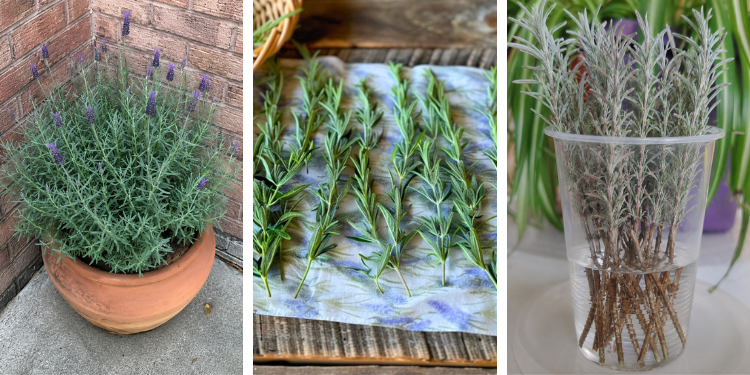
August is recognized by experienced gardeners as the perfect time to propagate lavender (Lavandula).
At the end of summer, your well-established lavender bushes have finished their main fragrant bloom. Beneath these faded flowers lies a true treasure for propagation: healthy, vigorous semi-mature stems.
Taking semi-ripe cuttings in August allows you to multiply your favorite lavender varieties for free—whether they are English lavender (Lavandula angustifolia), French lavender (Lavandula dentata), or Spanish lavender (Lavandula stoechas).
With just a few cuttings, you can easily produce dozens of vibrant new plants to edge your walkways, fill your planters, or share with fellow enthusiasts by the following spring.
This comprehensive guide explains why late summer propagation is particularly effective, outlines essential supplies, and details a 7-step process to successfully root your cuttings.
Why August Is the Ideal Time to Take Lavender Cuttings
Successful propagation depends greatly on the physiological maturity of the selected stem:
Softwood cuttings (spring): Young spring shoots, tender and supple, root easily, but their high water content makes them vulnerable to wilting, fungal infections, and rot.
Hardwood cuttings (winter): Older, lignified, brown winter branches are disease resistant, but their cell division is slow and root formation can take several months.
Semi-ripe cuttings (August): Late summer growth offers the best compromise. The stem base has become firm and slightly woody, providing resistance against rot, while the tip remains flexible, soft, and rich in growth hormones.
In August, the warmth of the soil and air encourages rapid cell division at the cut site. Simultaneously, the gradually shortening daylight hours prompt the plant to shift its energy from flowering towards rooting before winter.
Essential Materials and Preparation
Before taking your cuttings, gather clean, high-quality tools to avoid contamination by fungal spores that carry diseases.
Recommended items:
Pruner or sharp blade: Clean your tools with rubbing alcohol or a mild bleach solution to prevent transmitting pathogens.
Well-draining rooting medium: Avoid heavy soils and moisture-retentive potting mixes. Mix equal parts of peat-free compost with coarse horticultural sand, perlite, or grit.
Containers: Small pots 7 to 10 cm deep, seed trays, or terracotta pots with drainage holes at the bottom.
Rooting hormone (optional): Organic powder, willow water, or a light dip in raw honey can stimulate root formation, although August cuttings often root without help.
Humidity protection: Transparent plastic bags, plastic domes, or cut plastic bottles to maintain a humid environment around the cuttings.
Propagating Lavender in August in 7 Easy Steps
Follow this precise method to turn your late summer stems into strong, independent young plants:
1. Choose the best mother shoots:
On a dry August morning, select vigorous, straight lateral shoots that have no flowers. These non-flowering stems dedicate all their energy to developing roots rather than producing blooms.
2. Take the cutting correctly:
Cut a segment about 7 to 10 cm long, either by gently pulling the stem downward to detach a small piece of older bark with it (heel cutting), or by making a clean cut just below a node with a sharp pruner.
3. Strip and trim:
Carefully remove all leaves from the lower half of the cutting to prevent them from rotting in the moist substrate. If you have a heel cutting, remove any damaged bark to ensure a clean base. Pinch the tip if it is too soft.
4. Apply rooting hormone (optional):
Dip the stripped base in water, then lightly dust with rooting hormone powder or coat with honey. This helps protect the cut against fungi and promotes even root distribution.
5. Plant in the substrate:
Using a dibber, pencil, or wooden stick, make holes around the pot’s edge. Insert the cuttings up to the base of the last leaves and gently firm the substrate around them. For terracotta pots, place the cuttings toward the inner edge to retain ambient warmth.
6. Water gently and cover:
Moisten the substrate thoroughly, allowing excess water to drain out. Cover with a transparent plastic bag or plastic dome without letting it touch the leaves. This creates a humid atmosphere conducive to rooting while keeping the foliage dry.
7. Place in indirect light and monitor:
Set the covered pot in a warm, bright spot, shielded from intense direct sunlight (for example, a shaded terrace, cold greenhouse, or bright but non-scorching windowsill). Regularly check substrate moisture, which should remain slightly damp but never soggy.
Comparing Substrates and Rooting Conditions
The right choice of medium and microclimate affects rooting speed while preventing rot:
Factor
Ideal setup for August
To avoid
Substrate
50% gravel/perlite + 50% compost
Heavy clay soil or conventional garden soil
Light exposure
Bright, indirect light or light shade
Direct afternoon sun (burns leaves)
Humidity
Moist but well-drained soil, humid atmosphere
Waterlogged soil, standing water (root rot)
Rooting duration
4 to 6 weeks in temperate climate
Slowed by too low temperatures
Ventilation
Periodic aeration under protection
Hermetic container with no airflow
Post-Rooting Care: Protect Your Lavender Cuttings in Winter
By late September or early October, about 4 to 6 weeks after taking the cuttings, your lavenders will start developing a fine network of tender white roots.
How to confirm roots have formed:
Small light green leaves appear at the tips of shoots.
A slight upward tug meets resistance from roots anchored in the substrate.
Winterizing procedure:
Once your cuttings have rooted, remove the plastic covering. Keep them potted throughout autumn.
As winter approaches, protect them from frost by placing them in an unheated greenhouse, a cold frame, or a sheltered spot such as a closed porch corner.
Because lavender is a Mediterranean plant resistant to drought, water very sparingly during winter dormancy—just enough to prevent the substrate from drying out completely.
In early spring, when temperatures rise, re-pot each individual plant into a small pot filled with well-draining substrate.
By late spring or early summer, your free lavender plants will be robust and well-established, ready to be permanently transplanted into your garden.
Common Mistakes to Avoid
Overwatering: Excess water is the main cause of lavender cutting failure. Always allow the substrate surface to dry slightly between waterings.
Taking cuttings from flowering stems: Stems with buds or flowers focus their energy on seed production instead of root development. Always choose non-flowering shoots.
Exposing cuttings to direct sun under plastic: An overheated mini-greenhouse will cook tender shoots. Prefer strong but indirect, shaded light.
Propagating lavender in August is a skill both economical and practical for gardeners.
By taking advantage of late summer’s semi-ripe growth, you can turn a single healthy shrub into dozens of fragrant, free plants for years to come.
