
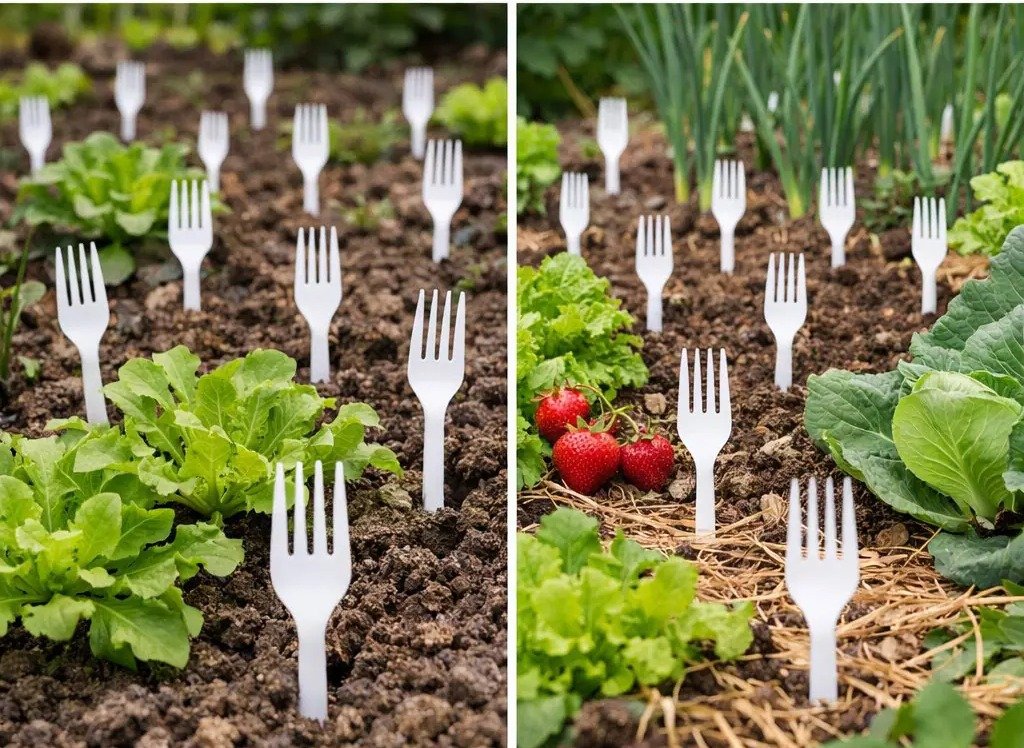
Who would have thought that a simple utensil forgotten in the back of a drawer could become a secret weapon in your vegetable garden? At first glance, sticking plastic forks into the soil sounds like a joke between neighbors. And yet, this unusual method is winning over more and more gardeners, from beginners to seasoned enthusiasts. Behind this quirky idea lies a surprisingly clever solution that could make garden care much easier.
Protecting Your Garden Naturally: A Real Challenge
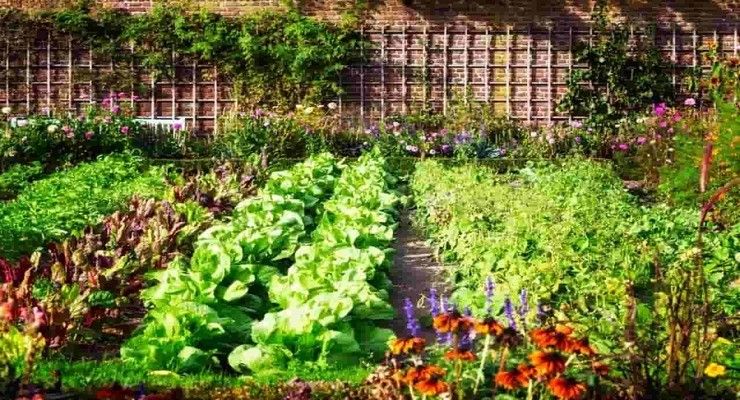
There’s nothing more satisfying than watching cherry tomatoes ripen or fresh herbs flourish. But between work, family life, and daily responsibilities, it’s not always possible to spend hours monitoring your plants. Unfortunately, that’s when unwanted visitors take advantage and settle in.
Garden centers offer plenty of ready-made solutions. However, many people are reluctant to use harsh chemical treatments—especially when growing fruits and vegetables meant for the whole family. Add to that the cost of repeated purchases and the growing desire to preserve soil quality, and the question becomes clear: how can you protect your crops in a simple, effective, and eco-friendly way?
The Plastic Fork Method: How Does It Work?
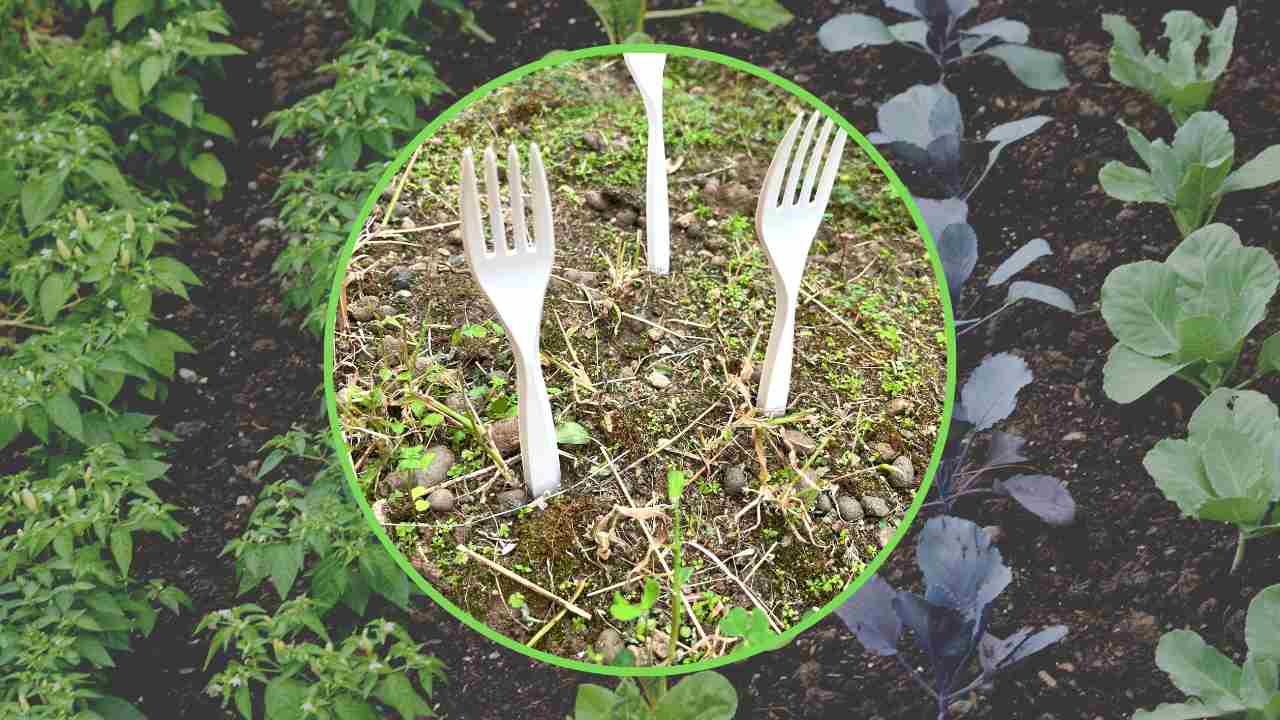
The idea is surprisingly simple: insert plastic forks into the soil around your most vulnerable plants, with the prongs facing upward.
Those upward-pointing prongs create a small physical barrier. Ground-level pests find it uncomfortable to crawl across the uneven, spiky surface. As a result, lettuce, strawberries, and young shoots become less accessible.
Think of it as placing a tiny protective hedgehog around each plant. While it’s not a miracle cure, it can significantly reduce damage—especially in small garden beds or balcony planters.
An Affordable and Easy Solution
One of the biggest advantages of this trick is its cost: almost nothing. If you have leftover plastic forks from a picnic or takeout meal, you already have everything you need.
How to Set It Up
1. Lightly weed the area around the plant if necessary, then push the forks into the soil with the prongs sticking out.
2. Space them evenly to create a consistent barrier around the plant.
3. Make sure they are firmly secured so they don’t fall over in the wind. In just a few minutes, your protective setup is complete.
This method is also a smart way to reuse disposable items instead of letting them sit unused in a drawer. It’s a small, practical step toward more responsible and sustainable gardening.
Perfect for Planters and Small Spaces
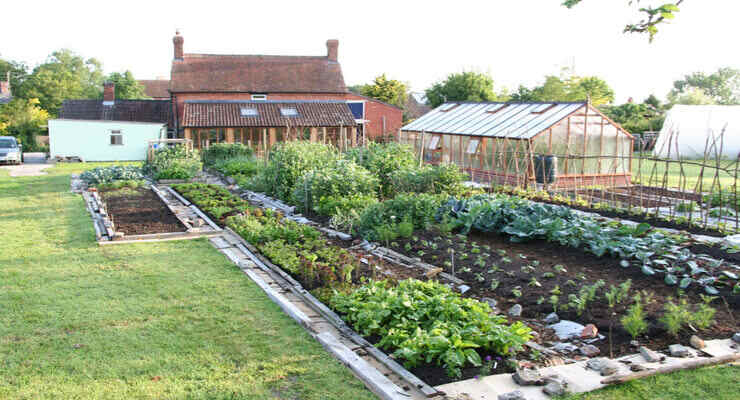
Don’t have a large countryside garden? No problem. This technique is particularly well suited to small spaces.
On a city balcony, where every pot matters, young plants are often more exposed to pests. Plastic forks provide targeted protection that is easy to install and just as easy to remove. Think of it as a minimalist, modern version of a scarecrow.
For a more discreet look, choose green or beige forks that blend naturally with your plants. Your garden stays harmonious while remaining protected.
Understanding the Limits—and Maximizing Effectiveness
Let’s be honest: plastic forks are not a substitute for regular garden maintenance. They work best as a preventive measure and in specific areas. If your garden is already heavily infested, combine this method with other natural techniques such as mulching, crop rotation, proper watering, and manual pest removal.
Regular observation is also key. A quick daily check can help you spot issues before they become serious problems.
In short, plastic forks may not be a magic wand, but they can offer valuable support for natural garden protection and encourage a more eco-conscious gardening approach. Next time you receive plastic cutlery, you might just see it in a completely different light.
