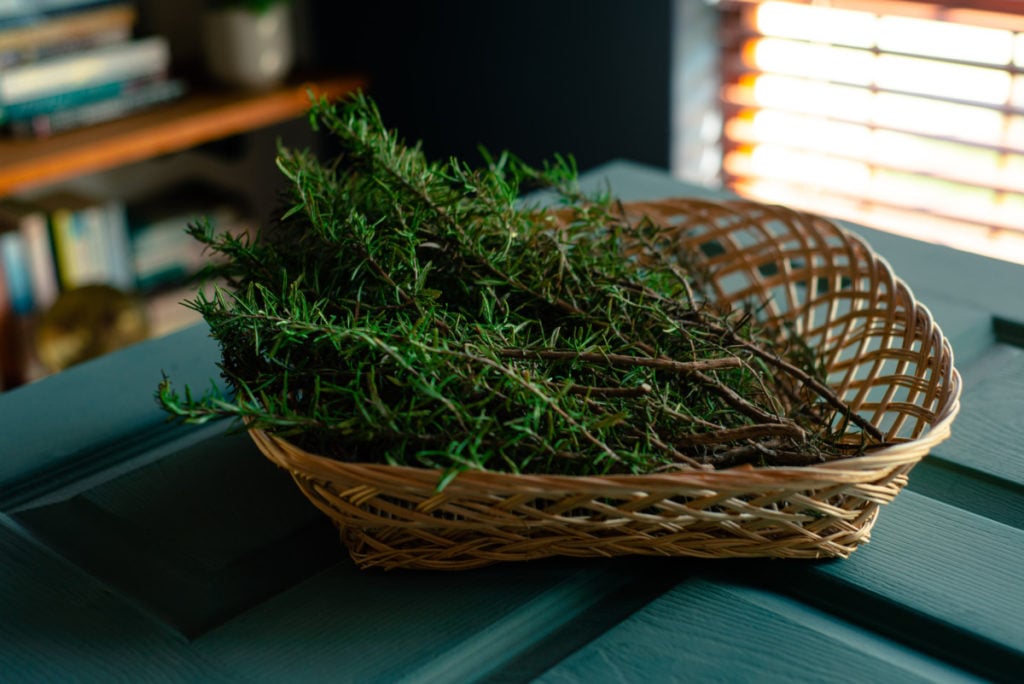
Native to the Mediterranean, rosemary (Rosmarinus officinalis) is a woody, evergreen herb in the mint family. Its name comes from the Latin ros marinus, meaning “dew of the sea,” a nod to how well it thrives in sunny, breezy coastal conditions.

While rosemary loves dry summers and mild winters, you can still grow it successfully in cooler regions by keeping it in containers and overwintering it indoors. One healthy plant often provides plenty of sprigs for cooking all year long.
About the Rosemary Plant
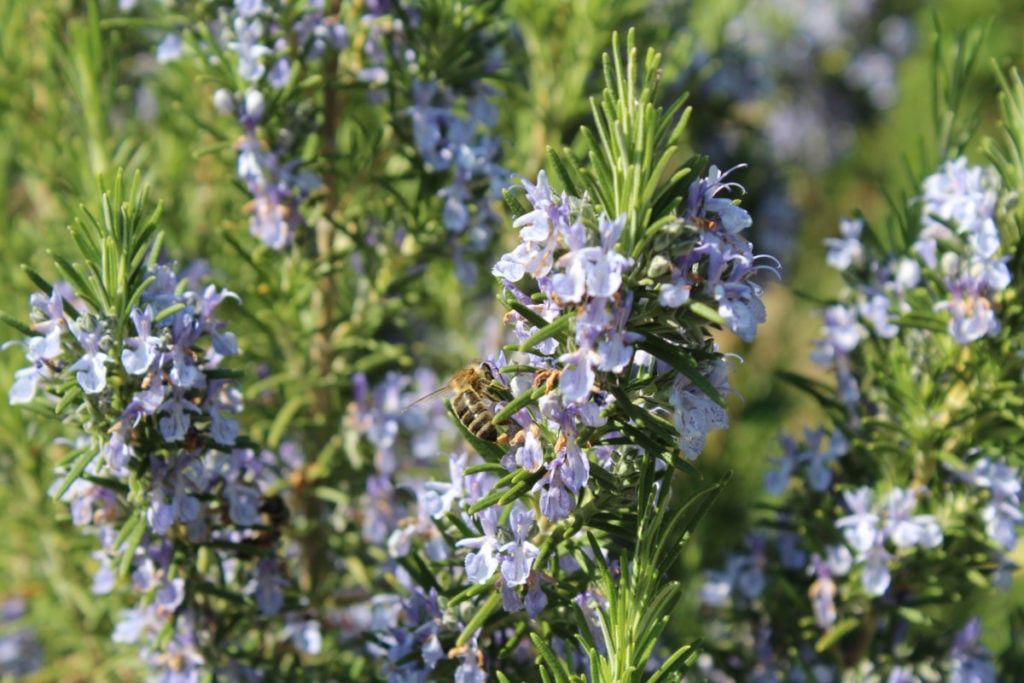
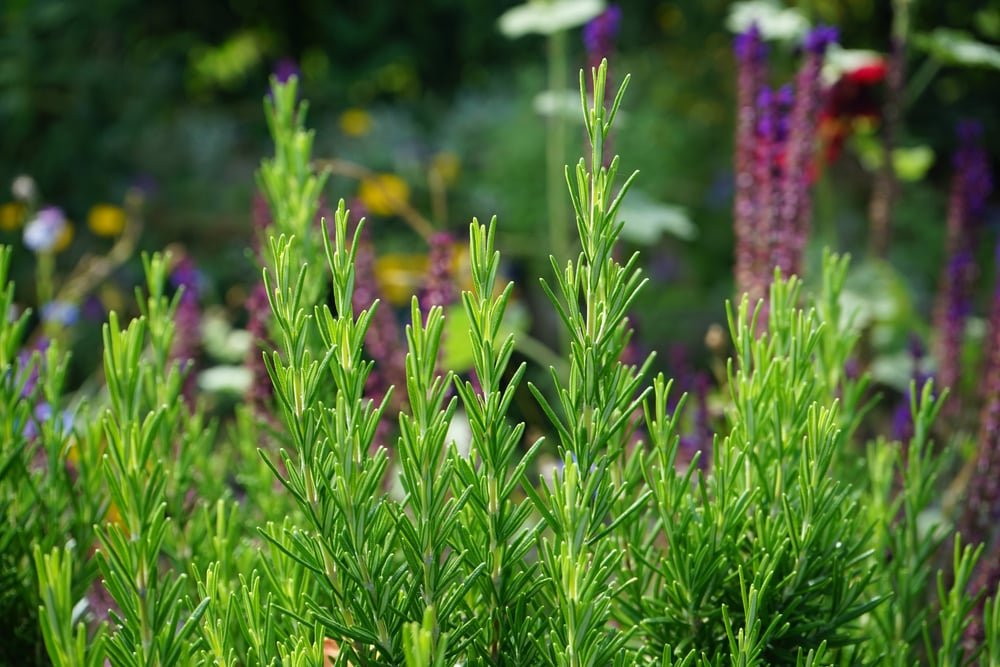
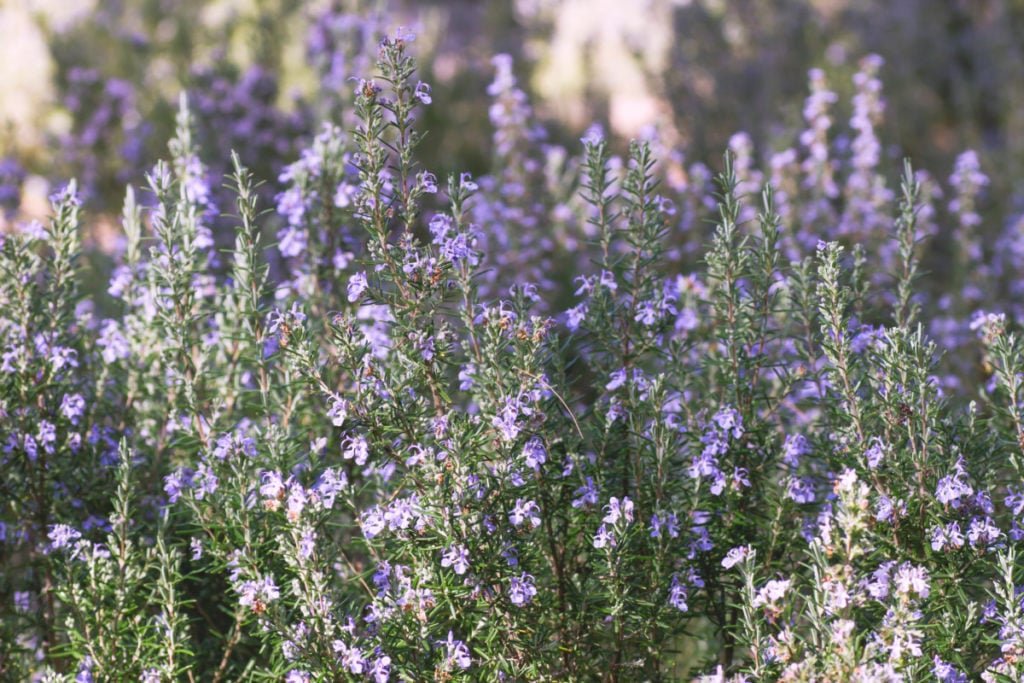
Rosemary is intensely fragrant, with needle-like grey-green leaves that stay on the plant year-round. In bloom season, it produces delicate two-lipped flowers in shades of white, pink, purple, or blue. The blossoms are a magnet for bees and butterflies, and the foliage releases a sweet, resinous aroma that many people compare to pine.

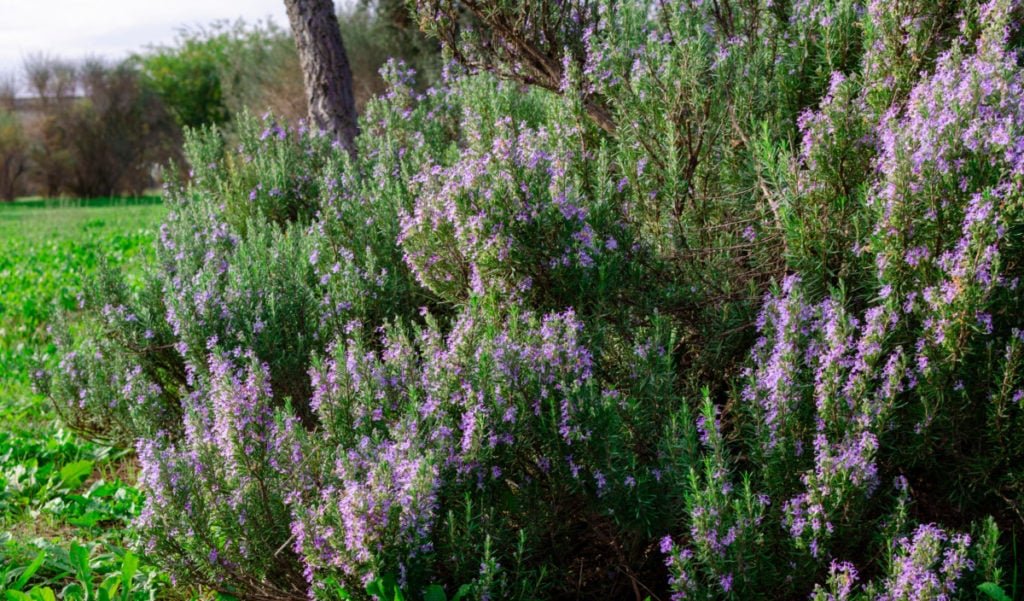
In warm climates, rosemary can grow 4 to 6 feet tall and wide. It works beautifully as a low hedge, a sculpted topiary, or a tough, drought-tolerant landscape shrub.
Popular Rosemary Varieties
Creeping rosemary is a low-growing ground cover that spills nicely from containers and hanging baskets.
Golden rosemary stays more compact and shows off bright yellow foliage in cooler seasons that deepens to green in summer.
Arp rosemary is one of the most cold-hardy types and can handle colder winters with protection.
Rosemary Growing Conditions
Hardiness
Rosemary is typically winter hardy in USDA zones 8 through 10. In colder zones, grow it in pots so you can bring it indoors before frost.
Light Requirements
Rosemary tolerates light shade, but it grows best in full sun. Aim for at least 6 hours of strong light daily for dense, flavorful growth.
Soil
Choose a well-drained, slightly acidic to neutral loam. Heavy clay holds too much water and is a common cause of failure with rosemary.
Watering
Rosemary is drought tolerant once established. Let the top layer of soil dry between waterings, and avoid keeping roots constantly wet to prevent root rot.
Fertilizer
Rosemary isn’t a heavy feeder. If growth looks pale or sluggish, top-dress with compost or work in a small amount of gentle organic fertilizer.
Companion Plants
Rosemary pairs well near beans, carrots, and Brassica crops like cabbage, kale, broccoli, cauliflower, and Brussels sprouts. Its strong scent can help deter common pests such as cabbage moths and carrot flies.
How to Grow Rosemary
Growing Rosemary from Seed
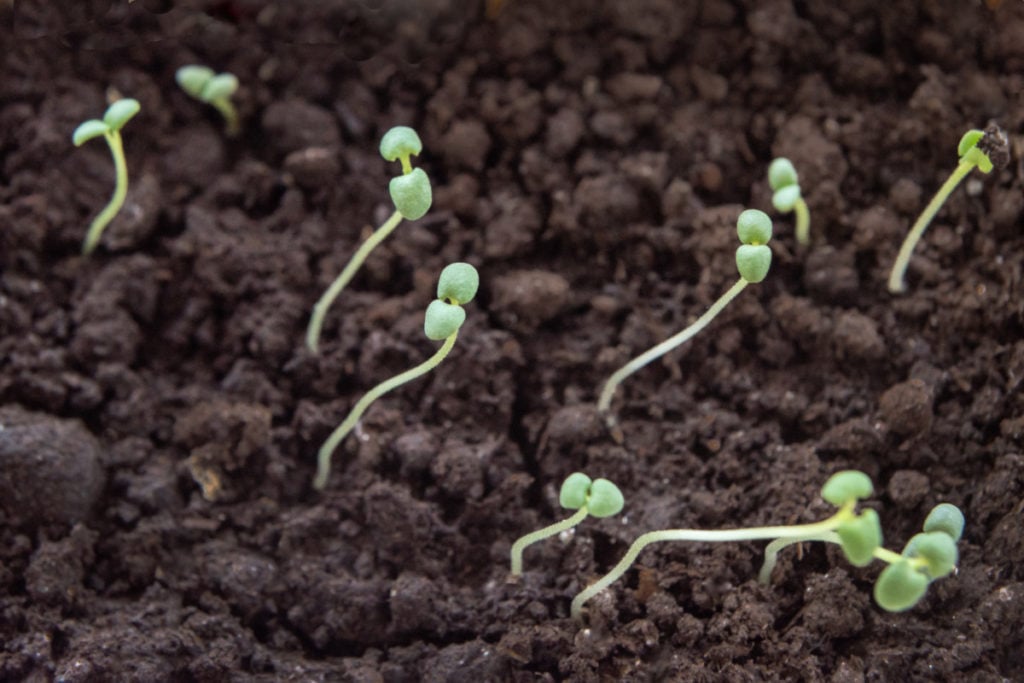
Rosemary seeds germinate slowly and unevenly, so start them indoors about three months before warm weather arrives. Sow extra seeds since not all will sprout.
Seed-starting steps:
Fill pots with seed-starting mix, sow seeds, and cover lightly with a fine dusting of soil.
Water gently, then keep the pots warm and slightly humid until sprouts appear.
Once seedlings emerge, remove the cover and place them in bright light.
When seedlings reach about 3 inches tall, begin hardening them off before transplanting.
Plant outdoors or into larger containers with 24 to 36 inches of space between plants.
Propagating Rosemary from Cuttings
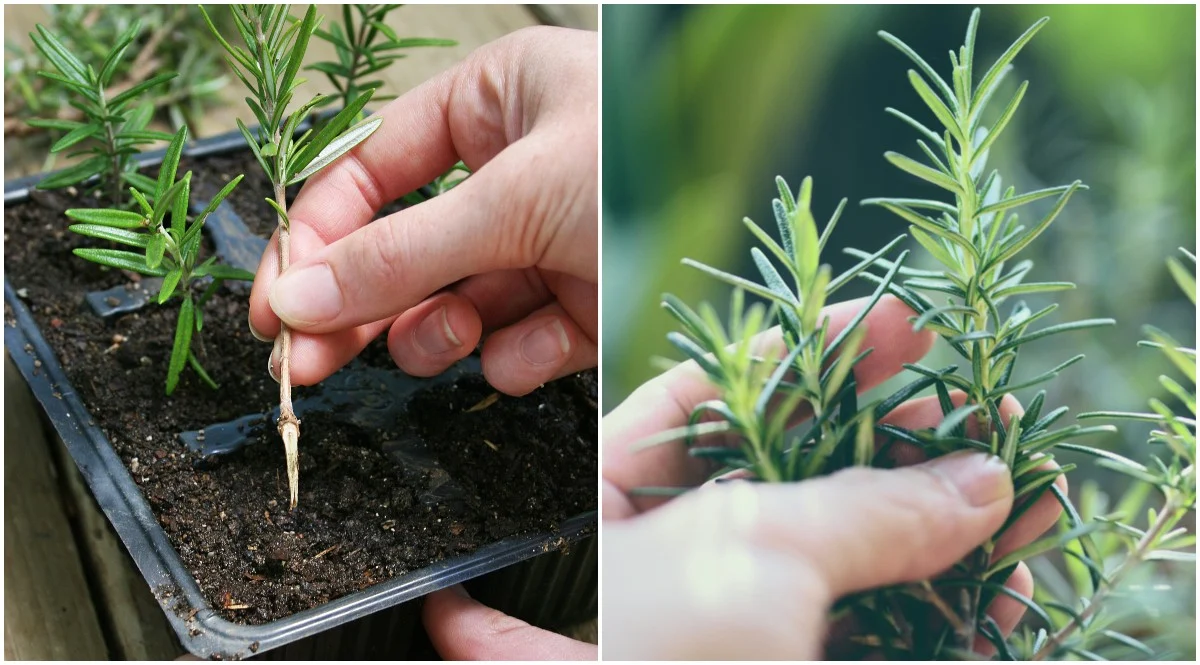
If you have access to an established plant, cuttings are the fastest, most reliable way to create new rosemary plants with the same flavor and growth habit.
Cutting method:
Take several cuttings a few inches long from semi-woody stems.
Strip leaves from the bottom 2 to 3 inches of each cutting.
Lightly score the lower stem to expose fresh tissue and encourage rooting.
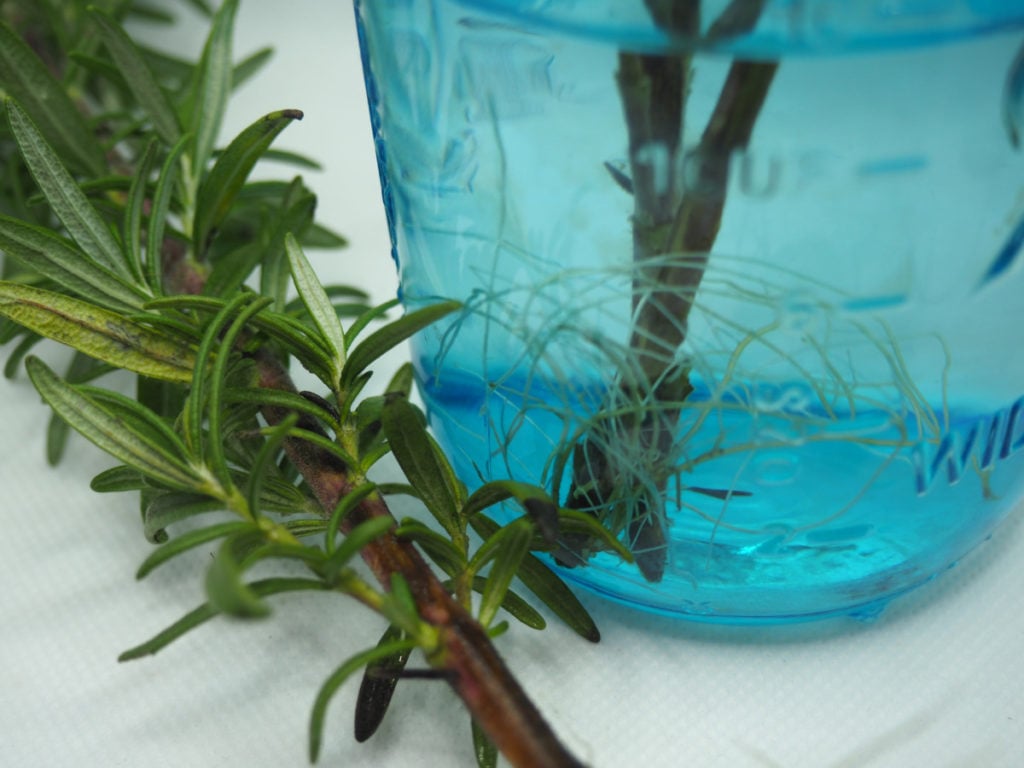
Trim the base at a 45° angle, then place cuttings in a glass of water.
Set them in bright, indirect light and refresh the water as needed.
When roots form (often in about a month), pot them into rich, well-draining soil and water thoroughly.
Keep new potted plants in a sunny window for a couple of weeks, then harden off before moving outdoors.

Planting a Nursery Starter
Buying a starter plant is the easiest way to get a strong rosemary plant quickly, especially if you want harvestable sprigs sooner.
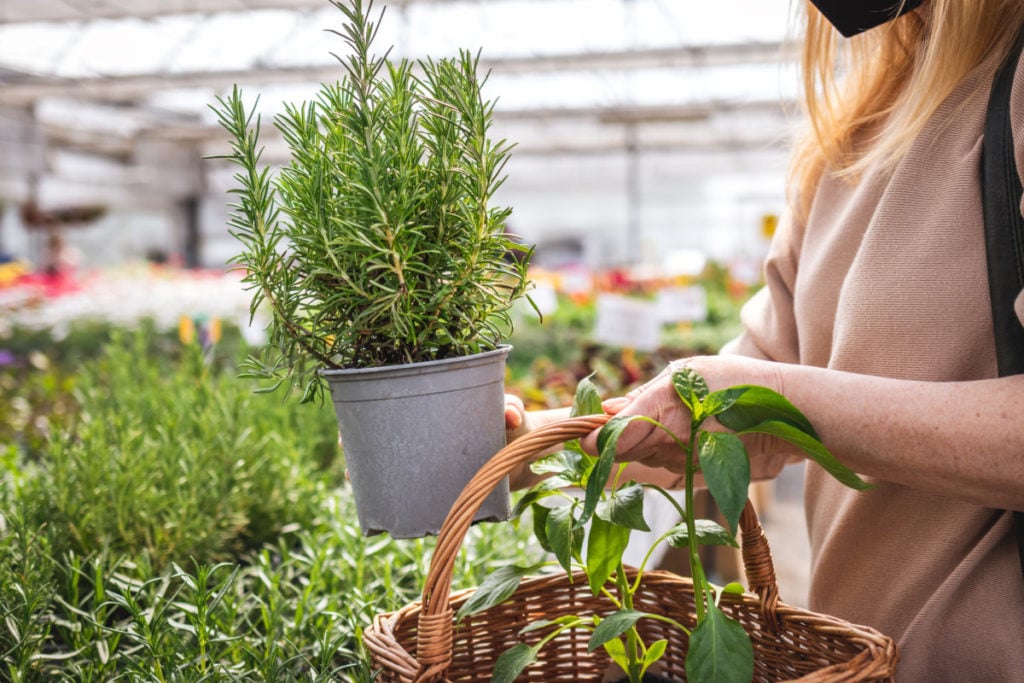
Starter-plant steps:
Loosen soil to about 8 inches deep and mix in compost.
Dig a hole the same depth and width as the pot.
Remove the plant gently, place it in the hole, and backfill.
Firm the soil lightly and water well.
Water consistently for the first couple of weeks while the plant establishes.
How to Harvest Rosemary
Harvest rosemary by snipping stems anywhere along the plant. Because rosemary branches where you cut, leaving a few inches of growth encourages fuller regrowth. As a rule, avoid taking more than about one-third of the plant at a time.

For fresh use, strip the leaves from the stem and rinse them in a colander before adding to your dish.
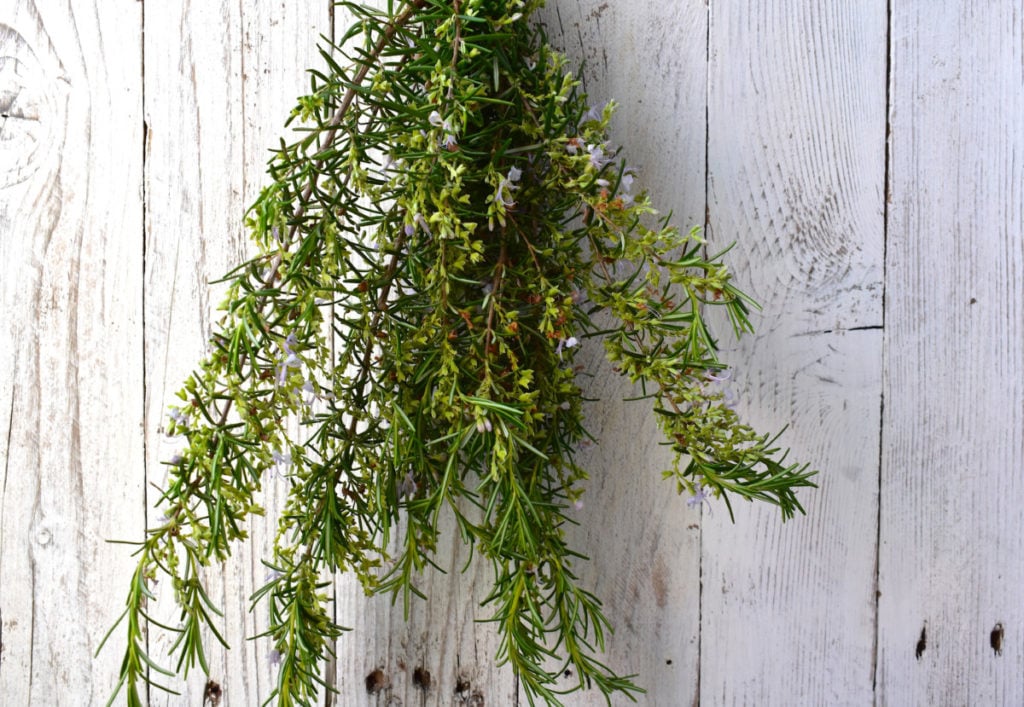
To dry rosemary, bundle several stems and hang them in a warm, dark, dry place for about two weeks. Once fully crisp, remove the leaves and store them in an airtight container.
Rosemary Seed Saving
Cuttings are the quickest way to multiply rosemary, but seed saving can be a smart backup—especially in colder climates where mature plants don’t always overwinter well.
Let rosemary flower, then wait until blooms turn brown and dry. Snip the dried flower heads and place them in a paper bag for about two weeks.
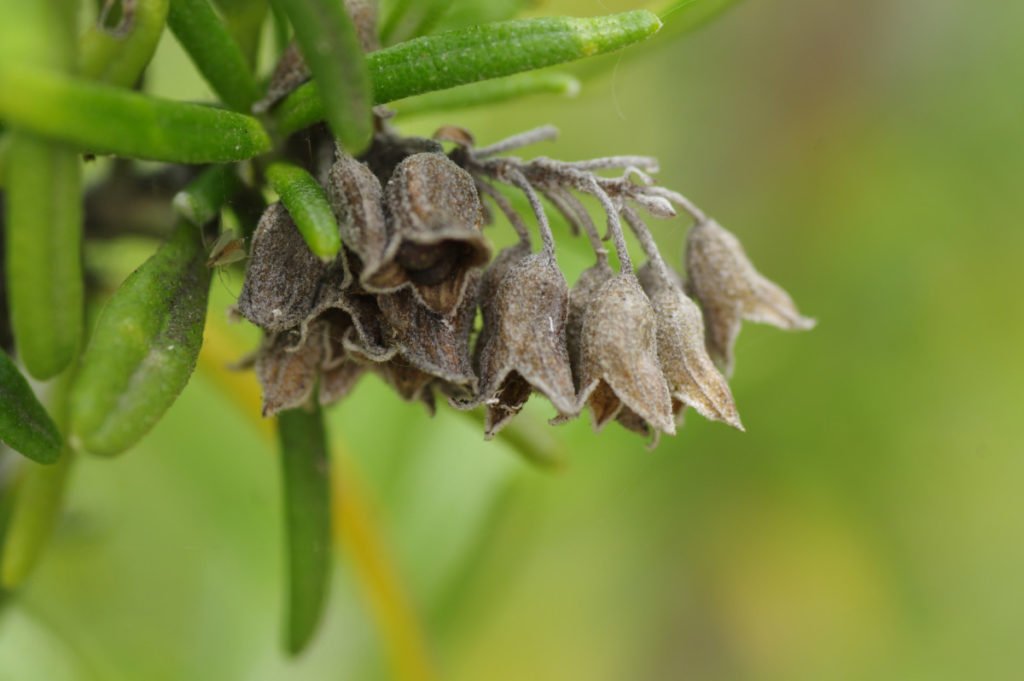
Rub the dried flowers over the bag to release seeds, then remove the chaff. Store seeds in a sealed container in a cool, dry location. For best results, use within a year.
Common Issues and How to Fix Them
Powdery Mildew
Poor airflow is the usual trigger for powdery mildew. Prevent it by spacing plants 2 to 3 feet apart and pruning regularly to keep air moving through the branches.
If mildew appears, remove affected growth with clean shears, then rinse the plant thoroughly. Powdery mildew struggles in wet conditions, so a full wash can help slow it down. Always disinfect tools afterward.
Overwintering Indoors
Indoors, rosemary often struggles because it misses intense sunlight and outdoor airflow. Give it at least 6 hours of strong light daily, keep it in a cooler room (around 60°F), and improve airflow with a small fan.
Raise humidity with a pebble tray or light misting, but avoid soaking the soil. Watch for pests like aphids, spider mites, and whiteflies, which may hitchhike indoors.
To deter soft-bodied insects, spray the plant with a simple mix of castile soap and water, coating stems and leaf undersides thoroughly for the first few weeks after bringing it inside.