
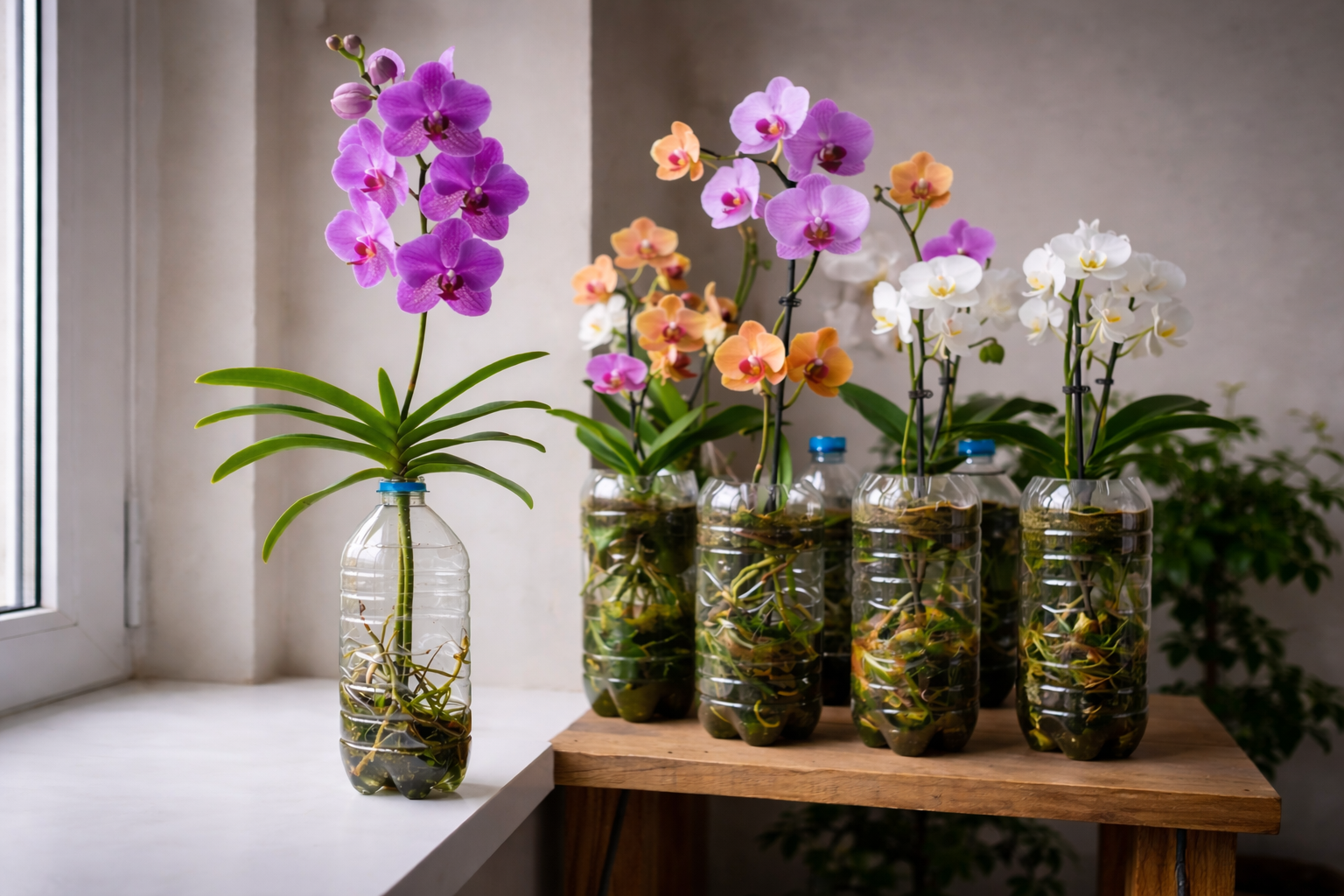
Orchids have captivated plant lovers for centuries with their exotic shapes and long-lasting blooms. While they’re often labeled as “high-maintenance,” orchids are surprisingly resilient when given the right conditions. With proper light, watering habits, and a stable environment, these elegant plants can thrive indoors for many years.
Below are five essential dos and don’ts to help your orchids grow strong, healthy, and ready to bloom.
5 Things You Should Do
1. Provide Bright, Filtered Light
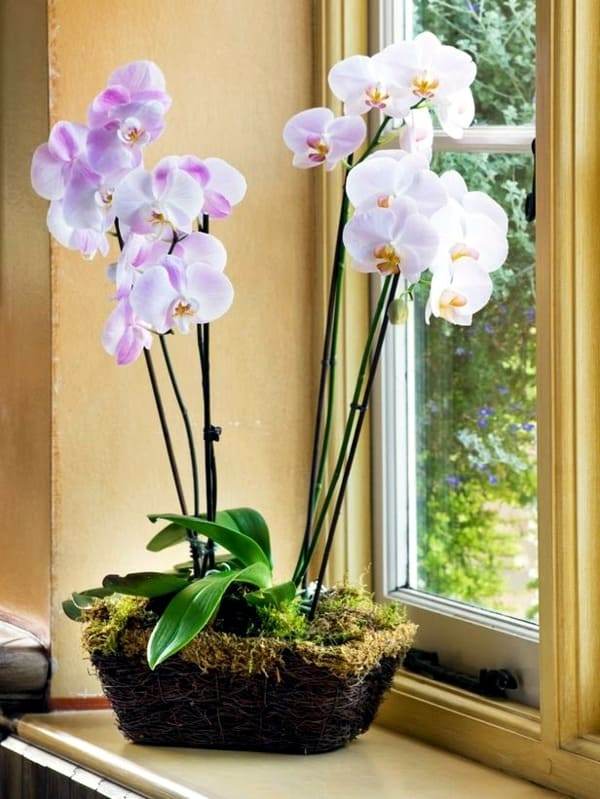
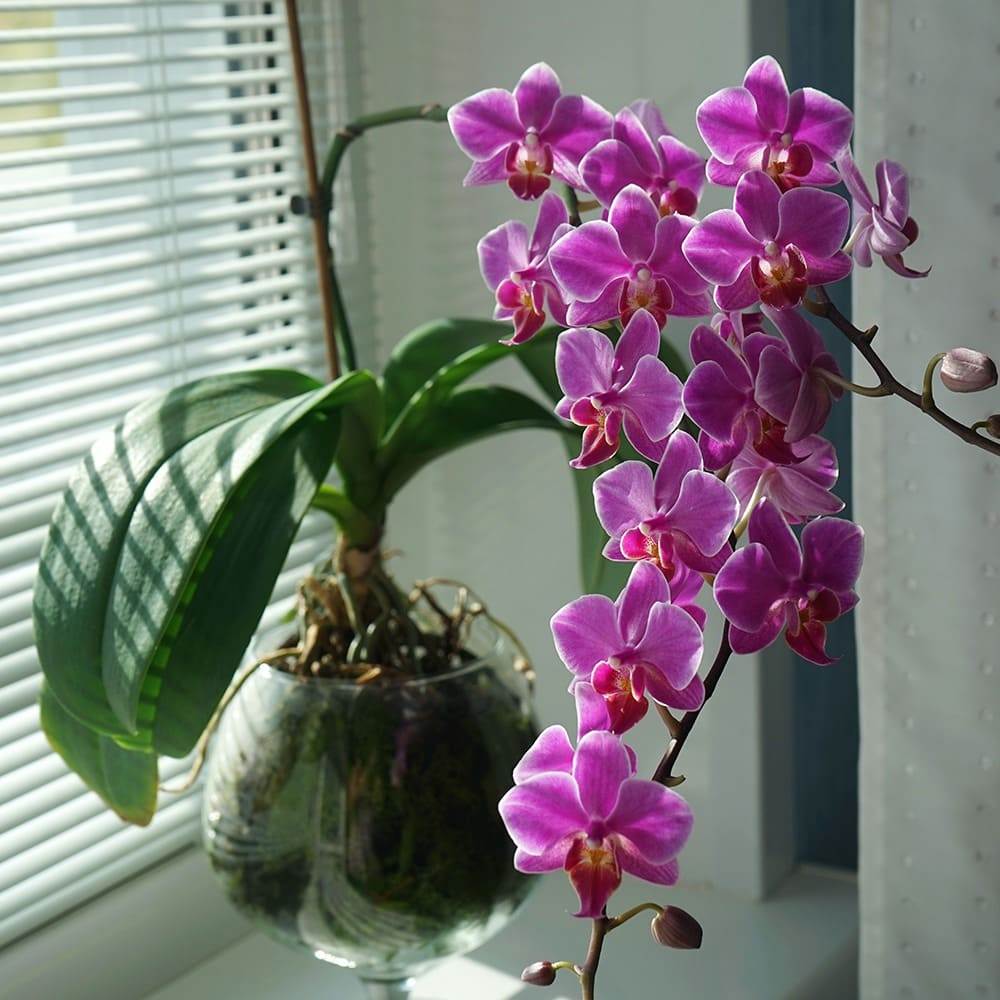
Orchids love sunlight, but not the harsh, direct kind. Place them near an east-facing window where they can enjoy gentle morning light. If positioned outdoors, make sure they receive dappled shade rather than intense midday sun. Proper lighting encourages steady growth and vibrant blooms.
2. Water Carefully and Sparingly
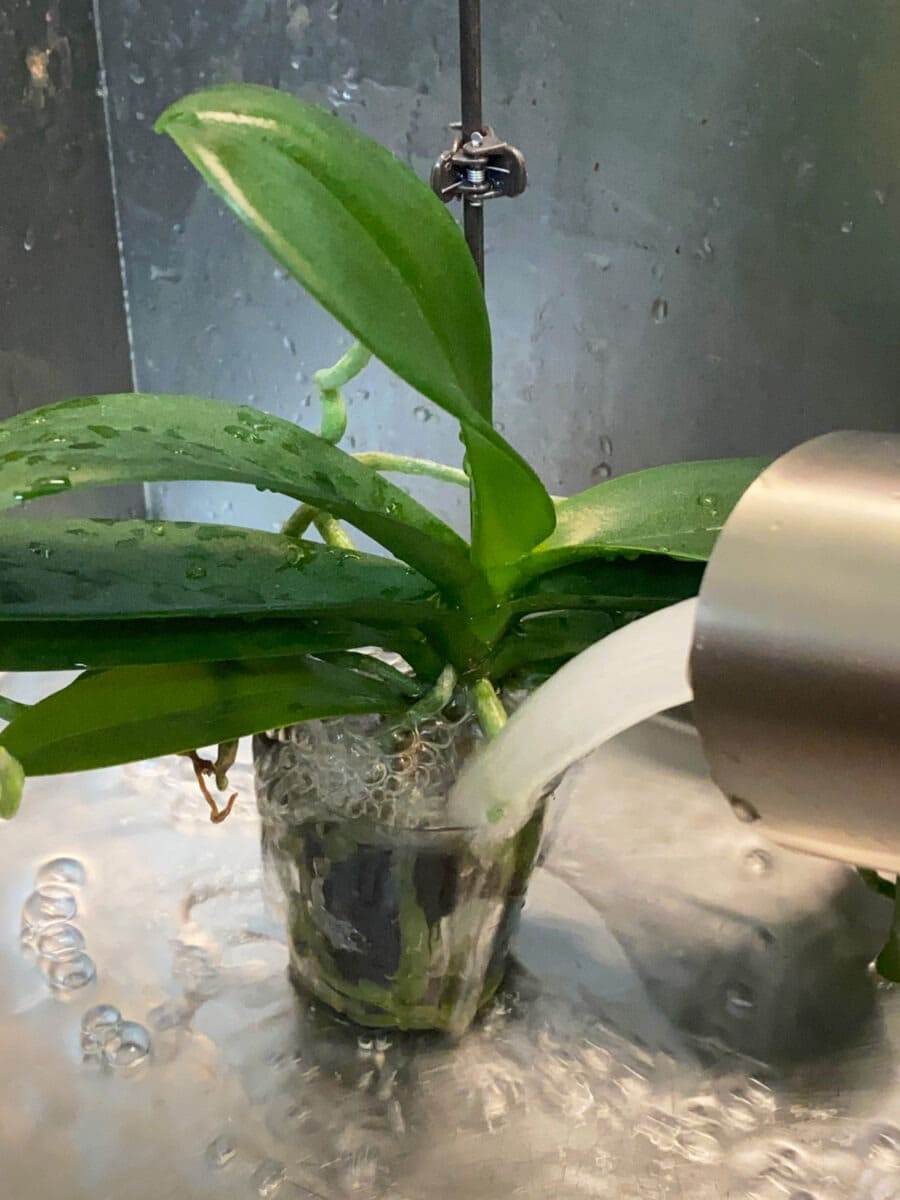
Overwatering is one of the most common mistakes beginners make. Orchids prefer a well-draining growing medium and slightly dry conditions between waterings. Allow the potting mix to nearly dry out before watering again. Use room-temperature water and maintain humidity between 50–70% for best results.

3. Maintain Ideal Temperature and Humidity
As tropical plants, orchids thrive in consistent temperatures. Aim for daytime temperatures of 65–75°F (18–24°C) and nighttime temperatures no lower than 55°F (13°C). Indoor growers should try to maintain humidity around 60%, especially during dry seasons.
4. Fertilize in Moderation
Orchids are light feeders. Use a balanced orchid fertilizer diluted to half strength during the growing season. Overfertilizing can cause salt buildup and root damage, so feed gently and consistently to support healthy foliage and flowering.
5. Repot When Necessary
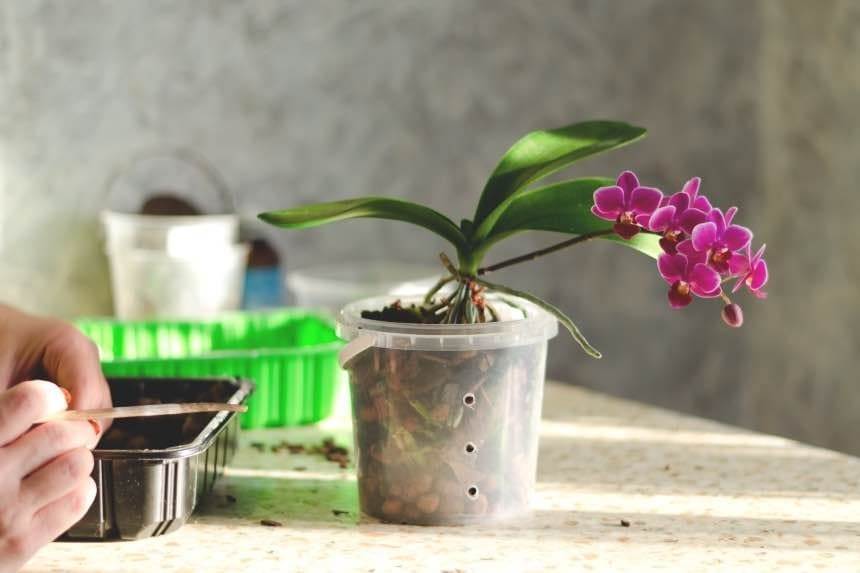
Repotting refreshes the growing medium and gives roots room to expand. Most orchids benefit from repotting every 1–2 years, especially when the bark or moss begins to break down. Always use a specialized orchid mix and trim away any dead or rotting roots with care.
5 Common Mistakes to Avoid
1. Don’t Overwater
Constantly wet roots can quickly lead to root rot. Ensure your pot has proper drainage and allow the medium to dry slightly between waterings. Healthy roots are firm and green or silvery—not mushy or brown.
2. Don’t Expose Orchids to Sudden Temperature Changes
Orchids dislike drafts and rapid temperature shifts. Keep them away from heaters, air conditioners, and drafty windows. Stable conditions encourage stronger growth and longer-lasting flowers.
3. Don’t Repot Too Frequently
Although repotting is important, doing it too often can stress the plant. Only repot when the growing medium has decomposed or when the plant has clearly outgrown its container.
4. Don’t Use Regular Potting Soil
Standard potting soil holds too much moisture and suffocates orchid roots. Always choose a chunky orchid mix made of bark, sphagnum moss, or similar materials that promote airflow and drainage.
5. Don’t Panic Over Falling Flowers
It’s completely natural for orchids to shed blooms after their flowering cycle ends. Trim the flower spike just above a healthy node to encourage future growth. With patience, your orchid may bloom again on the same spike.
Frequently Asked Questions
Why Are My Orchid Leaves Turning Yellow?
Yellow leaves are often a sign of improper watering. Check the roots to see if they are overly wet or dry, and adjust your watering schedule accordingly. Proper drainage is essential.
Should I Mist My Orchid?
Misting can help increase humidity, especially in dry indoor environments. Use room-temperature water and avoid leaving the plant wet overnight to reduce the risk of fungal problems.
Can Orchids Grow in Low Light?
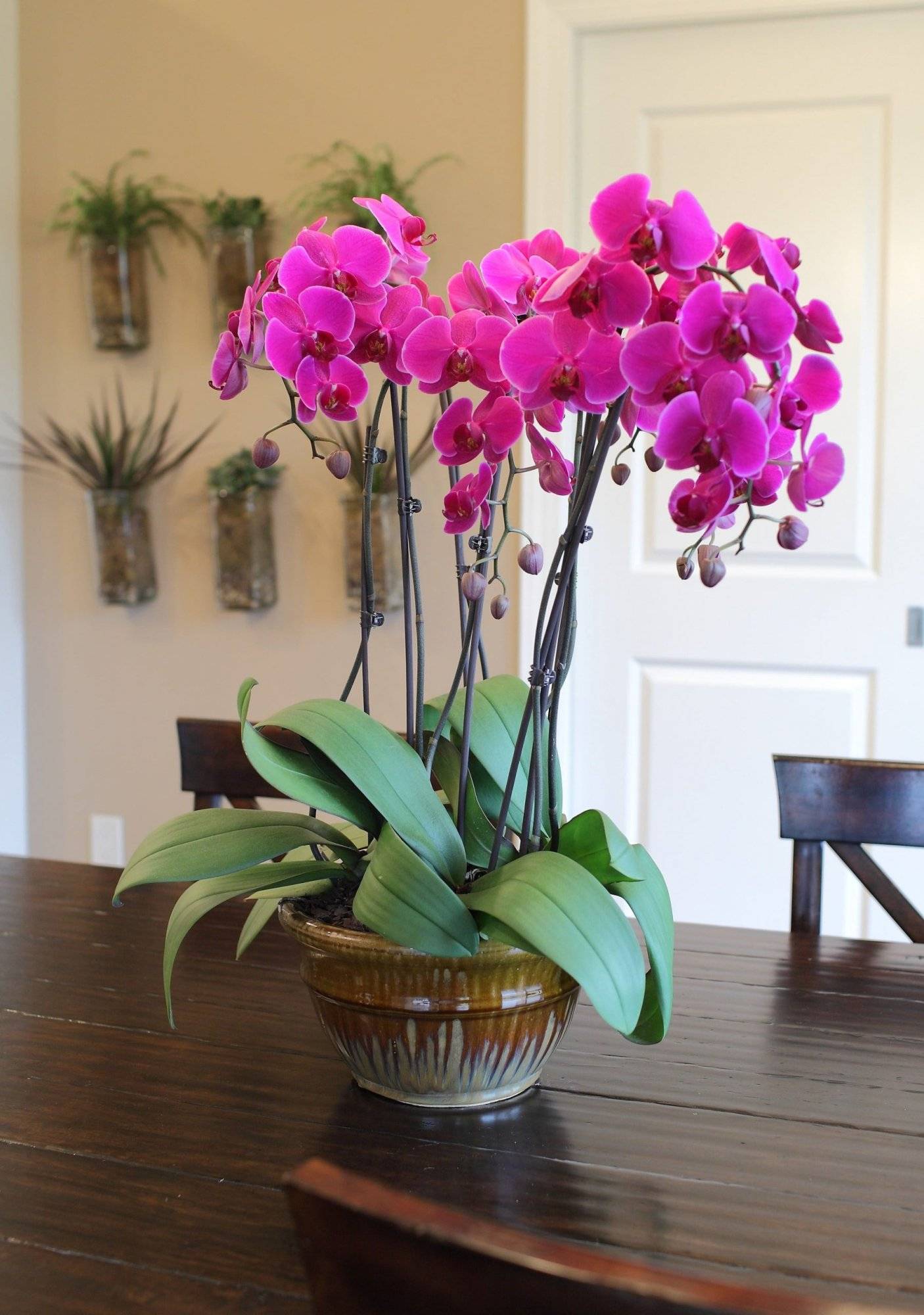
While most orchids prefer bright, indirect light, certain varieties can tolerate lower light conditions. Choose a species suited to your home’s lighting to improve your chances of success.
Why Isn’t My Orchid Blooming?
Lack of light is the most common reason orchids fail to bloom. Insufficient fertilization or the absence of a natural rest period can also be factors. Providing proper light and balanced feeding during the growing season will encourage flowering.
Final Thoughts
When you follow these simple dos and avoid common mistakes, orchids become far less intimidating to grow. With consistent care and patience, these stunning plants can live for up to 15 years—rewarding you year after year with breathtaking blooms.
