
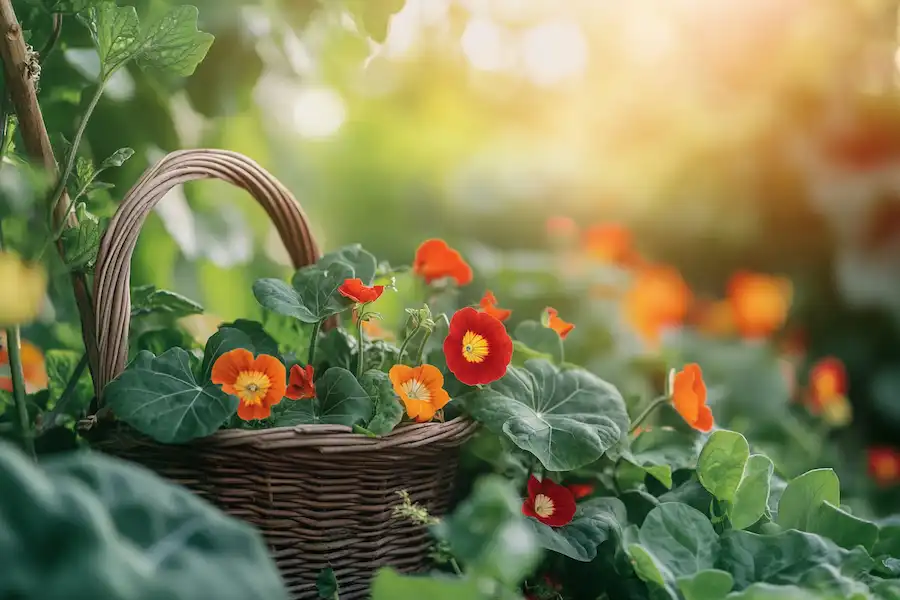
The nasturtium is a plant as vibrant as it is versatile, perfect for enhancing any backyard garden. Known for its bright flowers ranging in shades from orange to red and yellow, this plant not only adds an aesthetic touch to your outdoor space but also offers numerous practical benefits. Whether used to naturally repel pests or attract pollinators, nasturtium is an easy-to-grow edible plant that adapts to gardens of all sizes, big or small. Let’s explore together why nasturtium deserves a special place and how to make the most of all parts of this exceptional plant.
Essential Benefits of Nasturtium in Your Garden
1. An Eco-Friendly Solution to Repel Pests
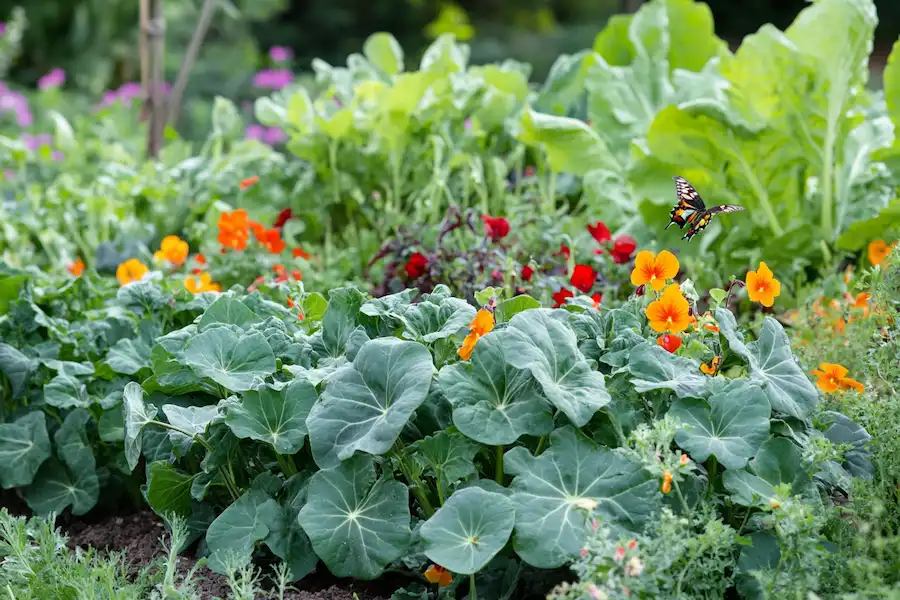
Nasturtium acts as a “trap plant”: it attracts pests such as aphids, caterpillars, and whiteflies, diverting these insects away from your more delicate plants. This trait makes it ideal to grow near vegetables like tomatoes, cucumbers, or peppers. By planting nasturtium nearby, you create a natural shield that significantly reduces the need for chemical pesticides.
2. A Natural Magnet for Pollinators
The bright flowers of nasturtium are especially favored by bees, butterflies, and other beneficial insects. These pollinators play a vital role in plant reproduction, especially for fruits and vegetables. Encouraging their presence in your garden, nasturtium boosts pollination and thereby helps increase the yields of squash, zucchini, and berries.
3. Easy to Grow, Hardy, and Undemanding
What makes nasturtium particularly strong is its ability to thrive even in poor soils where other plants struggle to grow. Perfect for gardeners seeking simplicity, it requires minimal maintenance. Drought-resistant, it grows quickly and spreads easily throughout your garden. Nasturtium only needs occasional watering and can thrive well in pots or hanging baskets.
4. An Edible Plant with Surprising Flavors
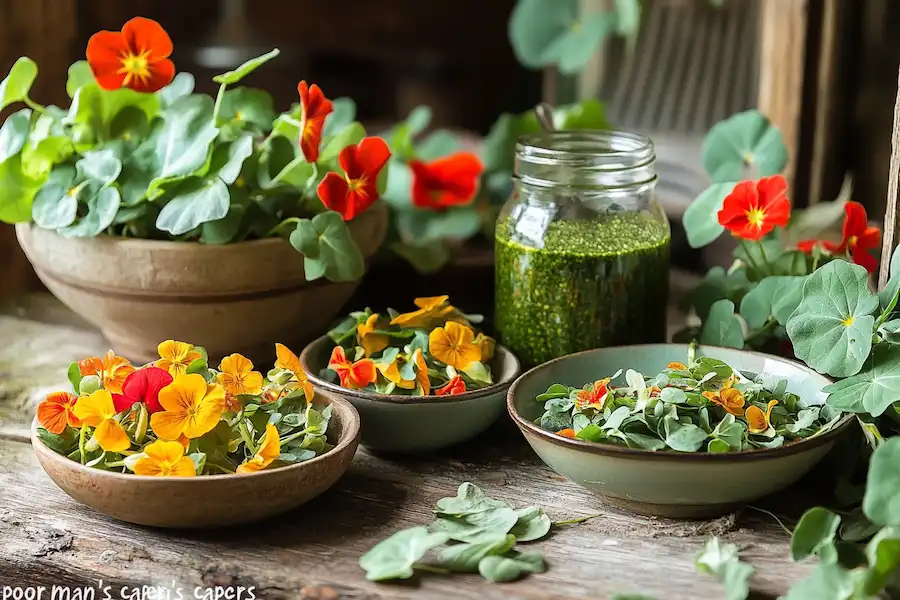
All parts of the nasturtium — flowers, leaves, and seeds — are edible and bring a unique peppery touch to your dishes. Its colorful and delicate flowers blend wonderfully into salads, while its leaves add a pleasant spicy flavor to many savory preparations. The seeds, once pickled, cleverly replace capers. Creative culinary enthusiasts will find in nasturtium an original natural ingredient.
Making the Most of Each Part of the Nasturtium in the Kitchen
Nasturtium offers different flavors depending on the part consumed. Here’s how to use its flowers, leaves, and seeds to brighten your meals.
1. The Flowers
Flavor: delicately peppery, similar to arugula, the flower adds a refreshing and spicy note.
Uses:
Sprinkle your salads with flowers to add color and a peppery kick.
Use as an elegant garnish on starters, soups, or main dishes.
Stuff them with fresh cheeses like goat cheese or ricotta for an appetizer that is as visually appealing as it is tasty.
2. The Leaves
Flavor: the leaves have a peppery and slightly spicy flavor, ideal for enhancing savory dishes.
Uses:
Incorporate them fresh into salads, sandwiches, and wraps to add zest.
Blend leaves into a pesto for a robust flavor that perfectly complements pasta and grilled vegetables.
Add leaves to omelets or frittatas for a subtly spicy herbal touch.
3. The Seeds
Flavor: the green seeds have a tangy flavor reminiscent of capers.
Uses:
Pickle the immature seeds to create true “poor man’s capers,” ideal in salads, sauces, or as a condiment.
Add them to marinades for meats or vegetables to enhance flavor.
Grind dry seeds into powder to use as a peppery spice in roasted vegetables or vinaigrettes.
How to Cultivate and Care for Nasturtium
Nasturtium is among the simplest plants to cultivate, making it an ideal choice for both novice and experienced gardeners.
Planting
When to plant: sow nasturtium seeds in spring, after the last frost. You can also start them indoors a few weeks earlier to get a head start on the season.
Soil type: they prefer poor or well-drained soil, as excess nutrients encourage leaf growth at the expense of flowers.
Exposure: while tolerating some shade, nasturtium thrives best in full sun, which is necessary for abundant flowering.
Watering
Frequency: once established, nasturtium is quite drought-resistant; therefore, water sparingly. Overwatering can cause root rot, so ensure the soil is slightly dry before watering again.
Maintenance
Pruning: prune lightly to control growth, encourage broader branching, and promote flower production. Regularly remove faded flowers to stimulate new blooms.
Pests and diseases: nasturtium resists many pests but may attract aphids. For infestations, a strong spray of water is often enough to dislodge them without resorting to chemical treatments.
Harvesting
Flowers: pick when fully open but still fresh. Ideally, consume them quickly, though they can be stored for two to three days in the refrigerator.
Leaves: harvest young leaves for a milder flavor. They can be used immediately or kept for up to a week when refrigerated.
Seeds: collect green seeds when tender, or let them mature and dry on the plant if you intend to use them as a spice.
Health Benefits of Nasturtium
Beyond its culinary virtues, nasturtium offers several health benefits:
Rich in Vitamin C: its leaves and flowers contain this vital vitamin, which strengthens the immune system and helps fight infections.
Antioxidants: nasturtium possesses antioxidant properties that protect cells from aging and contribute to overall well-being.
Antibacterial and Antifungal: this plant has natural properties traditionally used to combat various infections.
Essential Minerals: it also contains iron, calcium, and other trace elements indispensable for good health.
Beyond the Garden: Creative Ideas to Use Nasturtium
Besides its beauty and utility in the vegetable garden, nasturtium proves useful and decorative inside the home:
Natural Dyes: its flowers are used to create gentle fabric dyes, perfect for coloring clothes or household linens.
Floral Arrangements: the bright flowers of nasturtium enhance bouquets and decorations, bringing a cheerful note to your interiors.
Infusions and Vinegars: use flowers or leaves to prepare infusions, teas, or flavored vinegars with a unique taste.
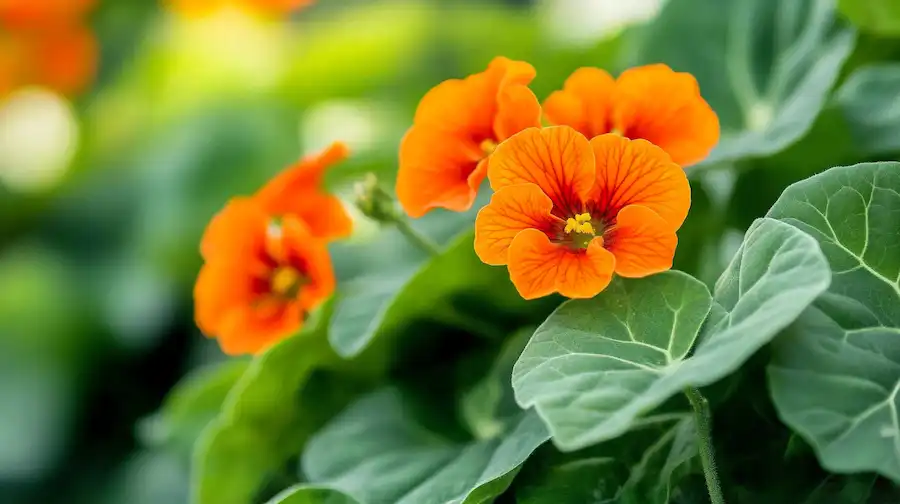
Nasturtium is a valuable addition to any backyard garden. Its ability to naturally repel pests, attract beneficial insects, and prosper in poor soils makes it an outstanding companion plant. Moreover, its edible flowers, leaves, and seeds offer unique flavors to culinary enthusiasts while providing nutritional benefits. Easy to grow and care for, nasturtium will be your ideal ally to beautify your garden, enrich your meals, and support your overall health. Embrace this botanical treasure and watch your garden and kitchen come alive like never before!
