
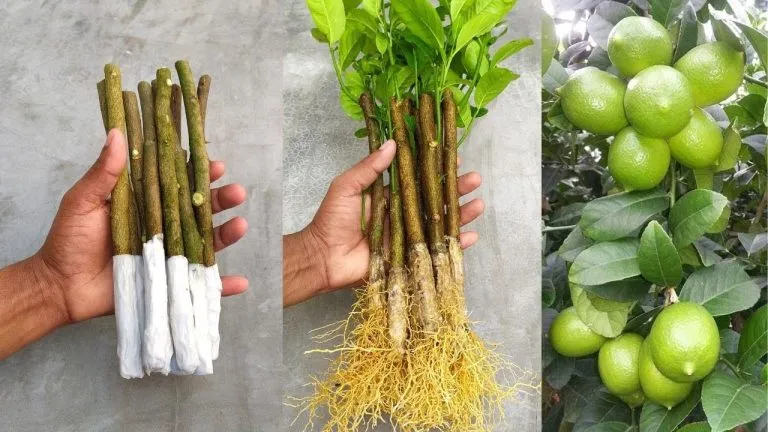
Growing lemon trees in your garden or home offers not only aesthetic appeal but also the rewarding experience of harvesting your own fresh lemons. An innovative and effective technique for propagating lemon trees is through the use of cuttings wrapped with tissue paper. This detailed guide explores this unique propagation approach, providing clear and straightforward instructions suitable for gardeners of all expertise levels.
Basics of Lemon Tree Propagation
Propagation through cuttings is a widely favored method for many plants, including lemon trees. This approach is often chosen because it produces exact replicas of the parent tree, ensuring the quality and characteristics of the fruit remain consistent. Compared to growing from seeds, which can result in unpredictable variations in traits, propagating from cuttings offers more reliable outcomes.
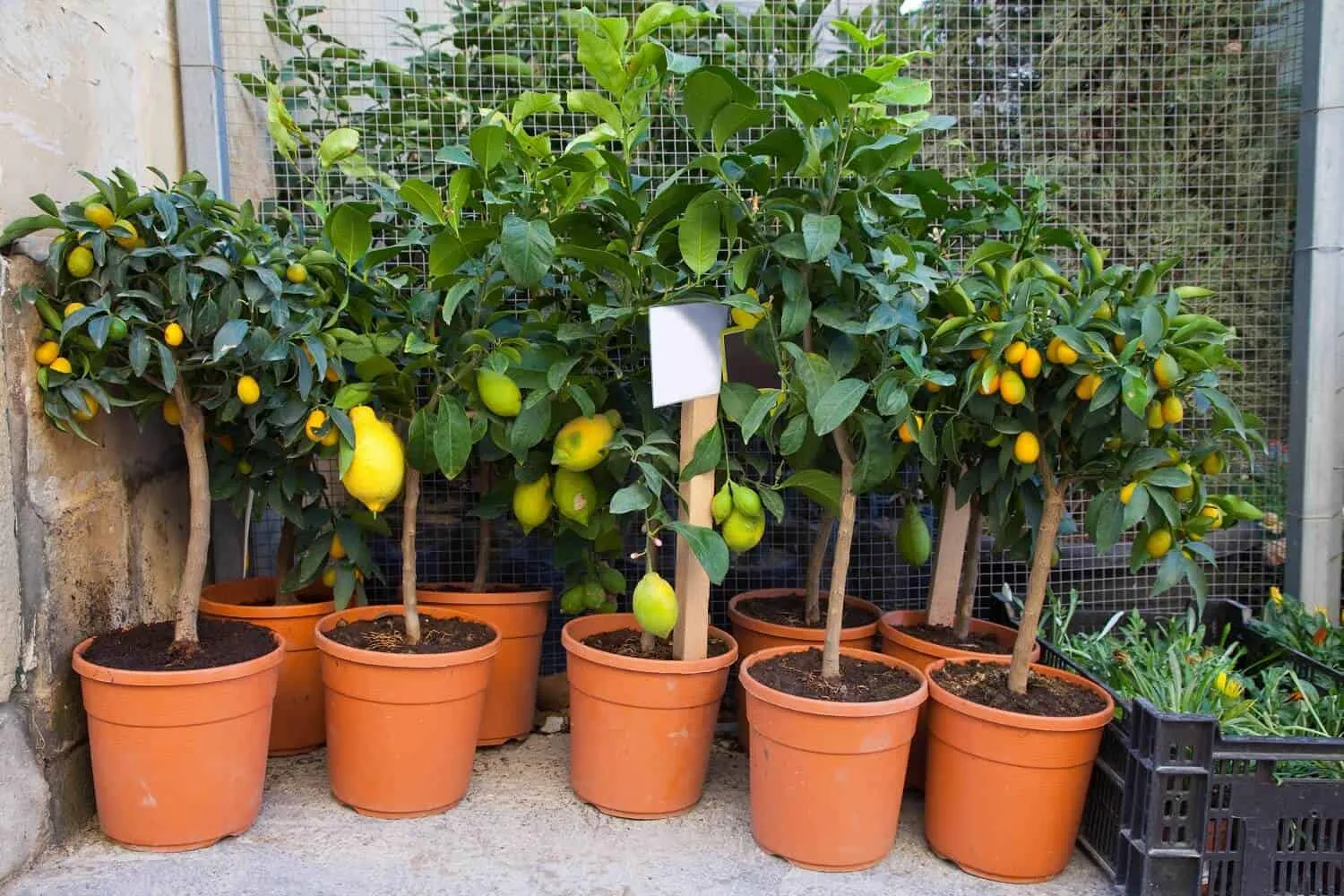
The Role of Tissue Paper in Propagation
Tissue paper plays a crucial role in this propagation method by maintaining moisture around the cutting. This moisture retention is essential to promote successful root development. The use of tissue paper provides a more controlled and stable environment for the cutting than traditional planting in soil or water, which helps to encourage healthy root growth while reducing the chance of decay or infections.
Materials Needed
To follow this method, gather the necessary materials: strong, healthy lemon tree cuttings, tissue paper, rooting hormone, an appropriate potting mix, and suitable planting pots. In addition, clean pruning shears and a small brush for applying the rooting hormone will be beneficial tools.
Choosing the Perfect Cutting
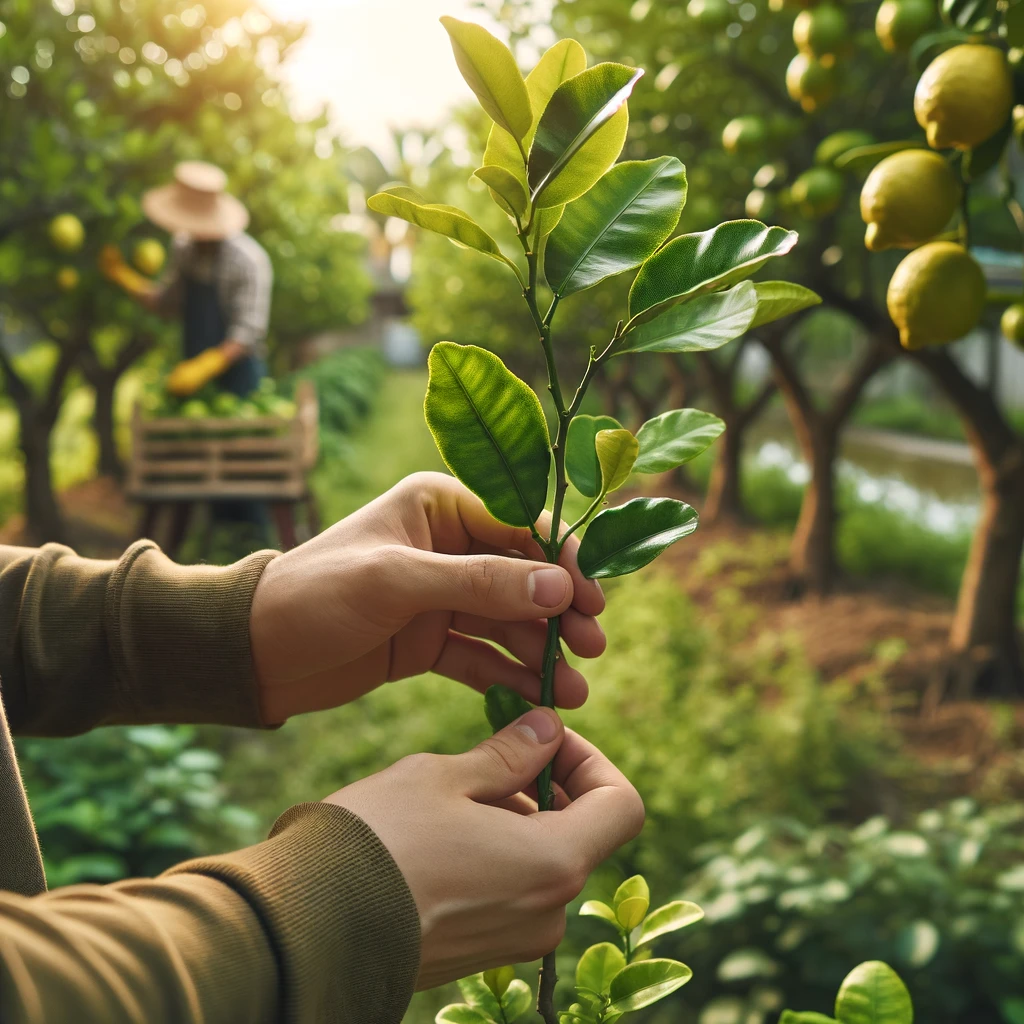
The success of propagating lemon trees begins with selecting the right cutting. Choose a healthy, vigorous branch approximately 6 to 8 inches long taken from a mature lemon tree. The best time to take cuttings is during late spring or early summer when the tree is actively growing.
Preparing the Cutting
Make the cut at a 45-degree angle for optimal rooting potential. Remove the leaves from the lower half of the cutting to expose the nodes, which encourages the cutting to direct its energy towards developing roots instead of sustaining foliage.
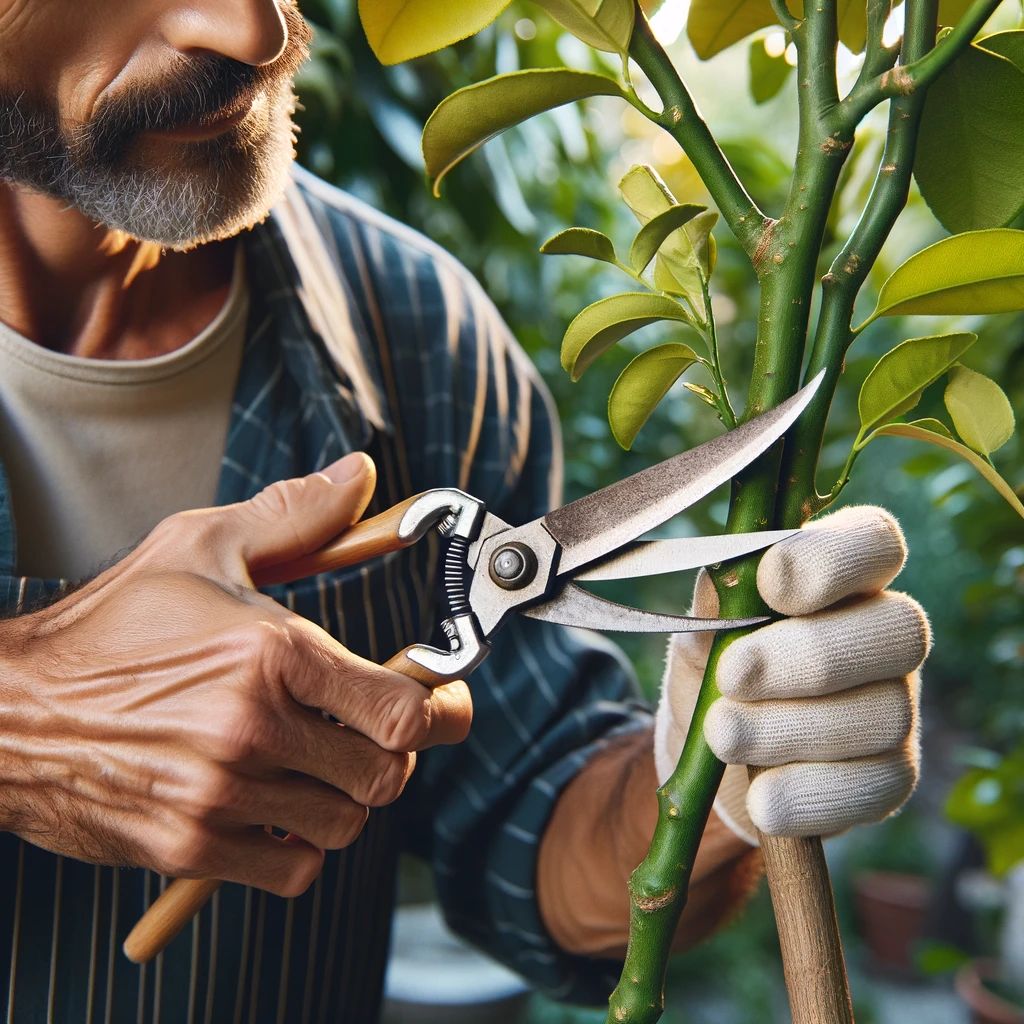
How Tissue Paper Supports Root Development
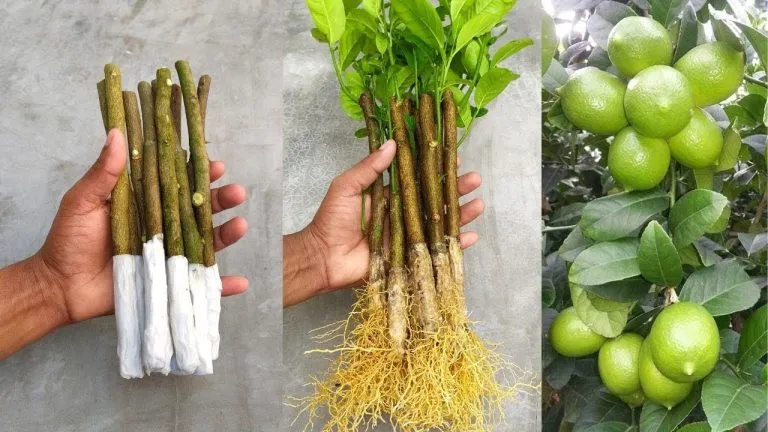
Carefully wrap the lower leafless portion of the cutting with tissue paper that is damp but not soaked. This wrapping helps create a humid microenvironment around the cutting, which is ideal for promoting root growth.
Using Rooting Hormone
Dip the base of the cutting into rooting hormone. This hormone stimulates root formation and increases the chances of successful propagation by enhancing the cutting’s ability to establish roots.
Planting the Cutting
Prepare a pot filled with well-draining soil and place the tissue-wrapped cutting into it, ensuring that the tissue paper is covered with soil. Firmly press the soil around the cutting to provide it with stability and support.
Establishing an Ideal Environment
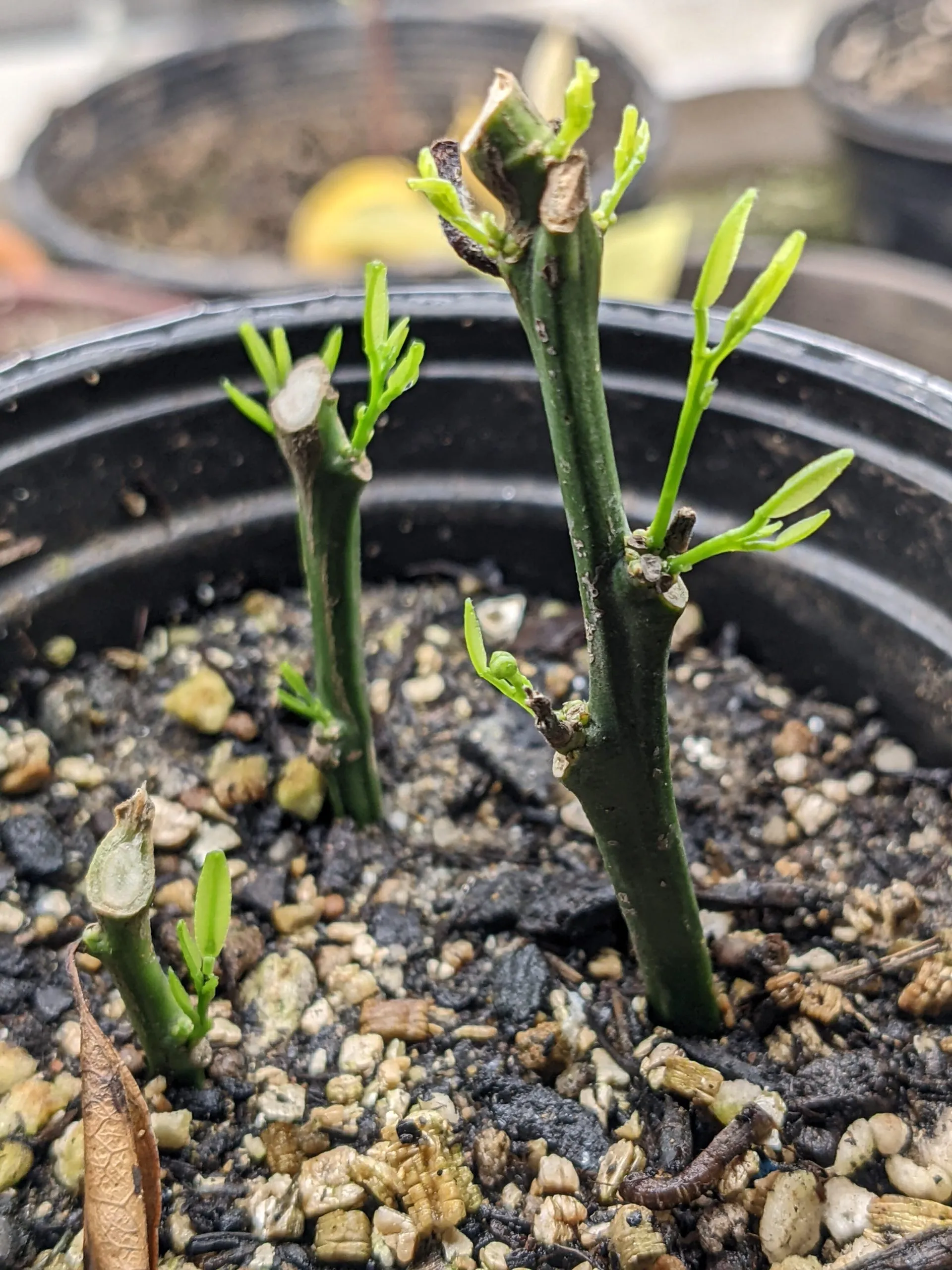
Position the pot in a warm spot where temperatures range between 70-75°F (21-24°C), ensuring it receives bright but indirect sunlight. Cover the pot with plastic wrap or a clear container to maintain high humidity levels around the cutting, which supports root development.
Continuous Care
Keep the soil consistently moist without overwatering, as soggy conditions can cause rot. Avoid applying fertilizer until a strong root system has been established. When using a humidity cover, occasionally remove it to allow fresh air circulation and prevent mold growth.
Monitoring Root Growth
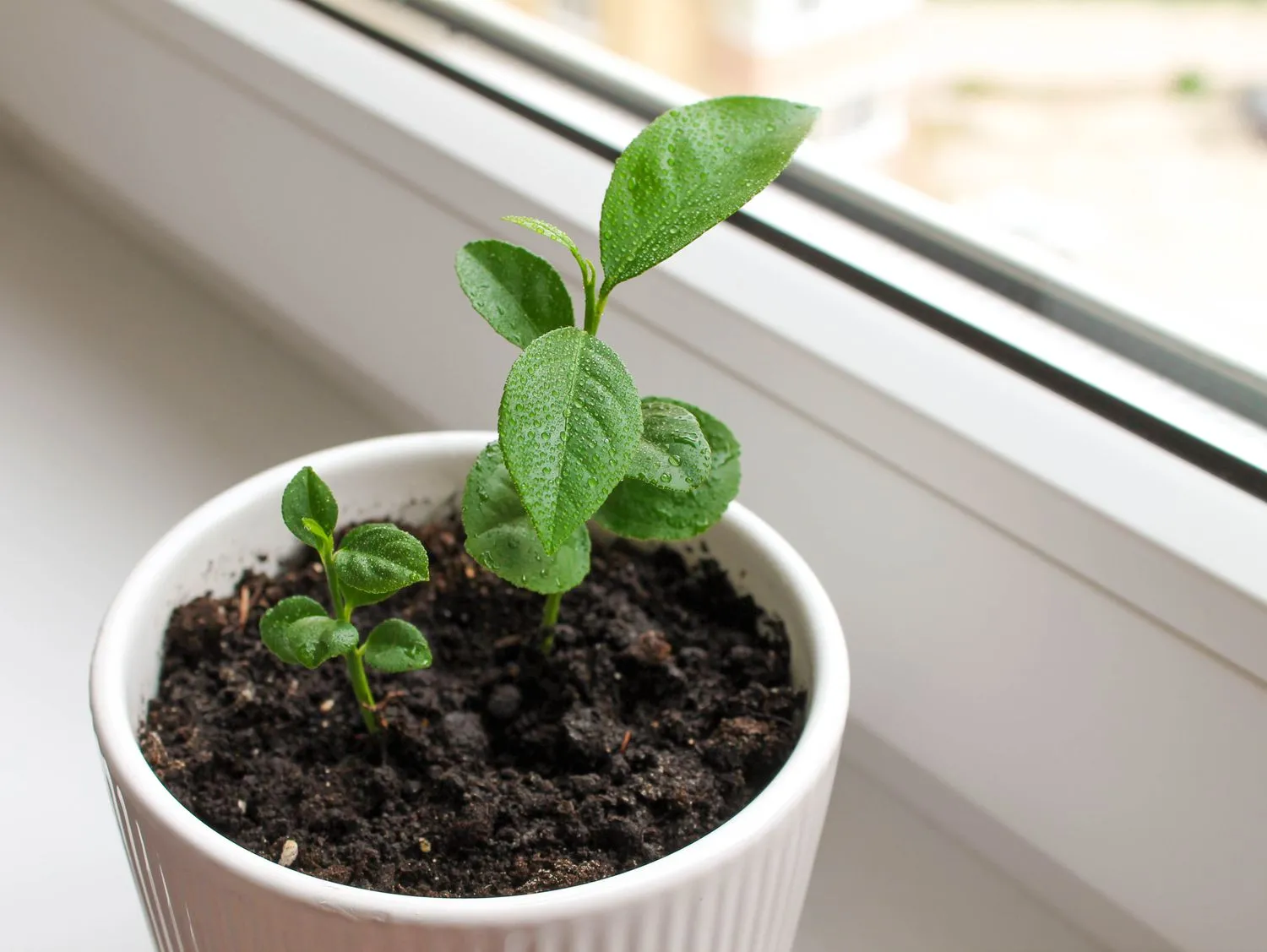
After about 4 to 6 weeks, gently test the cutting for root development by carefully pulling it. If you feel resistance, it generally means roots have formed. You may also carefully unwrap the tissue paper slightly to visually check the progress of the root system.
Transplanting Successfully Rooted Cuttings
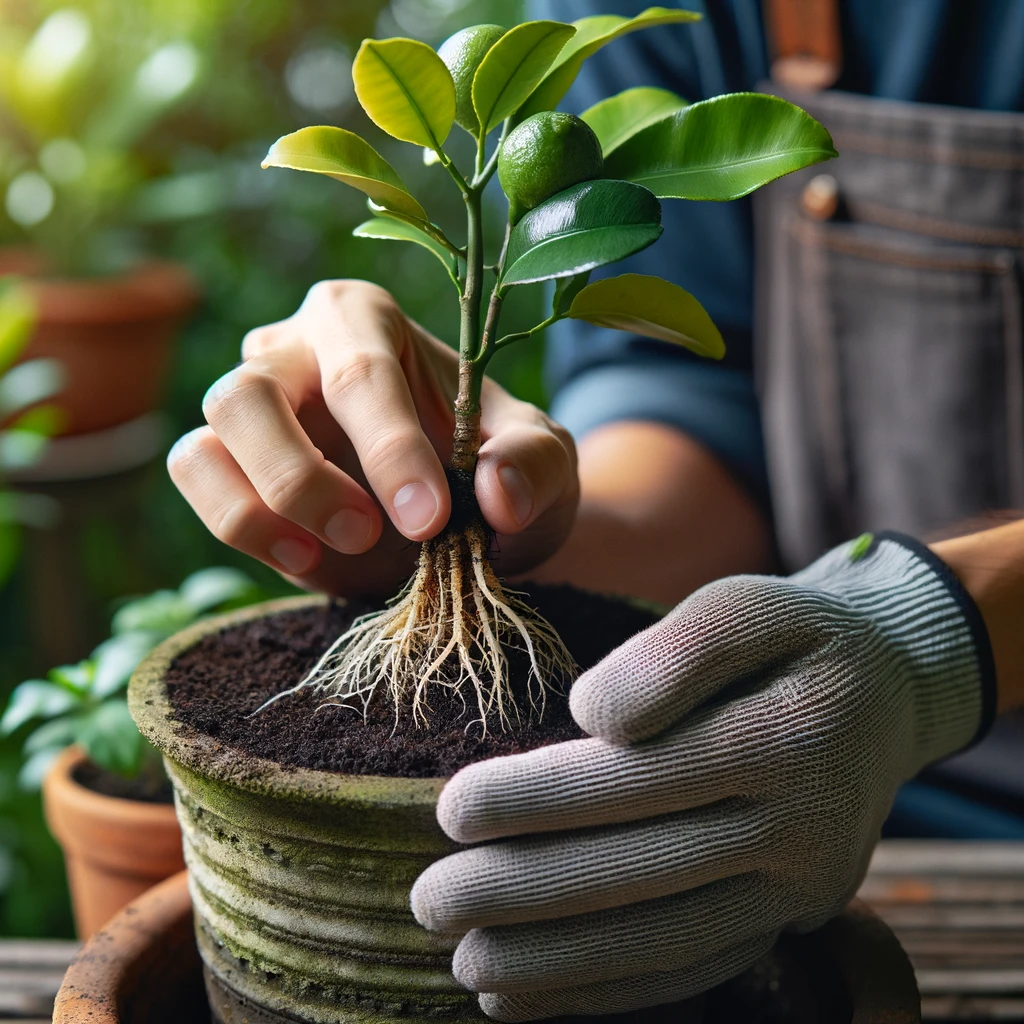
Once a strong and healthy root system is confirmed, you can transplant the cutting into a larger pot or directly into your garden. Select a location that offers well-draining soil and plenty of sunlight to support vigorous growth.
Troubleshooting Common Issues
To prevent challenges such as rot, insufficient root growth, or mold, always begin with healthy cuttings, use sterile tools to avoid contamination, and maintain ideal moisture and temperature conditions throughout the process.
Propagating lemon trees by wrapping cuttings in tissue paper is both an engaging and rewarding project. Although it requires care and patience, the reward is a lemon tree that is genetically identical to its parent. These thorough and detailed instructions ensure that even novice gardeners can successfully grow lemon trees and enjoy the satisfaction of harvesting their own fresh lemons.
