
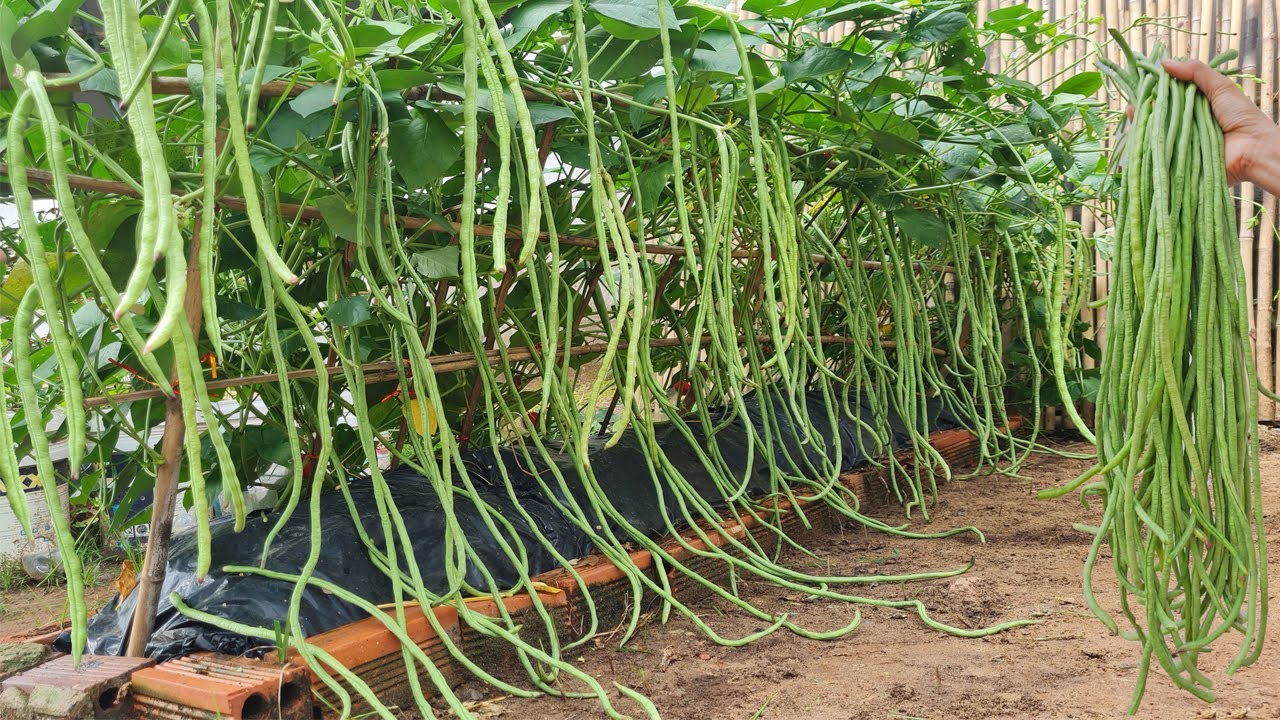
Growing Green Beans: A Versatile Addition for Gardens of All Sizes
Green beans are an essential vegetable for any garden, whether you have a spacious backyard or a compact garden plot. Renowned for their crisp and crunchy texture, green beans are delicious fresh from the vine and also serve as a wonderful ingredient in hearty stews or a refreshing side dish during warm summer meals.
Simple Cultivation Perfect for Novice Gardeners
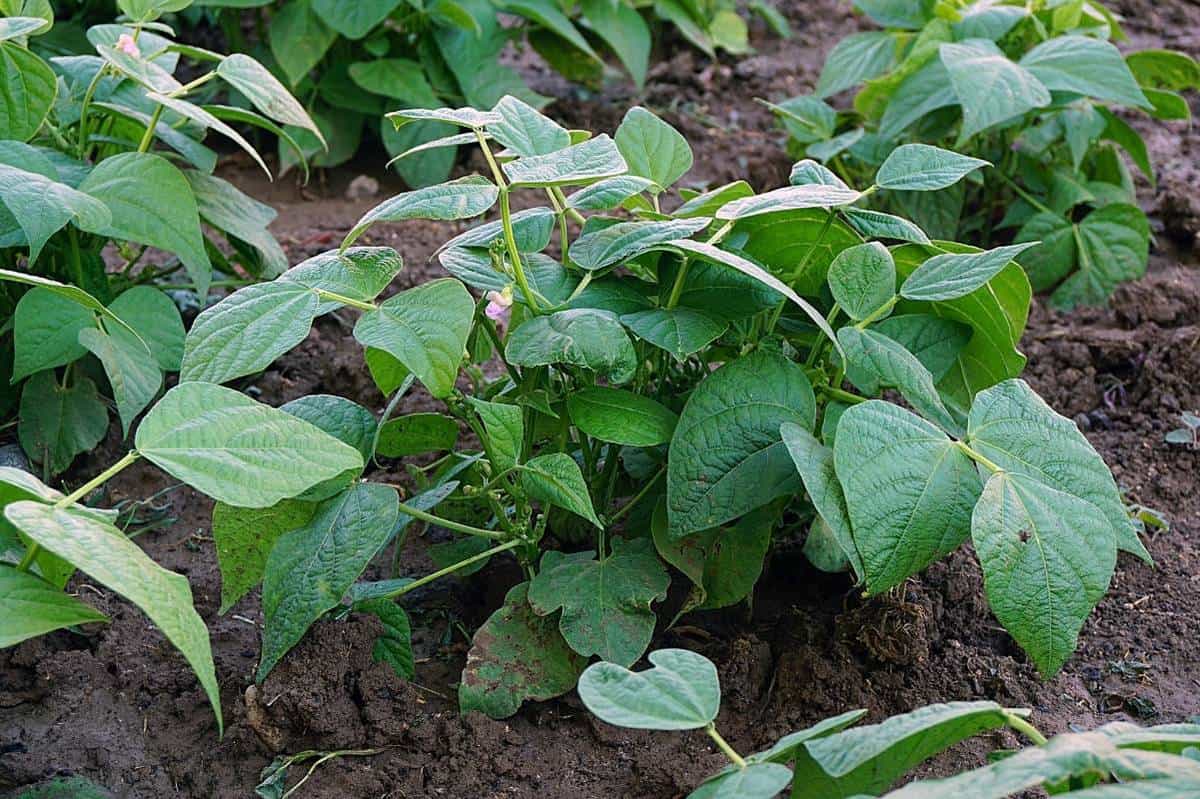
If you’re looking to add a summer vegetable to your garden, green beans are an excellent choice, especially for those just starting with gardening. They adapt well to a variety of climates and demand little maintenance to thrive, making them a quick-growing, low-effort crop.
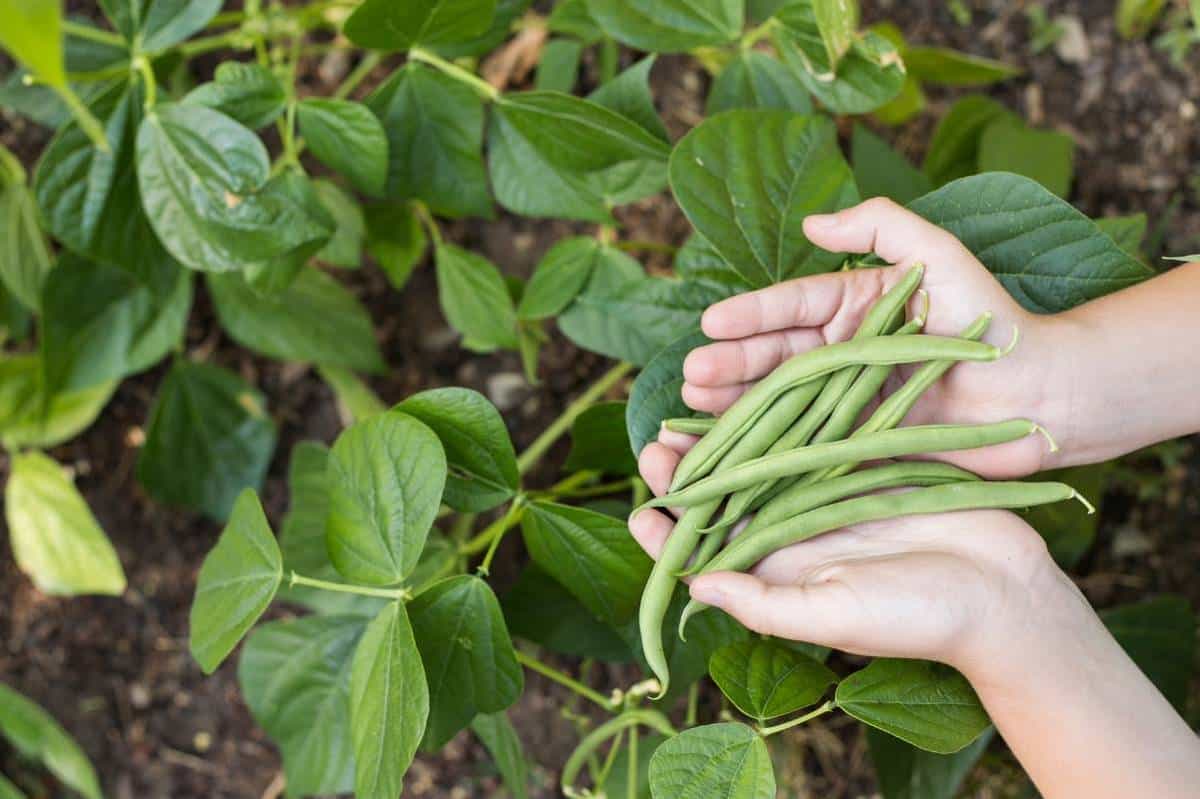
Bush Beans Versus Pole Beans: Knowing Your Bean Types
When it comes to green beans, there are two primary varieties: pole beans and bush beans. Both offer delicious flavors but differ notably in how they grow.
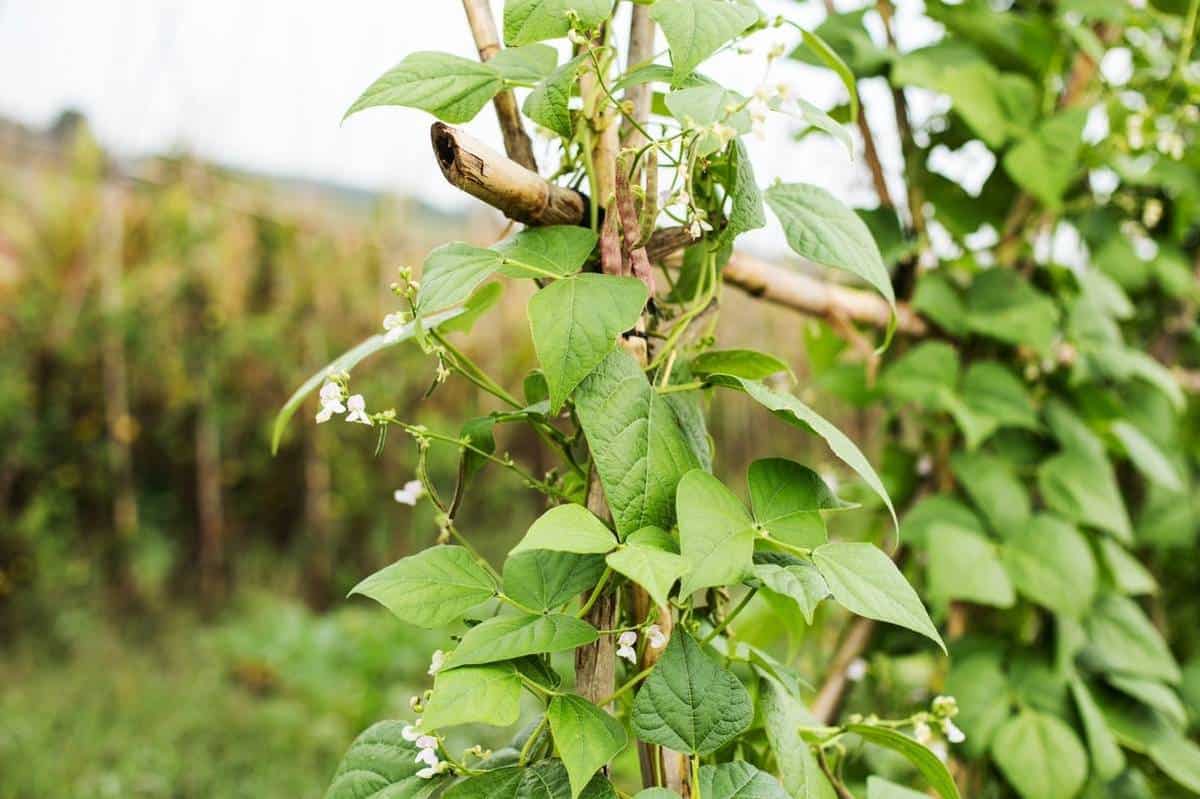
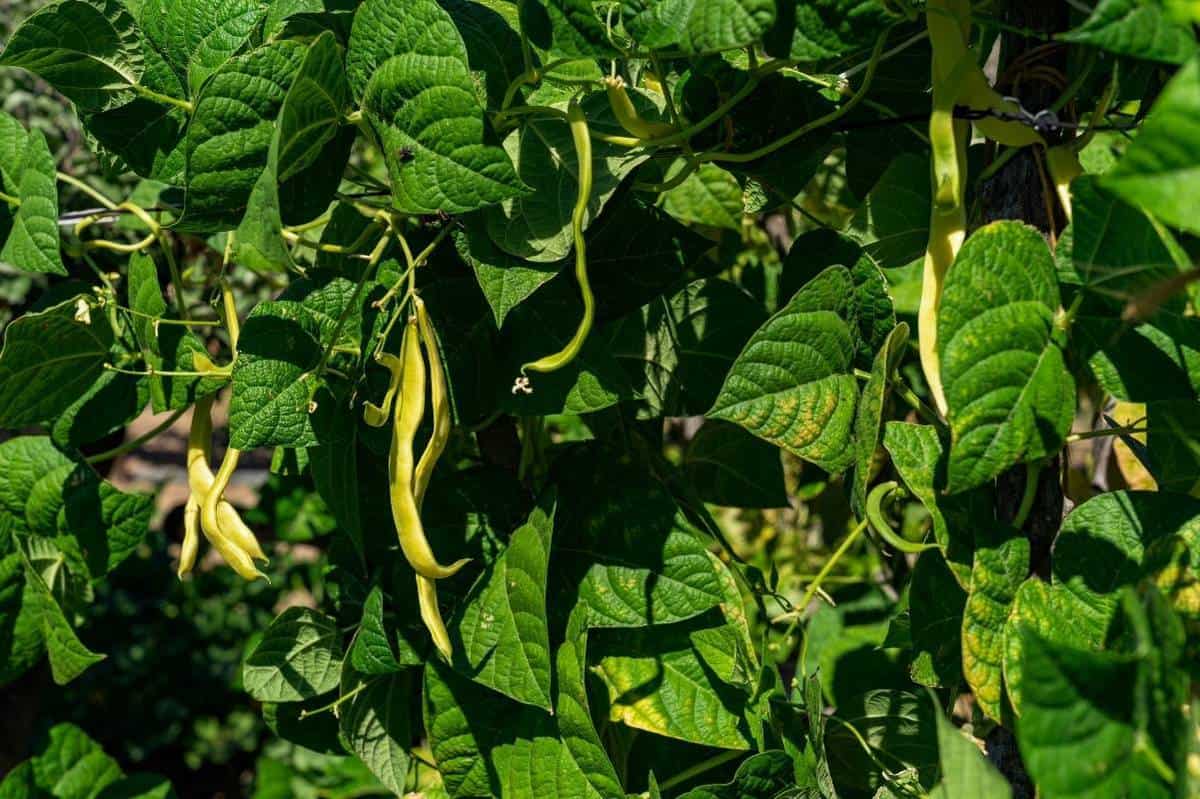
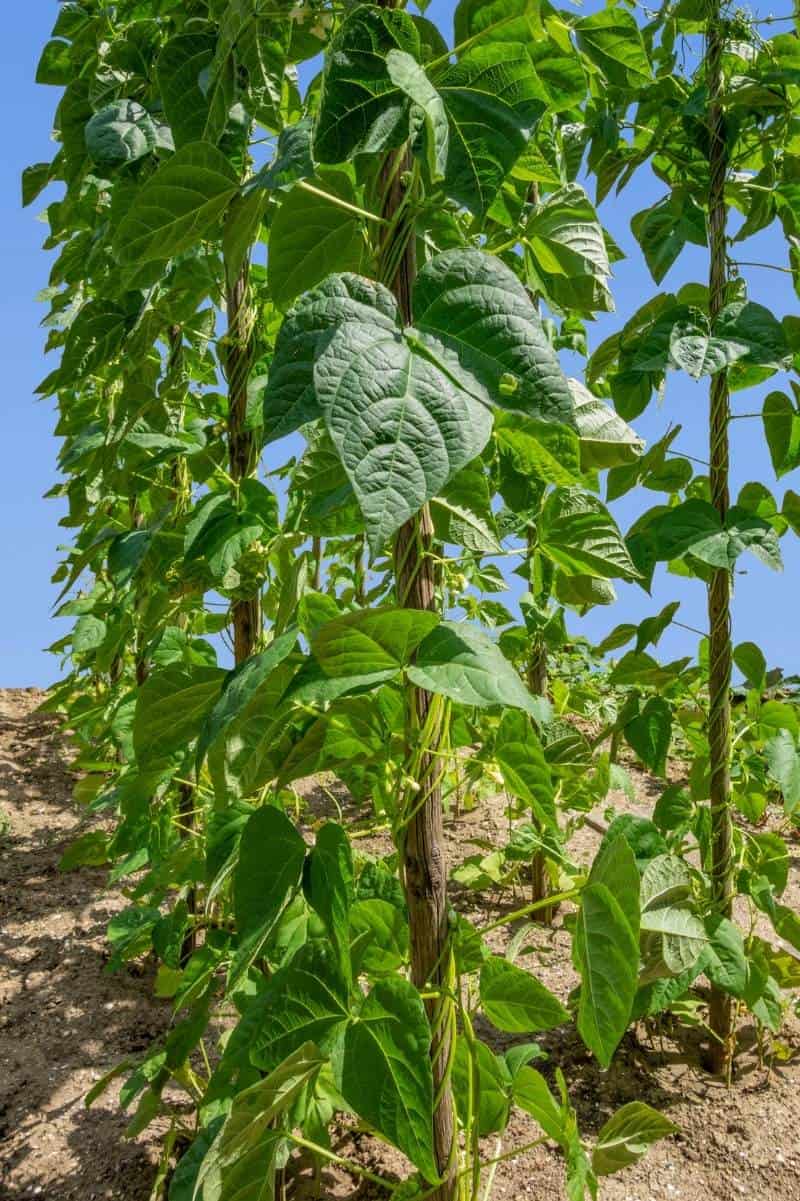
Pole beans can climb to heights of 10-15 feet, growing vertically and taking up minimal ground space. Many gardeners prefer training them on trellises or poles to efficiently use vertical space, which also makes harvesting easier.
In contrast, bush beans grow compactly to about two feet tall, forming bushy plants. They are easier to manage thanks to their sturdier structure but tend to produce all their beans at once. Pole beans, however, provide a continuing harvest as they grow, making them perfect if you desire a steady supply of fresh beans throughout the summer months.
Physical Support Needed for Green Bean Plants
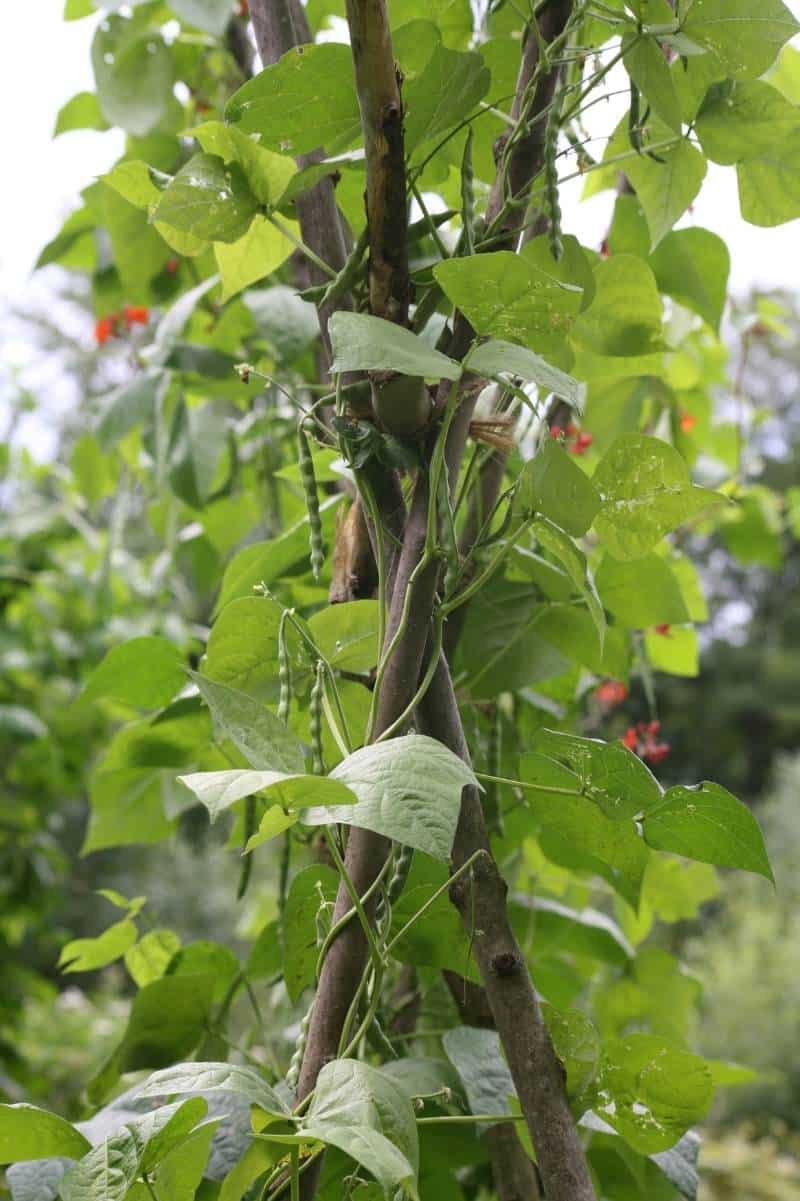
Bush beans are robust enough to grow upright without any support. On the other hand, pole beans, characterized by their slender climbing vines, require a support structure such as a trellis or stakes to climb upwards and keep producing beans efficiently.
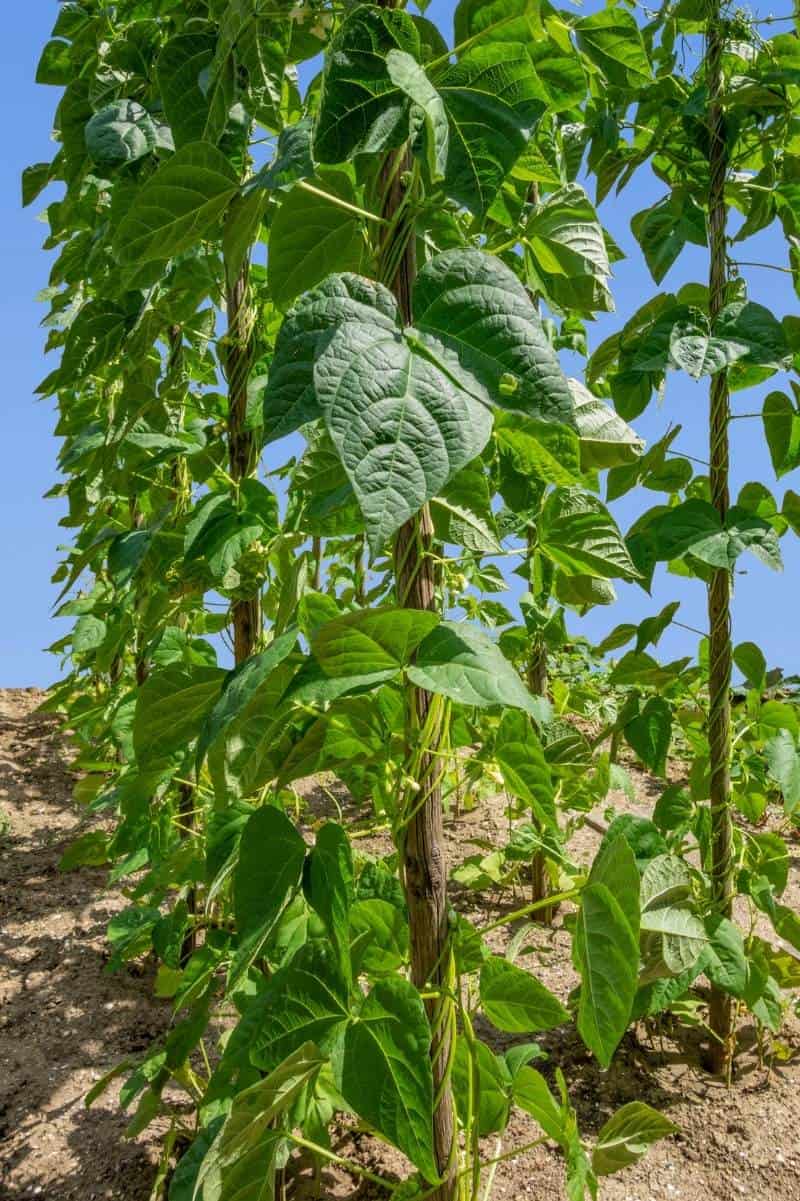
In our garden, we successfully grow pole beans along the garden fence, using it naturally as a support structure. Pole beans are flexible climbers, able to latch onto almost any vertical structure—be it an obelisk, tower, fence, or trellis.
When to Plant Green Beans for Best Results
Spring is the optimal season to plant green beans. The seeds are best sown directly into the soil, known as direct sowing. Plant the seeds after the last frost date in your area when the soil temperature has reached at least 48°F (9°C). Patience is essential—wait for the soil to be at the right temperature and conditions as indicated on your seed packet before planting.
How to Maximize Your Green Bean Harvest
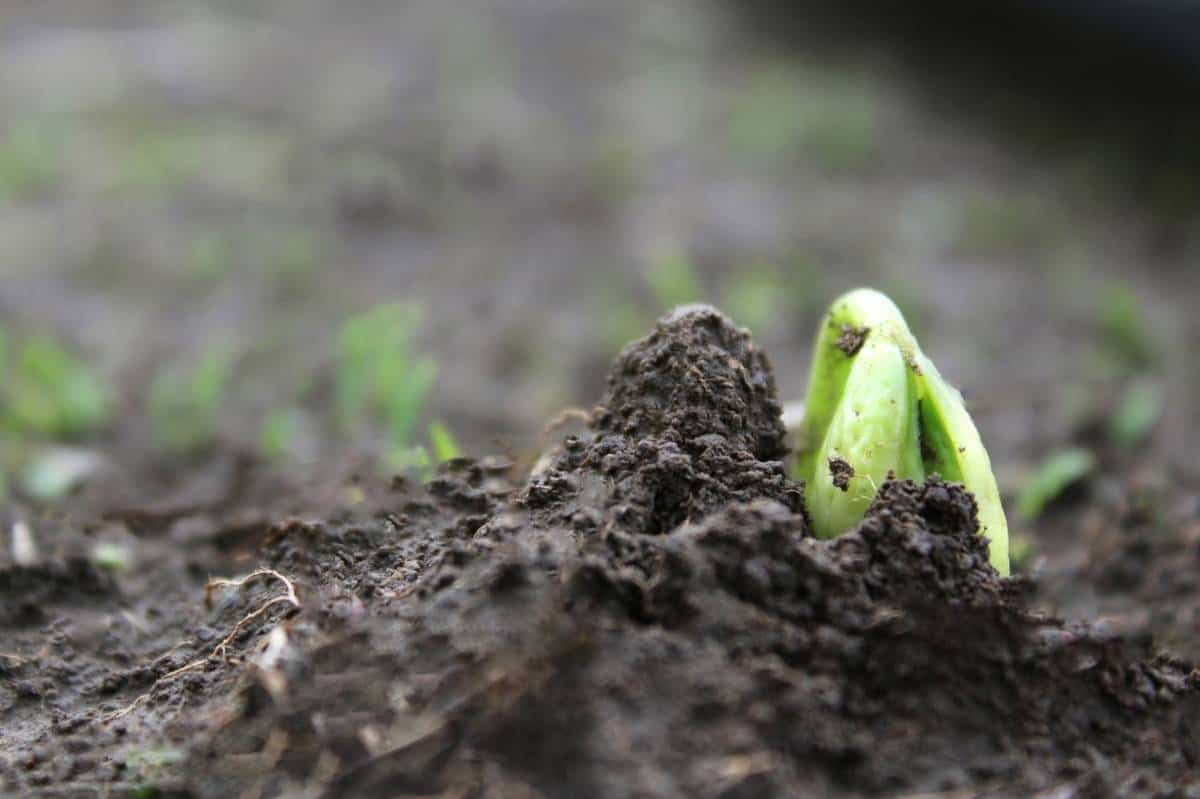
Bush beans mature quickly and produce fast. In many regions, gardeners can plant successive rounds of bush beans within a single growing season, ensuring a continuous and steady supply of fresh beans.
Choosing the Best Planting Location
Whether opting for bush or pole beans, both varieties thrive in a range of garden spaces. Bush beans are excellent for raised beds or containers, whereas pole beans, due to their height, tend to do better when planted in the ground.
Green beans prefer a sunny environment with well-drained soil and a neutral pH ranging from 6.0 to 7.0. It’s also advisable to rotate planting locations each year to reduce threats from soil-borne diseases and preserve soil health.
Preparing Soil and Effective Planting Techniques
For optimal growth, direct sow green bean seeds into well-prepared soil enriched with compost to enhance drainage and nutrient content. If planting pole beans, make sure to set up your trellis or support frame before sowing the seeds to provide immediate climbing structures as the plants grow.
Recommended Varieties of Green Beans
Seek advice from local gardening centers or experts to select varieties well-suited for your climate and soil. Our personal favorites include Kentucky Wonder (a pole variety) known for its tender, stringless pods; Blue Lake (pole) renowned for its heavy yield; Provider (bush) which offers crisp, vibrant green beans; Dragon’s Tongue (bush) admired for its striking coloration; and Cherokee Wax (bush) prized for its easy-to-harvest yellow pods.
By following these guidelines, you’ll enjoy the delightful flavor of homegrown green beans whether you are an experienced gardener or just taking your first steps in vegetable cultivation. Green beans are a flexible and rewarding crop for gardens large and small.
Planting and Caring for Green Beans: A Detailed Step-by-Step Guide
Green beans are easy to grow and fit perfectly into both large garden spaces and smaller container setups. Below is a thorough guide on how to plant and nurture these rewarding vegetables.
Getting Started with Green Beans
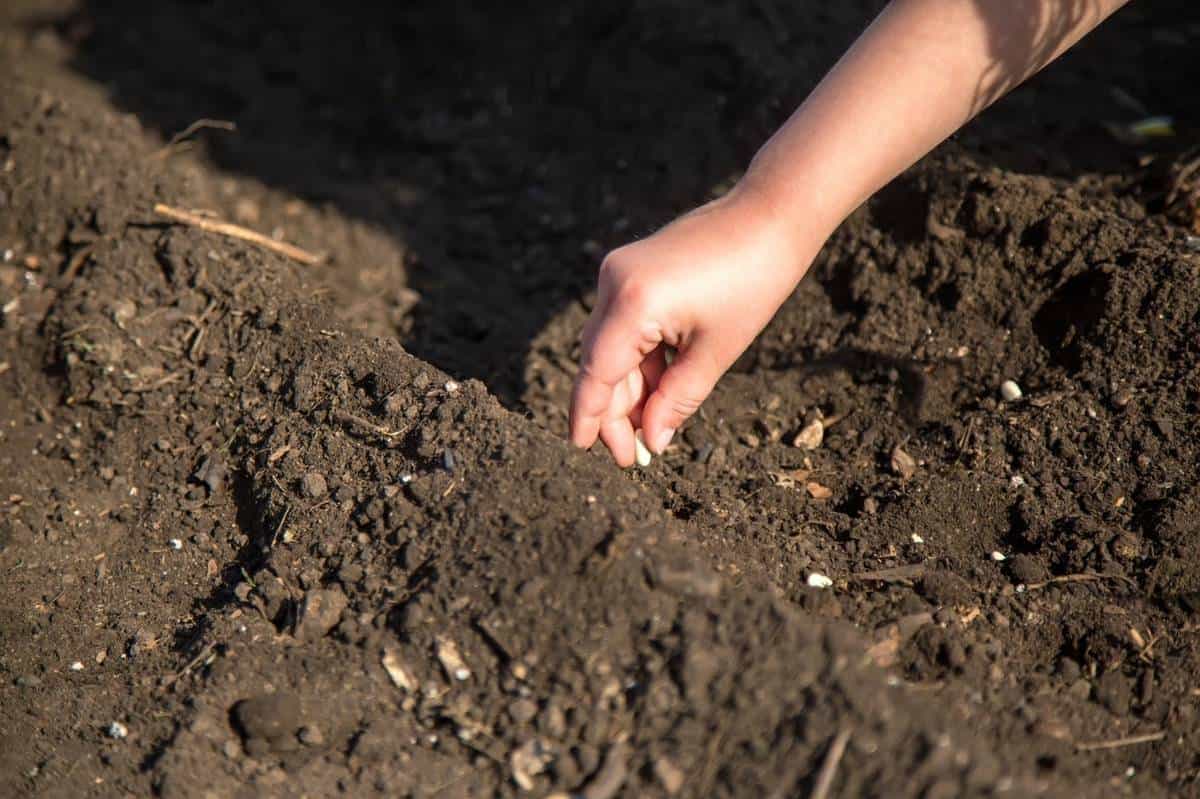
The most effective way to start green beans is by direct sowing the seeds into the soil. Their relatively large seeds make them quite easy to handle and plant securely.
1. Soil Preparation
Improve the soil by mixing in well-composted organic matter, ideally done in the fall or just prior to planting.
Remove any weeds from the area and loosen the soil using a garden fork or hand rake to ensure good aeration and drainage.
2. Installing Support Structures
For pole beans, it is important to install trellises or climbing supports before planting the seeds. Existing garden or wire fences, as well as cattle panels, can serve as effective climbing aids.
Alternatively, build a teepee-style trellis using sticks tied at the top, placing bean seeds at each leg’s base to give the vines ample climbing space as they grow upward.
3. Planting Seeds
Plant bush bean seeds approximately one inch deep and space them two inches apart, with 6-8 inches between plants to allow room for growth.
For pole beans, sow seeds one inch deep and space them about three inches apart.
Helpful Tip: Plant 2 to 3 seeds per spot to account for any seeds that may fail to germinate, then thin out the weaker seedlings once they sprout, leaving the healthiest to grow.
4. Thinning Seedlings for Optimal Growth
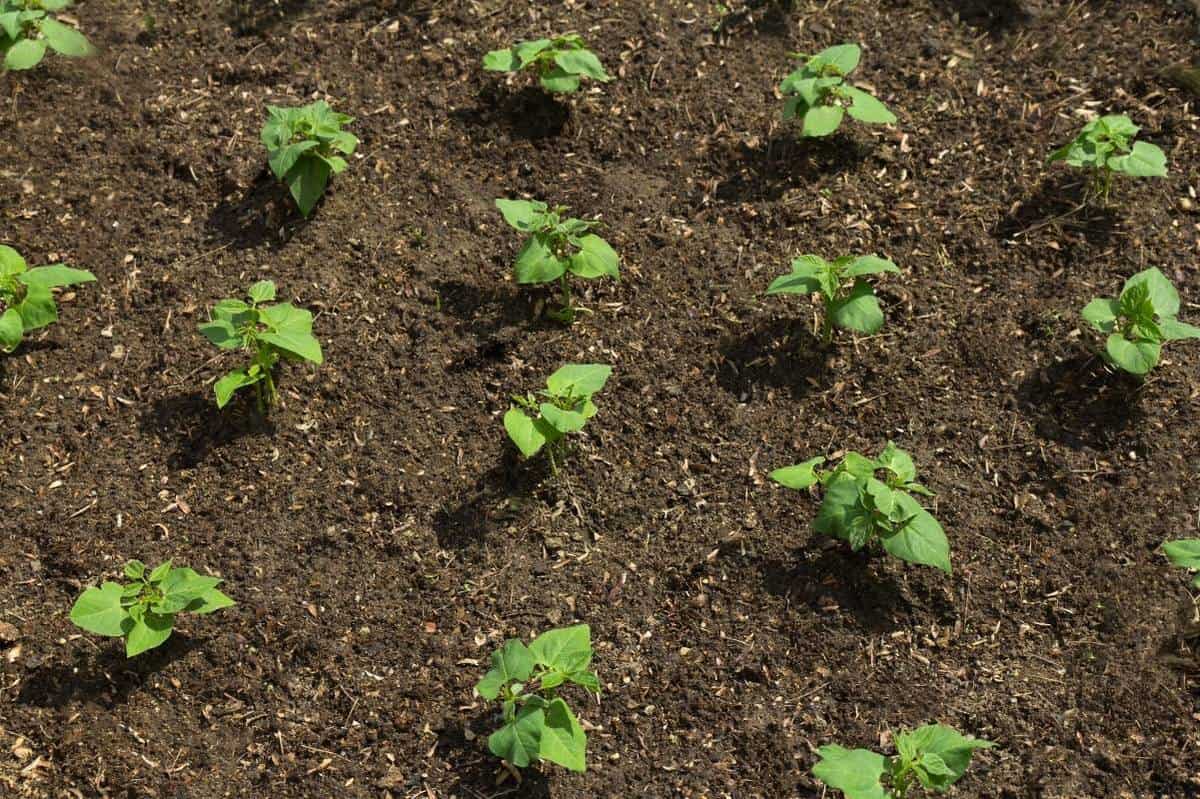
Once seedlings have emerged, thin them by snipping off the extra plants to ensure strong, healthy growth. Leave 3-4 inches between pole bean plants and 6-8 inches for bush beans.
Sunlight Requirements for Optimal Growth
Green beans flourish best in locations that receive abundant sunlight. Aim for six to eight hours of direct sun each day to ensure vigorous growth and abundant production.
Growing Green Beans in Containers
Both bush and pole beans adapt well to container gardening.
- For pole beans, select containers at least 18 inches in diameter and provide a sturdy trellis or vertical support for climbing.
- Bush beans do well in pots about 15 inches across.
- Ensure containers have sufficient drainage holes to prevent waterlogging and root rot. Depths of 6-7 inches for bush beans and 8-9 inches for pole beans work well.
Using Square Foot Gardening with Green Beans
The square foot gardening method is an efficient way to maximize space.
- Plant 1 to 4 bush bean seeds per square foot, ensuring approximately 6 inches of spacing between plants.
- For pole beans, use one trellis per square foot and plant 1 to 4 seeds around the base.
Maintenance Guidelines to Keep Green Beans Healthy
- Topping Pole Beans: Pinch off the growing tips of pole beans once they reach the top of their trellis to encourage increased pod production.
- Fertilization: Green beans generally require minimal fertilizer input. Avoid high-nitrogen fertilizers which promote leaf growth at the expense of bean production.
- Watering: Provide about an inch of water per week, preferably in the morning on sunny days. Water the soil directly at the base to keep foliage dry and reduce disease risk.
- Mulching: Apply a layer of mulch such as pine shavings or leaf litter around the plants to help retain moisture and protect roots.
- Weeding: Carefully weed around the plants to prevent disturbing their shallow roots; use a surface hoe or scissors to minimize damage.
Additional Helpful Tips
- Bush beans mature quickly, allowing multiple successive plantings during a growing season for continuous harvests.
- Plant pole beans in spots where their tall vines won’t cast shade on neighboring plants.
- Rotate green bean planting areas every few years to reduce disease and pest build-up in the soil.
By following these detailed steps, gardeners of any experience level can enjoy robust green bean plants. Whether you’re just starting or a seasoned expert, green beans provide a gratifying and flavorful addition to your garden.
Green Bean Growing from Seed to Successful Harvest
Green beans are prized for their rapid growth and make an excellent choice for every gardener. This guide leads you through planting to harvesting, securing a fruitful crop of these delightful vegetables.
When to Harvest Your Green Beans
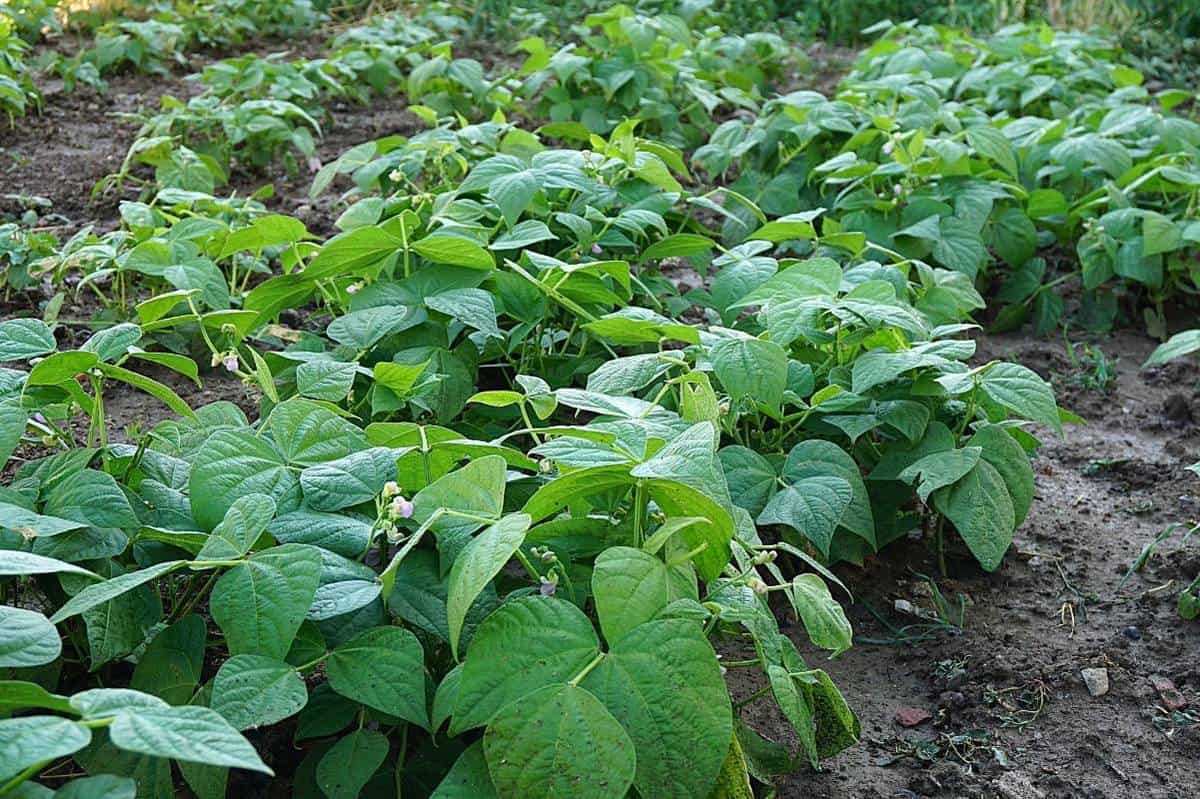
Bush beans tend to mature relatively quickly and are typically ready to harvest 50-55 days after planting. Pole beans generally take a little longer, with harvests beginning around 55-60 days post-planting.
Extending Your Harvest with Staggered Planting
For a continuous fresh supply throughout the summer, plant new bush bean seeds every two weeks. This staggered planting extends your harvest window while managing production volume effectively.
What Yield to Expect
Yield varies depending on bean type and growing conditions. Typically, bush beans produce about half a pound per plant, while pole beans are more prolific, yielding up to two pounds per plant under optimal conditions.
How to Determine When Green Beans Are Ready to Pick
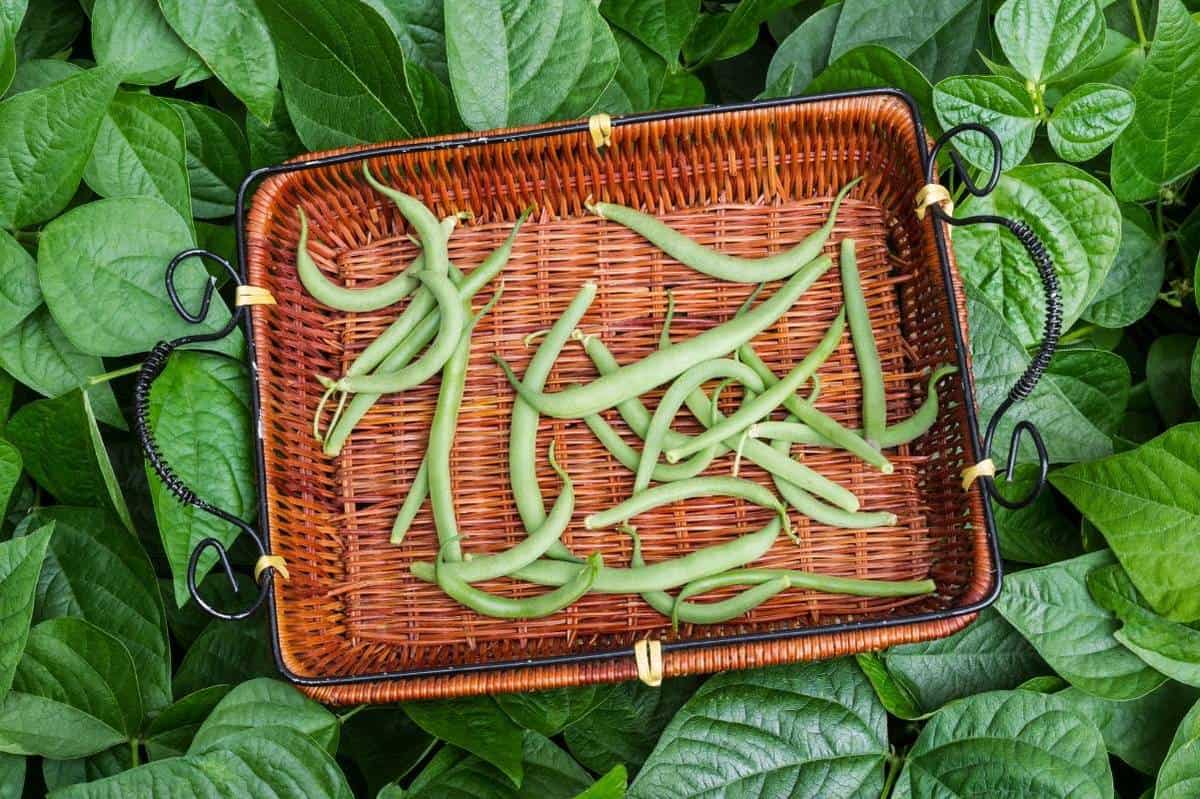
Green beans are at their best when about the thickness of a pencil. They should snap crisply when bent. Avoid over-maturing pods on the vine as they become tough and lose their sweet flavor. Beans inside the pod should be fully formed but not visible from the outside.
Harvesting and Proper Storage of Green Beans
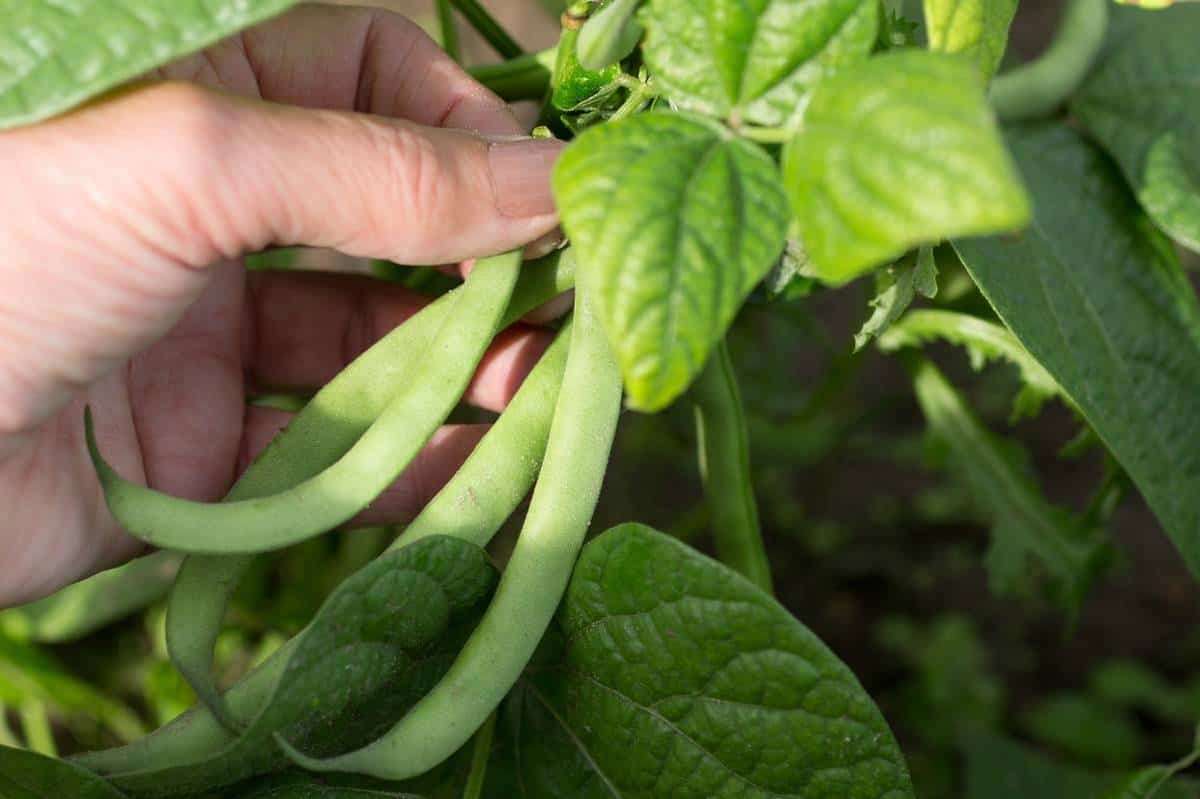
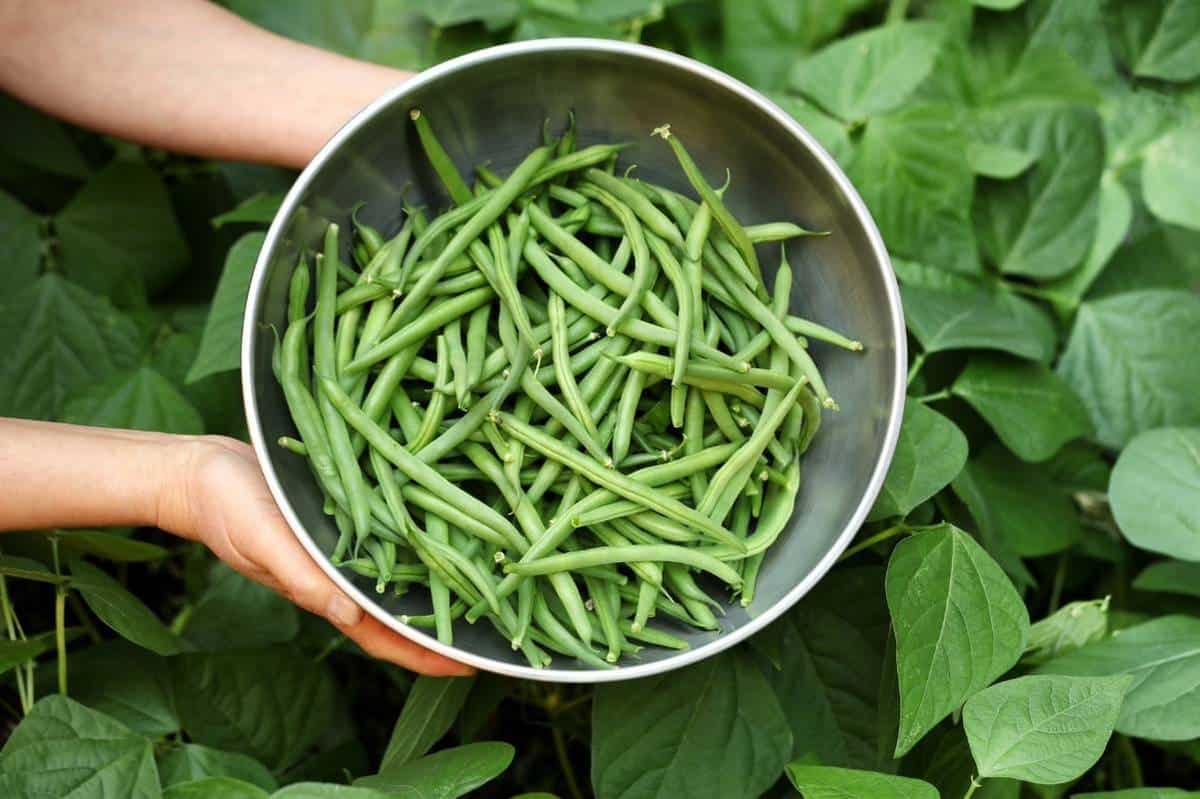
Harvest green beans during the morning, when their flavor is sweetest. Picking daily encourages ongoing production. Use scissors or carefully snap beans off to avoid damaging the plant.
Handling Pests and Diseases
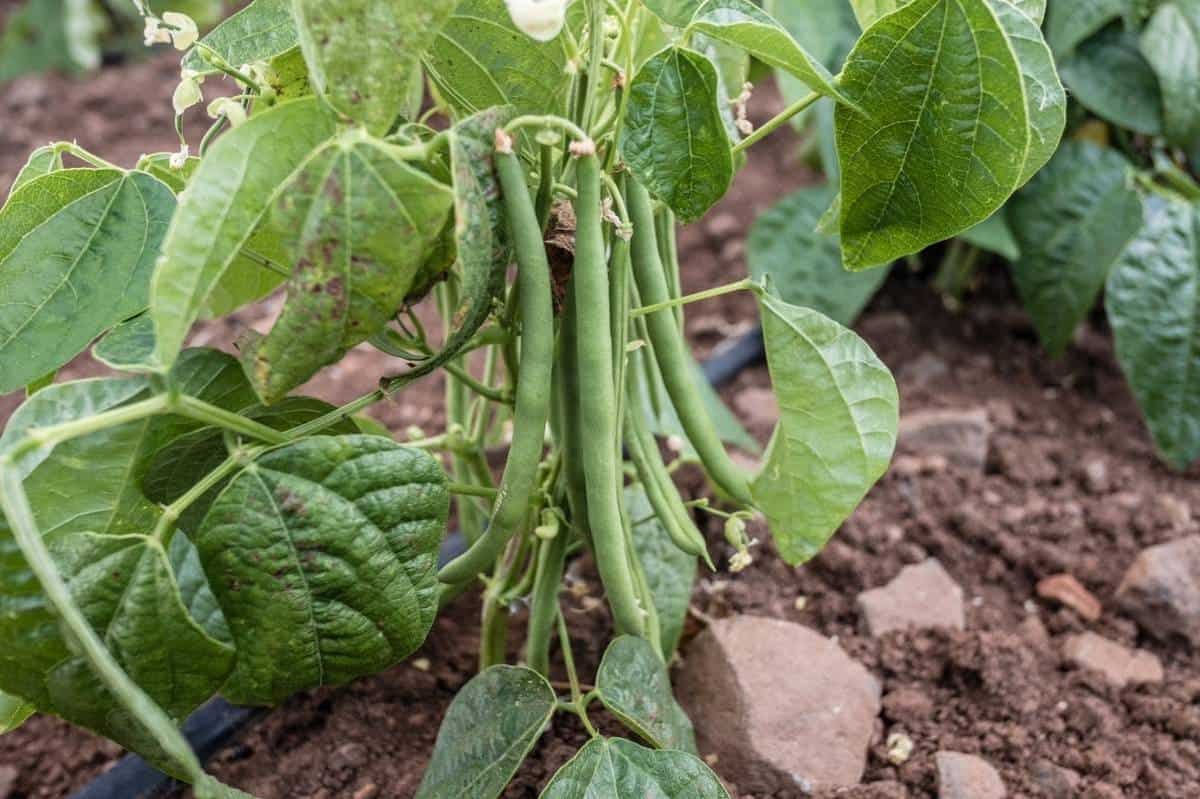
Green beans are resilient but can encounter some common pests and diseases.
- Powdery Mildew: Typically cosmetic, this can be managed by pruning affected plant parts and applying organic fungicides.
- Mosaic Virus: Infected plants need to be removed and destroyed. Good air circulation and pest control help prevent virus spread.
- White Mold: Signs include weakened stems and water-soaked spots. Maintain proper spacing, weed management, and careful watering to prevent it.
Insect Challenges
- Aphids: Manage these small pests using natural repellants or by washing them off with a strong water spray.
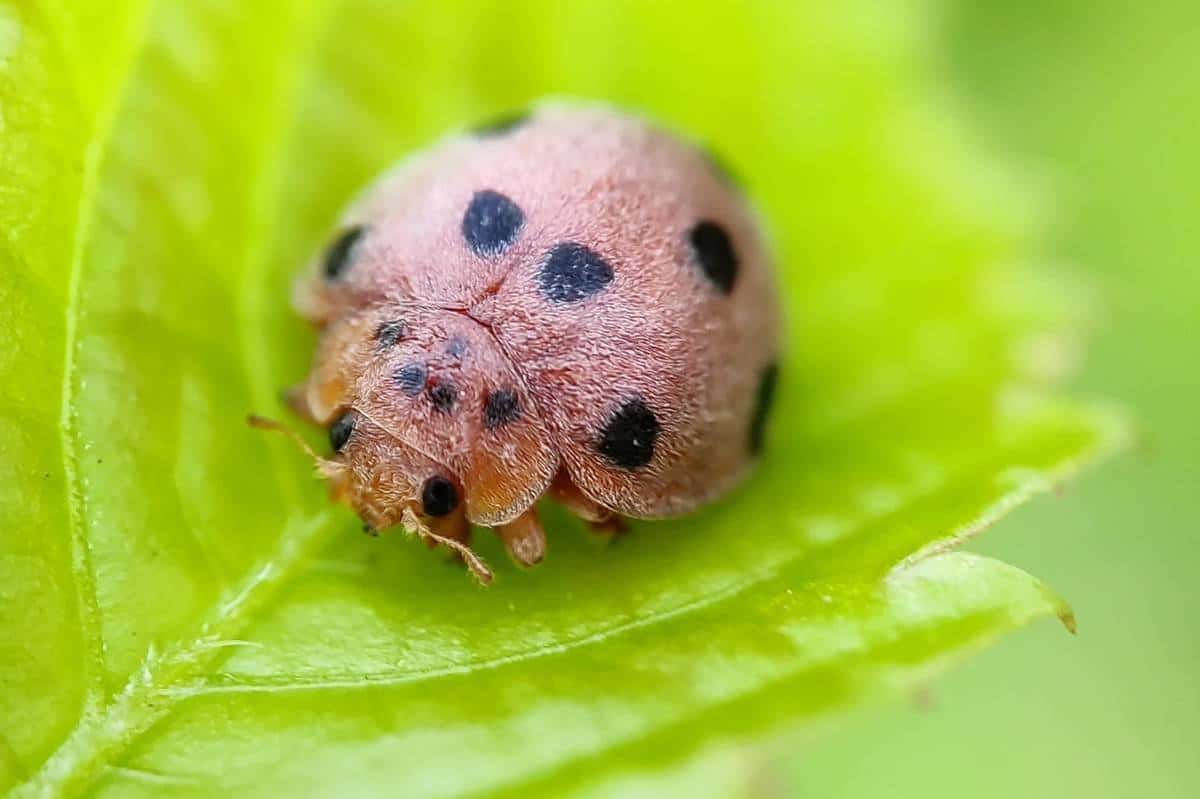
- Mexican Bean Beetles: Handpick eggs and larvae and consider companion planting to deter them.
- Whiteflies: Control with sticky traps or insecticidal soap treatments.
- Japanese Beetles: Remove by hand or use insecticidal soap. Planting geraniums nearby may help repel these beetles.
The Importance of Crop Rotation
Rotate your green bean crops annually to maintain soil health and reduce pest and disease problems. Avoid planting beans immediately after crops like onions or garlic to prevent soil complications.
Companion Planting with Green Beans
Green beans enrich the soil by fixing nitrogen, benefiting neighboring plants. Plant them alongside compatible companions such as leafy greens, corn, various flowers, herbs, and members of the brassica family. Aromatic plants like marigolds and rosemary can help repel common pests. However, avoid planting green beans near onions and beets which can negatively affect their growth.
By adhering to these expert guidelines, you can successfully cultivate a green bean garden full of fresh, crisp beans, perfect for enhancing your summer meals.
