
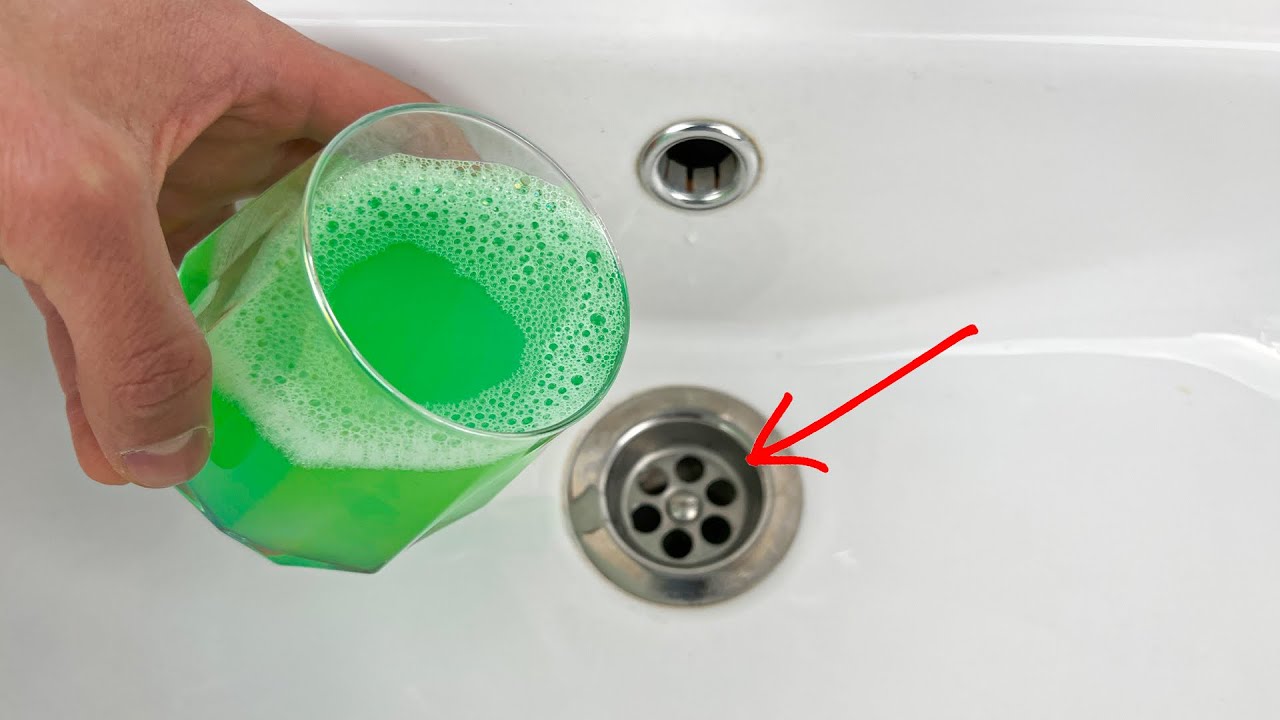
If your sink, tub, or shower is draining slowly—and you can’t run out for a commercial drain opener—you can make a simple, eco-friendly drain cleaner using everyday pantry staples. This method is gentler than many chemical products, budget-friendly, and often effective for minor clogs. If the blockage is severe, you can still try stronger solutions afterward, but this is a smart first step.
What You’ll Need
Equipment
Cup (to remove standing water)
Bucket (to collect water)
Drain stopper (optional, to direct the reaction downward)
Ingredients
Boiling water

1/2 cup baking soda
1/2 cup distilled white vinegar
How to Make and Use a DIY Drain Cleaner
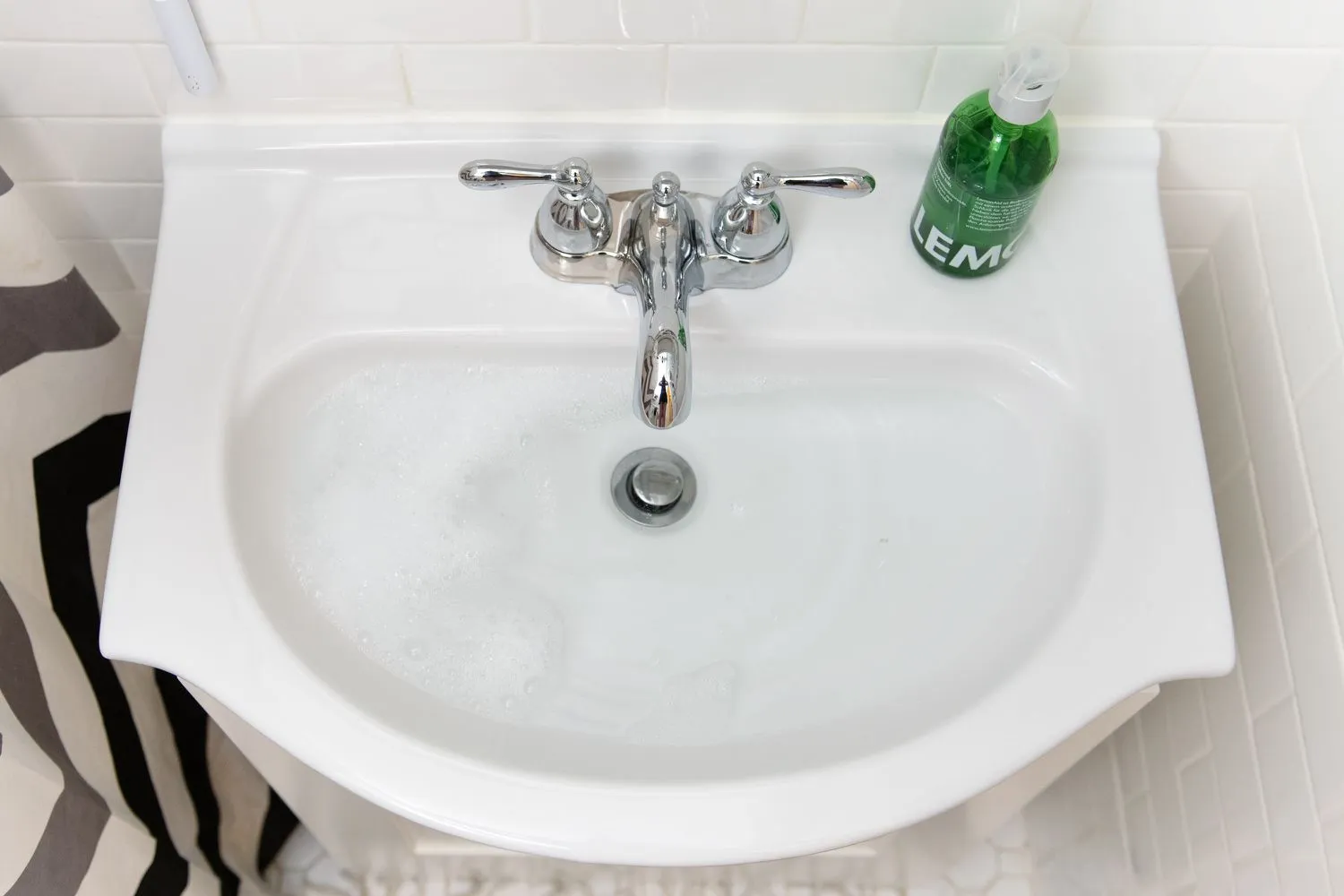
1) Remove Standing Water
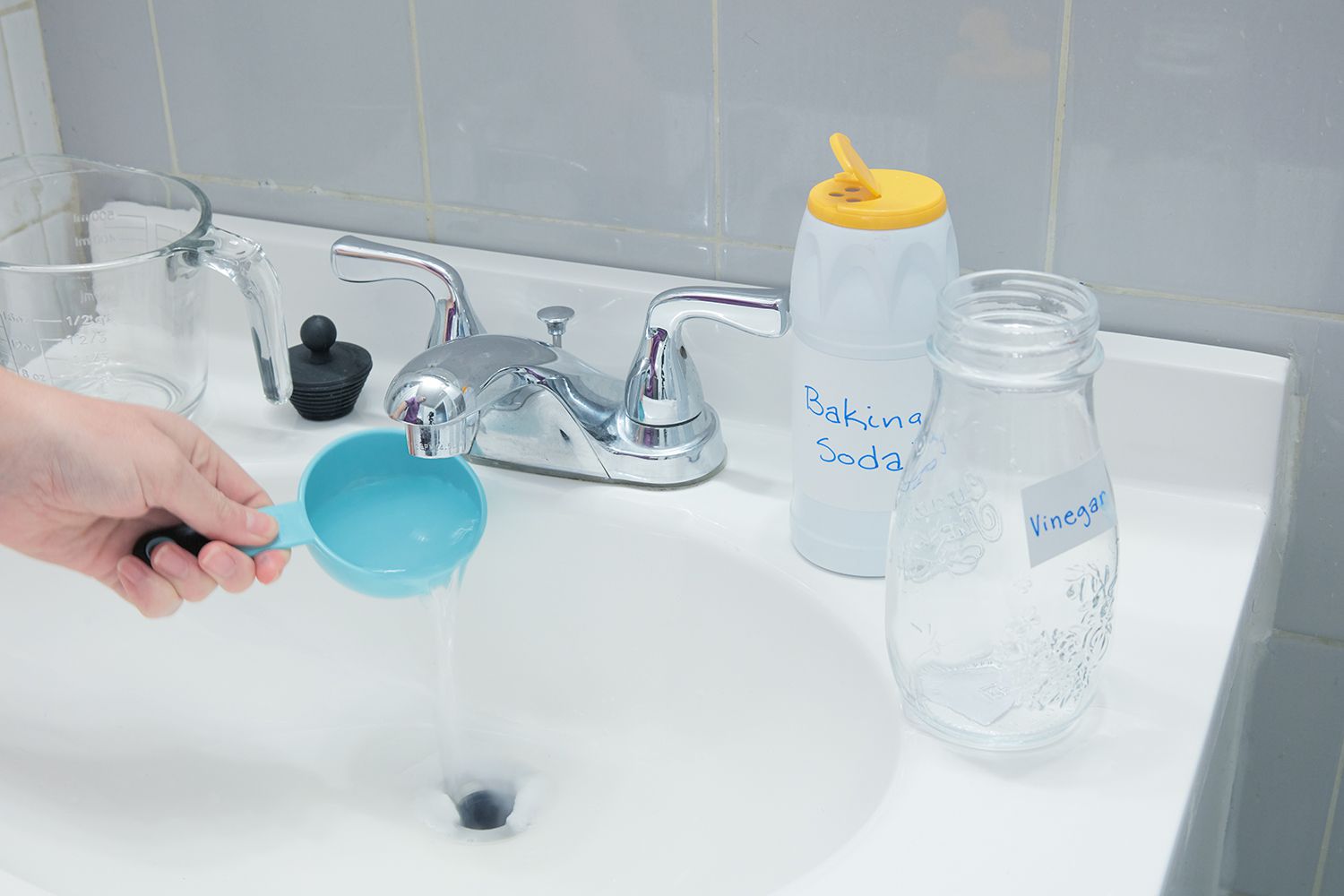
Scoop out as much backed-up water as you can using a cup and pour it into a bucket. It’s okay if a small amount remains in the drain opening, but the sink, shower, or tub should be mostly empty so the mixture can reach the clog more directly.
2) Pour in Boiling Water
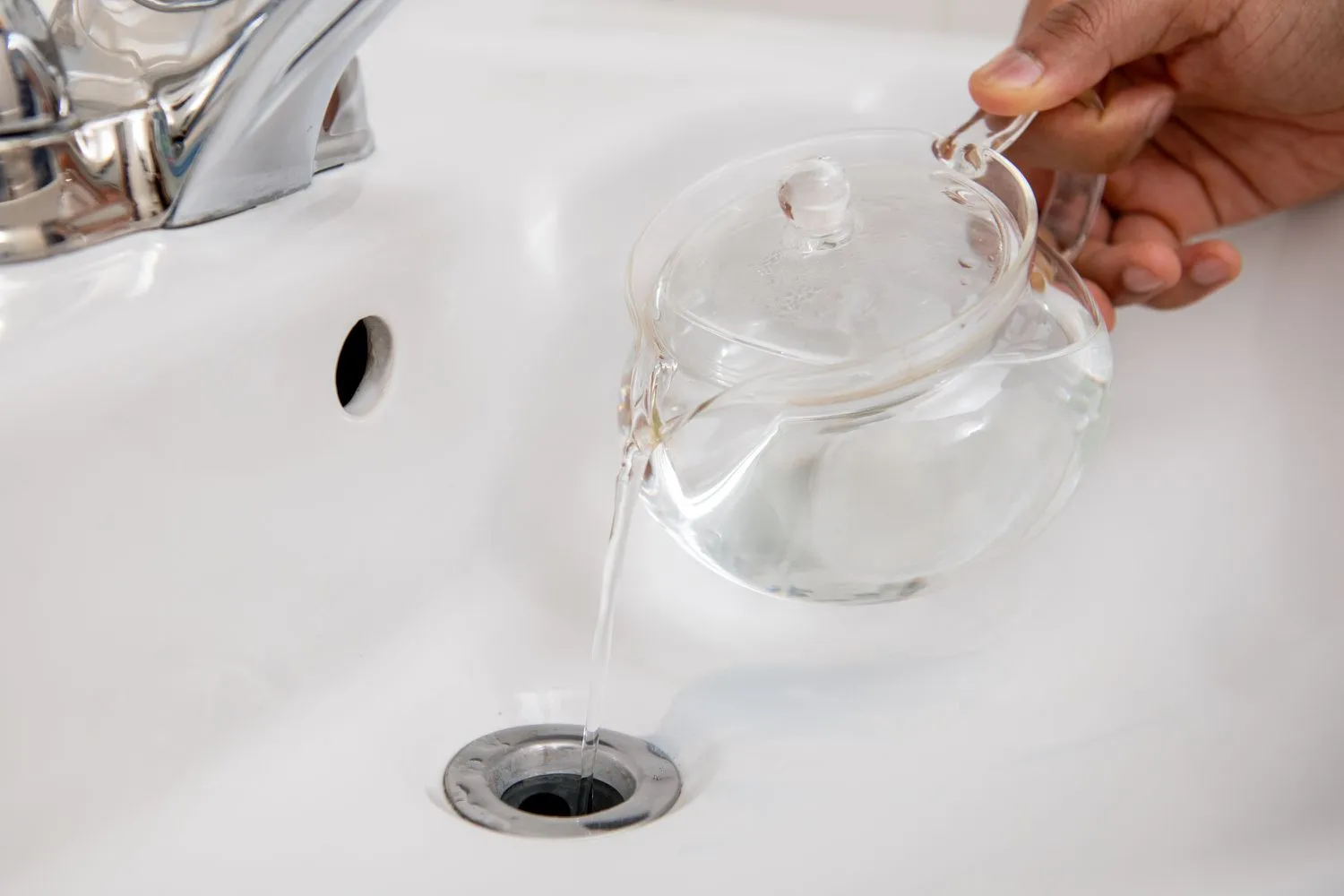
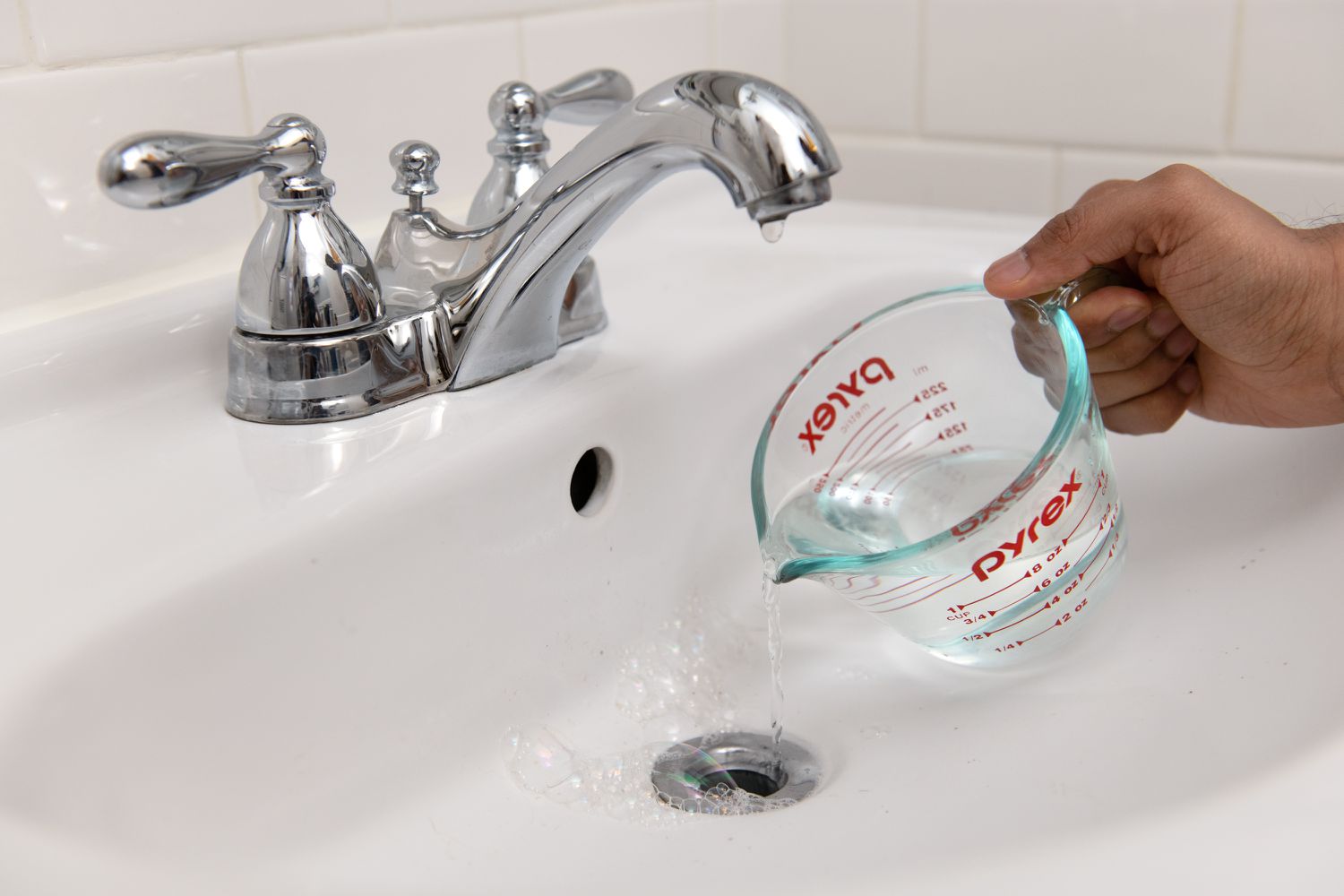
If possible, remove the sink pop-up or tub stopper to access the drain more easily. Carefully pour a small pot of boiling water into the drain to help soften grime, soap residue, and greasy buildup.
Safety Note
Warning: Pour boiling water slowly to avoid splashes or burns, especially in small basins.
3) Add Baking Soda
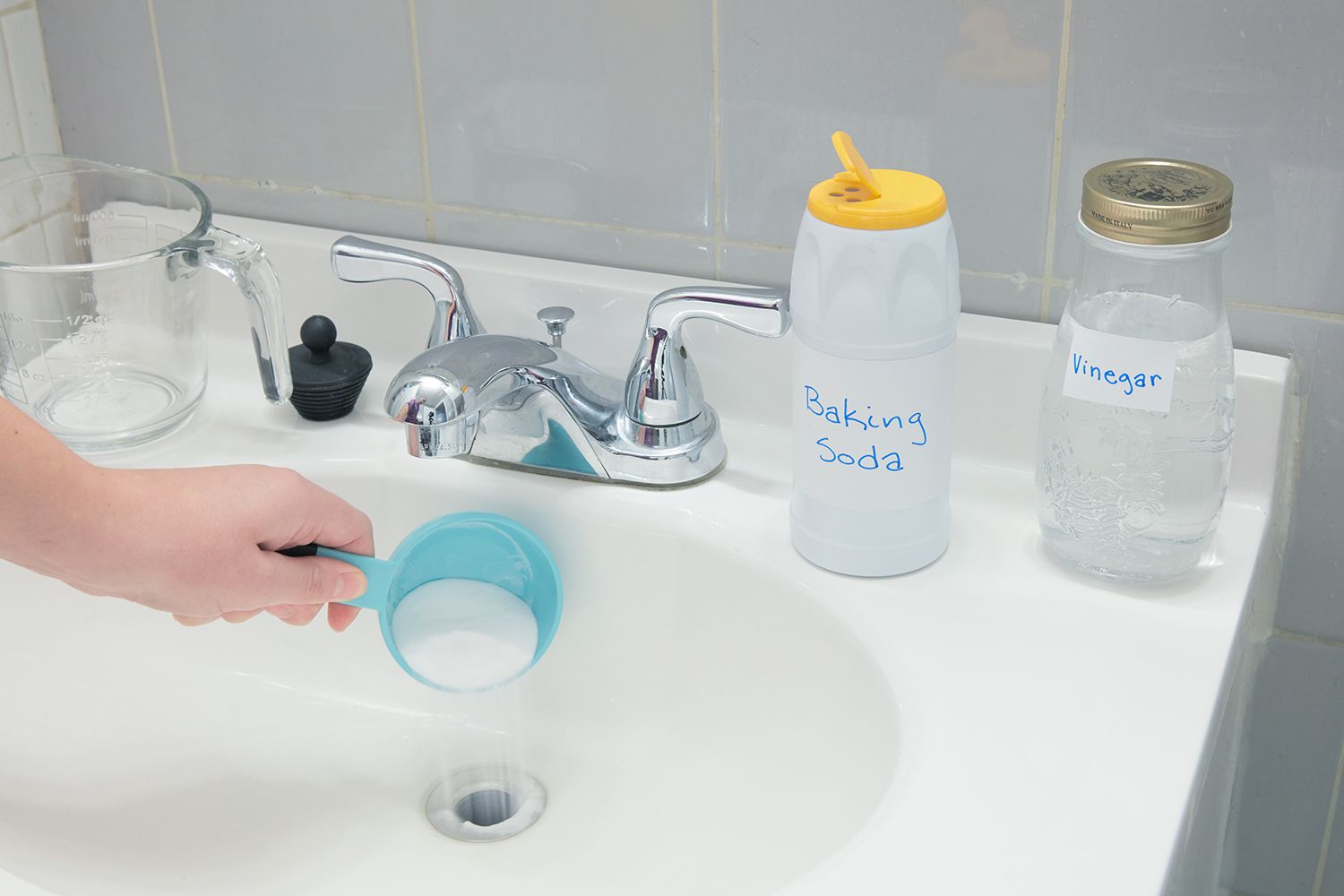
Pour 1/2 cup of baking soda directly into the drain. Try to get as much as possible into the opening rather than on the sink surface.
4) Add Vinegar
Slowly pour 1/2 cup of distilled white vinegar into the drain. The mixture will begin to fizz and bubble—this reaction helps loosen residue and break apart minor buildup.
5) Cover the Drain and Wait
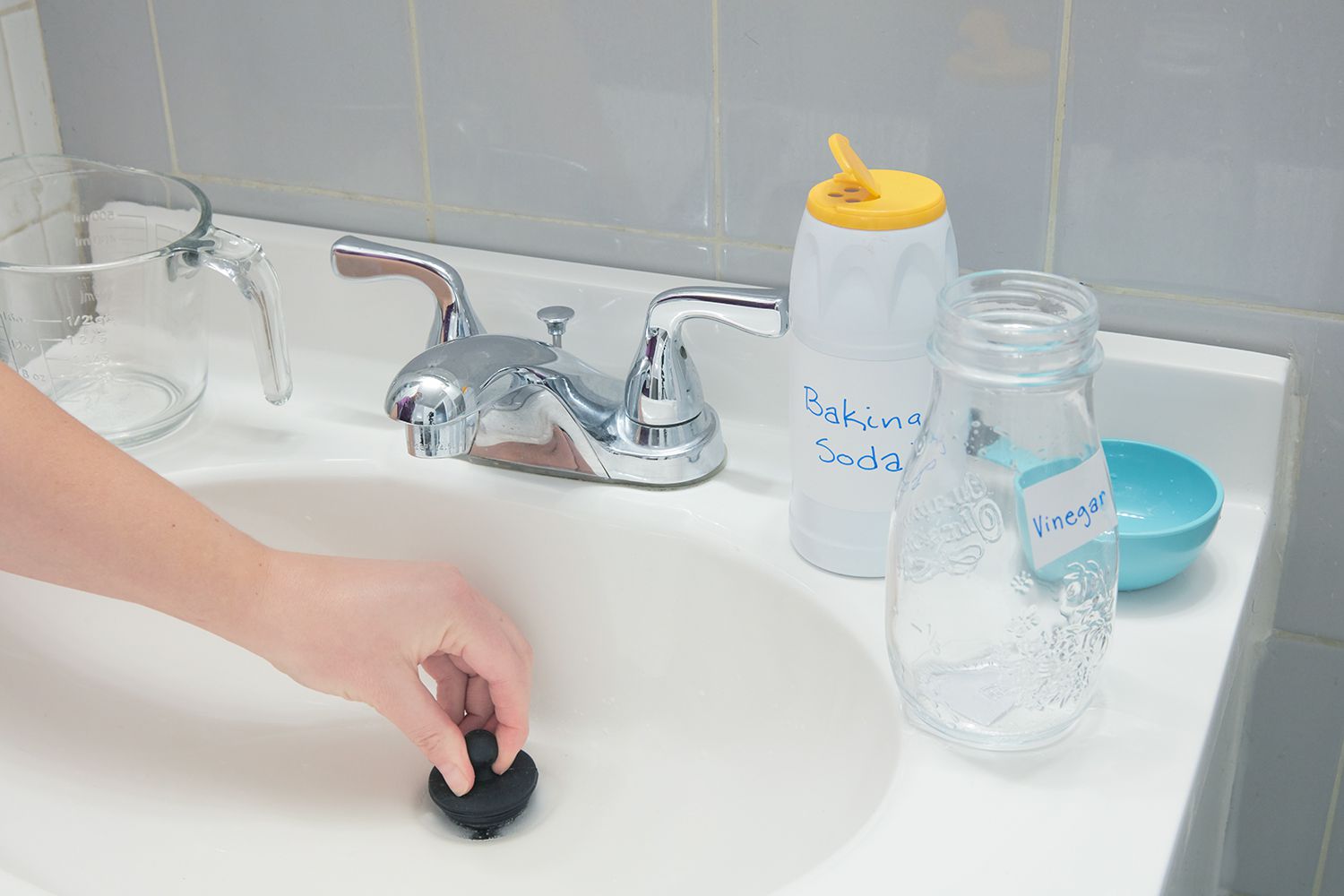
For stronger results, cover the drain with a stopper and let the fizzing action work for about 10 minutes. Covering the drain helps push the reaction downward instead of letting it bubble up and out. (It’s optional, but helpful.)
6) Flush with More Boiling Water
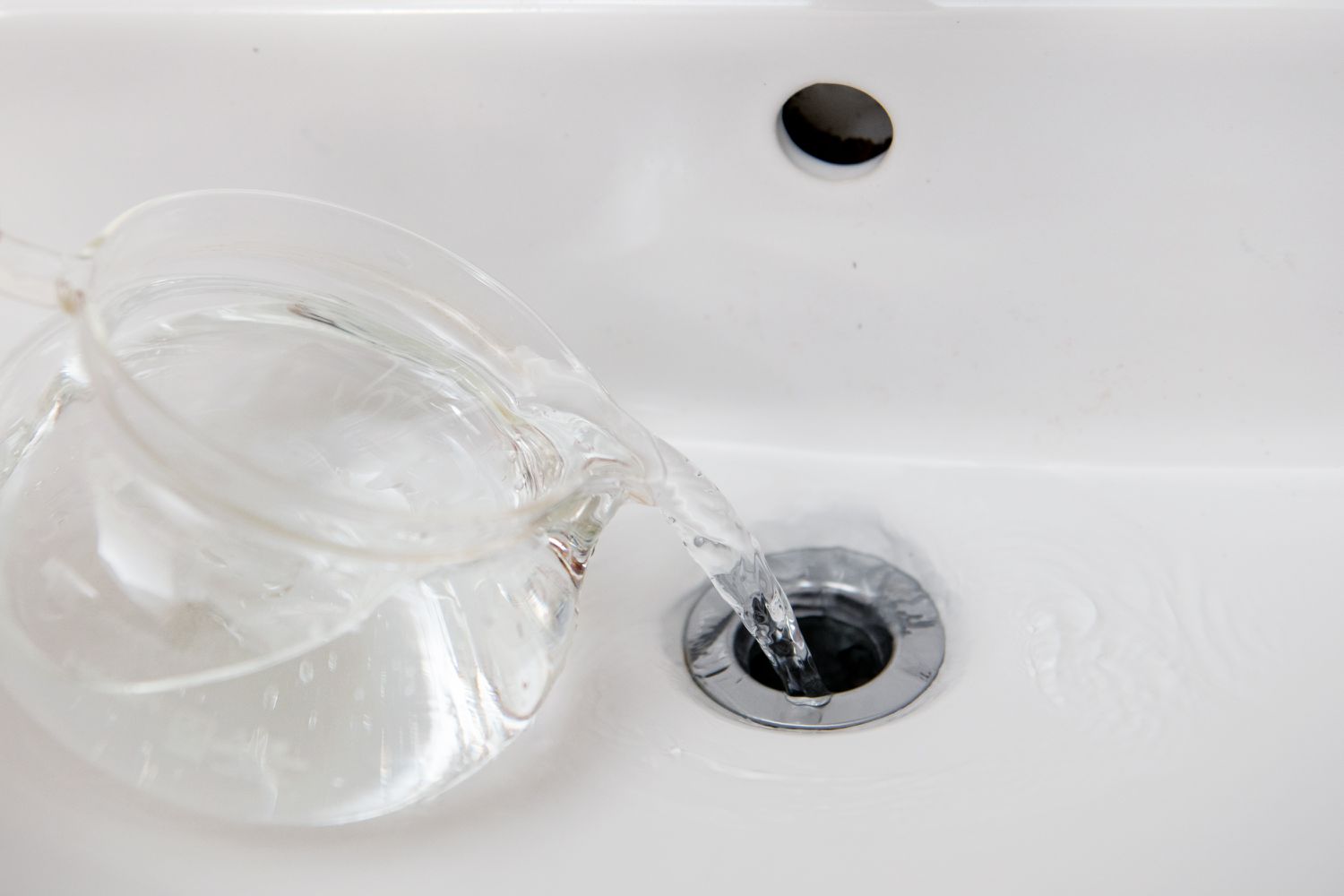
After 10 minutes, pour another pot of boiling water into the drain. This helps wash away loosened debris and pushes residue through the pipe.
7) Rinse with Hot Tap Water
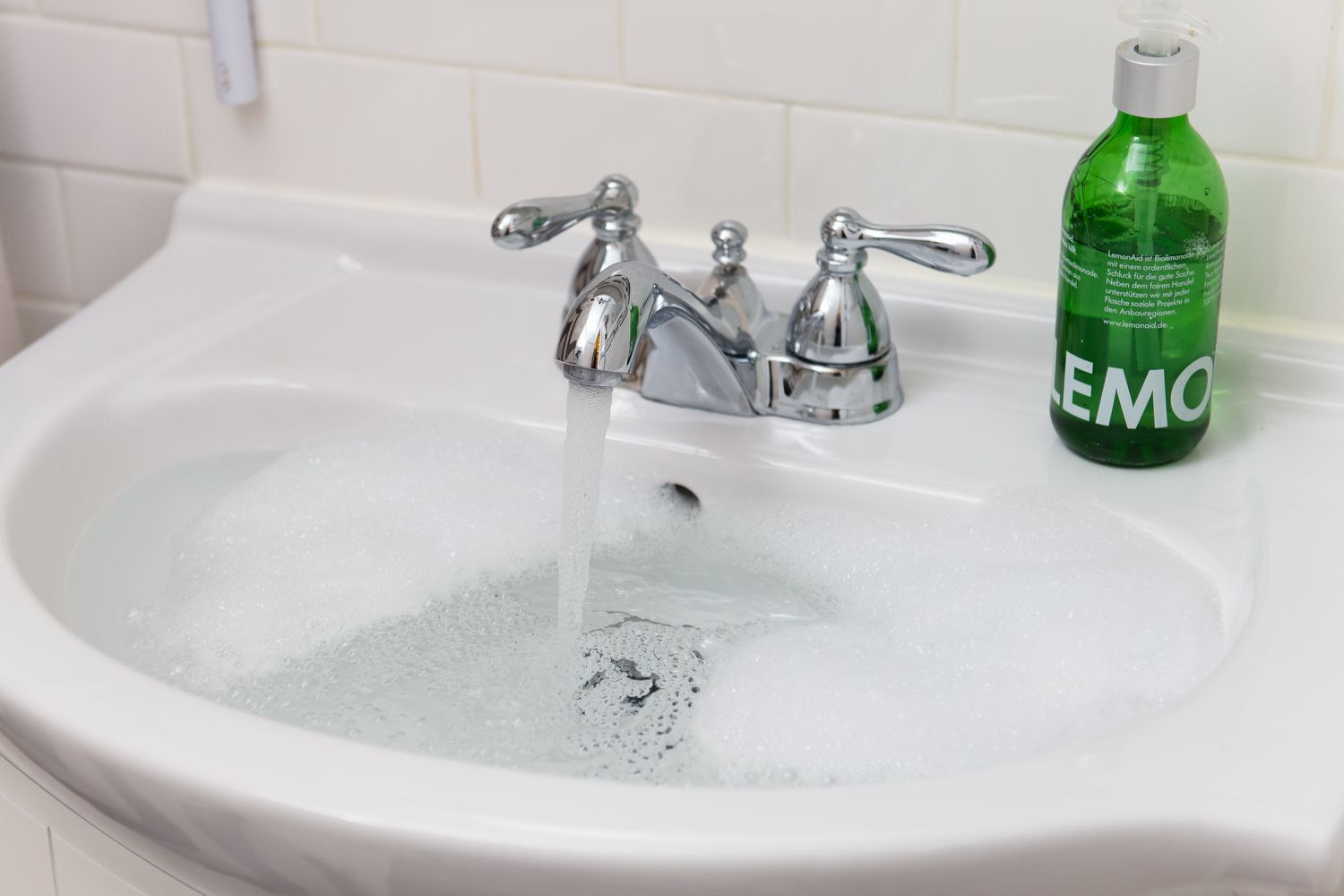
Finish by running hot tap water for a minute or two to clear any remaining particles and confirm that the drain is flowing smoothly.
8) Repeat if Needed
If the drain improves but still runs slowly, repeat the process once more. If there’s no change after a couple of attempts, the clog may be too stubborn for this method.
Alternative Homemade Drain Cleaner Ideas
These options are best for minor clogs or drains that are simply slow:
Baking soda and lemon juice: Add 1/2 cup baking soda and 1/2 cup lemon juice, wait 1 hour, then flush with boiling water.
Baking soda and salt: Add 1/2 cup baking soda and 1/2 cup salt, wait at least 1 hour, then flush with boiling water.
Dish soap and hot water: Add a few drops of grease-cutting dish soap, then chase with very hot water to help dissolve greasy buildup.
Borax, vinegar, and salt: Mix 1/4 cup of each, pour into the drain, add boiling water, wait 1 hour, then flush again.
Cream of tartar, baking soda, and salt: Flush with boiling water, then add a paste made from cream of tartar and baking soda, wait 1 hour, and flush again.
How to Keep Drains Clear Longer
Prevent clogs by removing visible debris (hair, food scraps, soap buildup) weekly or every two weeks. If hair or food is a constant problem, use a drain cover. When you first notice slow draining, treat it early—small build-ups are much easier to clear than full blockages.
Other Solutions to Try
If the clog won’t budge, you may need stronger tools. A wet-dry vacuum can sometimes pull out a blockage better than a plunger if you create a tight seal around the drain. You can also use a drain snake to break up or retrieve debris. If you plan to open the trap, place a bucket underneath first to catch water and grime.
When to Call a Professional
If nothing works, the water is completely blocked, or clogs keep coming back, it may be time to call a plumber. Strange gurgling sounds, persistent bubbling, or foul odors can also indicate a deeper issue. Home remedies can help with simple problems, but a professional can diagnose and fix the root cause for long-term results.
FAQ
How do you prevent drains from clogging?
Remove hair, food particles, and debris regularly. Rinse drains with hot water, and treat slow drains early before buildup hardens into a stubborn clog.
What causes clogged drains?
Common culprits include hair, soap scum, grease, food particles, mineral deposits, dirt, and small objects. Over time, these materials clump together and get stuck inside the pipe.
Can you use too much baking soda and vinegar?
Yes. Using excessive amounts can sometimes create a thick mass that worsens the blockage. Stick to about 1/2 cup of each for this method.
Will hydrogen peroxide unclog a drain?
Some people use hydrogen peroxide in a pinch, but results are inconsistent. If you try it, use it sparingly and avoid frequent use.
