
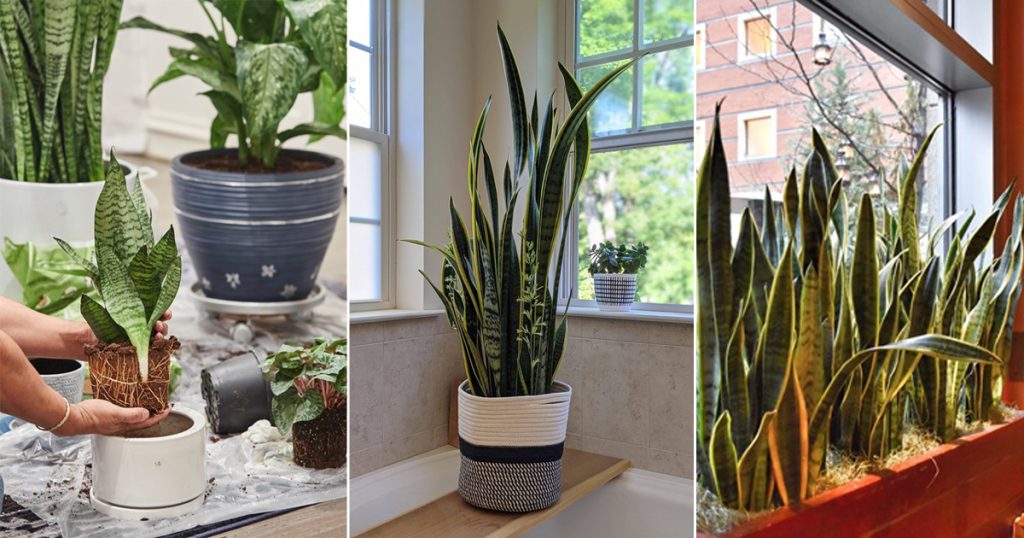
Essential Tips to Know Before Growing a Snake Plant at Home
Thinking about adding a Snake Plant to your indoor garden? Whether you are a complete beginner or an experienced plant enthusiast, Dracaena trifasciata, commonly known as the Snake Plant, is one of the easiest and most rewarding houseplants to grow. Its hardy nature, striking foliage, and low-maintenance requirements make it a favorite for homes and offices alike.
Before bringing one home, it is important to understand how this resilient plant grows, what it needs, and how to keep it thriving for years.
What Is a Snake Plant?
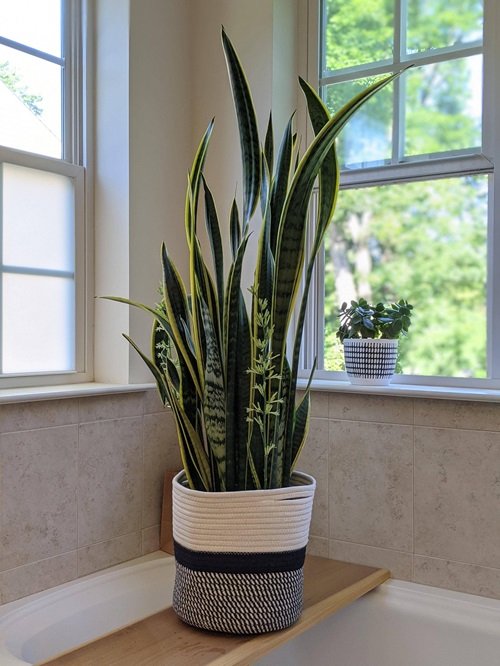
Snake Plants are evergreen succulents known for their tall, upright leaves and dramatic appearance. Their foliage ranges from deep green to silvery tones, often featuring yellow edges or patterned stripes depending on the variety.
Originally native to Africa, Snake Plants have become popular worldwide because they adapt well to indoor environments. They tolerate low light, irregular watering, and require very little attention, making them ideal for busy households.

Important Things to Know Before Planting a Snake Plant
1. Learn About Your Snake Plant Variety
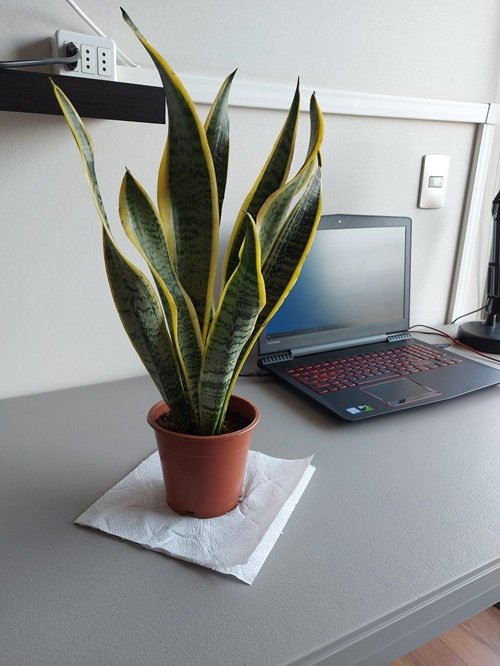
Snake Plants come in many forms, from tall architectural varieties to compact dwarf types. Larger varieties work beautifully as floor plants, while smaller ones are perfect for desks, shelves, and windowsills.
Choosing the right variety helps you decide where the plant will fit best in your home decor.
2. Snake Plants Grow Tall and Upright
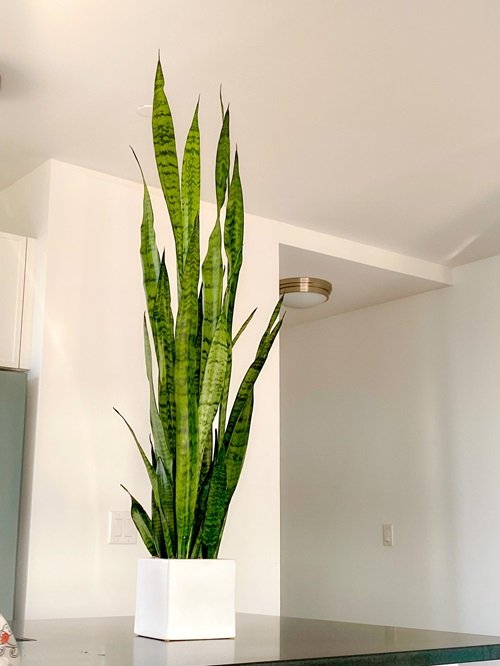
Indoors, Snake Plants can grow between 2 and 4 feet tall, while outdoor plants in warm climates may reach up to 8 feet. Their growth depends heavily on lighting conditions.
Bright indirect light encourages taller growth, while low light keeps the plant smaller and more compact. However, prolonged harsh sunlight can scorch the leaves, so moderate lighting works best.
3. They Rarely Bloom
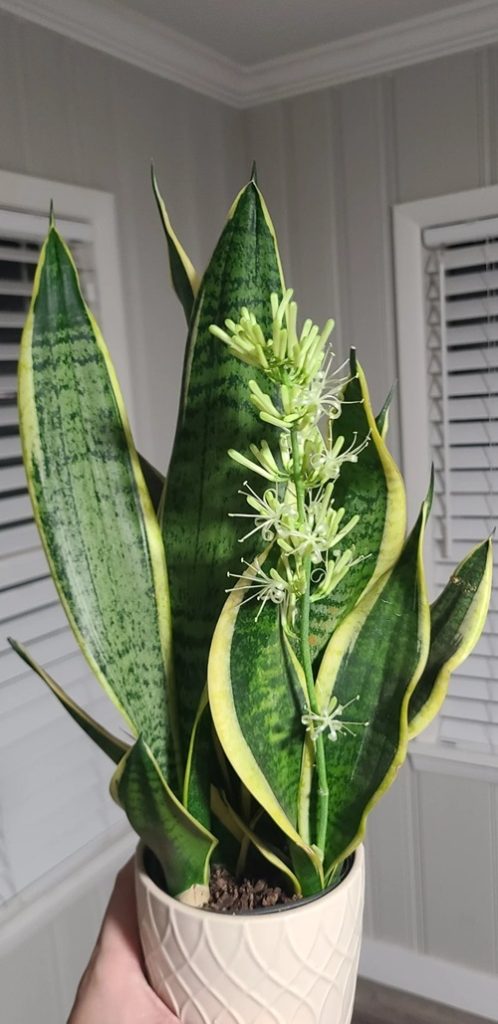
Although uncommon, Snake Plants can produce delicate white or greenish flowers with a sweet fragrance. Blooming usually occurs when the plant experiences mild stress, such as being root-bound or slightly underwatered.
While flowering is rare indoors, it is always an exciting surprise for plant lovers.
4. They Are Extremely Drought Tolerant
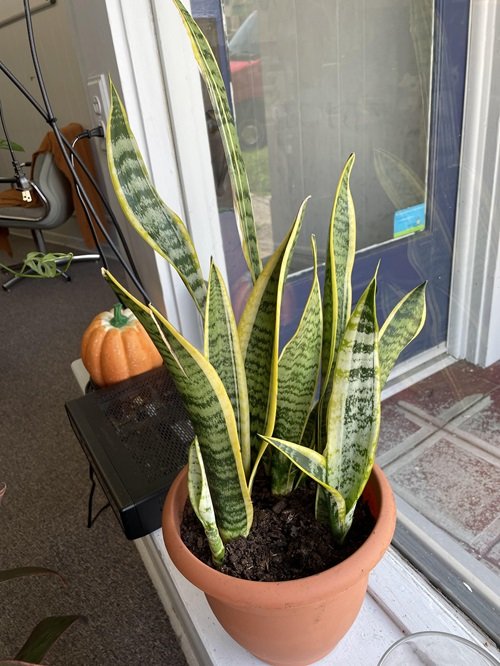
One of the biggest reasons Snake Plants are so popular is their ability to survive with minimal watering. Their thick leaves store moisture, allowing them to withstand dry conditions for extended periods.
Overwatering is far more dangerous than underwatering. Allow the soil to dry out completely between watering sessions to prevent root rot.
5. Do Snake Plants Really Purify Air?

Snake Plants gained worldwide attention after studies suggested that they can help remove certain airborne toxins. While their air-purifying effects may be modest indoors, they still contribute to a fresher and more pleasant environment.
They are especially popular in bedrooms and living spaces because of their calming appearance and easy care routine.
6. They Are Nearly Impossible to Kill
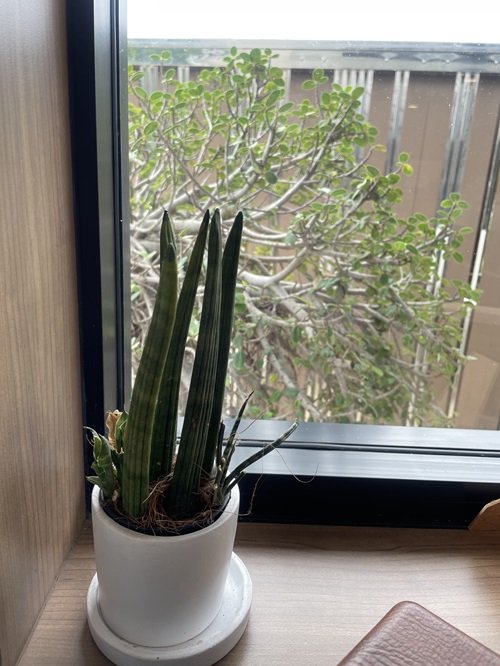
Snake Plants are famous for their resilience. They tolerate neglect, inconsistent watering, and a wide range of indoor conditions without losing their charm.
Place them near a bright window, use well-draining soil, and water sparingly. With just a little care, they can thrive for years.
7. Repotting and Propagation Are Easy
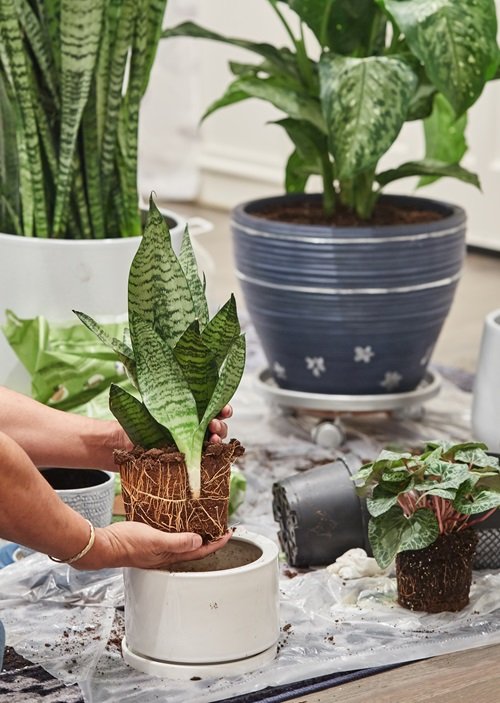
Snake Plants grow slowly, so frequent repotting is unnecessary. When the plant becomes crowded, you can divide the offsets growing at the base and replant them in separate containers.
Leaf cuttings can also be propagated in water or soil, making it easy to grow new plants from a single healthy leaf.
8. There Are Many Beautiful Varieties
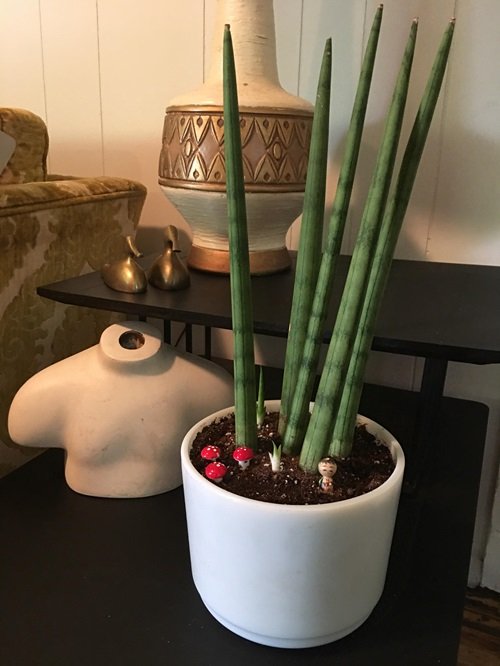
Beyond the classic varieties, there are many unique Snake Plants available. Cylindrical varieties feature tall tubular leaves, while others display silvery-green or variegated foliage.
These diverse shapes and colors make Snake Plants a stylish addition to modern interiors.
9. Pruning Is Rarely Needed
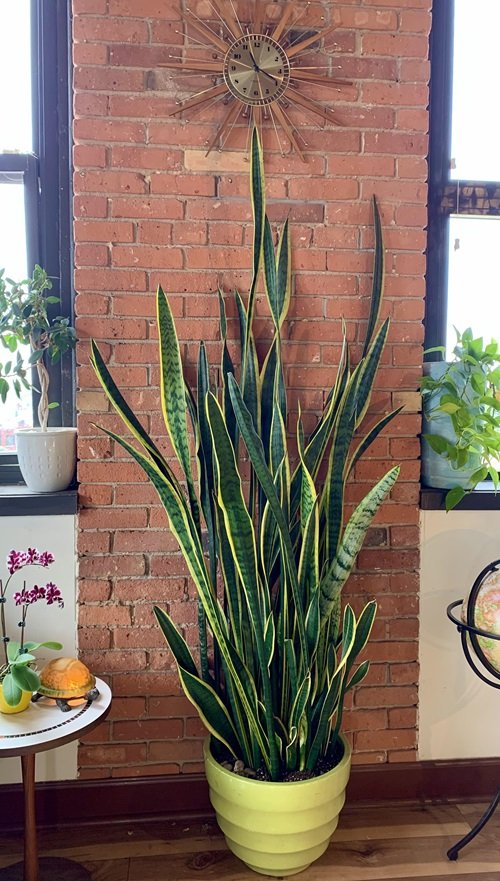
Snake Plants naturally maintain a neat and elegant shape. Most gardeners prefer allowing the foliage to grow densely, creating a fuller and more dramatic appearance.
Instead of pruning, simply remove damaged leaves when necessary and repot the plant into a larger container as it matures.
10. Snake Plants Carry Symbolic Meaning
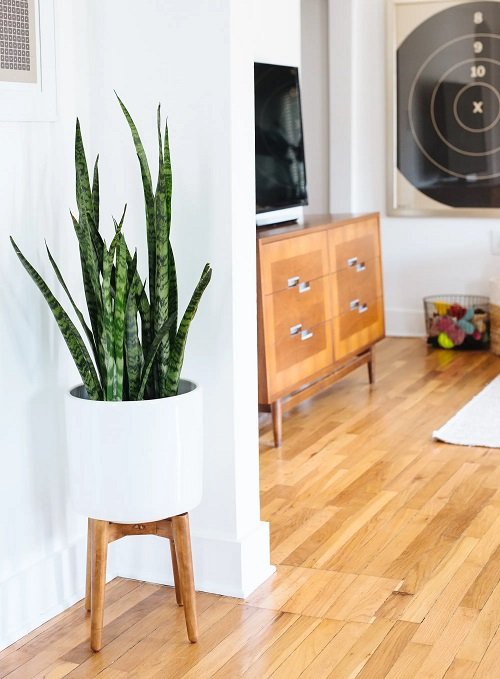
In many cultures, Snake Plants symbolize resilience, strength, and protection. In Feng Shui practices, they are often placed near entrances to attract positive energy and ward off negativity.
Their upright growth habit is also associated with stability and determination.
11. Excellent for Privacy and Room Division
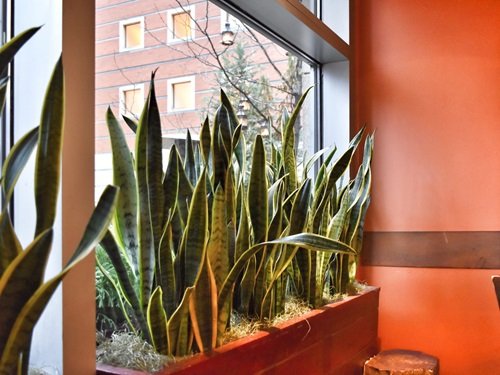
The tall, dense leaves of Snake Plants make them perfect natural dividers indoors. Arranged in rows, they can create subtle privacy screens while still allowing light to pass through.
They work especially well near windows, balconies, and open living spaces where a touch of greenery can enhance both beauty and functionality.
Final Thoughts
Snake Plants are more than just decorative houseplants. They are durable, adaptable, and visually striking additions to any home. With minimal effort, these plants can thrive for years while adding elegance and greenery to your indoor spaces.
If you are looking for a low-maintenance plant that combines beauty with practicality, the Snake Plant is undoubtedly one of the best choices.
