

Eco-Friendly Ways to Remove a Tree Stump
Maintaining an attractive and functional landscape sometimes requires removing trees—and dealing with the stubborn stumps left behind. Whether a tree poses a safety risk, has died, or is being cleared for a new project, addressing the stump is essential to prevent regrowth and make full use of the space.
Below are four effective, non-toxic or low-impact methods to remove a tree stump. They are organized from the most environmentally friendly to those that require greater caution due to their impact.
1. Cover the Stump to Encourage Natural Decay
The most natural and hands-off solution is simply covering the stump. By blocking sunlight and excess moisture, you create conditions that speed up decomposition without disturbing the surrounding soil.

To use this method, tightly secure a waterproof, opaque tarp over the stump. This slows any new growth and encourages fungi and microbes to break down the wood. While this approach can take six to eighteen months, it requires minimal effort and poses no environmental risk.

2. Epsom Salt for Gradual Dehydration
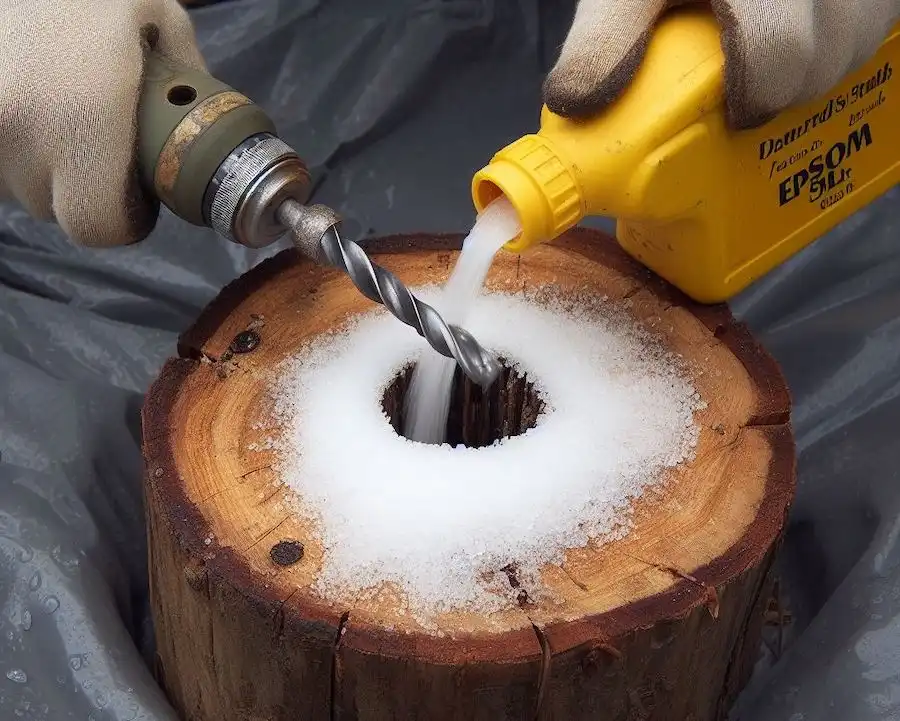
Epsom salt offers a natural way to dry out a stump through desiccation. It removes moisture from the wood, making the stump brittle and easier to break down over time.
Start by drilling several deep holes into the stump using a half-inch drill bit. Pack the holes with Epsom salt, lightly moisten the surface to help absorption, and then cover the stump with a lightproof tarp. Over the next few months, the wood will dry out and slowly decompose.
3. Controlled Burning for Faster Results
Controlled burning is a more aggressive approach and should only be considered where it is legal and safe to do so. This method is best suited for rural or open areas and requires strict attention to fire safety.
Begin by clearing all flammable materials from around the stump. Drill large, deep holes into the wood and carefully add kerosene. Once all safety precautions are in place, ignite the stump and monitor it closely until it burns down completely. Dispose of the remaining ash safely.
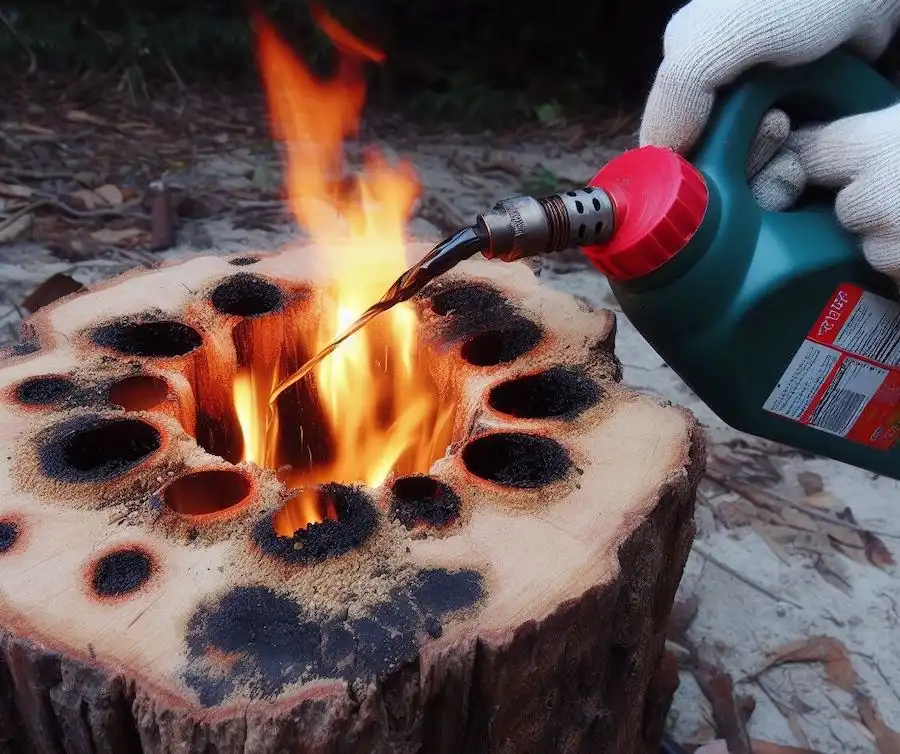
Always check local regulations before attempting this method, and never leave a burning stump unattended.
4. Herbicide Application for Quick Elimination
Herbicides provide the fastest way to kill a stump, but they also have the greatest environmental impact. Products designed for woody plants, such as those containing Triclopyr, should be used sparingly and with care.
If the stump is not freshly cut, make new cuts to expose living tissue. Wear protective gloves and safety gear, then use a paintbrush to apply the herbicide directly to the stump’s surface. Dispose of all tools responsibly after use.
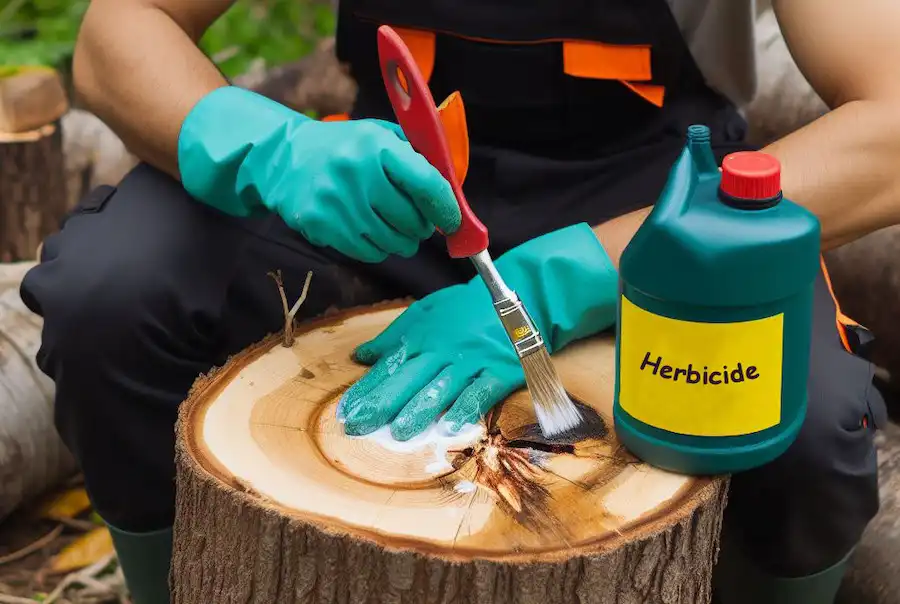
The stump should absorb the herbicide and become non-viable within a few days. While effective, this method should be a last resort due to its potential impact on surrounding plants and soil.
Whichever method you choose, always consider local regulations and the long-term health of your landscape. Thoughtful stump removal not only improves aesthetics but also supports a safer and more sustainable outdoor environment.
