Swollen legs are more than just a minor inconvenience: they often cause pain and heaviness and can indicate more serious circulatory disorders. While many turn to synthetic treatments, nature offers a powerful alternative: horse chestnut (Aesculus hippocastanum). Used for centuries in traditional medicine and now supported by modern research, this tree provides one of the most effective natural remedies for swollen legs, circulatory problems, and much more.
What Is Horse Chestnut?
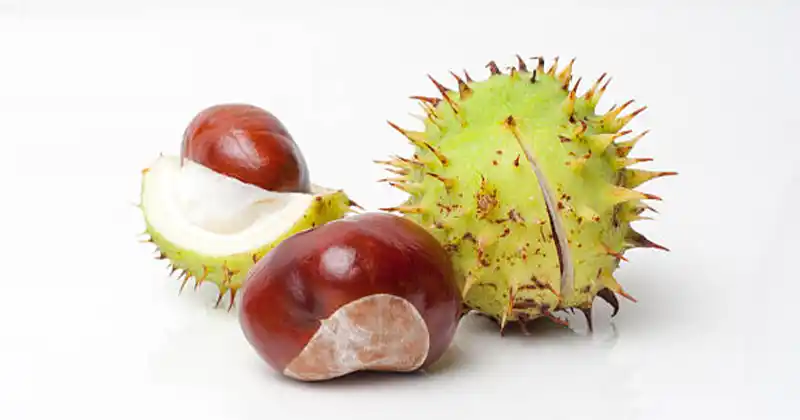
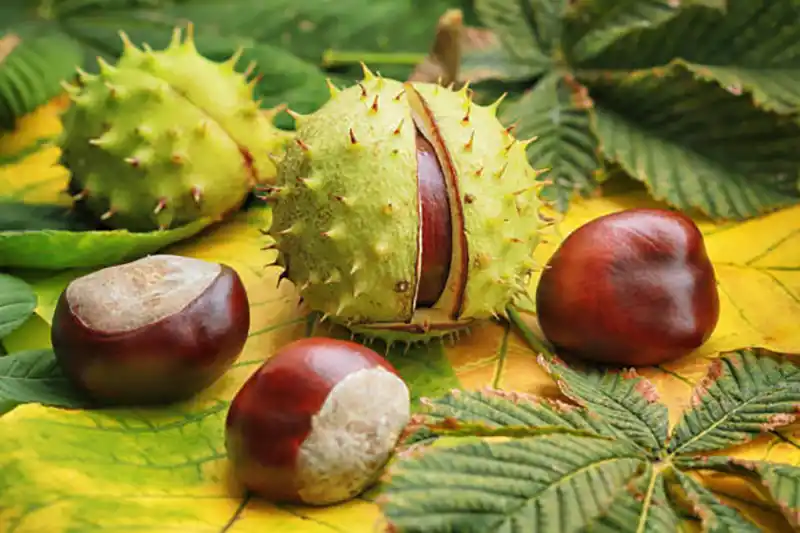
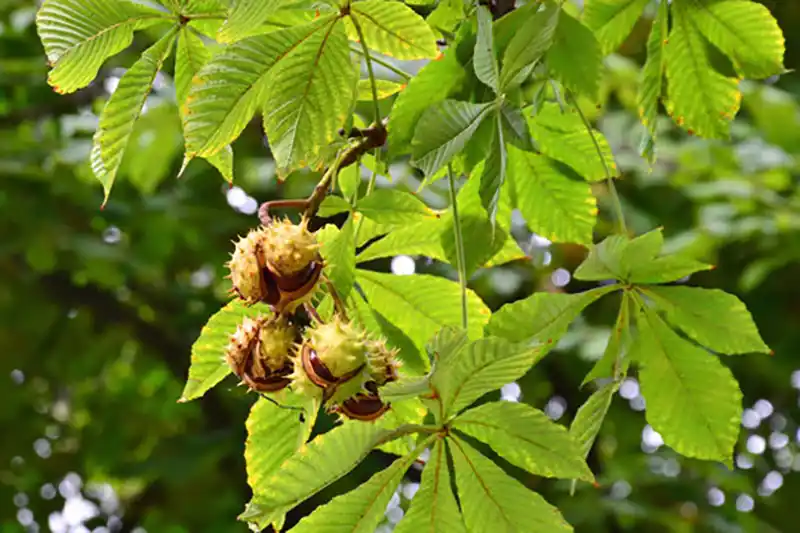
Native to Europe, the horse chestnut is easily recognizable by its spiny green fruits and smooth brown seeds, commonly called conkers. These seeds are not just children’s playthings: they contain a valuable natural substance called escin, which is responsible for the tree’s remarkable medicinal properties.
Why Is Horse Chestnut So Effective Against Swollen Legs?
Leg swelling often results from poor blood circulation and abnormal vessel permeability. Horse chestnut works through three complementary mechanisms:
1. Strengthening Blood Vessels
Escin tones the veins and capillaries, reducing fluid leakage into the surrounding tissues.
2. Improving Circulation
It promotes blood return to the heart, easing the sensation of heavy and tired legs.
3. Anti-Inflammatory Action
Horse chestnut has soothing properties that decrease swelling and pain in the legs and feet.
Thanks to these effects, it is especially recommended for:
chronic venous insufficiency
the presence of varicose veins
edema related to prolonged standing or sitting
swollen ankles during heat waves or travel
Other Health Benefits of Horse Chestnut
Beyond its effectiveness against swollen legs, horse chestnut offers numerous other advantages:
Hemorrhoid relief: due to its vein-toning effect.
Reduction of varicose veins: it helps decrease swollen, twisted veins.
Alleviation of cramps and restless leg syndrome: often linked to poor circulation.
Improvement of skin health: by enhancing tissue irrigation.
Support for lymphatic drainage: to reduce stagnation and swelling.
Anti-bruising effect: strengthens capillaries and accelerates healing of bruises.
How to Use Horse Chestnut at Home?
Warning: Raw seeds, leaves, and bark are toxic when taken orally unless properly processed. Never consume raw conkers!
1. Horse Chestnut Oil or Balm (External Use)
Ingredients:
4 to 5 fresh or dried horse chestnut seeds (crushed)
250 ml of olive or almond oil
Optional: calendula or comfrey to boost the anti-inflammatory effect
Preparation:
Crush the seeds using a mortar or a blender.
Place them in a jar and cover with the chosen oil.
Infuse gently in a double boiler or leave the jar exposed to sunlight for 1 to 2 weeks.
Strain the oil using a cheesecloth or a fine fabric.
Store your preparation in an opaque bottle or a sealed jar.
Instructions:
Apply and massage onto the legs, ankles, or swollen varicose veins twice daily.
For optimal effect, do this in the evening before bedtime and elevate legs for 15 to 20 minutes.
2. Horse Chestnut Compresses
Preparation:
Make a concentrated infusion by simmering crushed seeds or bark in water for 20 minutes.
Let it cool to a comfortable temperature.
Soak a cloth in the liquid, wring it out, then apply it to swollen areas.
Cover with plastic wrap and then a towel to retain heat.
Leave on for 30 to 40 minutes once daily.
3. Standardized Horse Chestnut Extract (Internal Use)
For oral intake, opt for standardized extracts available commercially from reputable brands. They should have:
standardized escin concentration between 16 and 20%
a dosage around 300 mg per day (to be respected according to product instructions)
Precautions:
Not recommended during pregnancy or breastfeeding
Avoid use in individuals with kidney or liver insufficiency
Do not combine with anticoagulants due to increased bleeding risk
Tips to Enhance Results
Elevate your legs whenever resting
Drink enough water to stay well hydrated
Limit prolonged standing or sitting
Wear compression stockings if necessary
Combine horse chestnut with nettle or dandelion infusions to further stimulate circulation and drainage
Warning
Horse chestnut is a powerful ally but not a miracle cure. In case of sudden, painful swelling accompanied by breathing difficulties, seek immediate medical attention—this could indicate a serious condition such as deep vein thrombosis or heart failure.
If you suffer from swollen and heavy legs and are looking for a natural remedy backed by science, horse chestnut ranks among the most effective plants. With regular use in the form of oil or homemade compresses, it can significantly improve comfort, circulation, and the health of your legs, while providing vital support to your veins and skin.
Sometimes the best medicine is already around us—we just need to learn how to make the most of it.
