
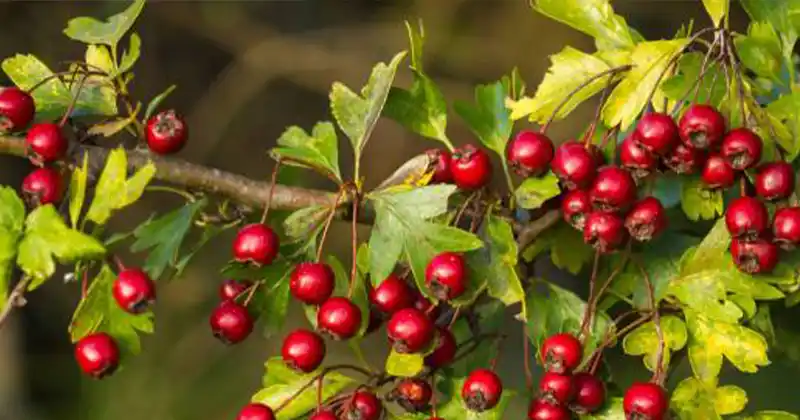
Hawthorn, a small thorny shrub belonging to the Crataegus genus, has long been valued in traditional European and Chinese medicine as a beneficial herb for the heart. With clusters of red berries, white or pink flowers, and deeply lobed leaves, this unassuming plant possesses remarkable medicinal qualities. Today, hawthorn is widely acknowledged for its support of cardiovascular health, its ability to lower cholesterol, and its role in promoting healthy blood circulation, all while offering a wealth of natural antioxidants.
In this article, we will explore the comprehensive benefits of hawthorn and explain how to use it effectively and safely to gain the most from its properties.
The Primary Benefits of Hawthorn
1. Effective Support for the Heart
Hawthorn is most renowned for its ability to enhance overall heart function, particularly in individuals experiencing mild heart failure. It improves the heart’s pumping efficiency, thereby increasing oxygen delivery to the tissues.
2. Natural Regulation of Blood Pressure
Research shows that hawthorn can help reduce high blood pressure, especially systolic pressure. Thanks to its vasodilatory effect, it relaxes and widens blood vessels, lowering vascular resistance and improving blood flow.
3. Improved Blood Circulation
By boosting blood flow and strengthening cardiac contractions, hawthorn ensures more efficient distribution of oxygen and nutrients throughout the body.
4. Impact on Cholesterol Levels
While not its primary function, hawthorn may contribute to reducing LDL cholesterol (the “bad” cholesterol) and triglycerides, while increasing HDL cholesterol (the “good” cholesterol). This makes it a valuable part of an overall strategy to balance cholesterol levels.
5. Protection of Arteries and Veins
Rich in flavonoids and oligomeric proanthocyanidins (OPCs), hawthorn strengthens blood vessel walls, enhances their elasticity, and reduces the risk of arterial damage or plaque buildup.
6. Anti-Inflammatory Effects
Its anti-inflammatory properties reduce stress on the cardiovascular system and can support long-term heart health.
7. Powerful Antioxidant
Due to its abundance of antioxidants, hawthorn neutralizes free radicals, protecting tissues—especially the heart—from oxidative stress and age-related damage.
8. Relief from Chest Pain and Palpitations
Traditionally, hawthorn has been used to alleviate mild angina and heart palpitations, although it should never replace medical treatment in severe cases.
9. Emotional Support Related to the Heart
Beyond its physical effects, hawthorn is recognized in folk medicine as a tonic for emotional heartbreak and grief, having been used for centuries as a symbol of heart-centered healing.
10. Possible Reduction of Anxiety and Improvement of Sleep
Some individuals find hawthorn helps to calm the nervous system, making it useful for mild stress or insomnia, especially when linked to a racing heart.
How to Use Hawthorn to Maximize Its Benefits
Hawthorn can be consumed in various forms depending on your preferences and health goals:

1. Hawthorn Tea (leaves, flowers, or berries)
Add 1 to 2 teaspoons of dried leaves, flowers, or crushed berries to a cup of boiling water.
Allow to steep for 10 to 15 minutes.
Consume up to 2 to 3 cups daily to enjoy its heart and circulation benefits.
This gentle method is ideal for extended use.
2. Hawthorn Tincture (alcohol extract)
Usually taken in drops, 30 to 40 drops (about 1 to 2 mL) up to three times a day.
Best taken under the tongue or diluted in water for enhanced absorption.
Perfect for quicker action or for those suffering from palpitations or anxiety.
3. Hawthorn Capsules or Tablets
Typical doses range from 250 to 600 mg per capsule, standardized to contain 2 to 3% flavonoids.
The recommended dosage is usually 1 to 2 capsules, up to three times daily, depending on the product and circumstance.
Always follow manufacturer instructions or professional advice.
4. Hawthorn Berry Powder
Can be added to smoothies, yogurts, or porridges.
A typical dose is one teaspoon per day, depending on the source and preparation.
5. Combination Formulas
Hawthorn is often combined with garlic, CoQ10, magnesium, or other heart-supportive herbs to create synergistic effects.
Precautions and Usage Advice
Hawthorn is generally safe when used properly and consistently. However:
It may interact with certain cardiac medications, including digitalis, beta-blockers, and antihypertensives.
If you are under medical treatment for heart disease, consult your doctor before beginning hawthorn.
Pregnant or nursing women should avoid hawthorn unless advised otherwise by a healthcare professional.
Hawthorn is more than just a wild shrub: it is a powerful tonic for the heart, a stimulant for blood circulation, and an ally in balancing cholesterol, supported by centuries of traditional use and modern research. Whether you want to preserve your heart health, regulate your cholesterol levels, or simply improve your cardiovascular system, hawthorn provides a gentle and effective option.

Important: This article is intended solely to provide information and does not replace professional medical advice. Always consult a qualified healthcare provider before beginning any herbal supplement, especially if you have existing health conditions or take medications.
