
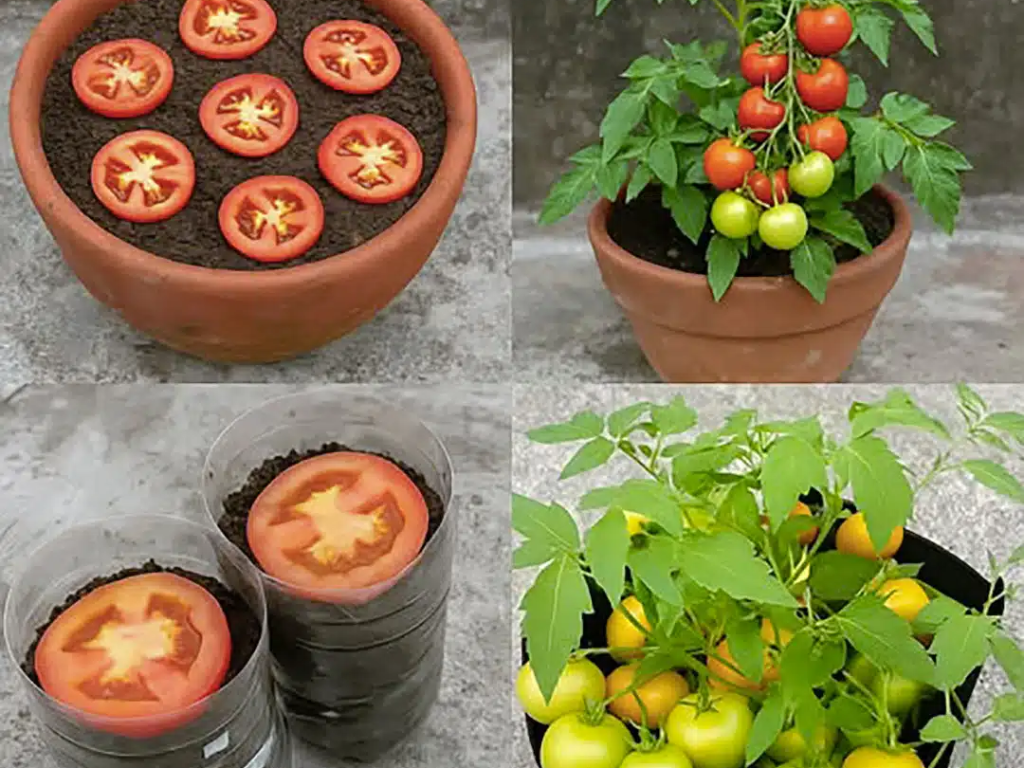
Why Choose to Grow Your Own Tomatoes at Home?
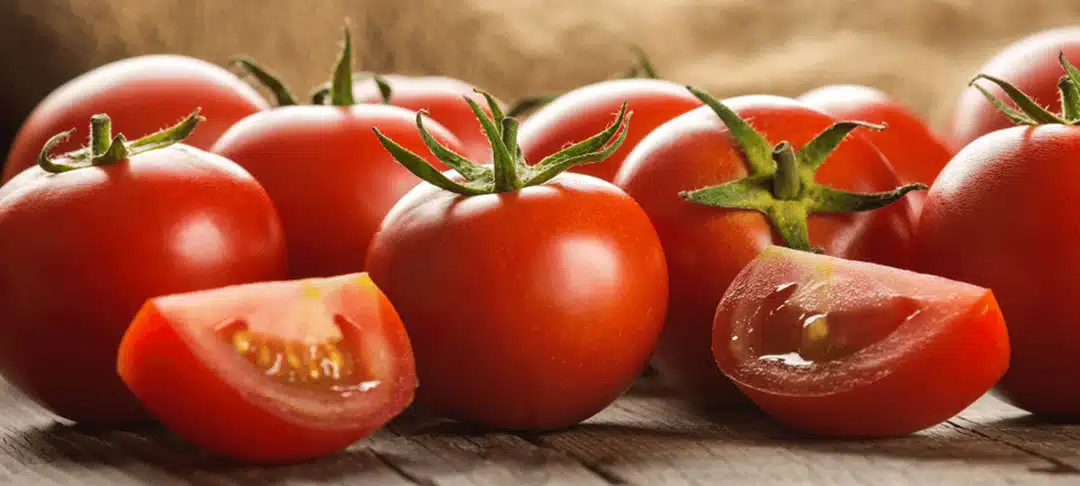
Who has never been tempted by the desire to bite into a tomato ripened by the sun, still warm from a summer afternoon? Growing your own tomatoes at home offers much more than just saving money at the store:
Authentic Flavor: Nothing compares to a homegrown tomato, just as the fragrance of freshly baked bread far surpasses that of industrial products.
A Concentration of Benefits: Tomatoes are packed with vitamins A and C, potassium, and lycopene—valuable allies to strengthen your health while delighting your taste buds.
Controlled Budget: There’s no need to pay high prices, even during peak production seasons.
Personal Satisfaction: Watching a tiny seed gradually transform into a generous plant is a magical and deeply fulfilling experience.
And you don’t need a large garden: a balcony, a windowsill, or a small spot on a terrace is more than enough to get started.
How to Select the Ideal Tomato Variety for Beginners?
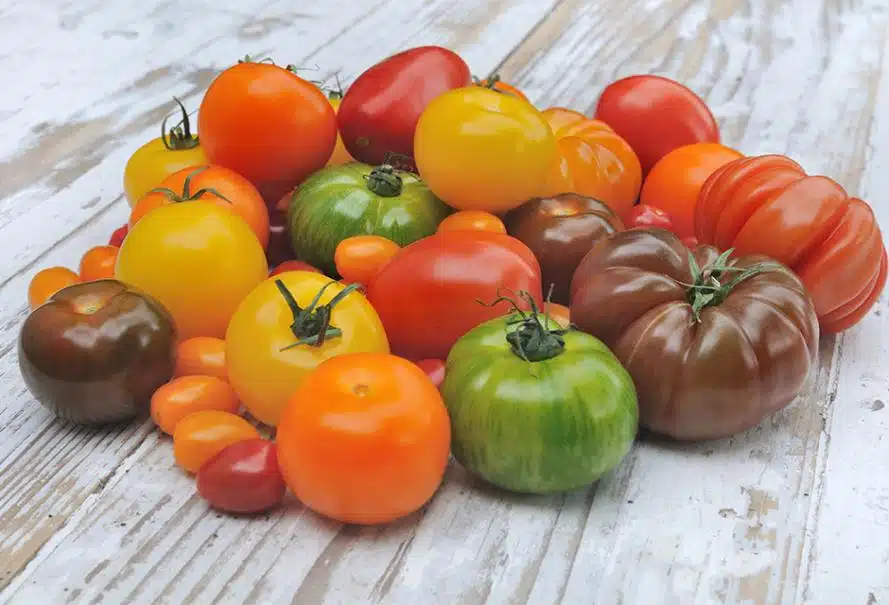
Before you begin, it’s essential to choose the variety that best suits your environment and your expectations, much like selecting the right pair of shoes for a hike:
Cherry Tomatoes: Perfect for small spaces, these provide bite-sized pieces ideal for snacking at aperitifs.
Roma Tomatoes: Ideal for making rich, creamy homemade sauces.
Beefsteak Tomatoes: Excellent for enhancing homemade burgers with an explosion of flavor.
Also consider the space you have available: determinate varieties (bushy types) are better suited for container growing, while indeterminate varieties (vining types) need more room to flourish.
What Container and Soil Type Should You Choose for Successful Cultivation?
Just as a chef carefully selects their utensils, a wise gardener chooses pots with care:
Pot Size: It is recommended to use a container at least 30 cm in diameter and depth.
Soil Quality: Opt for a good-quality potting mix, ideally enriched with some homemade compost or natural fertilizer.
The secret lies in having a light, well-draining soil to prevent roots from soaking in stagnant water.
Key Steps to Plant Your Tomatoes Successfully
Start by filling your pot, leaving about 5 cm free at the top.
Dig a hole deep enough and plant your young seedling, burying it up to its first leaves.
Water generously to thoroughly hydrate the plant.
Then place your pot in a location receiving approximately 6 to 8 hours of sunlight daily.
Helpful Tip: For beginners, it is often easier to start with a seedling purchased from a nursery rather than sowing seeds yourself.
How to Water and Fertilize Your Tomato Plants Effectively?
Watering your plant is like making a cup of coffee: you want just the right amount—not too much, not too little!
Frequency: Water when the soil feels dry to the touch.
Method: Water at the base of the plant to reduce the risk of diseases.
Fertilizer: Use a slow-release fertilizer at the beginning, then fertilize every two weeks with a product rich in potassium, which is ideal for fruit development (such as a fertilizer designed for fruits and vegetables).
Warning: Excess fertilizer promotes leaf growth at the expense of fruit development.
The Importance of Supporting Your Plants and How to Do It Properly
Tomato plants can quickly become as unruly as an untended rose bush. To ensure they grow upright:
Use tomato cages, stakes, or trellises.
Gently tie the stems with garden twine, being careful not to tie too tightly and damage the plant.
Remove the small side shoots, called suckers, that grow between the main stem and branches.
When and How to Harvest Your Tomatoes to Fully Enjoy Them
Harvesting is the crowning achievement of your hard work:
Signs of Ripeness: The tomato displays a vibrant color and has a firm but slightly soft texture to the touch.
Ideal Time: It’s best to pick tomatoes early in the morning when the fruits are fresh and intact.
Harvest carefully by gently twisting the stem to avoid damaging the plant. If the weather turns bad, don’t hesitate to bring slightly green tomatoes indoors; they will finish ripening on a windowsill.
Common Problems and How to Prevent Them
Aphids and Caterpillars: Treat your plants with a spray of neem oil.
Late Blight: Prefer watering at the base and ensure proper spacing between plants to encourage good air circulation.
Cracking: Maintain consistent watering to avoid sudden fluctuations in moisture that cause these damages.
Starting your own tomato cultivation is a journey both delightful and rewarding, accessible to everyone. With a bit of sunlight and regular care, even a modest space can quickly become a true pocket garden. So, are you ready to watch your first red fruits grow?
