
Crimean-Congo hemorrhagic fever, recognized by the World Health Organization (WHO) as an international health priority, is distinguished by its high mortality rate and clinical features similar to those of the Ebola virus.
Until now confined to certain specific areas in Africa, the Balkans, and the Middle East, the detection of this virus in France raises critical questions about the future trajectory of infectious diseases in Europe.
A First in France: Why Should We Be Concerned?

Researchers from Cirad (Center for International Cooperation in Agronomic Research for Development) have conducted extensive tick surveillance across French territory. Out of more than 2,000 samples collected, approximately one hundred were identified as positive for the CCHF virus.
The Implications of This Discovery:
An increased risk of transmission to humans, particularly in the regions where these ticks are abundant.

A possible impact on local wildlife, necessitating thorough further investigations.
A warning signal concerning the spread and diversification of infectious diseases in Europe.
The Tick Hyalomma marginatum: A Vector on the Move

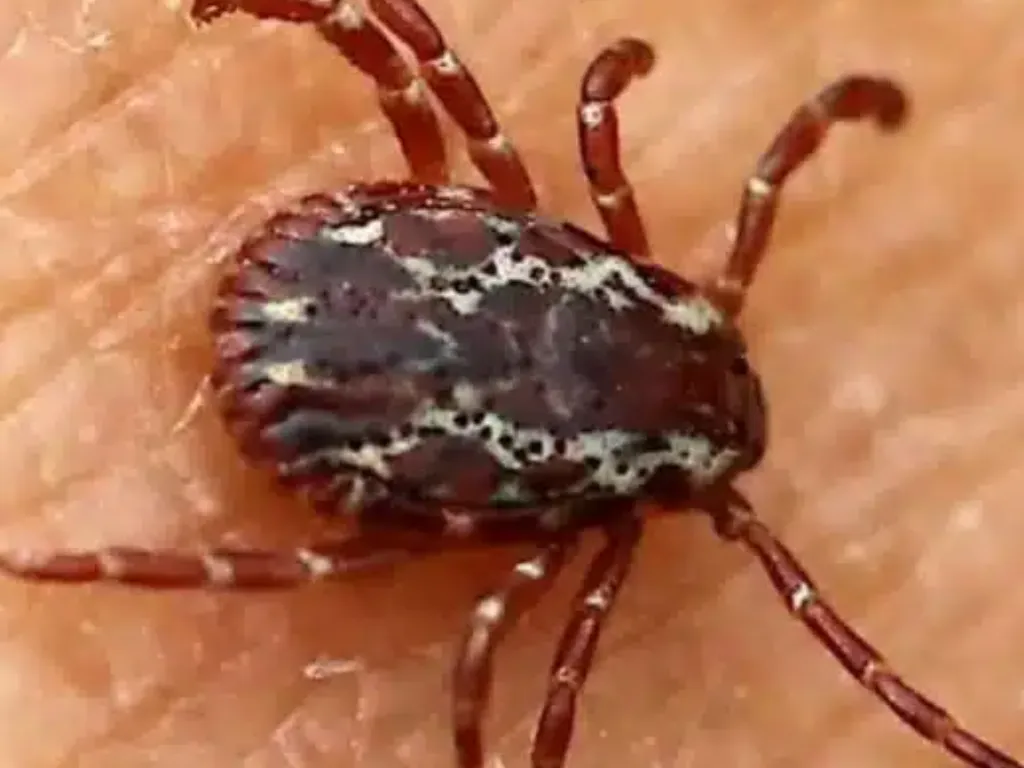
This virus is primarily transmitted by the tick species Hyalomma marginatum, whose presence continues to expand throughout Europe, especially in Mediterranean regions.
Reasons Behind This Expansion
Climate change, which by raising temperatures, enhances the survival and reproduction rates of these ticks.
Alterations in ecosystems where migratory wildlife contributes to the spread of these parasites to new areas.
What Risks Does This Pose to the Population?

Crimean-Congo hemorrhagic fever manifests through:
A sudden and high fever
Internal and external bleeding
A mortality rate that can reach up to 40% in severe cases
Currently, no specific treatment exists, which highlights the urgent need to implement strict preventive measures.
Protecting Yourself Against Virus-Carrying Ticks
Avoid risky areas: tall grasses, forests, and pastures are particularly infested.
Wear long, light-colored clothing to more easily spot ticks.
Apply appropriate insect repellent before any excursion into natural environments.
Carefully inspect your skin after every outdoor activity and promptly remove any ticks found.
In case of a suspicious bite, it is crucial to seek medical attention immediately.
A Crucial Warning for Public Health
The presence of the CCHF virus in France triggers a significant alert for health authorities and the general public.
In response to global warming and the transformation of natural habitats, it becomes essential to strengthen epidemiological surveillance and educate the public on preventive practices.
This situation may well mark the beginning of a new era in epidemiology, in which diseases once confined to distant regions become local threats that must be taken seriously.
