
What Really Happens During Banana Ripening
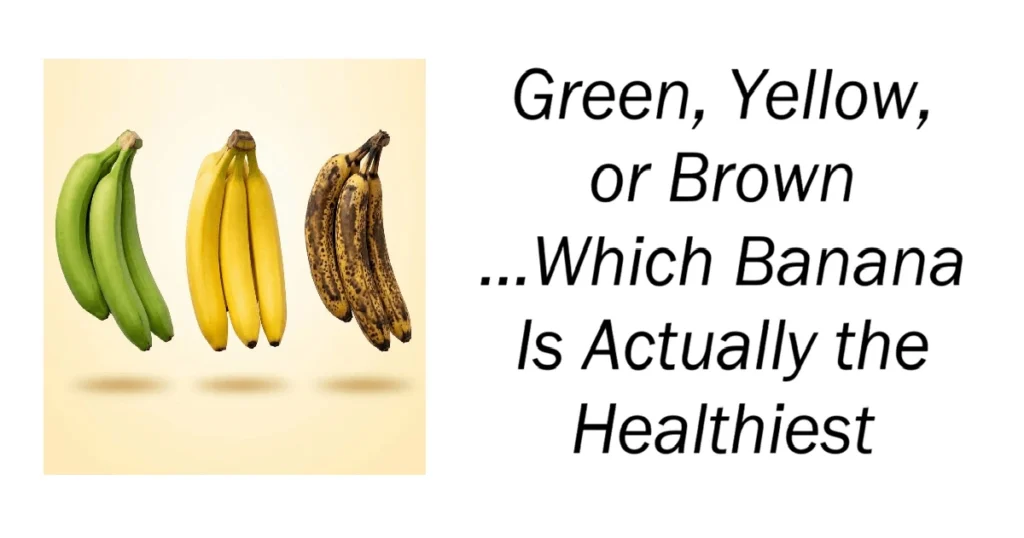
The secret lies in the chemical transformations that unfold progressively as the banana ripens. During this process, the banana’s resistant starch gradually converts into simple sugars such as glucose, fructose, and sucrose. This transformation affects the texture, making it softer and more tender, while the flavor becomes sweeter and more appealing. Additionally, the way our bodies process the banana changes dramatically at each stage of ripeness. As a result, there are three distinct phases of maturity, each offering a unique nutritional profile.
The Green Banana: A Digestive and Satiety Advantage
Less visually appealing, with its firm peel and slightly bitter taste, the green banana is nonetheless an excellent ally. It contains a high amount of resistant starch, a type of fiber that passes undigested through the small intestine and nourishes the beneficial bacteria in the colon. Essentially, this means it prolongs feelings of fullness, supports the balance of gut flora, and results in a slower, steadier rise in blood sugar levels. It is an ideal choice for those who want to control their blood sugar or stay satiated until the next meal without snacking.
The Yellow Banana: The Perfect Daily Balance
Visually attractive, aromatic, and full of sweetness, the yellow banana reigns as the undisputed star in kitchens. At this stage, the starch has already begun converting into sugars, providing quickly accessible energy while still retaining fibers and essential minerals like potassium. Easy to digest, it suits nearly everyone and is versatile for many occasions—from a morning smoothie to a pre-workout snack. Practical, nourishing, and delicious, it remains a favored choice for everyday consumption.
The Spotted Banana: A Concentrated Source of Antioxidants
Before discarding a banana covered in brown spots, take a moment to consider its benefits. The very ripe banana is indeed richest in antioxidants, including catechins and plant-based dopamine, which help protect the body against oxidative stress. It is also easier on the digestive system and offers increased levels of vitamins C and B6. Its melt-in-the-mouth texture makes it perfect as a base for smoothies, pancakes, or homemade cakes. Athletes seeking quick energy and individuals with sensitive stomachs especially appreciate it.
How to Choose Your Banana According to Your Needs
There is no “best” or “worse” banana, only the one that matches your current goals. If you are monitoring your blood sugar, favor the green banana. For a balanced, easily digestible energy boost, opt for the yellow banana. Finally, if you want to strengthen your natural defenses while aiding digestion, the spotted banana is the one for you.
So the next time a brown banana is left on your countertop, think twice before tossing it—it might just be at the peak of its benefits.
