

The Persimmon, an Often Overlooked Autumn Fruit

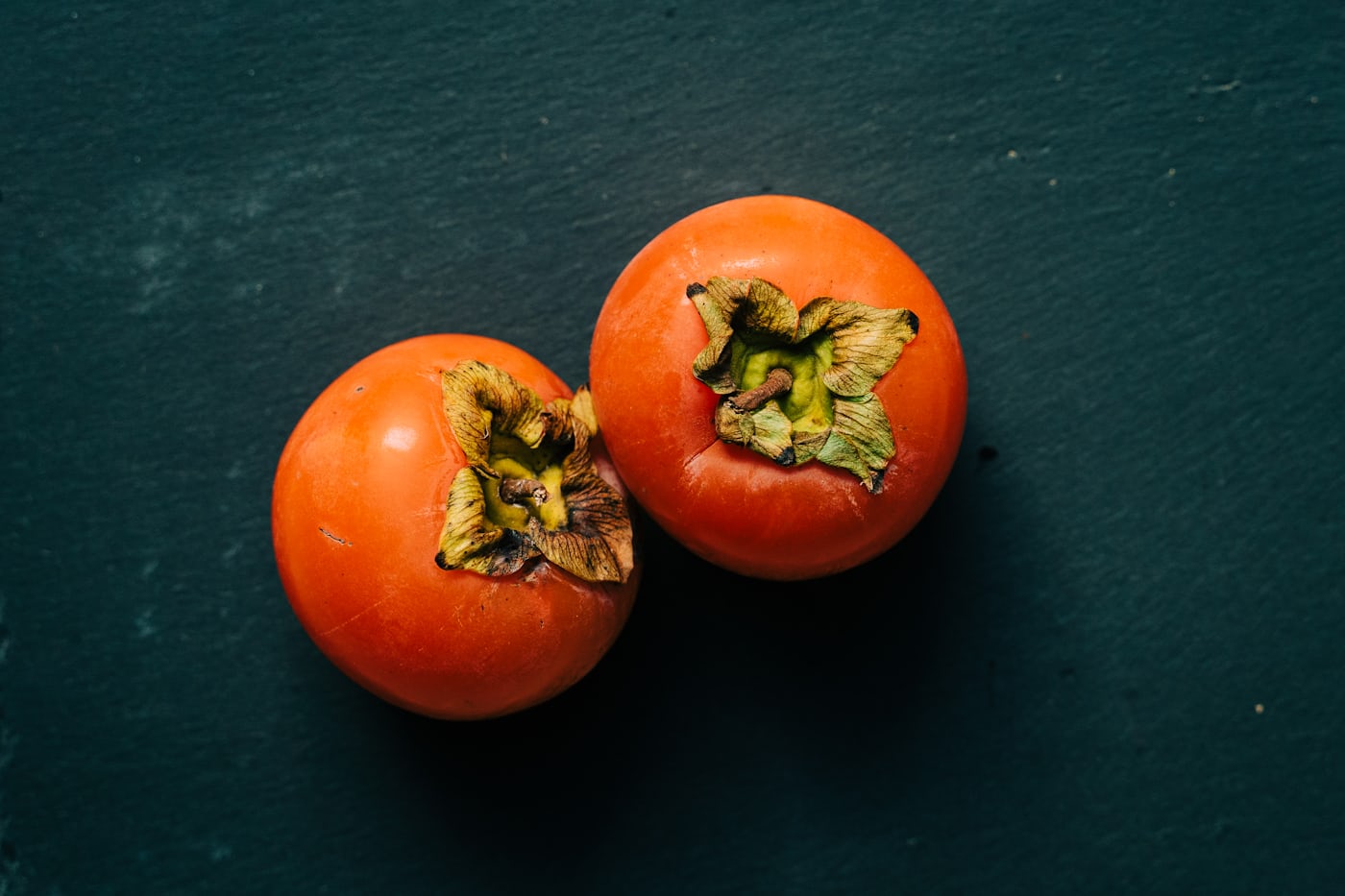
The persimmon stands out with its vibrant orange skin and makes its appearance on market stalls in the fall, extending through to early winter. It arrives at the perfect time, when our bodies crave an extra boost of essential nutrients. Its tender, sweet flesh evokes the natural sweetness of honey, offering a delightful treat to savor fully and without any guilt.
Yet beyond its flavor, this fruit is a genuine powerhouse of nutritional benefits. Rich in vitamins, antioxidants, and minerals, the persimmon transcends its colorful appearance to become an indispensable health ally during this time of year.
The Persimmon: A Natural Protector for Your Eyes

In an era where our eyes are constantly strained by screens and assaulted by blue light and pollution, a tailored diet can play a crucial role in preserving eyesight. The persimmon possesses exceptional qualities in this regard.
It notably contains vitamin A and beta-carotene, two nutrients essential for proper vision function, especially in low-light conditions. Alongside their visual benefits, these compounds serve as powerful antioxidants, shielding the eyes from oxidative stress accumulated day after day.
Moreover, this fruit holds lutein and zeaxanthin, two carotenoids naturally present in the retina. These substances filter out certain harmful types of light, thereby contributing to the long-term preservation of visual health. In summary, enjoying a persimmon is also a natural way to care for your eyesight.
A Sweet Fruit Beneficial for Blood Pressure
The persimmon’s benefits extend beyond eye health; it is also valuable for the cardiovascular system. It is particularly rich in potassium, a fundamental mineral for regulating the balance between sodium and water in the body. An adequate amount of potassium supports better blood vessel function and helps maintain stable blood pressure.
Additionally, it provides a good dose of dietary fiber, which aids in balancing cholesterol levels. Its antioxidant content complements these effects by helping to reduce chronic inflammation. This little seasonal fruit brings an impressive range of advantages for heart health.
How to Enjoy Persimmons to Fully Benefit from Their Properties
To make the most of all its virtues, here are some guidelines to follow:
Allow it to fully ripen. Some varieties of persimmons are astringent and should be completely soft before eating. Others, firmer in texture, can be eaten crunchy like an apple. Don’t hesitate to ask your greengrocer for advice to choose the variety best suited to your taste.
Prefer eating persimmon fresh. Consumed raw, it retains all its nutritional qualities perfectly. Just a slice included in your breakfast is enough to feel its benefits.
Pair it with healthy fats. The beta-carotene in persimmons is better absorbed when consumed with lipids. Therefore, add some nuts or a bit of avocado to maximize absorption. For example, a quick salad made with persimmon, spinach, walnuts, avocado, lemon, and olive oil offers a true concentration of flavors and health benefits.
Avoid adding sugar. This fruit is naturally sweet, so it is unnecessary to enhance its original flavor with extra sweetness.
Next time you see a persimmon at your local market, you will have every reason to welcome it into your meals—for both the pleasure it brings and its many health benefits.
