
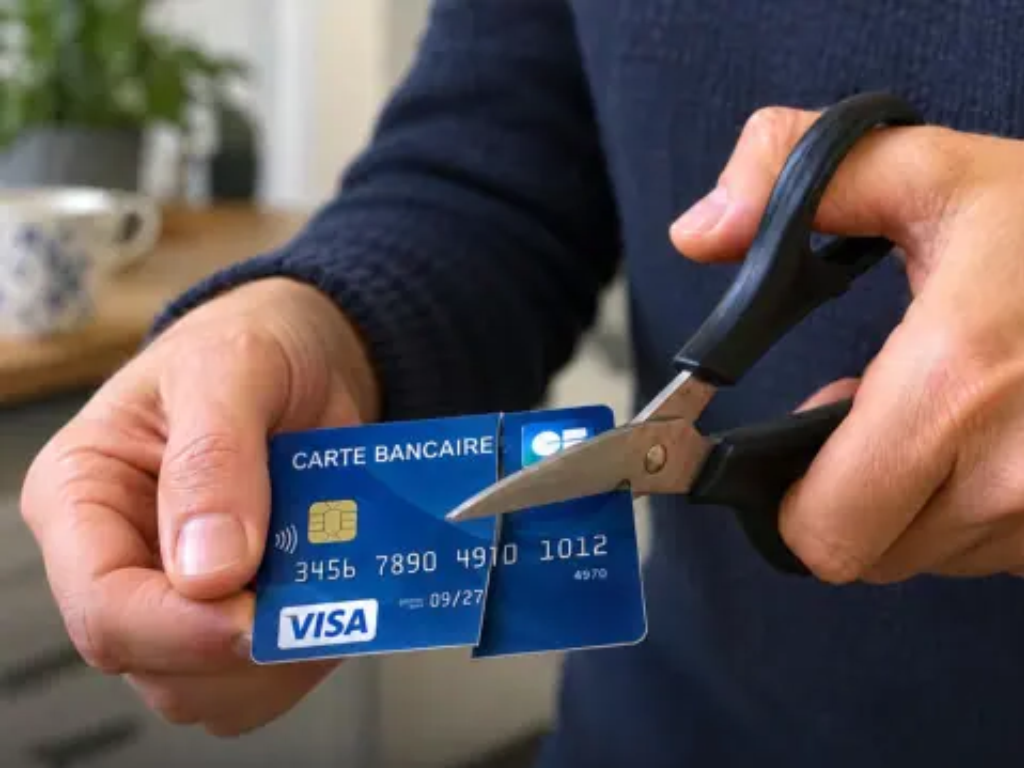
Your Expired Bank Card: Far More Valuable Than You Might Think
It’s tempting to believe that a bank card becomes useless once it passes its expiration date. However, the reality is quite different. Since the advent of contactless payment, every card contains a thin copper antenna running around the plastic, connected to an advanced electronic chip.
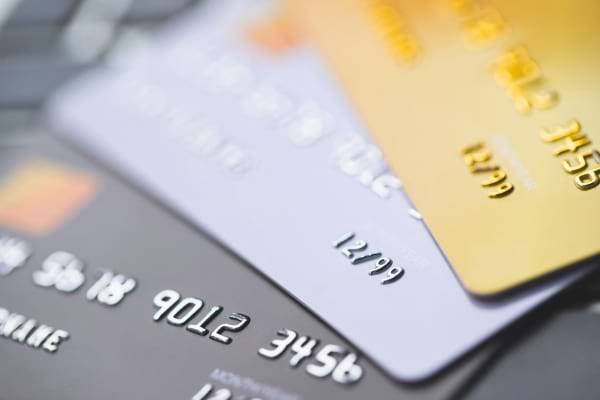
Consequently, your card is classified as Waste Electrical and Electronic Equipment (WEEE), similar to old mobile phones. Inside this tiny chip are precious metals such as gold, silver, nickel, and palladium. Although only a few milligrams per card, when multiplied by the millions of cards renewed each year in France, this adds up to a significant amount of rare resources.
When you cut up your card, you disrupt the recycling plants’ process. Automated sorting machines can no longer properly separate copper, the chip, and plastic when the card is shredded into small pieces. These precious metals then end up incinerated, resulting in tremendous waste.
Scissors Soon Useless for Protecting Your Data
The main reason we cut up expired cards is the fear that a thief might rummage through our trash to exploit our banking information. This concern was valid twenty years ago, but today it is largely outdated.

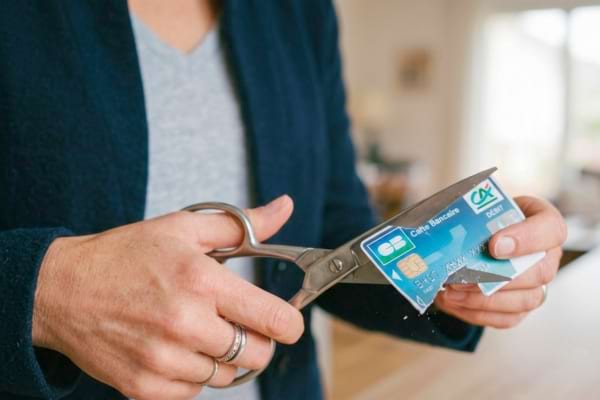
As soon as you activate a new card or your old one expires, your bank permanently deactivates it in their systems. Moreover, the European PSD2 directive now requires strong two-factor authentication for online purchases. In other words, even if someone retrieved your entire card from a trash bin, they couldn’t spend anything without confirming the transaction using your personal smartphone. Therefore, cutting up your card no longer truly protects you today.
Special Attention Required for New Generation Cards
While most cards remain traditional, some recent models require particular caution: dynamic CVV cards or biometric cards. Since 2016, certain banks have offered cards equipped with a small screen that changes the security code every hour or with a fingerprint sensor.
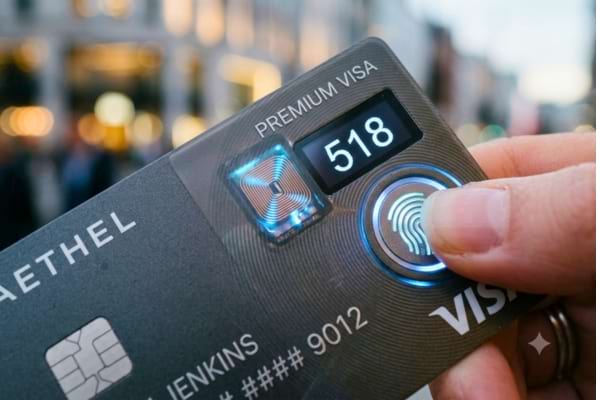
These cards operate thanks to an integrated lithium micro-battery. Cutting them not only risks damaging the electronics but can also cause a short circuit releasing hydrogen fluoride, a highly irritating gas. Although this type of card is gradually being phased out, their existence serves as an important reminder: you should never destroy electronic equipment at home.
The Responsible Action To Take Starting Today
The process is simple and quick. Do not bend or cut your expired card. Instead, bring it intact to your bank branch or send it back by mail. It will then be processed through a specific recycling channel, allowing the recovery of precious metals and their reuse.
Respecting the environment sometimes begins with a seemingly trivial decision, such as putting away your scissors.
