
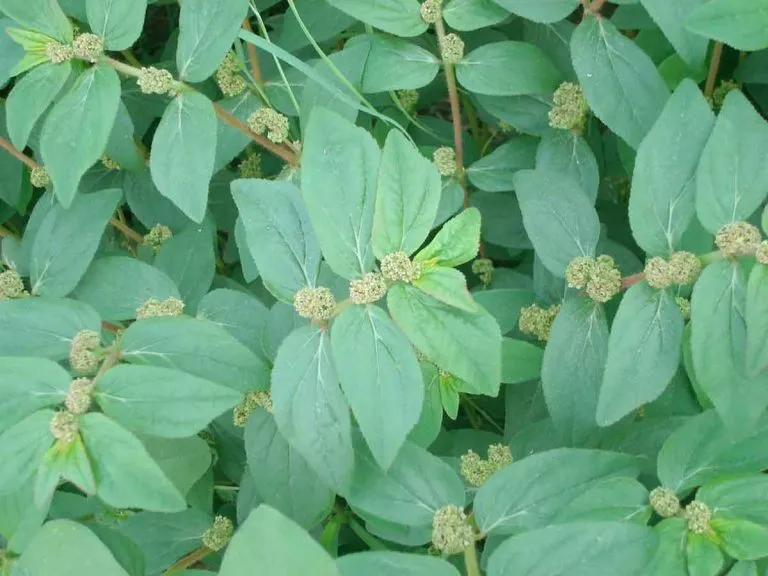
Euphorbia hirta, often referred to as the “Asthma-plant,” is a medicinal herb celebrated in traditional medicine for its wide-ranging health benefits, especially in treating respiratory conditions such as asthma. This modest, green, bushy plant is commonly found in tropical environments and frequently overlooked as a mere weed. Nevertheless, its extensive application in ethnobotanical traditions throughout Asia, Africa, and Latin America highlights its significant therapeutic value. This article explores the traditional uses, vast applications, and health benefits of Euphorbia hirta, emphasizing its role as a natural remedy passed down through generations.
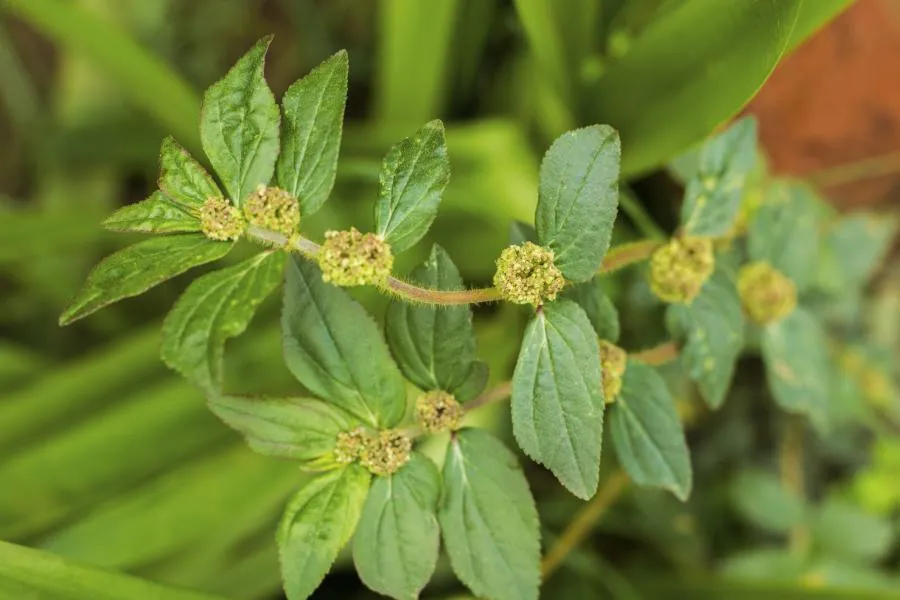
Overview and Botanical Characteristics of Euphorbia Hirta
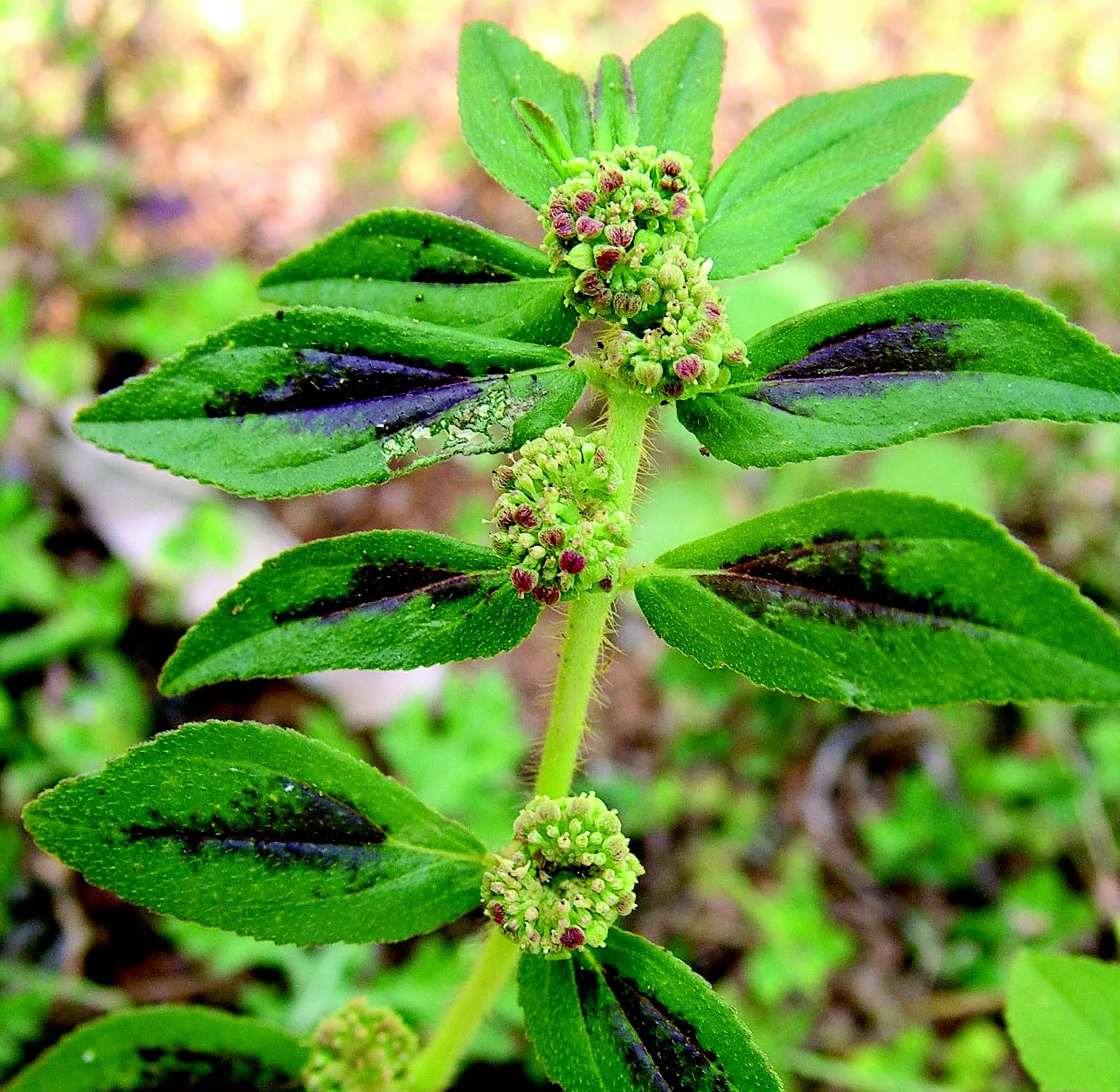
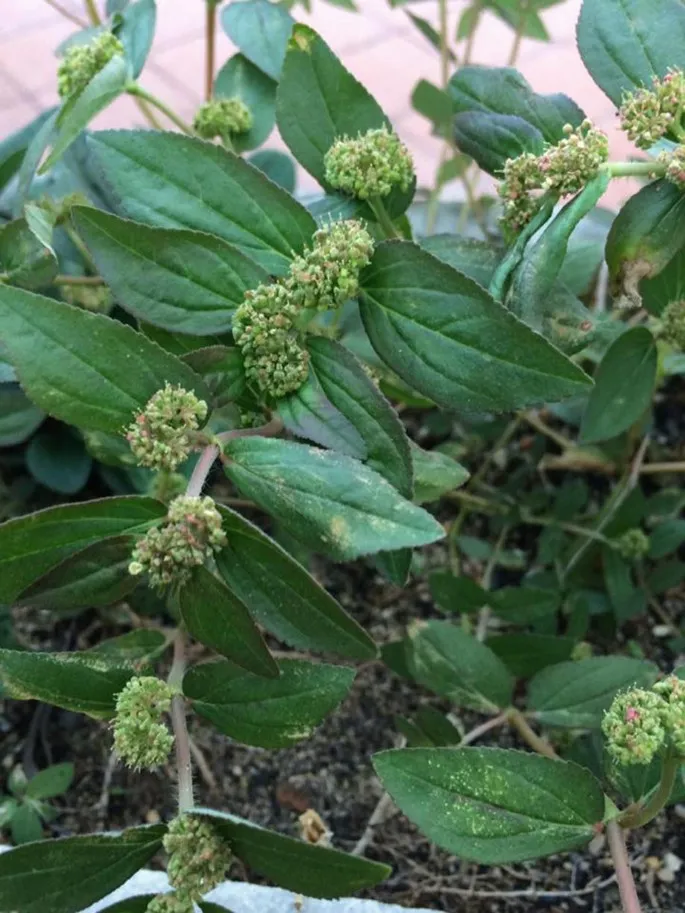
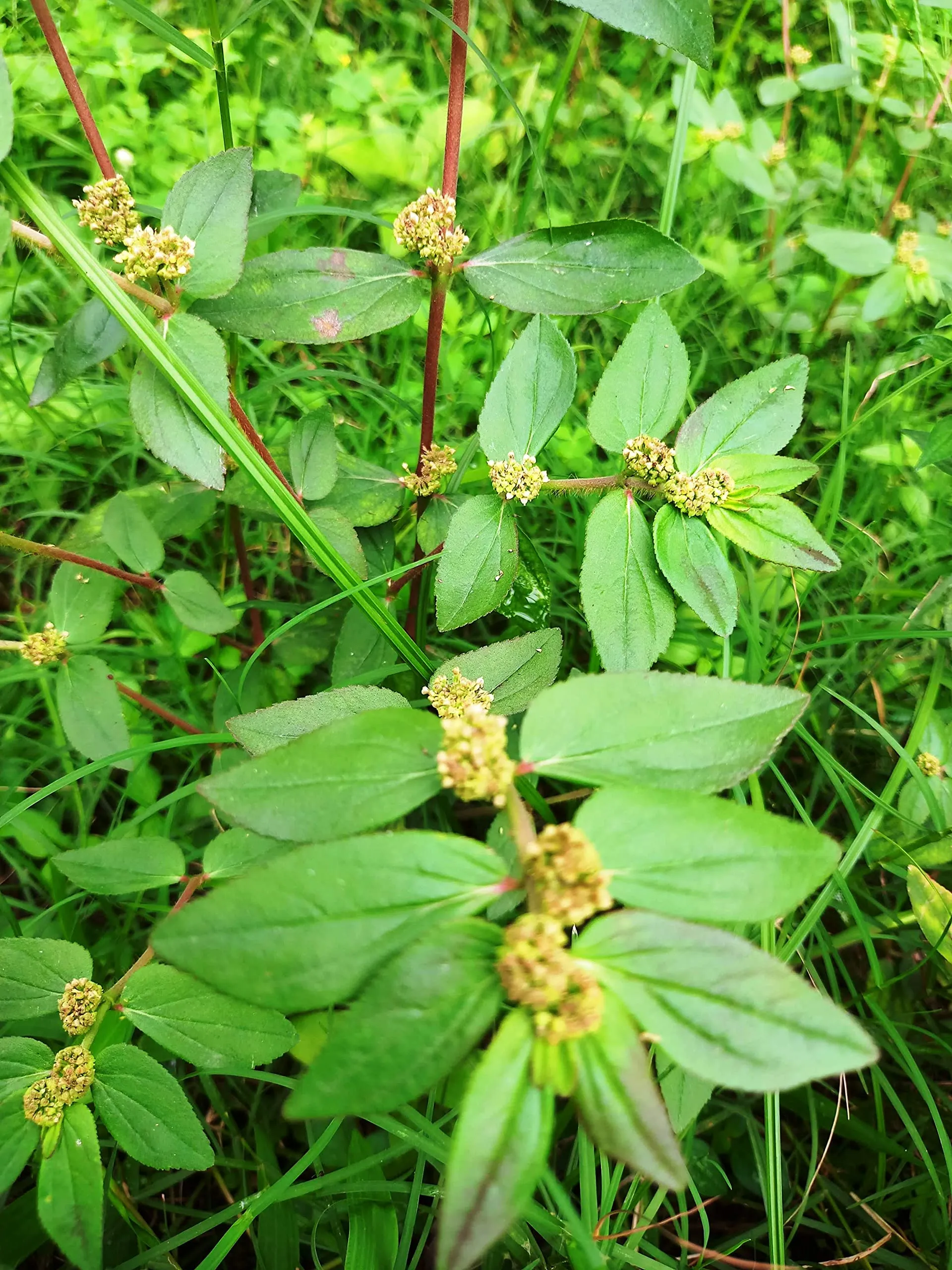
Euphorbia hirta is a member of the Euphorbiaceae family and thrives predominantly in warm, tropical climates. This perennial, short-statured plant grows close to the soil surface and is identifiable by its hairy stems, oval-shaped leaves exhibiting a reddish hue, and tiny clustered flowers. Originally native to tropical and subtropical zones, the plant has now spread globally, often growing along roadsides, in gardens, and on disturbed soil.
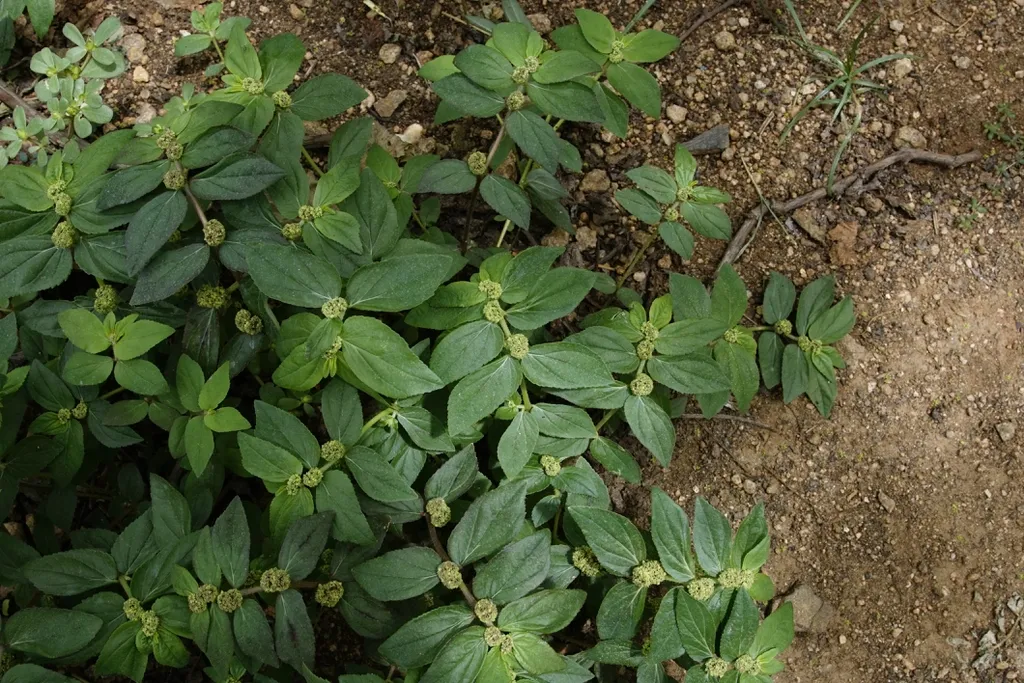
The medicinal use of Euphorbia hirta dates back centuries, with historical documentation from various continents attesting to its therapeutic applications. Known primarily for its anti-inflammatory, antispasmodic, and bronchodilator properties, Euphorbia hirta is particularly distinguished for its effectiveness in treating respiratory disorders such as asthma, bronchitis, and other pulmonary conditions.

Traditional Uses of Euphorbia Hirta
1. Asthma and Respiratory Disorders
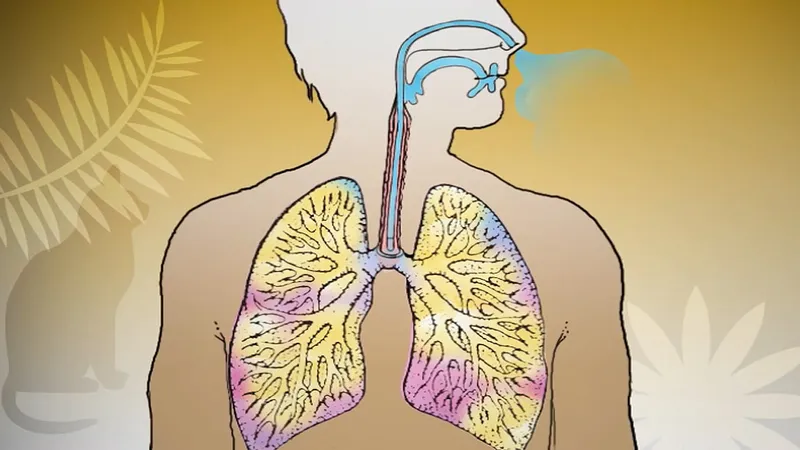
Among the most prominent traditional applications of Euphorbia hirta is the treatment of asthma, earning it the common name “Asthma-plant.” Herbal practitioners have traditionally utilized the leaves and stems of the plant to formulate remedies targeting respiratory problems, as it is known to alleviate symptoms including wheezing, persistent coughing, and difficulty breathing. The plant contains bioactive compounds with bronchodilator effects, which relax the bronchial tubes and promote easier airflow into the lungs. Additionally, Euphorbia hirta’s anti-inflammatory properties help diminish inflammation and congestion in the airways, making it a valuable natural treatment for asthma and other respiratory issues.
2. Antibacterial and Antiviral Properties
Long esteemed in traditional medicine, Euphorbia hirta exhibits noteworthy antibacterial and antiviral properties. Its extracts have been applied to combat infections and bolster the immune system. In rural communities, it is frequently employed to treat respiratory infections, skin conditions, and even minor wounds. Scientific studies confirm the antimicrobial activity of Euphorbia hirta, demonstrating that its extracts successfully inhibit the growth of various bacterial strains, providing a natural approach for infection control.
3. Diarrhea and Digestive Health
Traditionally, Euphorbia hirta has been widely used to manage digestive ailments such as diarrhea and dysentery. The plant’s antispasmodic and anti-inflammatory effects reduce gastrointestinal inflammation and spasms, easing the discomfort and cramping associated with diarrhea. In some regions, tea brewed from Euphorbia hirta is consumed as a remedy for stomach pain, as well as a natural purgative to cleanse and support digestive tract health.
4. Pain Relief and Anti-Inflammatory Uses
Traditional healers have also employed Euphorbia hirta for its pain-relieving (analgesic) and anti-inflammatory benefits. It is used to alleviate pain and reduce inflammation in a variety of conditions. Applied externally as a poultice or consumed as a decoction, it relieves pain related to arthritis, joint discomfort, headaches, and other ailments. The plant’s anti-inflammatory effects extend to reducing swelling and redness in skin conditions, offering a natural treatment option for minor injuries and related complaints.
5. Menstrual Health
Euphorbia hirta holds a respected position in traditional medicine concerning women’s health, particularly for regulating menstrual cycles and easing menstrual discomfort. Its antispasmodic properties help relieve cramps, while the plant’s mild estrogen-like effects can assist in hormonal balance. In some cultures, women drink Euphorbia hirta tea to manage menstrual pain, control heavy bleeding, and alleviate symptoms associated with menopause.
6. Urinary Tract Health
For centuries, Euphorbia hirta has been used to treat urinary tract infections (UTIs) and other urinary system disorders. The herb’s diuretic qualities help flush out toxins and reduce bacterial accumulation in the urinary tract. Traditional preparations of Euphorbia hirta infusions are utilized to relieve symptoms and promote the health of the urinary system.
Active Compounds and Pharmacological Properties
The medicinal efficacy of Euphorbia hirta is attributed to its diverse array of bioactive constituents, including alkaloids, flavonoids, phenols, and tannins. These chemical compounds collectively impart the plant’s notable pharmacological actions, such as:
Antioxidant: The flavonoids and phenolic compounds contribute to Euphorbia hirta’s antioxidant capacity, which neutralizes harmful free radicals within the body and reduces oxidative stress.
Anti-inflammatory: Tannins are primarily responsible for the plant’s anti-inflammatory effects, helping to decrease inflammation and swelling, making Euphorbia hirta beneficial for both internal use and topical applications.
Bronchodilator: The alkaloid components exert bronchodilatory effects, relaxing bronchial muscles and facilitating breathing ease, particularly beneficial during asthma episodes.
Common Preparations and Applications of Euphorbia Hirta
1. Infusions and Teas
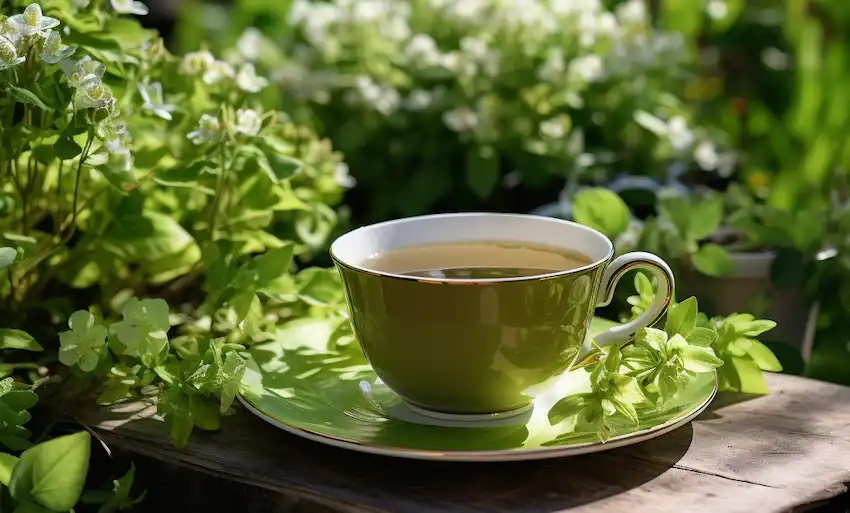
One of the most widespread methods of consuming Euphorbia hirta is through infusions or teas. Fresh or dried parts of the plant, mainly leaves and stems, are boiled in water and then strained to produce a herbal tea. Traditionally, this tea is consumed to alleviate symptoms associated with asthma, coughs, digestive distress, and menstrual pain. Due to the plant’s strong bioactive properties, it is advised to consume the tea in moderation to prevent possible adverse effects.
2. Poultices and Topical Applications
Euphorbia hirta is also applied externally as a poultice for its pain-relieving and antimicrobial effects. Fresh leaves are crushed or ground into a paste and applied directly onto affected areas. This topical usage is especially effective in treating wounds, minor skin infections, and swelling, leveraging the plant’s antibacterial and anti-inflammatory attributes.
3. Extracts and Tinctures
Traditional herbalists prepare Euphorbia hirta as concentrated extracts or tinctures, which capture the essential active compounds in potent forms. These preparations are utilized in small dosages to address a variety of health concerns, including respiratory problems, digestive ailments, and immune system support.
4. Capsules and Powders
For those seeking standardized dosing and convenient consumption, Euphorbia hirta is available in capsule and powdered forms in certain herbal supplement markets. These options provide an easy way to benefit from the plant’s properties without the need for fresh or dried herb preparations.
Safety Considerations and Precautions
Although Euphorbia hirta is generally regarded as safe when used traditionally in moderate amounts, caution is warranted due to its potent bioactive nature. Important considerations include:
Pregnancy and Breastfeeding: The use of Euphorbia hirta is not advised for pregnant or breastfeeding women, as its safety in these conditions has not been comprehensively studied.
Allergic Reactions: Some individuals may experience skin irritation or allergic responses after handling or consuming Euphorbia hirta. It is recommended to perform a patch test before applying it topically.
Dosage: Excessive consumption can lead to unwanted side effects, especially in people sensitive to plants from the Euphorbiaceae family. Consulting a qualified herbalist or healthcare provider is essential before incorporating Euphorbia hirta into your health regimen.
Conclusion
Euphorbia hirta, popularly known as the “Asthma-plant,” commands respect in traditional herbal medicine, offering a wide array of health benefits, including respiratory relief, digestive support, pain management, and more. Its diverse applications—from soothing infusions to healing poultices—testify to the plant’s versatility and therapeutic potential. Nonetheless, like many medicinal herbs, Euphorbia hirta should be employed thoughtfully and carefully. As interest in herbal remedies continues to grow, Euphorbia hirta remains a compelling bridge connecting ancient healing wisdom with modern wellness exploration.
