
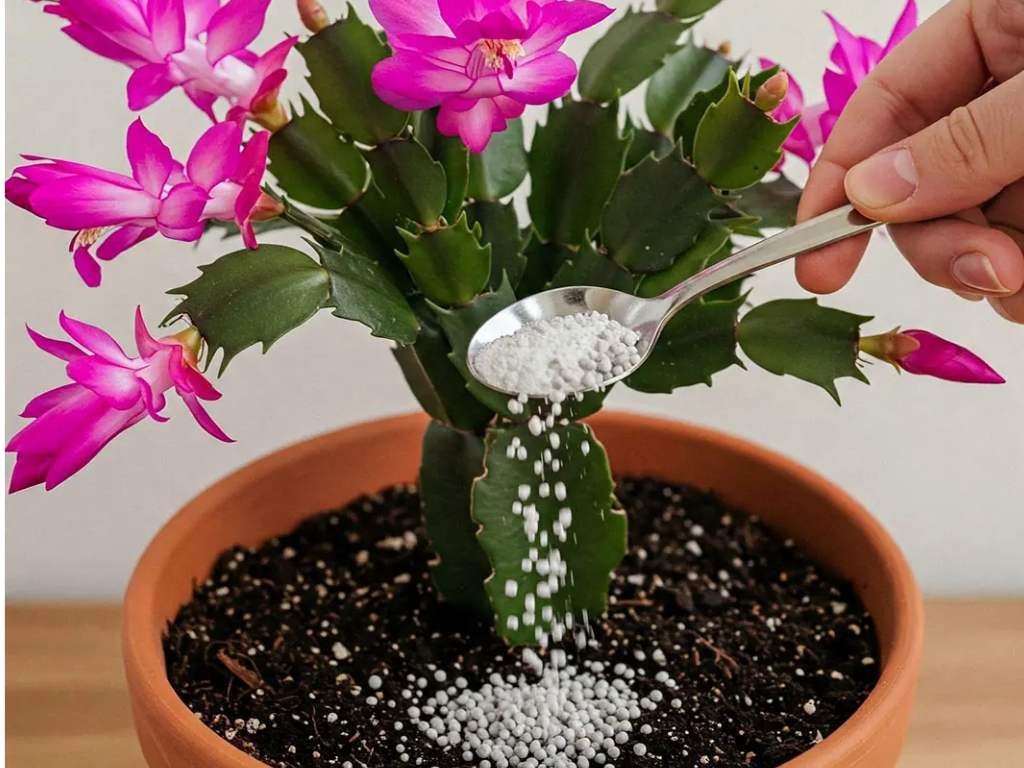
What Is Epsom Salt?
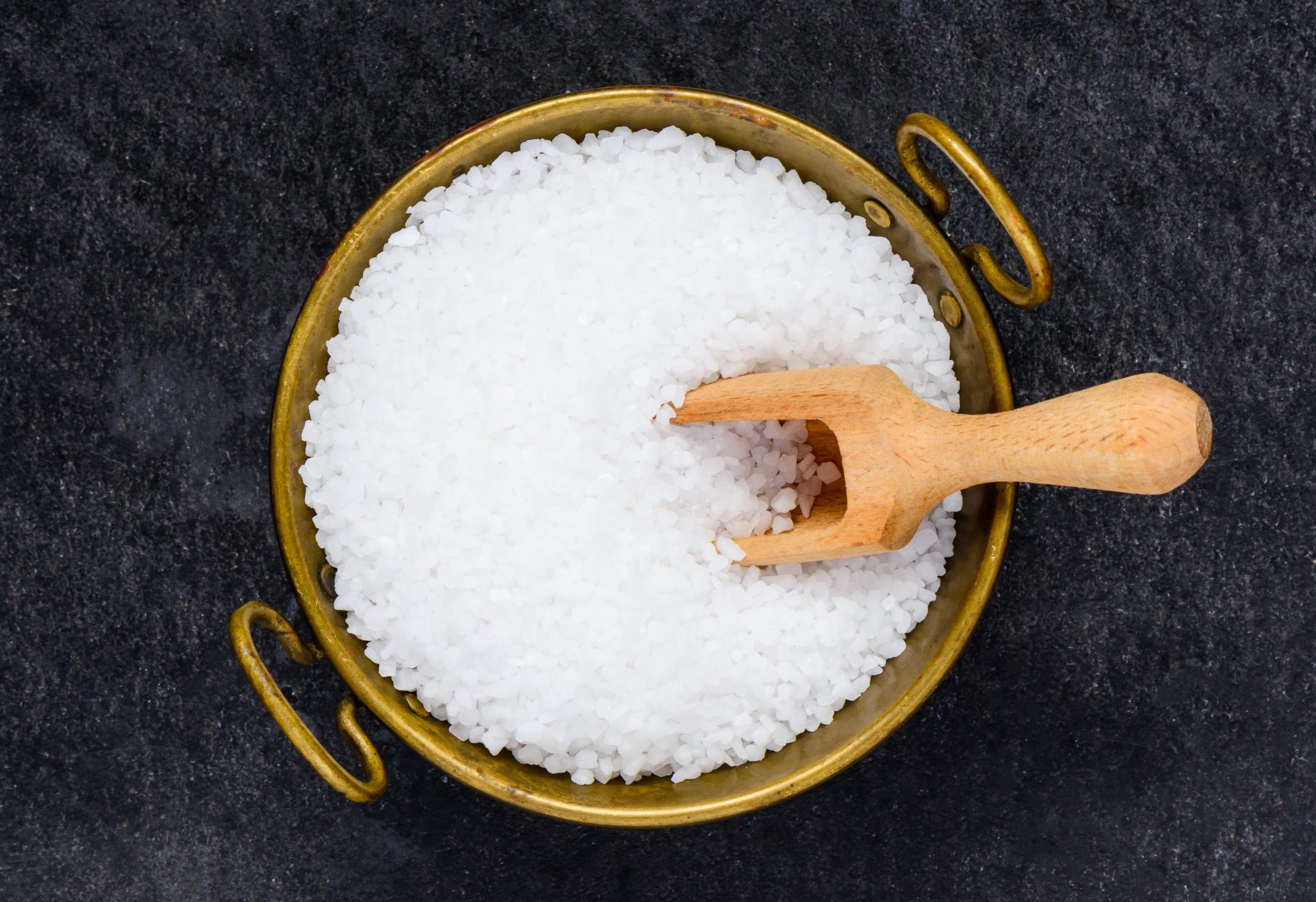
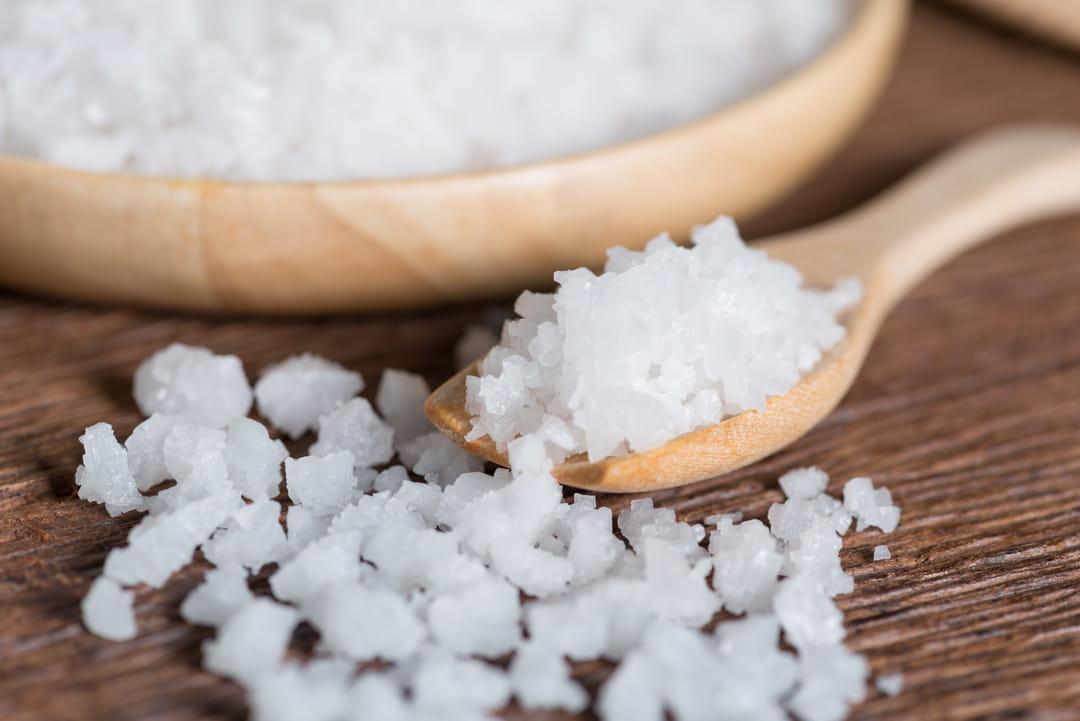
Epsom salt is actually magnesium sulfate, a natural compound first discovered in the English town of Epsom. It appears as fine white crystals and is primarily known for its wellness benefits, but it also holds amazing advantages for gardening.
The magnesium contained in this salt promotes the synthesis of chlorophyll, a key component in plant photosynthesis. Sulfur, on the other hand, plays a vital role in the production of vitamins and enzymes, helping to strengthen the vitality and health of plants. As a result, your plants become more vigorous, their foliage turns greener, and your harvests become tastier.
Why Is Epsom Salt a Valuable Ally for Your Garden?
It Enhances the Absorption of Essential Nutrients
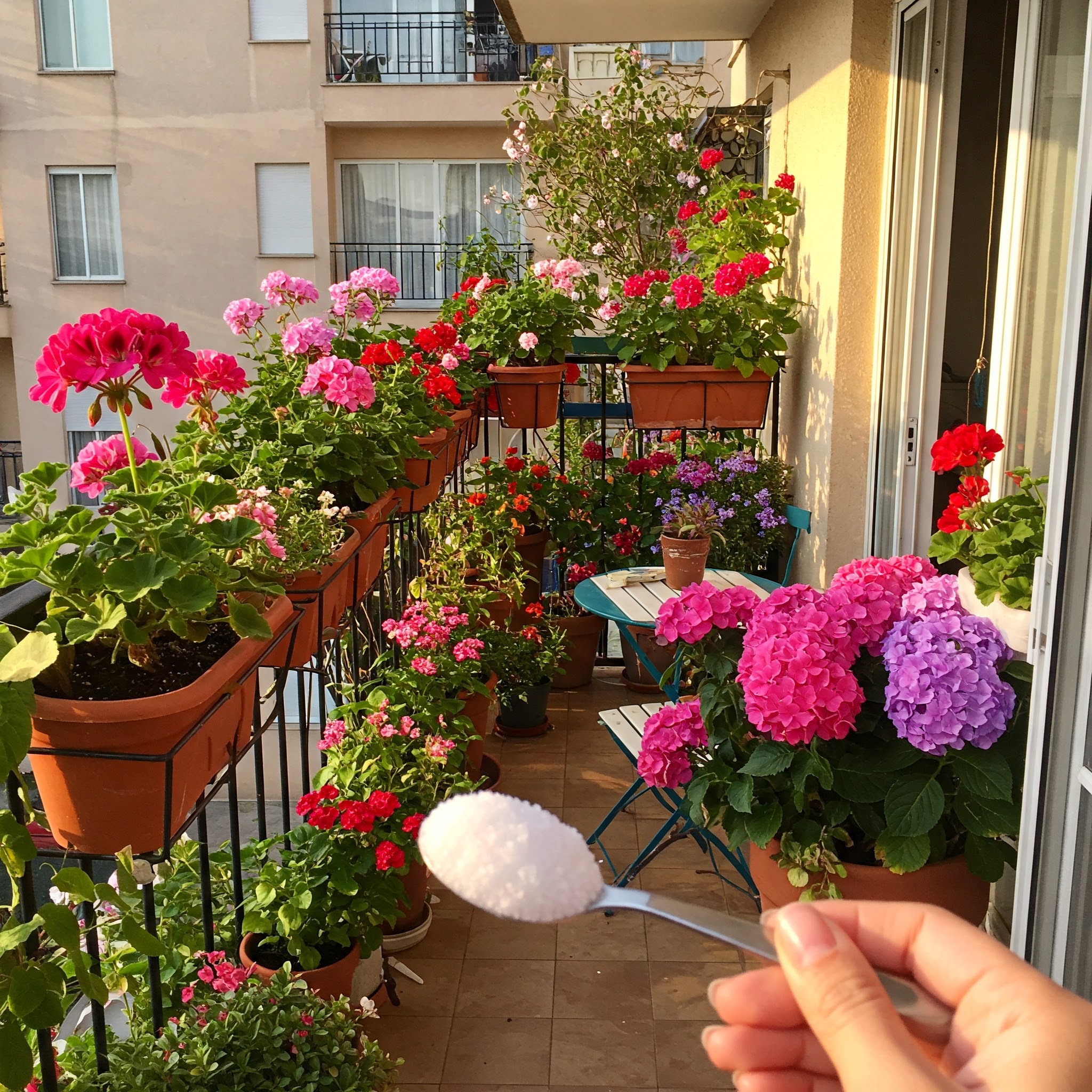
Plants require fundamental nutrients like nitrogen, phosphorus, and potassium to grow and flourish. Epsom salt aids in their absorption through the roots, optimizing growth.
Practical Tip: Before planting, sprinkle about 100 grams of Epsom salt per 10 square meters of soil and mix it thoroughly into the ground.
It Strengthens Roots
Thanks to the magnesium supply, roots become stronger and better able to withstand the shocks of repotting or environmental stress.
Practical Tip: Once a month, dissolve a tablespoon of Epsom salt in 4 liters of water and water your plants during their growth period.
It Promotes Germination and Encourages Flowering
For seeds that sprout quickly and flowers that are bright and vibrant, Epsom salt proves very effective.
Practical Tip: Place a teaspoon of Epsom salt at the bottom of the hole before sowing. You can also spray a light solution directly onto the leaves to stimulate flowering.
It Acts as a Natural Repellent Against Certain Pests
Instead of using chemicals, Epsom salt serves as a natural barrier to keep some pests away from your vegetable garden.
Practical Tip: Sprinkle a little salt around vulnerable plants or spray a diluted solution on the foliage to protect them.
It Enhances the Flavor of Fruits and Vegetables
Tomatoes, peppers, and fruit trees particularly benefit from its use: the fruits become more flavorful, colorful, and juicy.
Practical Tip: During the growing season, water your plants every two weeks with a solution of water and Epsom salt.
How to Adjust Its Use According to Plant Types
Ornamental Flowers: Sprinkle a teaspoon of Epsom salt at the base of each plant and then water. Repeat every 4 to 6 weeks.
Tomatoes and Peppers: Dissolve a tablespoon in 4 liters of water and water every two weeks.
Fruit Trees: Water the roots with the same solution once a month.
Potted Plants: Mix half a teaspoon into 2 liters of water and water approximately every 21 days.
Expert Tips to Get the Most Out of Epsom Salt
Do not overload your plants: excessive Epsom salt can disrupt the soil’s balance.
Combine it with other natural fertilizers, such as compost or organic manures, for an optimal synergistic effect.
Regularly observe your plants: well-green foliage and vibrant flowers indicate that the dosage is just right.
A Simple Gesture for a Radiant Garden
Epsom salt is easy to use, beneficial for your plants, and environmentally friendly. It is a well-kept secret among passionate gardeners—a true natural partner for a flourishing garden.
