
Why It Often Seems Difficult to Propagate Roses
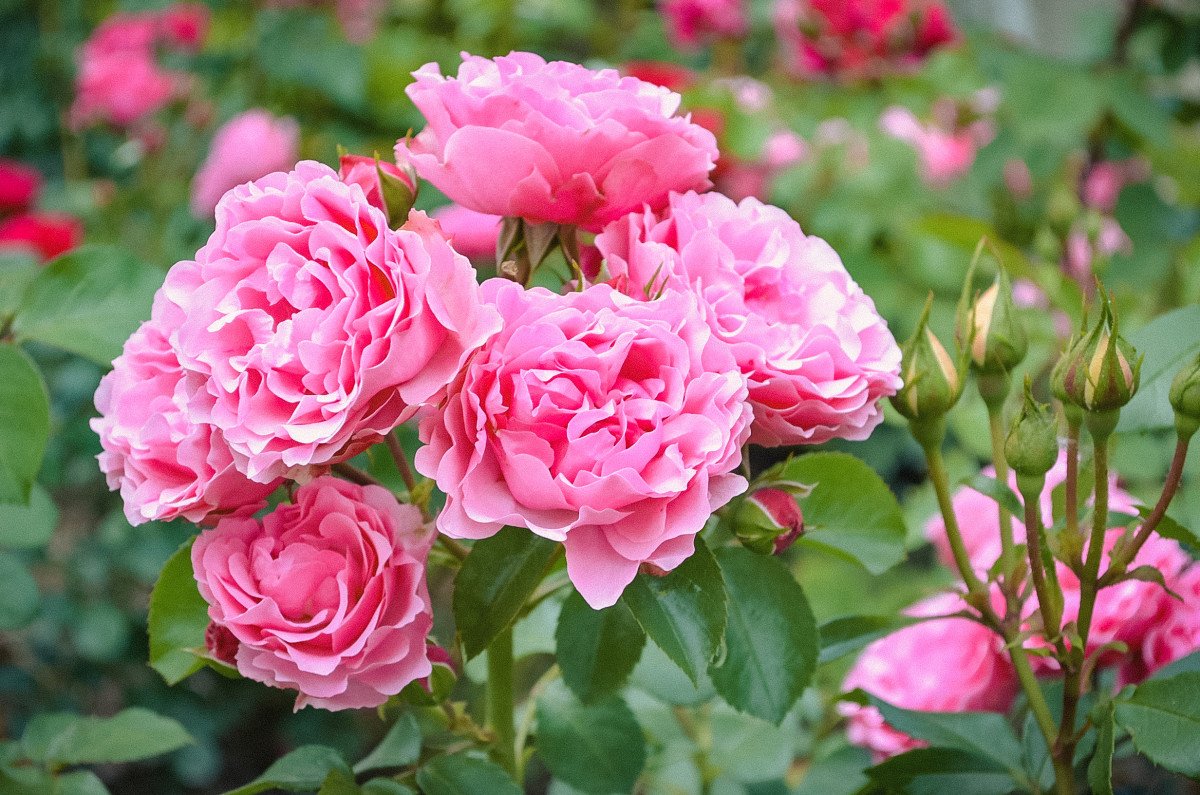
Many people hesitate to try propagating roses for fear of failure. Dry cuttings, stems turning black, lack of roots—these disappointments are common, especially for beginner gardeners or those growing roses in pots. Most often, people simply admire their roses without daring to try their hand at propagation.
However, nature often provides simple and effective solutions. Sometimes, all it takes is a small, well-thought-out encouragement to assist the plant in a process it already naturally masters.
The Natural Ingredient That Revolutionizes Propagation
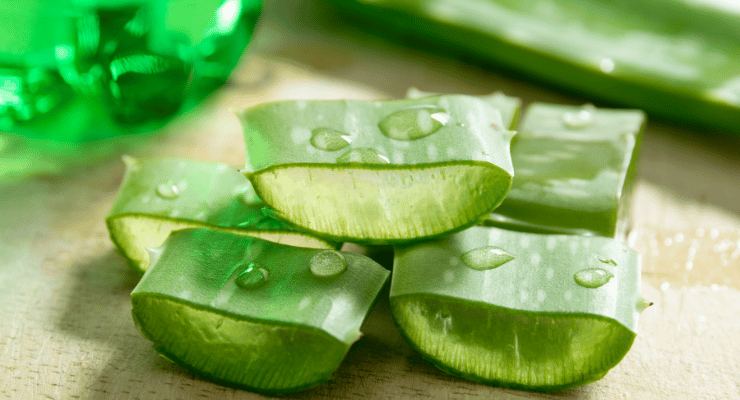
The secret to this method lies in an ingredient many already have at home: aloe vera. Renowned for its numerous benefits, this plant contains a gel that is rich and nourishing, creating an ideal environment to support young stems in their rooting process.

This method is not about forcing growth but rather about providing a gentle, stable, and favorable environment for root development. It is precisely this respectful approach that appeals greatly to those who have adopted it.
How to Easily Make Your Own Rose Cuttings

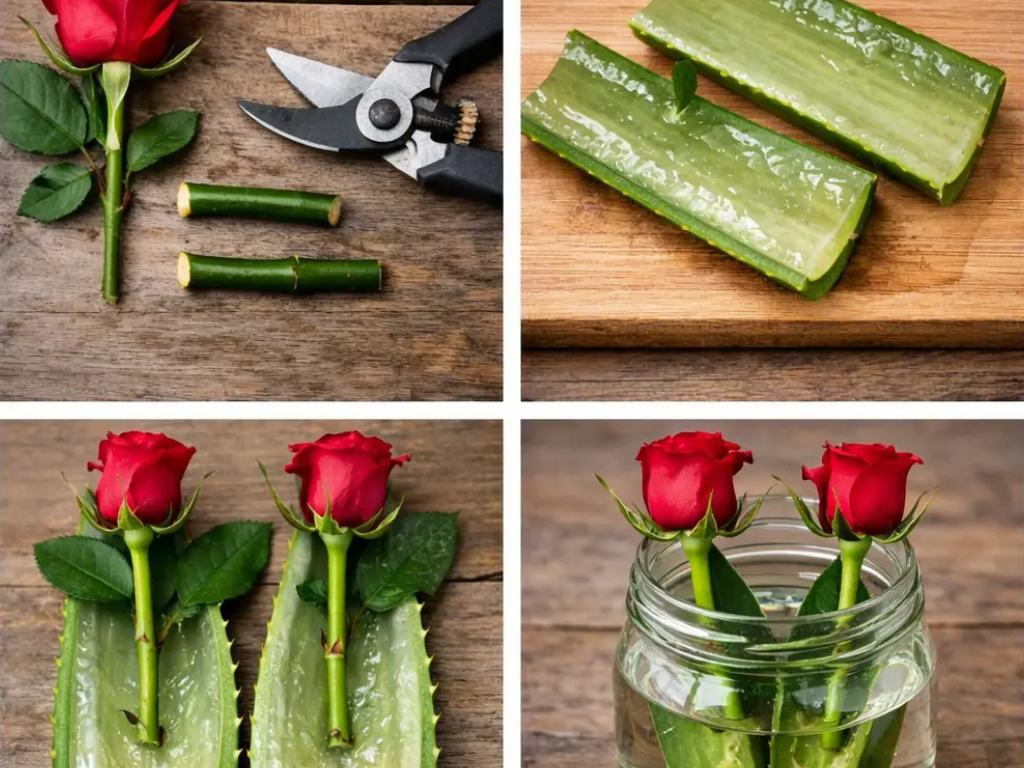
First, choose a healthy rose stem, neither too soft nor too woody.
Using clean pruning shears, cut the stem at an angle to a length of about 15 to 20 centimeters.
Locate a bud and make a clean cut just below it to obtain a cutting ready for rooting.
Take a plump aloe vera leaf and slice it lengthwise.
Gently dip the base of the rose stem into the gelatinous aloe vera pulp; this direct contact is a crucial step to stimulate root formation.
The Waiting Period: An Essential Phase Full of Promise
Next, place the aloe-coated cutting in a jar with some water. Set it somewhere bright but sheltered from direct sunlight. Patience is key: this process usually takes between three and four weeks.
Over time, encouraging signs will appear: the stem remains firm, a bud begins to swell… all of which indicate that rooting is progressing well.
Transplanting Stress-Free for a Vigorous Rose
As soon as you see the first roots, it’s time to transplant. Select a pot filled with light, well-draining soil. Dig a small hole, place the cutting still coated with aloe pulp into it, then cover it lightly with soil.
Water moderately to keep the substrate slightly moist without overwatering. Place the pot in a bright spot but protected from direct rays. Soon, new leaves will appear, an undeniable sign that the rose is adapting and thriving once again.
Why This Technique Is So Popular
Simplicity is undoubtedly the most appealing aspect of this method. No chemical products, no expensive equipment—everything you need is within reach. Natural, economical, and reassuring, it is perfectly suited for beginner gardeners.
This process is also a touching way to extend the life of a cherished rose or to create a new plant to give as a gift. In short, sometimes a simple gesture combined with an unexpected ingredient is all it takes to create a natural technique that is simple and full of promise.
