
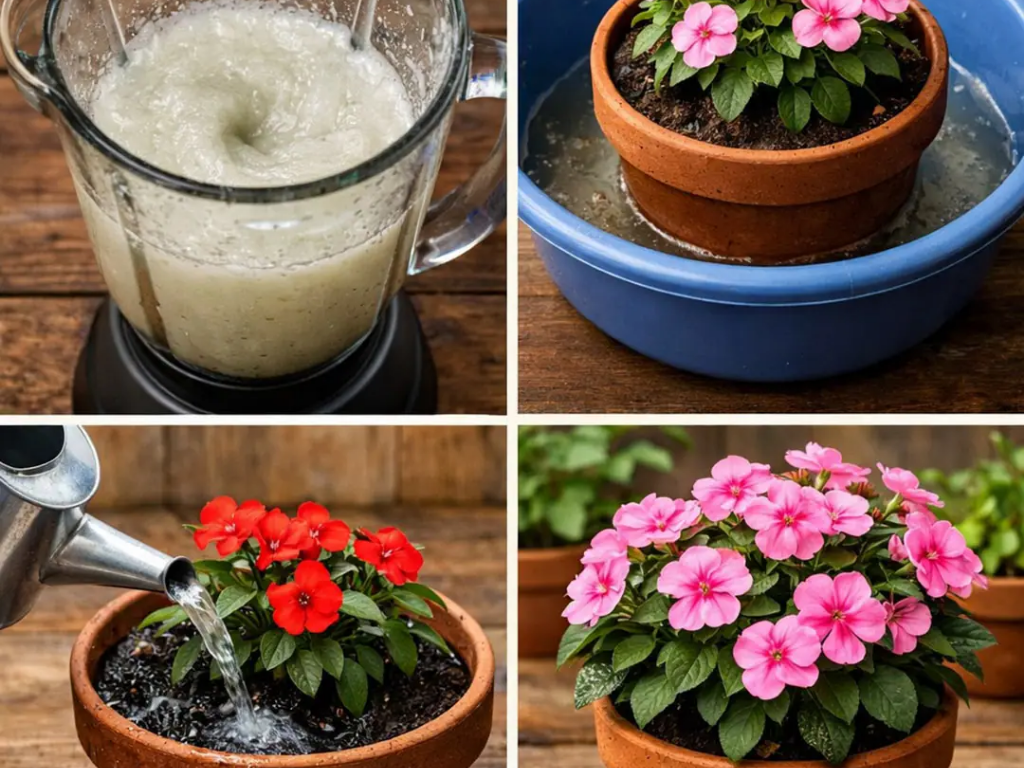
Why Plants Sometimes Need a Little Extra Help
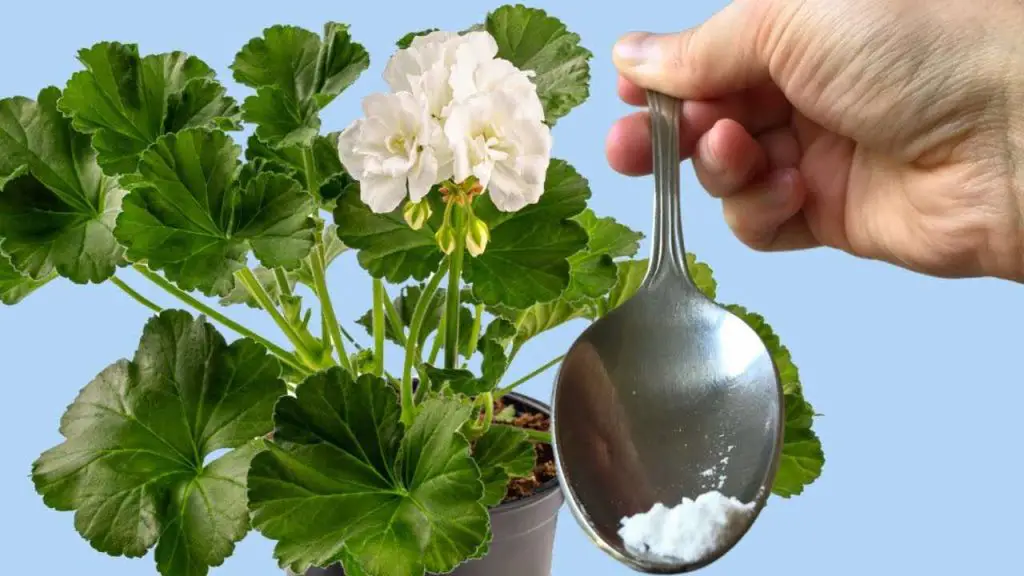
Even with good care, proper light exposure, and regular watering, our plants can sometimes show signs of slowing down. Dull leaves, subtle flowering, or slowed growth might seem minor at first, but these often indicate a slight imbalance. In pots, the soil gradually loses its nutrients, and some species require highly specific conditions to truly thrive.
Before turning to multiple treatments, it is better to opt for simple, gentle, and well-measured solutions that respect the plant’s natural rhythm. This approach provides support without overwhelming or shocking the plant.
A Popular Homemade Tip
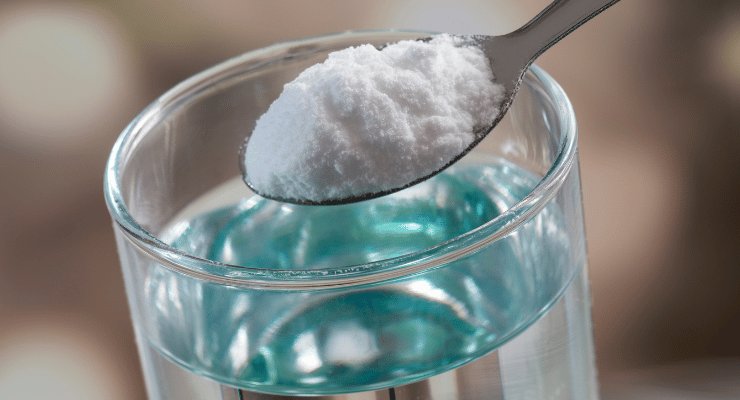
Among common home remedies is a very diluted mixture of baking soda combined with a pinch of sea salt. When applied occasionally to indoor plants, this preparation is not meant to force growth but to balance the soil environment, creating a more favorable setting for natural and harmonious flowering.
The golden rule remains the same: gentleness and consistency far outweigh excess. Sometimes a single carefully measured teaspoon can be much more beneficial than overwatering or an overdose of fertilizer.
How to Prepare a Natural and Balanced Treatment
This homemade recipe requires simplicity and precision to be effective.
In 1 liter of room temperature water, add:
½ level teaspoon of baking soda
A tiny pinch of sea salt (just a few grains, no more)
Stir until the ingredients are fully dissolved. This dilution must remain very light: it is not a concentrated fertilizer but a spot treatment designed to support and stabilize the soil.
Use this solution no more than once a month, only on well-established and healthy plants. Gently water only the soil, making sure never to wet the leaves.
Observe how the plant responds in the weeks following the treatment before deciding to repeat it if necessary.
Why This Method Can Benefit Certain Plants
When used in moderation, baking soda helps stabilize the soil substrate, while the sea salt, present in very small amounts, supplies minerals naturally found in the plant’s environment. Together, these elements can improve the soil’s water retention and encourage more regular, balanced root development.
It is important to remember that every plant reacts differently. Some appreciate these small doses, while others prefer an unchanged substrate. Careful observation is therefore essential to tailor this treatment to each individual situation.
Precautions to Avoid Mistakes
This tip is not a universal cure-all. It is mainly suitable for hardy and decorative indoor plants, but should be avoided for sensitive species or those with very specific soil requirements. It is also vital not to combine multiple treatments or fertilizers at the same time.
Another crucial point: if a plant has been unhealthy for a long time, first check its exposure to light, watering routine, and pot drainage. No homemade remedy can compensate for overwatering or a pot without drainage holes.
Simple Actions That Make All the Difference
Beyond this tip, it is often the small daily care habits that truly make a difference. Regularly cleaning leaves, rotating the pot to ensure even light exposure, adjusting watering according to the season—these steady habits create a stable and reassuring environment conducive to healthy, harmonious growth.
Taking care of plants is also a moment of calm and attentiveness, almost a soothing ritual amid a busy life. Sometimes, all it takes is a simple spoonful, a bit of patience, and a watchful eye to restore vitality and the radiant beauty of flowers through simple and nurturing actions.
